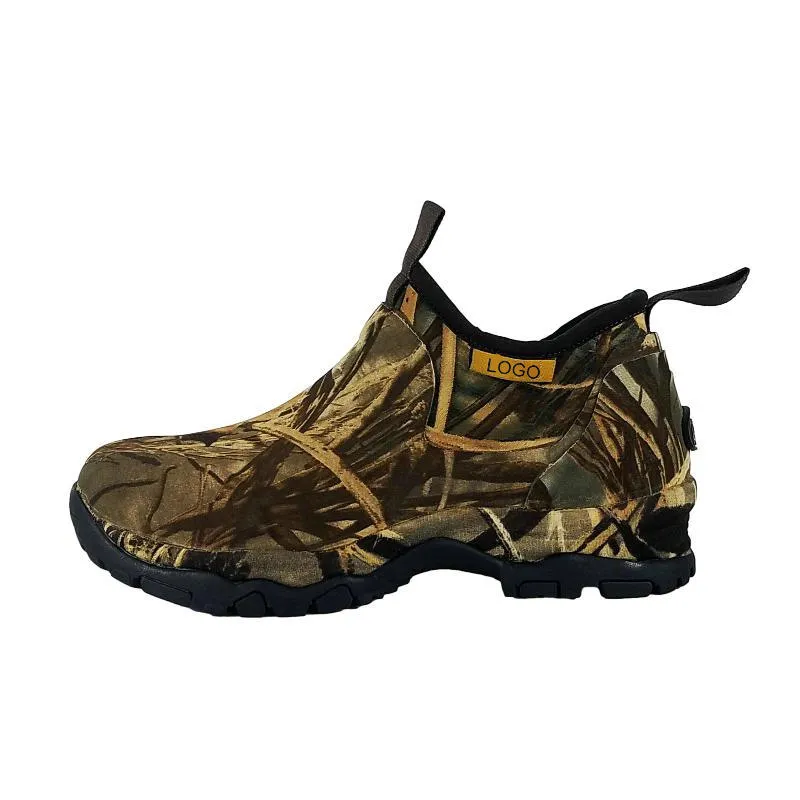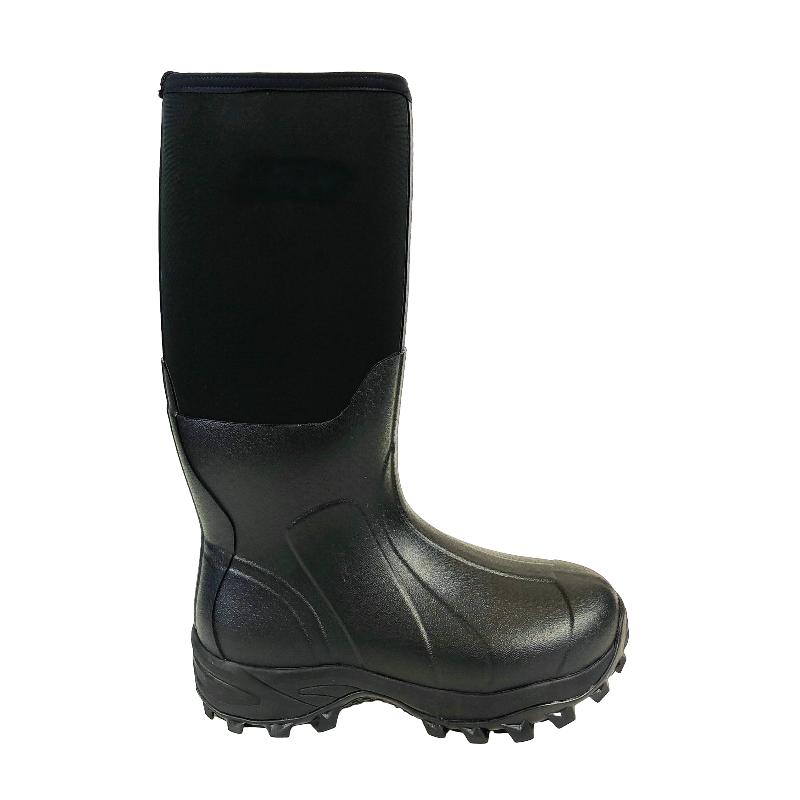


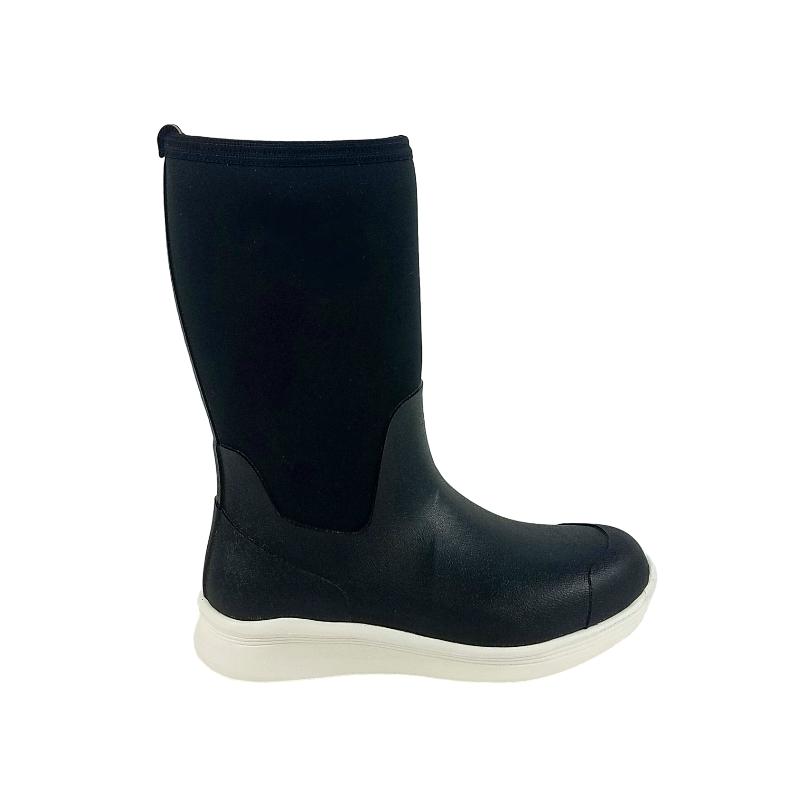
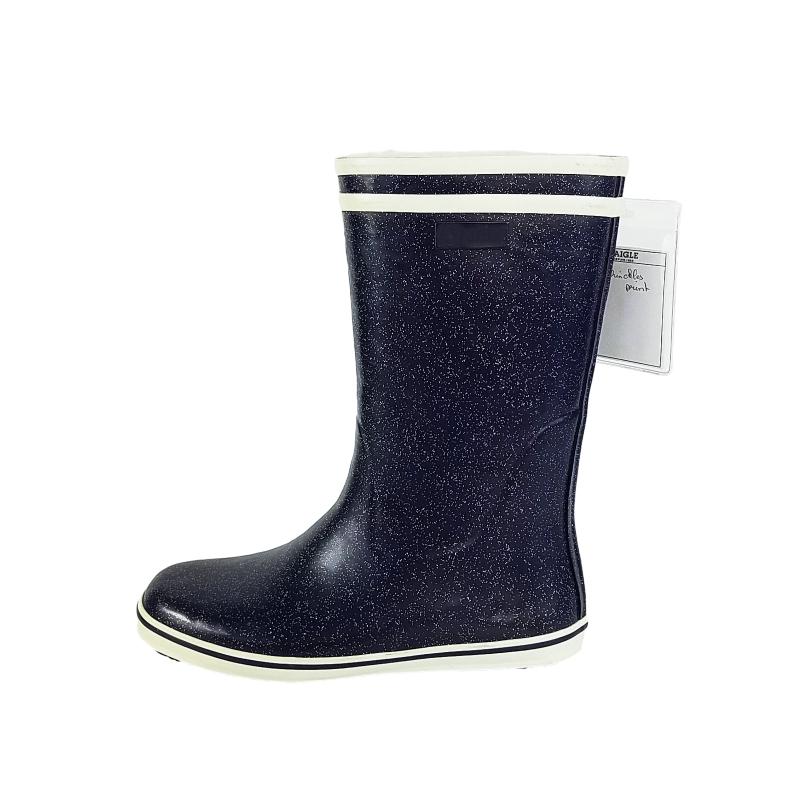
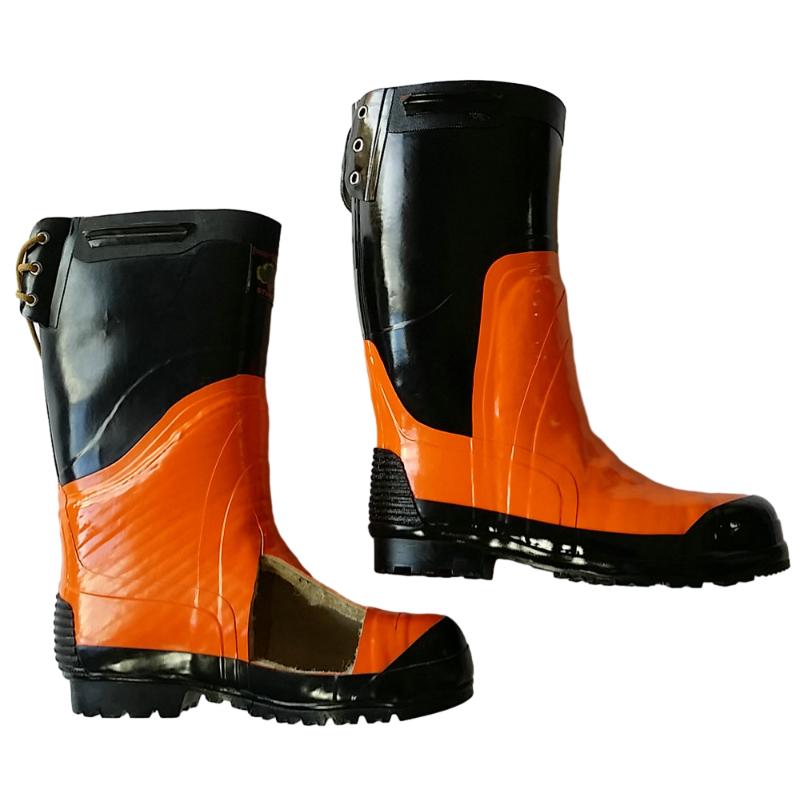
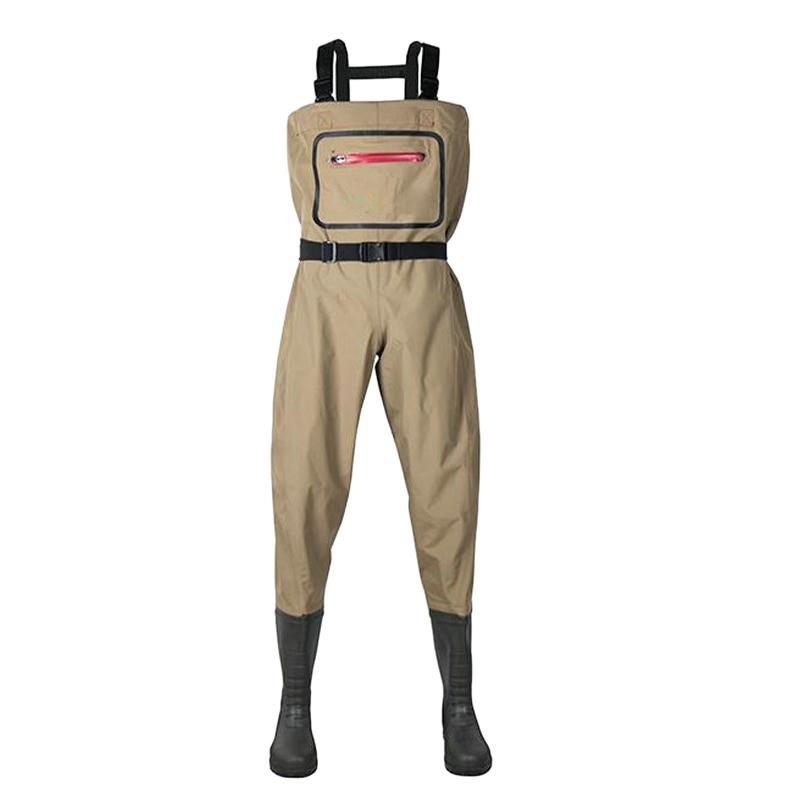
Advanced Footwear Solutions for snake proof rubber boots in Egypt

Engineered for extreme terrains, combining Egyptian environmental resilience with world-class textile and leather manufacturing precision.

Advanced Footwear Solutions for snake proof rubber boots in Egypt

Providing professional-grade tactical and outdoor footwear specifically designed to withstand the harsh desert and wetland climates of Egypt.

Current State of Specialized Footwear in Egypt

Analyzing the intersection of geography and protective footwear needs in the North African market.

Egypt's diverse landscape—ranging from the Nile Delta's marshlands to the Eastern Desert's rugged terrain—creates a unique demand for high-performance footwear. Currently, the market is seeing a shift toward hunting and fishing hiking boots that can handle both moisture and abrasive sand, as traditional leather shoes often fail under extreme UV exposure and saline soil conditions.

The safety requirement in rural and agricultural zones has surged, particularly for snake proof rubber boots. With the prevalence of venomous species in the scrublands, Egyptian professionals are moving away from generic rubber boots toward engineered composite materials that offer puncture resistance without sacrificing breathability in 40°C+ heat.

Furthermore, the luxury and sport hunting sector is expanding, creating a niche for high-end mountain hunting boots. The current survival state of the industry in Egypt is characterized by a transition from imported generic brands to specialized, purpose-built footwear that adheres to the technical requirements of textile and leather manufacturing excellence.
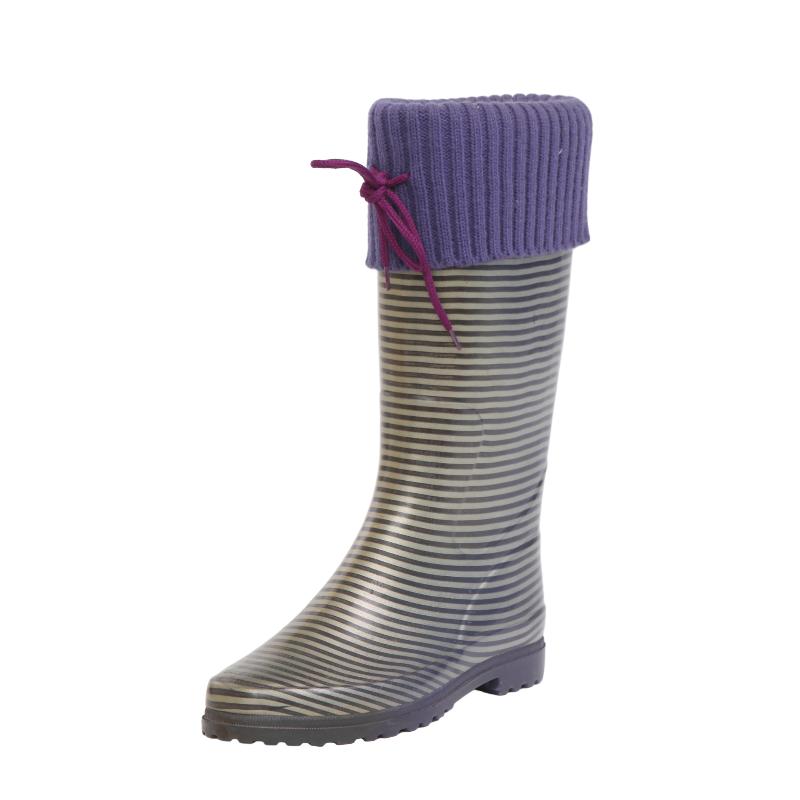
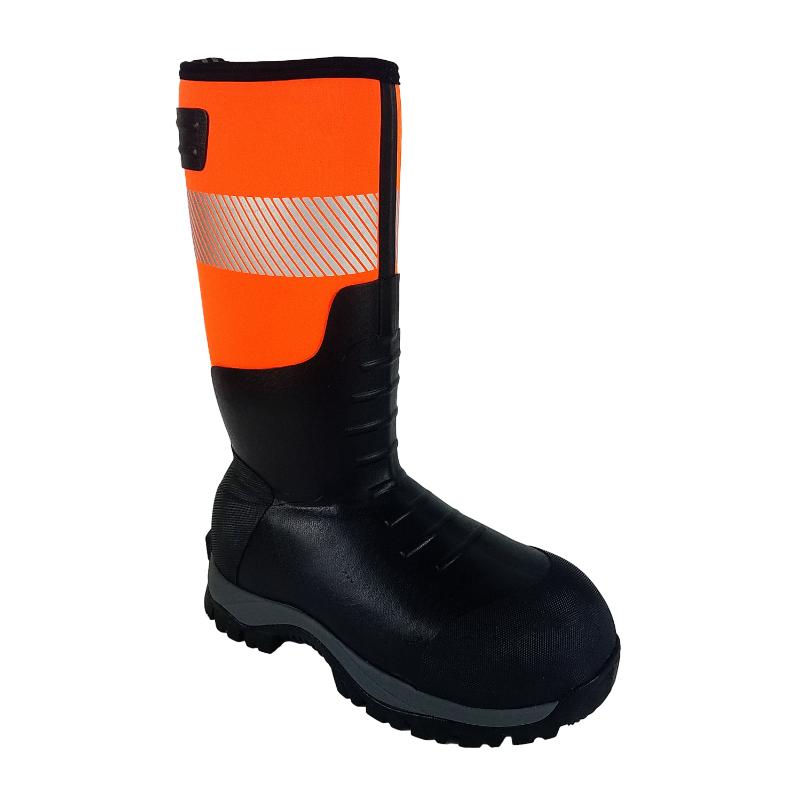
Evolution and Technical Trajectory

From traditional craftsmanship to high-tech synthetic integration in the Egyptian footwear sector.

Market Development History

Prior to 2010, the Egyptian outdoor market relied heavily on traditional tanned leather, which offered durability but lacked specialized protection. The early 2010s marked a transition toward reinforced rubber and synthetic blends, introducing the first wave of waterproof capabilities to the local hunting community.

Between 2015 and 2020, the integration of TPU (Thermoplastic Polyurethane) and Gore-Tex style membranes became standard for deer stalking boots. This period saw a shift toward "anatomical fitting," reducing fatigue for long-distance trekking in the Sinai Peninsula.

From 2021 to the present, the focus has pivoted toward hybrid textile-leather construction. Modern manufacturing now emphasizes "Environmental Adaptability," ensuring that boots used in the humid Delta can transition to the arid Western Desert without material degradation.

Future Development Trends

Nanotechnology in Surface Coating

The next 3 years will see the adoption of nano-coatings to repel fine desert dust and organic contaminants, significantly extending the lifespan of women's upland boots.

Biometric Sole Engineering

Using 3D scanning and AI-driven design, footwear will be customized to the specific gait and foot morphology of regional users, improving stability in rocky terrains.

Eco-Sustainable Synthetic Leather

Following global Google search trends for "Sustainable Outdoor Gear," Egypt will see a rise in recycled polymers that match the durability of traditional leather while reducing the environmental footprint.

Industry Trends and Future Outlook

Predicting the shift toward intelligent material science in Egyptian outdoor footwear.

Extreme Thermal Regulation
Implementing phase-change materials to keep feet cool during Egyptian heatwaves and warm during desert nights.
Advanced Puncture Resistance
Integration of Kevlar-reinforced midsoles to prevent injuries from sharp desert minerals and thorns.
Hybrid Material Fusion
Blending genuine leather for support with breathable textile meshes for optimal ventilation in humid zones.
Adaptive Traction Systems
Dual-density outsoles that provide grip on slippery Nile banks and stability on loose sand dunes.

Industry Outlook

The Egyptian footwear industry is poised for a technical leap. As the "Egypt Vision 2030" promotes local manufacturing, we expect a surge in the domestic production of specialized outdoor gear, reducing reliance on imports and tailoring products to the precise biometric needs of the North African population.

Looking ahead, the fusion of textile innovation and leather craftsmanship will define the market. The demand for multi-functional gear—such as boots that serve both as professional safety equipment and recreational hiking gear—will drive R&D toward versatile, high-durability materials.

Localized Application Scenarios in Egypt

Real-world use cases for specialized footwear across Egypt's diverse geography.

01. Nile Delta Agricultural Protection

Farmers and technicians in the humid Delta region utilize snake proof rubber boots to navigate wet crops while ensuring total protection against waterborne hazards and local reptiles.

02. Sinai Peninsula Tactical Trekking

Professional guides and mountaineers employ mountain hunting boots to traverse the jagged limestone and granite peaks of the Sinai, requiring maximum ankle support and grip.

03. Western Desert Wildlife Surveying

Environmental researchers conducting field studies in the remote Western Desert rely on deer stalking boots for their silent movement capabilities and high resistance to abrasive sand.

04. Red Sea Coastal Exploration

Outdoor enthusiasts engage in shoreline expeditions using hunting and fishing hiking boots, blending the waterproofing of a fishing boot with the traction of a hiker.

05. Upland Recreational Hunting

Female outdoor sporting participants in Egypt's plateau regions utilize women's upland boots, which offer a specialized fit without compromising the rugged durability required for upland terrain.

Brand Story

Global Development Journey of Baoding Landwalk Outdoor Products Co., Ltd.

Foundational Craftsmanship

Started with a commitment to solve the durability gap in outdoor footwear, focusing on the synergy between high-grade leather and synthetic textiles.

Technical Innovation Phase

Developed proprietary waterproof membranes and puncture-resistant soles, setting new industry standards for tactical and hunting boots.

Global Market Expansion

Expanded footprints into Africa and the Middle East, adapting designs to suit extreme arid and tropical climates.

Sustainable Manufacturing

Integrated eco-friendly materials and lean manufacturing processes to reduce the carbon footprint of high-performance footwear.

Future-Ready Vision

Continuously evolving through AI-driven design to provide the ultimate protective footwear for the world's most challenging environments.

Complete Footwear Portfolio for the Egyptian Market

From desert tactical gear to wetland protection, explore our comprehensive range of engineered boots.

Common Questions for Egypt Outdoor Footwear

Expert answers to technical queries regarding protective footwear in North African conditions.

How do snake proof rubber boots perform in Egypt's high temperatures?

Our boots utilize heat-stabilized rubber compounds and breathable inner linings to prevent overheating while maintaining a puncture-resistant barrier against venomous snakes.

Are mountain hunting boots suitable for the rocky terrain of the Sinai Peninsula?

Yes, they are specifically designed with high-friction outsoles and reinforced ankle supports to ensure stability and prevent sprains on unstable, rocky surfaces.

What makes hunting and fishing hiking boots different for the Nile Delta?

They combine a waterproof exterior for marshy areas with a breathable textile interior to manage moisture in the high humidity of the Delta region.

Do deer stalking boots provide enough camouflage for desert environments?

Our stalking line comes in various earthy tones including sand and khaki, specifically matched to the desert palettes of Egypt to ensure maximum concealment.

Are women's upland boots durable enough for professional fieldwork?

Absolutely. They use the same high-grade textile and leather specifications as our men's line, but with an optimized ergonomic fit for female foot anatomy.

How to maintain leather outdoor boots in sandy Egyptian climates?

We recommend regular brushing to remove abrasive sand particles followed by a specialized leather conditioner to prevent cracking under intense UV exposure.

Get Expert Footwear Advice

Contact our technical team for customized procurement and manufacturing solutions in Egypt.

Contact Us Now

If you are interested in our products, you can choose to leave your information here, and we will be in touch with you shortly.