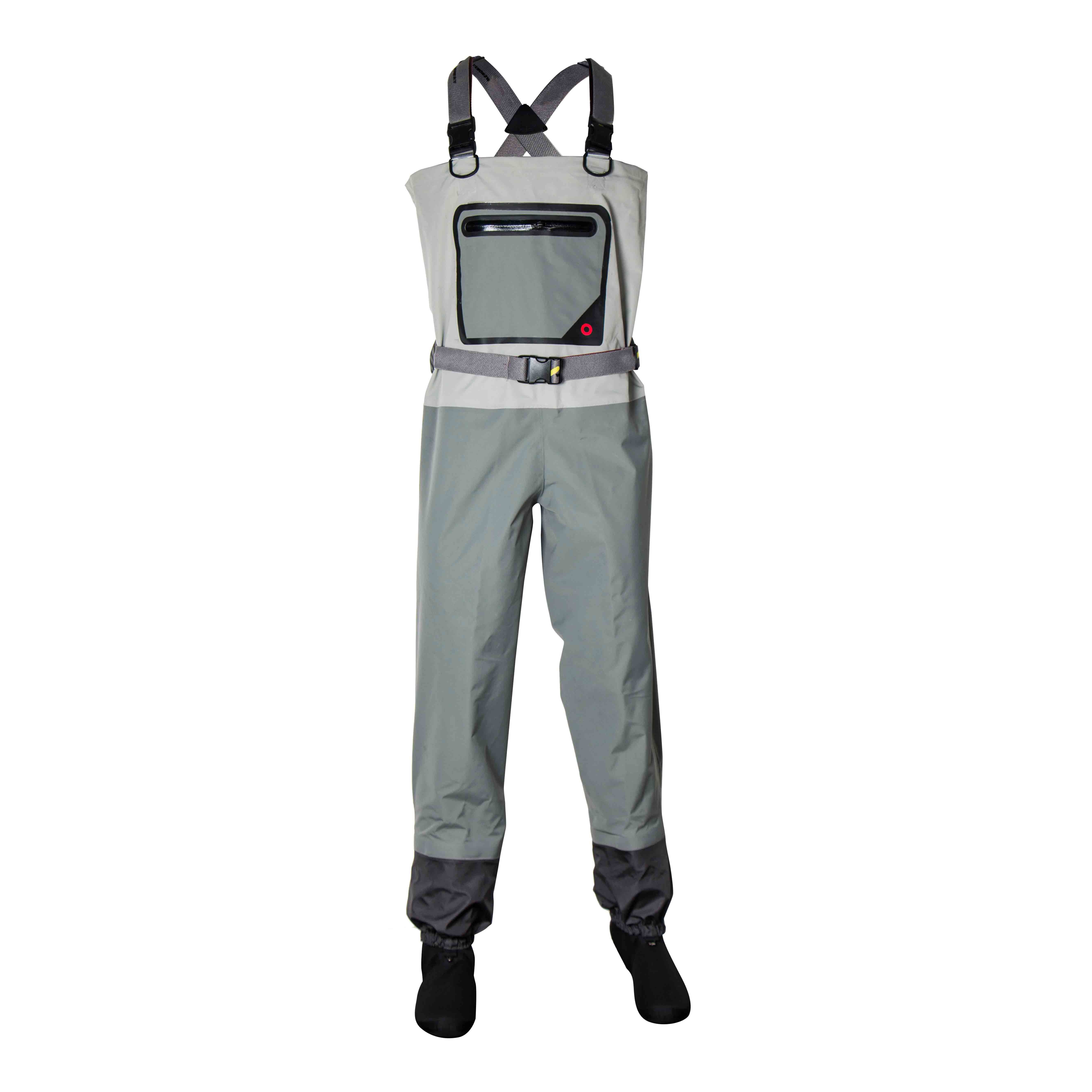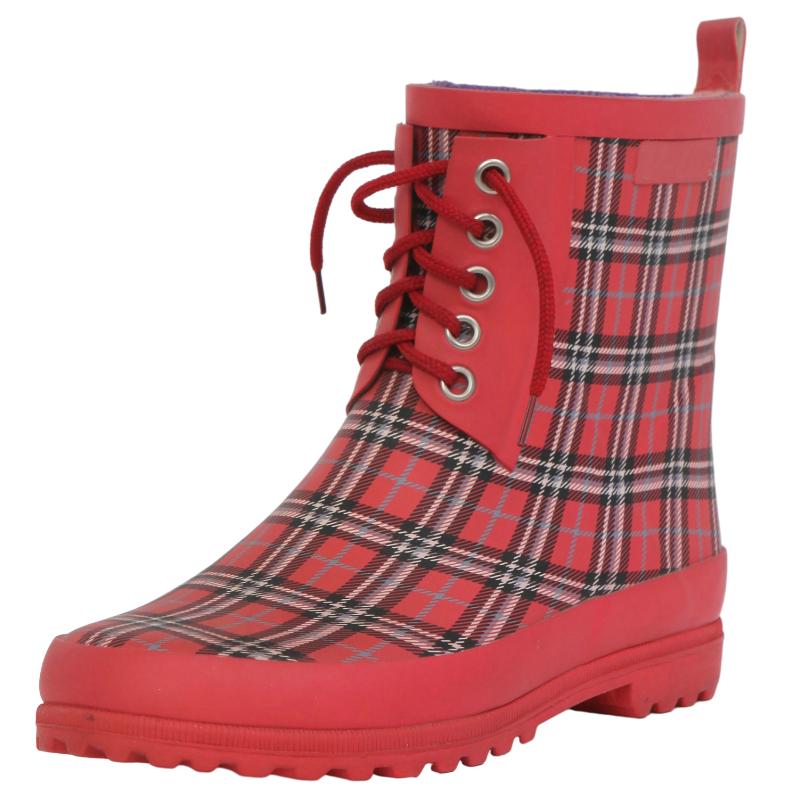


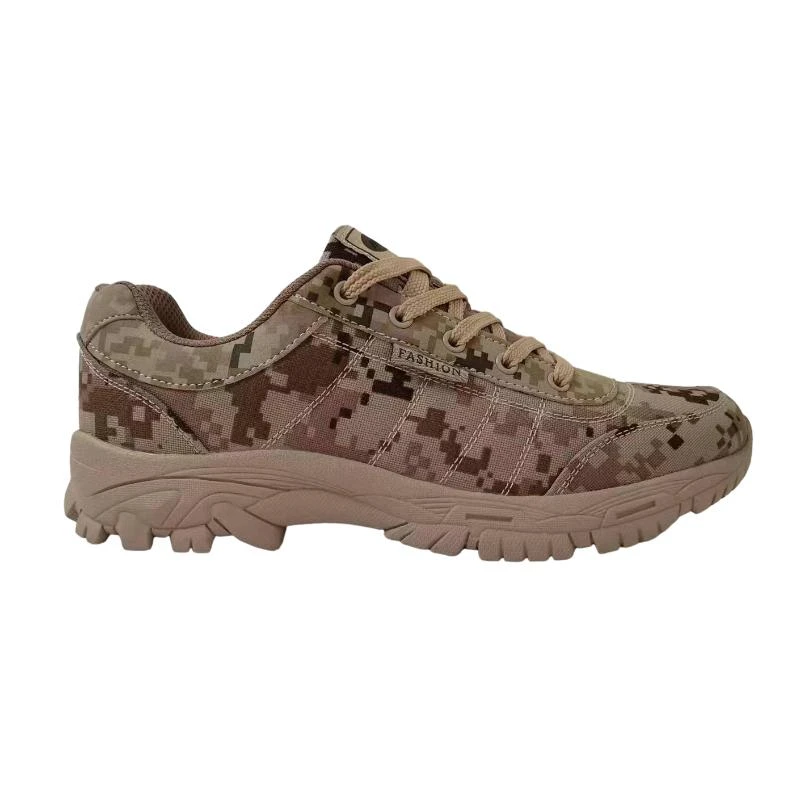
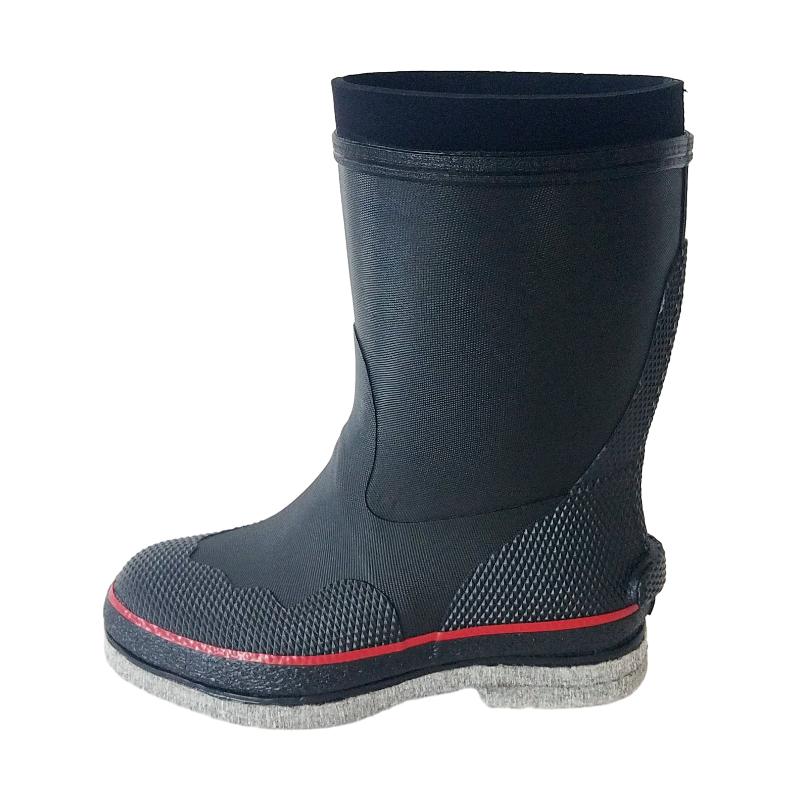
Bolivian High-Performance mountain hunting boots Solutions

Engineered for the rugged Andean terrain and lowland jungles of Bolivia, delivering unmatched durability for professional outdoorsmen.

Bolivian High-Performance mountain hunting boots Solutions

Providing specialized textile and leather footwear engineered to withstand Bolivia's extreme altitude shifts and diverse ecological zones, from the Altiplano to the Amazon basin.

Footwear Manufacturing Landscape in Bolivia

Analyzing the intersection of traditional leather craft and modern textile requirements in South America's heartland.

Bolivia's footwear sector is characterized by a sharp divide between artisanal leather production and the increasing demand for technical gear. In the high-altitude regions, there is a critical need for deer stalking boots that can handle frozen tundra and rocky slopes without compromising thermal insulation.

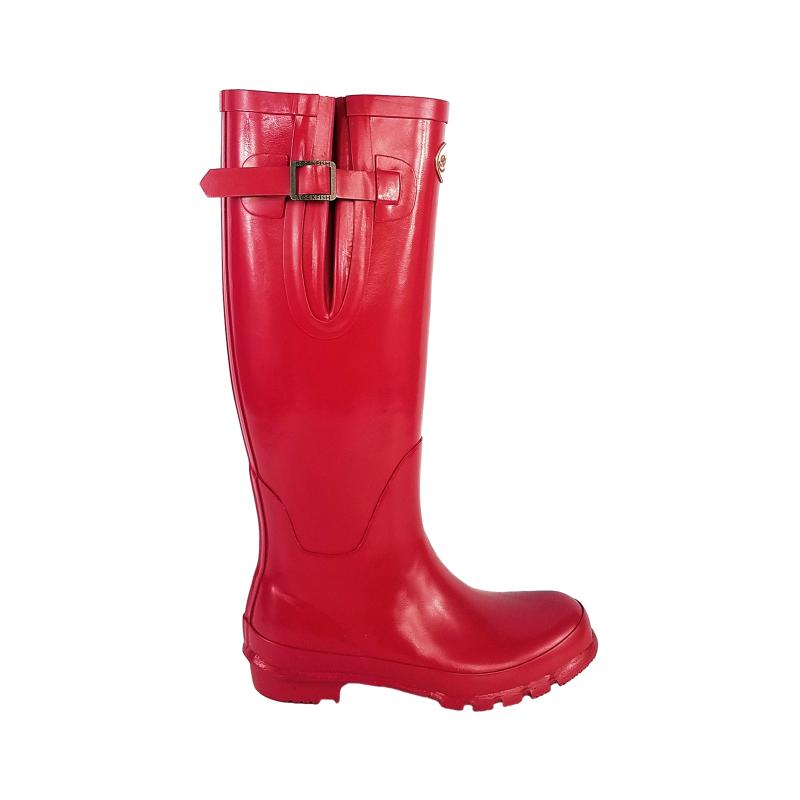
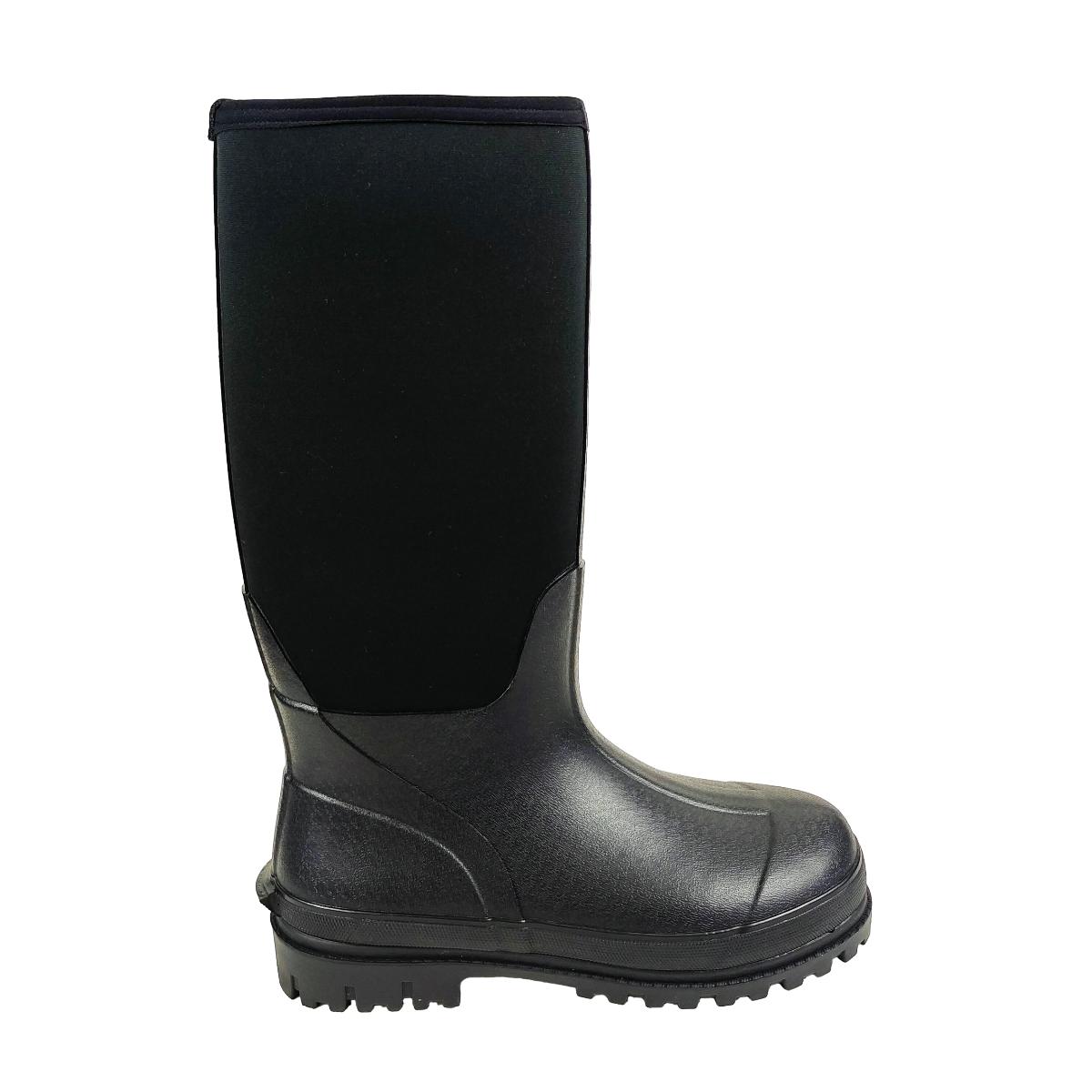
In the tropical lowlands, the environment presents a different challenge: extreme humidity and hazardous fauna. This has led to a surge in demand for snake proof rubber boots, where textile reinforcement must be seamlessly integrated with waterproof polymers to ensure worker and hunter safety.

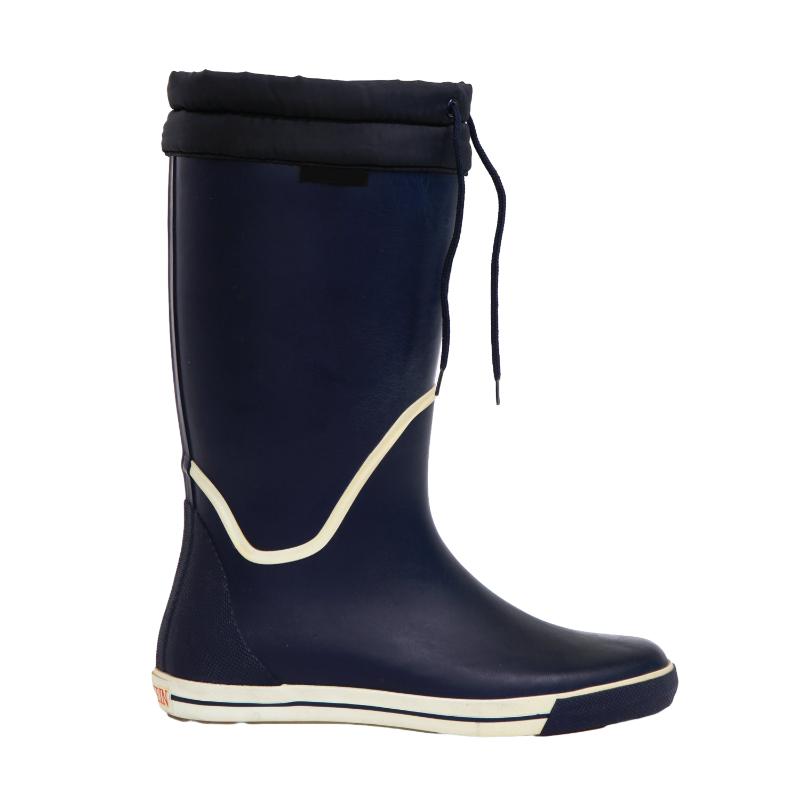
Currently, the market is shifting toward hybrid manufacturing, blending traditional Bolivian leather durability with imported high-tech membranes to create versatile hunting and fishing hiking boots capable of transitioning across the country's drastic topographical changes.
Evolution of Technical Footwear in the Andes

From ancestral leather tanning to precision textile engineering.

Market Development History

Prior to the 1990s, Bolivian outdoor footwear relied heavily on thick, heavy-duty leather with minimal ergonomic support, focusing solely on waterproofing through grease and wax treatments.

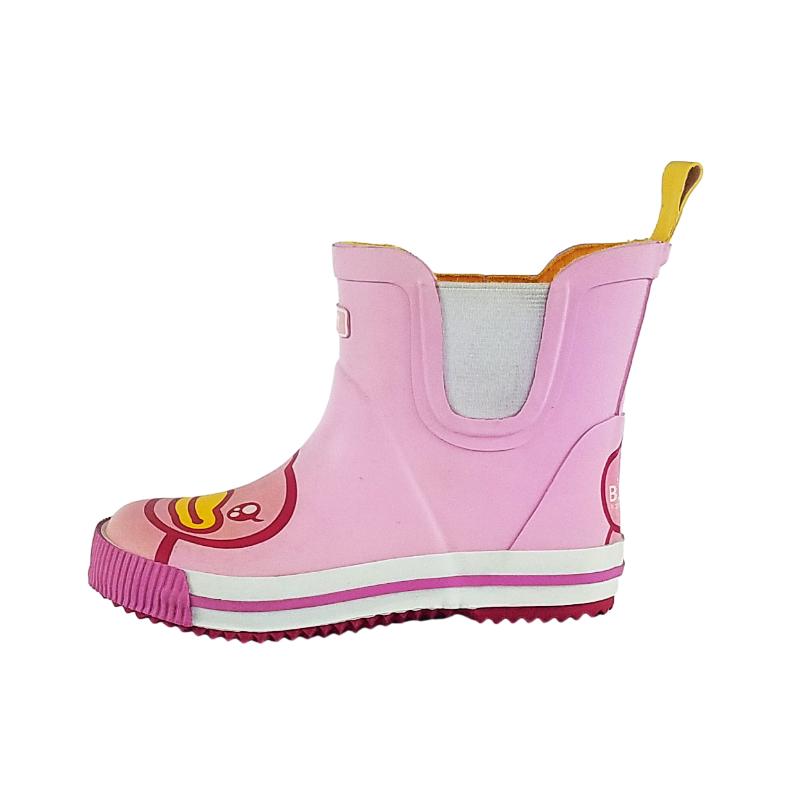
Between 2000 and 2015, the introduction of synthetic textile inserts and molded EVA midsoles revolutionized the industry, allowing for the creation of lighter, more breathable women's upland boots tailored for diverse terrains.

Since 2016, the integration of CNC cutting and laser-welded seams has enabled the production of specialized gear that meets global E-E-A-T standards, focusing on puncture resistance and adaptive grip for mountainous regions.

Future Development Trends

Bio-based Polymer Integration

Moving toward biodegradable yet high-strength rubber compounds to reduce the environmental footprint in the Amazonian regions.

Smart Thermal Regulation

Integrating phase-change materials (PCM) to manage the extreme temperature swings between the Bolivian day and night cycles.

Adaptive Traction Geometry

Developing outsole patterns specifically modeled after Andean rock formations to maximize grip in wet, shale-heavy environments.

Industry Outlook & Technical Forecast

Strategic directions for textile-leather footwear manufacturing in the next 5 years.

Advanced Material Fusion
Merging aerospace-grade textiles with premium Bolivian hides for ultimate abrasion resistance.
Ergonomic Customization
Implementing 3D foot scanning to reduce fatigue during long-distance trekking in the Altiplano.
Sustainable Tanning
Adopting chrome-free vegetable tanning to meet international eco-export standards.
Extreme Waterproofing
Utilizing nano-coatings for permanent water-repellency in the humid tropical zones.

Industry Outlook

Data from regional search trends indicates a growing preference for specialized "hybrid" boots that can handle both aquatic and terrestrial environments, suggesting a move toward multipurpose outdoor footwear.

We expect a 15% annual increase in the demand for high-performance textile shoes as Bolivia's eco-tourism sector expands, requiring gear that balances lightness with extreme ruggedness.

Localized Applications in Bolivia

Real-world deployment of specialized footwear across diverse Bolivian terrains.

01. Altiplano Highland Trekking

Utilizing reinforced leather and thermal liners for explorers navigating the salt flats and high plateaus, where wind-chill and moisture are constant threats.

02. Amazon Basin Expeditions

Applying high-density polymer compounds in footwear to protect against humidity and punctures in the dense jungles of Santa Cruz.

03. Andean Ridge Hunting

Deploying high-traction rubber outsoles and ankle-stabilizing textile wraps for hunters tracking game on steep, unstable slopes.

04. Lowland Agricultural Security

Providing heavy-duty, puncture-resistant footwear for workers in rubber and soy plantations to prevent hazardous animal encounters.

05. Eco-Tourism Guiding

Implementing lightweight, breathable hybrid boots for guides leading international tourists through the diverse Bolivian landscapes.

Brand Story

Global Development History of Baoding Landwalk Outdoor Products Co., Ltd.

Founding Vision

Established with the mission to solve the critical failure of standard outdoor boots in extreme humidity and altitude.

Material Innovation

Perfected the bond between synthetic breathable textiles and treated leather to eliminate water seepage.

Global Expansion

Expanded manufacturing capabilities to support demanding markets across South America, including Bolivia.

Technical Certification

Achieved international standards for safety and durability, focusing on puncture and slip resistance.

Future Commitment

Dedicated to sustainable production and the development of next-generation adaptive outdoor footwear.

Professional Footwear Portfolio for Bolivia

A comprehensive range of technical boots designed for the harshest South American environments.

Bolivian Market FAQ

Technical answers for regional footwear challenges.

How do mountain hunting boots perform in high-altitude Andean climates?

Our boots use multi-layered thermal textiles and reinforced leather to maintain core warmth while preventing moisture buildup from perspiration during ascent.

What makes snake proof rubber boots effective for the lowland jungles?

They feature an integrated puncture-resistant textile layer embedded within a high-density rubber compound, specifically designed to resist venomous snake fangs.

Are women's upland boots suitable for rocky Bolivian terrains?

Yes, they are engineered with anatomically correct lasts for women, combining lightweight textile uppers with high-impact rubber soles for superior stability.

Which boots are best for hunting and fishing hiking boots in mixed environments?

We recommend our hybrid series which utilizes water-repellent textiles and amphibious outsole lugs for grip on both slippery riverbeds and dry trails.

Do deer stalking boots provide sufficient silence for hunting?

Our stalking series utilizes soft-compound rubber and dampened textile midsoles to reduce acoustic signatures while walking on dry Andean brush.

How is the durability of textile shoes compared to traditional leather in Bolivia?

Our modern textile shoes are treated with TPU reinforcements, offering comparable durability to leather but with significantly better breathability and faster drying times.

Consult Our Footwear Experts

Get professional manufacturing guidance and customized footwear solutions for the specific demands of Bolivia.

Contact Us Now

If you are interested in our products, you can choose to leave your information here, and we will be in touch with you shortly.