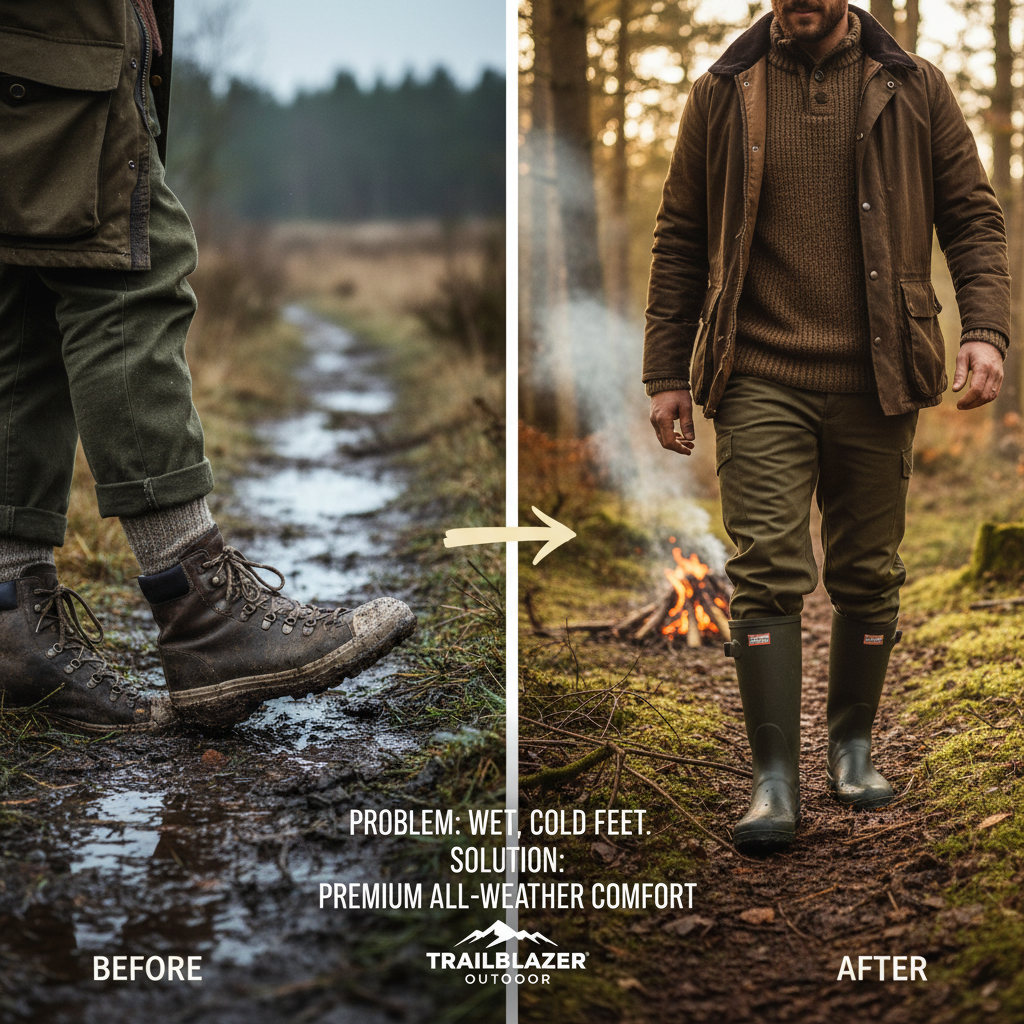
The quest for the perfect footwear for both hiking and hunting has led to a sophisticated understanding of what constitutes truly good hiking hunting boots. These aren't simply shoes; they're tools that enable exploration, ensure safety, and enhance the overall outdoor experience. Understanding the nuances of construction, materials, and intended use is paramount for anyone serious about venturing into the wilderness.
Globally, the demand for specialized outdoor gear, including good hiking hunting boots, continues to rise, fueled by increased participation in outdoor recreational activities and a growing appreciation for nature. According to the Outdoor Foundation, participation in hiking and trail running has significantly increased in recent years, creating a larger market for durable and reliable footwear. This demand also correlates with a greater awareness of environmental concerns and a desire for gear that minimizes impact.
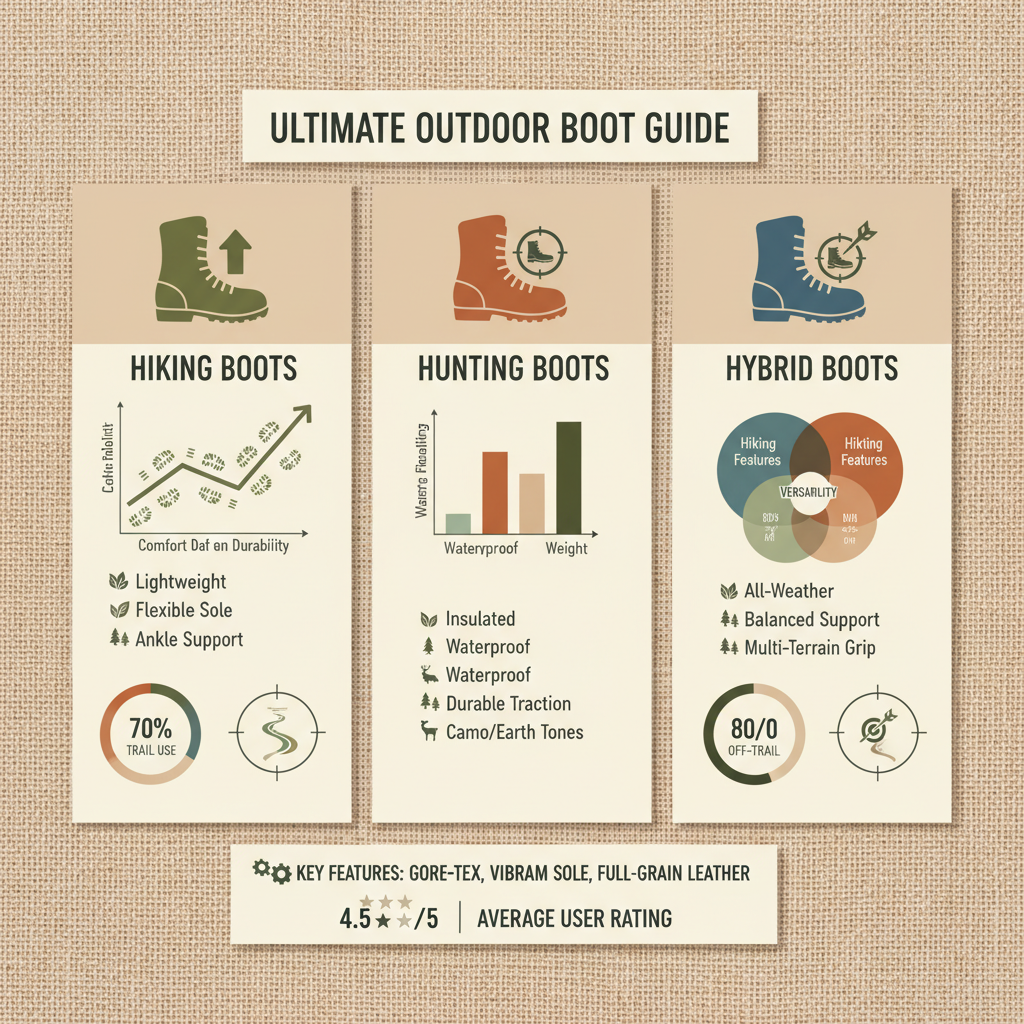
The challenge lies in finding boots that seamlessly blend the requirements of both disciplines—hiking and hunting—which often necessitate differing features. Hikers prioritize comfort and support for long distances, while hunters need stealth, durability, and protection in potentially harsh conditions. Good hiking hunting boots aim to bridge this gap, providing a versatile solution for outdoor enthusiasts.
Defining Quality in Hiking Hunting Boots
Good hiking hunting boots are defined by their ability to provide a harmonious balance of durability, comfort, and functionality. They must withstand the rigors of diverse terrains, from rocky mountain trails to dense forests, while simultaneously offering the support and protection needed for extended wear. The quality isn't solely determined by price but by a holistic assessment of materials, construction, and design.
At their core, these boots are an investment in safety and performance. A well-made pair will minimize the risk of injury, enhance stability, and allow for greater confidence in challenging environments. They serve as a crucial link between the adventurer and the landscape, enabling a more immersive and rewarding outdoor experience.
The Global Landscape of Hiking and Hunting Footwear
The global market for outdoor footwear is a multi-billion dollar industry, driven by a growing global interest in outdoor recreation and adventure tourism. North America and Europe traditionally represent the largest markets, but demand is rapidly increasing in Asia-Pacific, particularly in countries like China and India, as disposable incomes rise and access to outdoor spaces expands. This growth is spurring innovation and competition among manufacturers.
The production of good hiking hunting boots is often concentrated in Southeast Asian countries like Vietnam and China, where labor costs are lower and established manufacturing infrastructure exists. However, there's a growing trend towards ethical and sustainable sourcing, with brands increasingly focusing on responsible manufacturing practices and environmentally friendly materials.
International standards, such as those set by the ISO (International Organization for Standardization), play a crucial role in ensuring the quality and safety of outdoor footwear. These standards cover aspects like material performance, durability testing, and ergonomic design, helping consumers make informed choices.
Understanding the Core Components
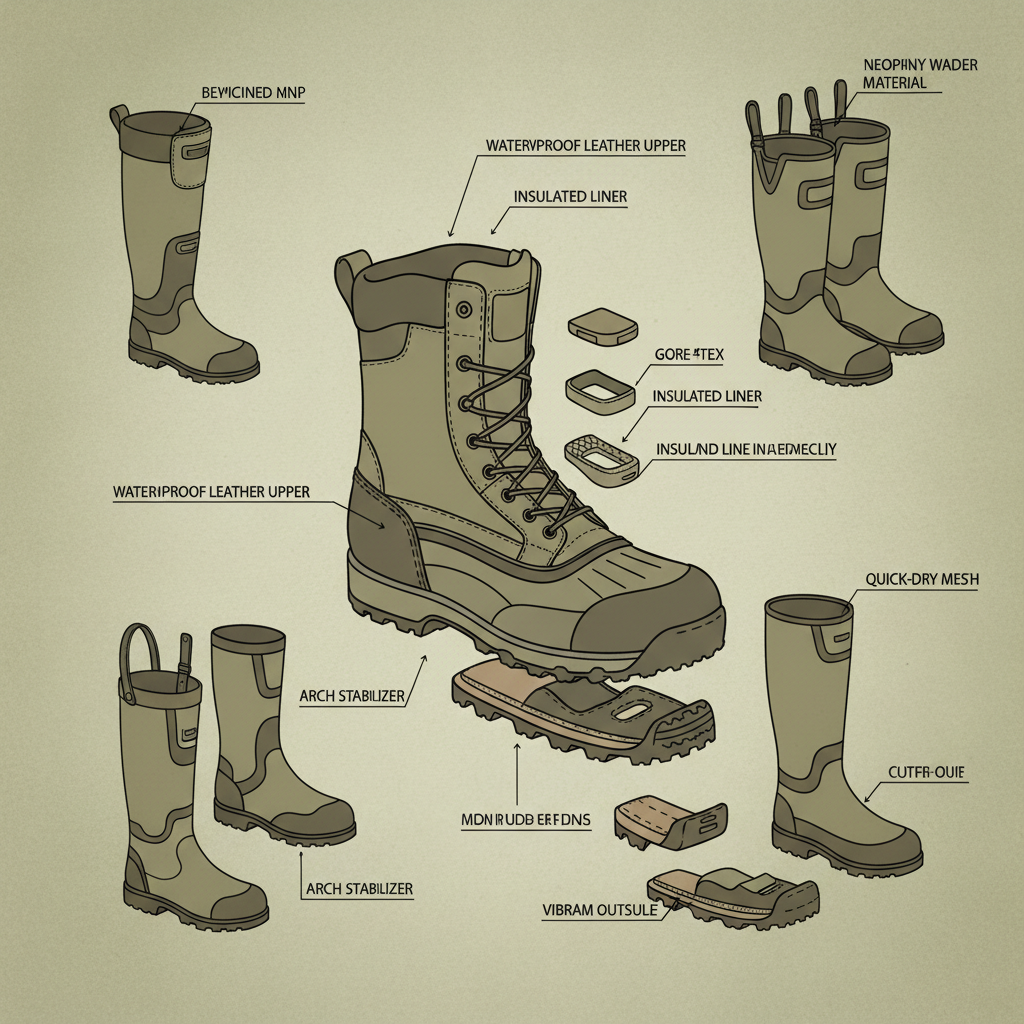
The construction of good hiking hunting boots involves a complex interplay of several key components. The upper material, often leather or synthetic fabrics, provides protection and support. The midsole, typically made of EVA (ethylene-vinyl acetate) or polyurethane, offers cushioning and shock absorption. The outsole, usually rubber, provides traction and durability.
Beyond these core elements, the quality of the boot is also determined by features like the lacing system, the shank (a supportive insert in the midsole), and the rand (a protective strip around the base of the boot). A well-designed boot will integrate these components seamlessly, creating a harmonious and functional whole.
The type of leather used—full-grain, top-grain, or split-grain—significantly impacts the boot’s durability and water resistance. Synthetic materials, while often lighter and more affordable, may not offer the same level of long-term performance or breathability as high-quality leather.
Key Performance Indicators of Good Hiking Hunting Boots
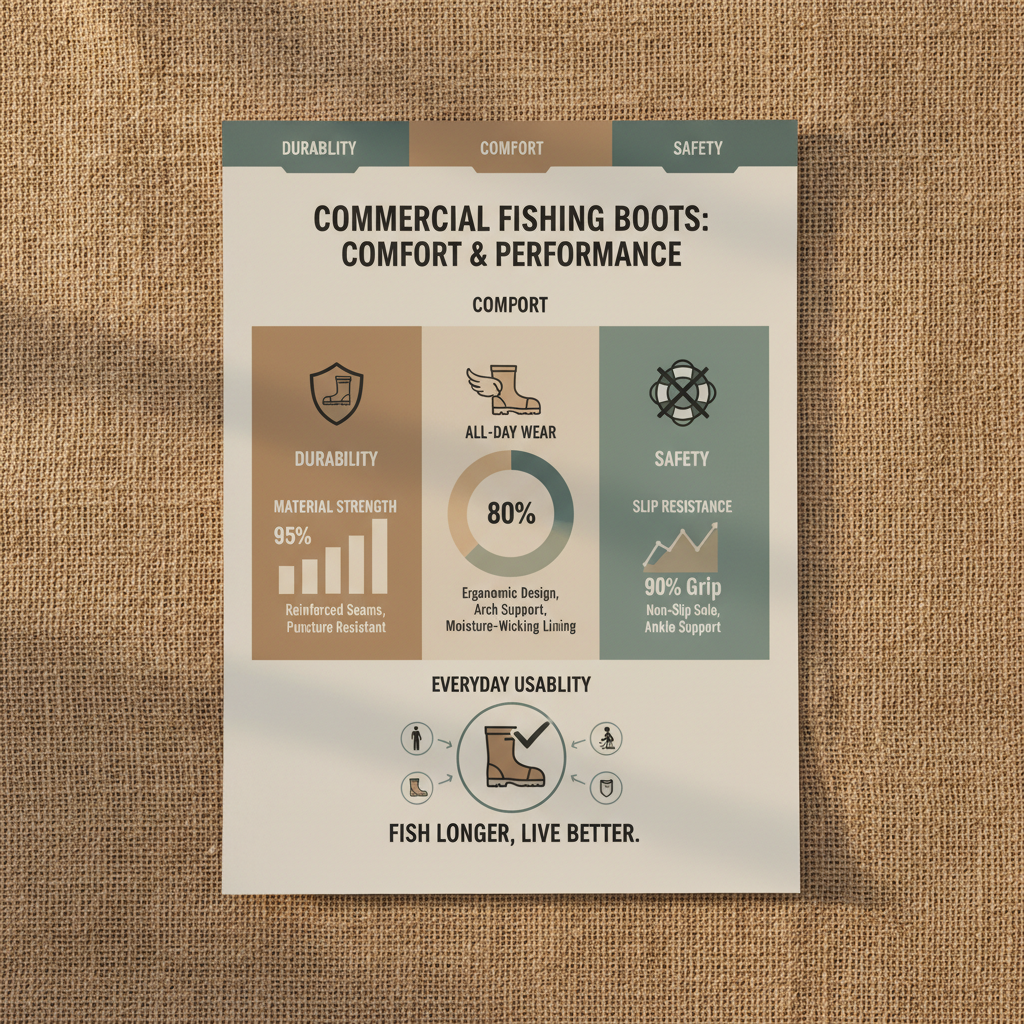
Evaluating the performance of good hiking hunting boots requires considering several key indicators. Waterproofness, measured by standards like Gore-Tex, is critical for maintaining comfort in wet conditions. Breathability, which allows moisture vapor to escape, prevents overheating and blisters.
Ankle support, provided by a high-cut design and robust construction, is essential for stability on uneven terrain. Traction, determined by the outsole’s lug pattern and rubber compound, ensures a secure grip on various surfaces. Durability, assessed through abrasion resistance and construction quality, impacts the boot’s lifespan.
Comparative Performance of Hiking Hunting Boot Features
Applications Across Diverse Environments
Good hiking hunting boots find applications in a wide range of environments, from the rugged mountains of Nepal to the dense forests of North America. Hunters rely on them for stalking game in challenging terrain, while hikers use them for multi-day backpacking trips. They’re essential gear for wildlife biologists conducting field research and search-and-rescue teams operating in remote areas.
In post-disaster relief operations, durable and supportive boots are crucial for first responders navigating debris-strewn landscapes. In remote industrial zones, such as logging camps or mining sites, they provide the necessary protection and stability for workers operating in hazardous conditions.
The Long-Term Value Proposition
Investing in a high-quality pair of good hiking hunting boots offers significant long-term value. While the initial cost may be higher than cheaper alternatives, the increased durability and performance translate into a longer lifespan and reduced need for frequent replacements. This ultimately saves money in the long run.
Beyond the financial benefits, there's a substantial improvement in comfort and safety. Well-fitted boots minimize the risk of blisters, sprains, and other injuries, allowing for more enjoyable and productive outdoor experiences. The peace of mind knowing you have reliable footwear is an invaluable asset.
Moreover, choosing sustainable and ethically manufactured boots supports responsible business practices and contributes to a healthier planet. This aligns with the growing consumer demand for products that prioritize environmental and social responsibility.
Innovations and Future Trends
The future of good hiking hunting boots is being shaped by several key innovations. The development of new materials, such as bio-based polymers and recycled fabrics, is reducing the environmental impact of footwear production. Advanced manufacturing techniques, like 3D printing, are enabling customized fit and design.
Smart boot technology, incorporating sensors and data analytics, is emerging, offering features like gait analysis, real-time tracking, and personalized performance feedback. This technology has the potential to enhance both safety and efficiency for outdoor enthusiasts.
A growing emphasis on sustainability is driving demand for circular economy models, where boots are designed for disassembly and recycling, minimizing waste and maximizing resource utilization.
Summary of Challenges and Solutions in Hiking Hunting Boot Development
| Challenge |
Impact on Boot Performance |
Proposed Solution |
Implementation Timeline |
| Limited Breathability of Waterproof Materials |
Increased Moisture, Blisters, Discomfort |
Advanced Membrane Technologies, Improved Ventilation |
Short-Term (1-2 Years) |
| Weight vs. Durability Trade-off |
Heavier Boots Cause Fatigue, Lighter Boots Less Durable |
Lightweight Composite Materials, Optimized Construction |
Medium-Term (3-5 Years) |
| Difficulty Achieving a Customized Fit |
Poor Fit Leads to Discomfort, Blisters, Reduced Performance |
3D Scanning and Printing, Adjustable Components |
Long-Term (5+ Years) |
| Environmental Impact of Materials |
Resource Depletion, Pollution from Manufacturing |
Bio-Based Materials, Recycled Content, Sustainable Manufacturing |
Ongoing |
| Maintaining Traction on Diverse Surfaces |
Slipping and Falling, Reduced Stability |
Advanced Rubber Compounds, Optimized Lug Patterns |
Short-Term (1-2 Years) |
| Cost of High-Performance Materials |
Higher Price Point, Limited Accessibility |
Economies of Scale, Material Innovation |
Medium-Term (3-5 Years) |
FAQS
Waterproof boots, typically utilizing a membrane like Gore-Tex, completely prevent water from entering, ideal for prolonged exposure to wet conditions. Water-resistant boots offer some protection against light rain and splashes but will eventually become saturated. Choosing the right type depends on the typical conditions you'll encounter. Consider your planned environments and the duration of exposure.
Ankle support is crucial, especially when carrying heavy loads or traversing uneven terrain. Higher-cut boots provide more stability and help prevent sprains. However, if you prioritize agility and flexibility, a lower-cut boot may be suitable, provided you have strong ankles and are comfortable with the reduced support. Properly laced boots are also essential for maximizing ankle support.
Rubber is the most common outsole material, but the specific compound significantly impacts traction and durability. Vibram is a well-known brand renowned for its high-quality rubber outsoles. Softer compounds provide better grip on slick surfaces, while harder compounds offer greater abrasion resistance. The lug pattern also plays a role, with deeper lugs providing better traction on loose terrain.
Proper fit is paramount to avoid blisters and discomfort. Measure your feet late in the day when they are at their largest. Wear the socks you plan to use while hiking or hunting. Ensure there's about a thumb's width of space between your longest toe and the end of the boot. Walk around in the boots to assess comfort and ensure there are no pressure points.
Regular cleaning and conditioning are essential for maintaining leather boots. Remove dirt and debris after each use with a brush and damp cloth. Apply a leather conditioner periodically to keep the leather supple and prevent cracking. Avoid prolonged exposure to extreme heat or moisture, and store the boots in a cool, dry place.
While traditionally leather was considered more durable, advancements in synthetic materials have narrowed the gap. High-quality synthetic boots can offer comparable durability at a lighter weight and often a lower price point. However, leather generally provides superior long-term abrasion resistance and molds to the foot over time, offering a more customized fit. The choice depends on your priorities and budget.
Conclusion
In conclusion, good hiking hunting boots represent a critical investment for anyone venturing into the outdoors. Understanding the core components, key performance indicators, and emerging trends is essential for making informed choices and ensuring a safe, comfortable, and enjoyable experience. From durable materials to innovative technologies, the pursuit of the perfect boot continues to drive advancements in the industry.
Looking ahead, the focus will likely shift towards sustainability, customization, and integration of smart technologies. Choosing boots made from recycled materials, supporting responsible manufacturing practices, and embracing personalized fit solutions will be key to minimizing environmental impact and maximizing performance. Visit our website at www.landwalk-outdoor.com to explore our selection of good hiking hunting boots and find the perfect pair for your next adventure.