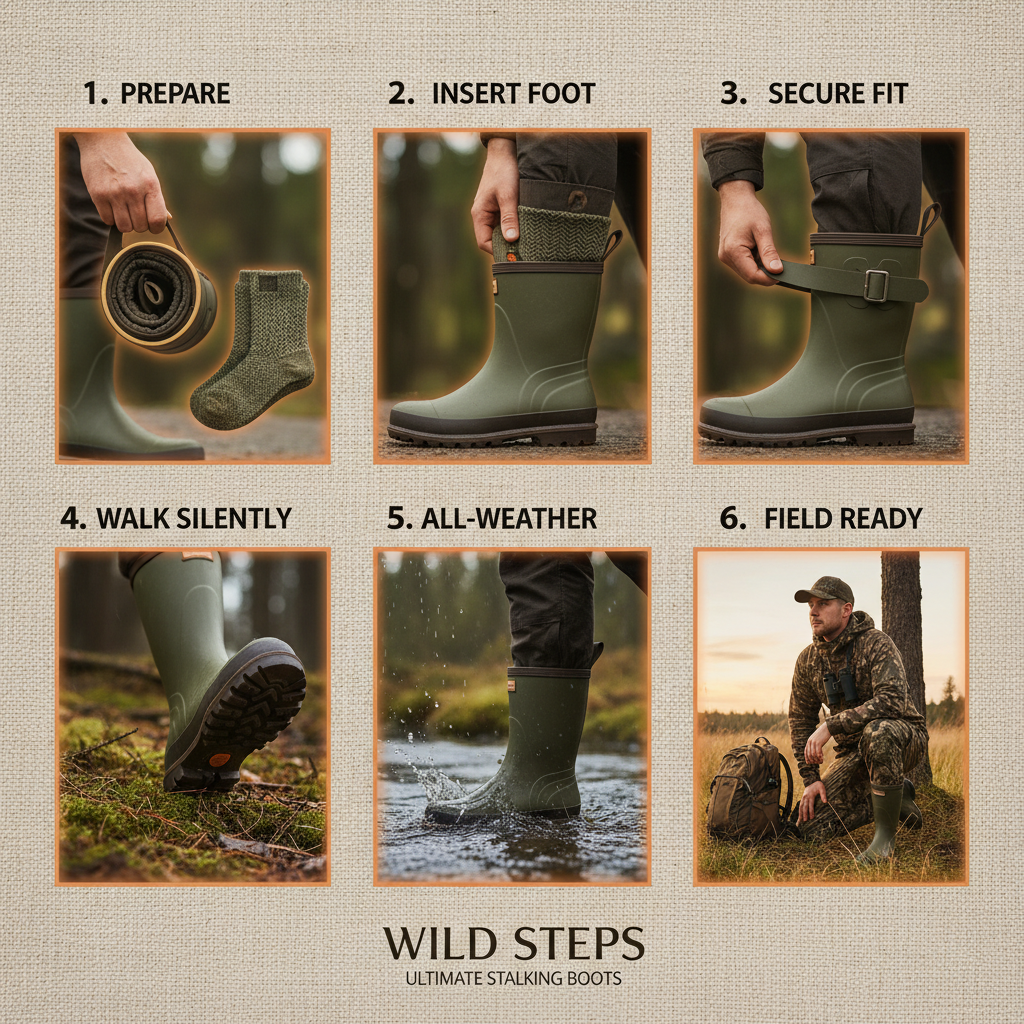
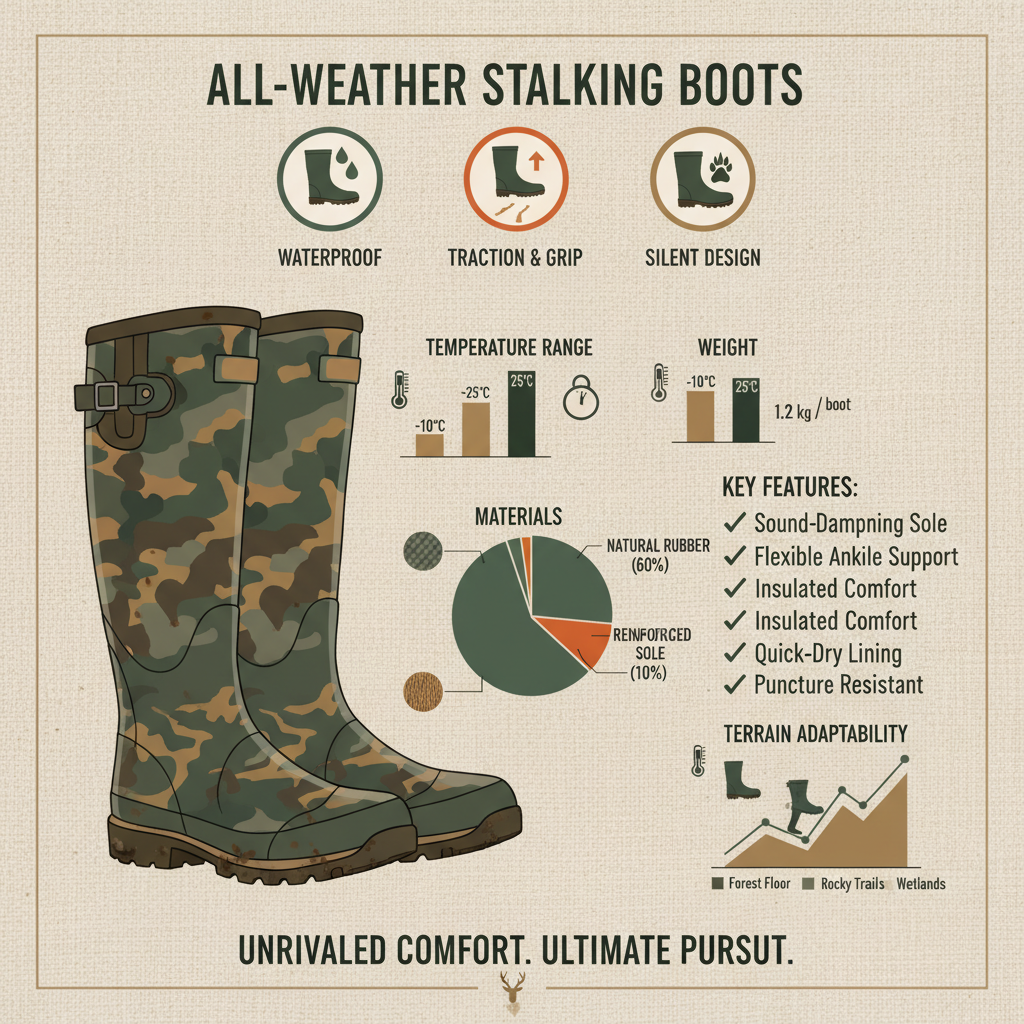
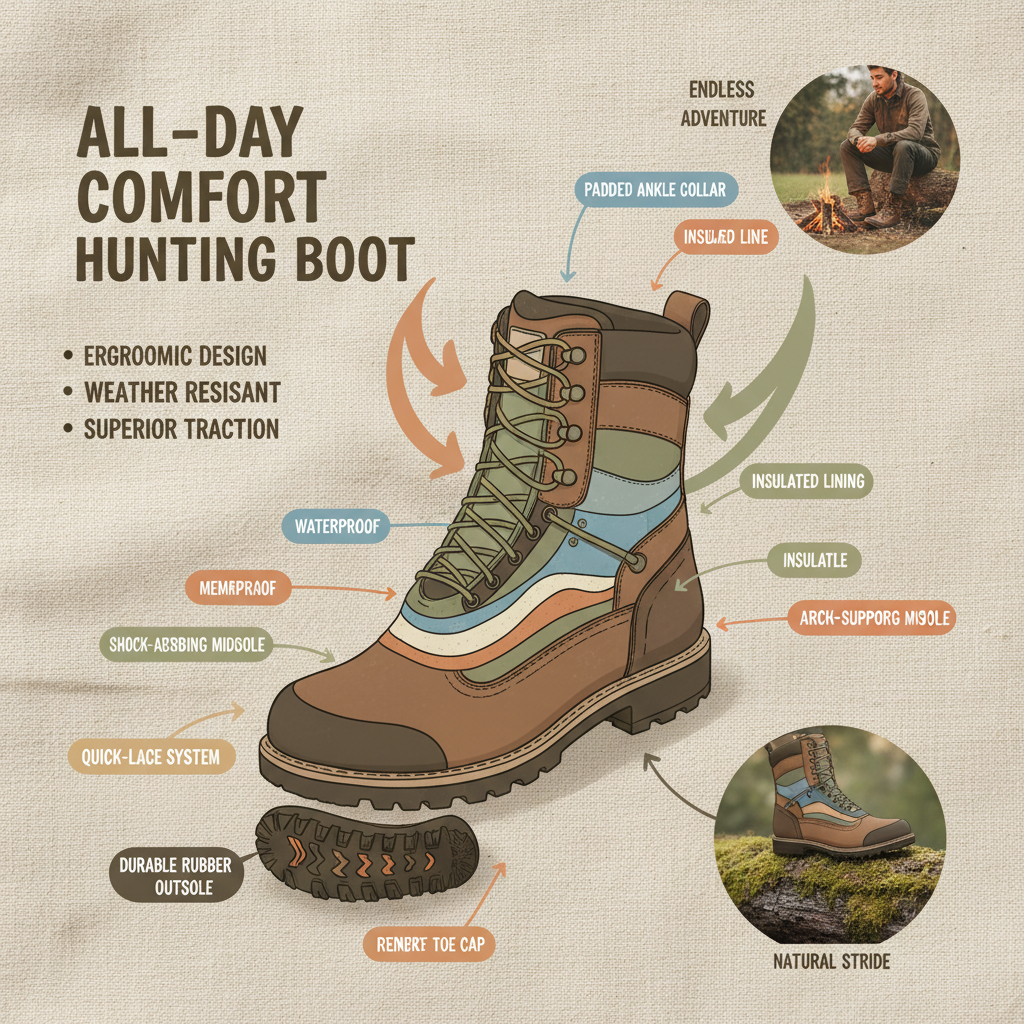
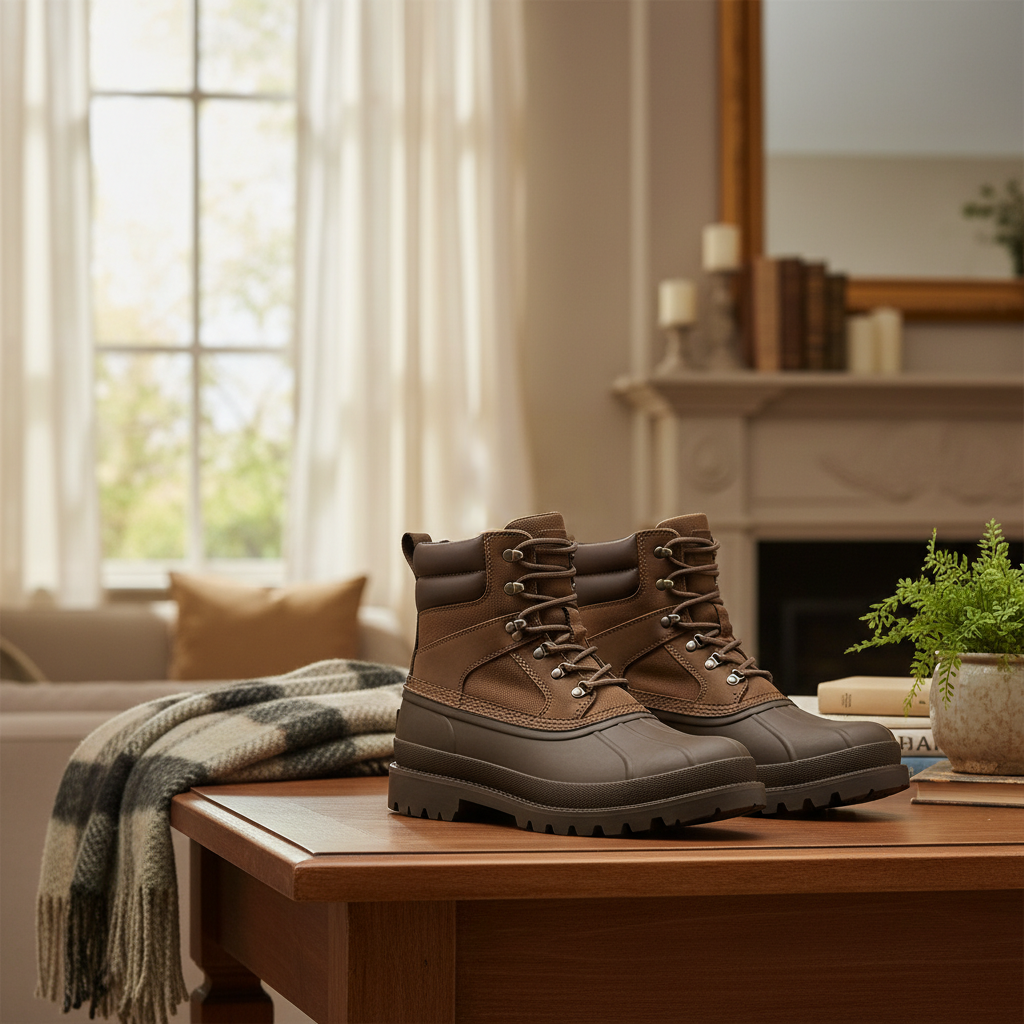
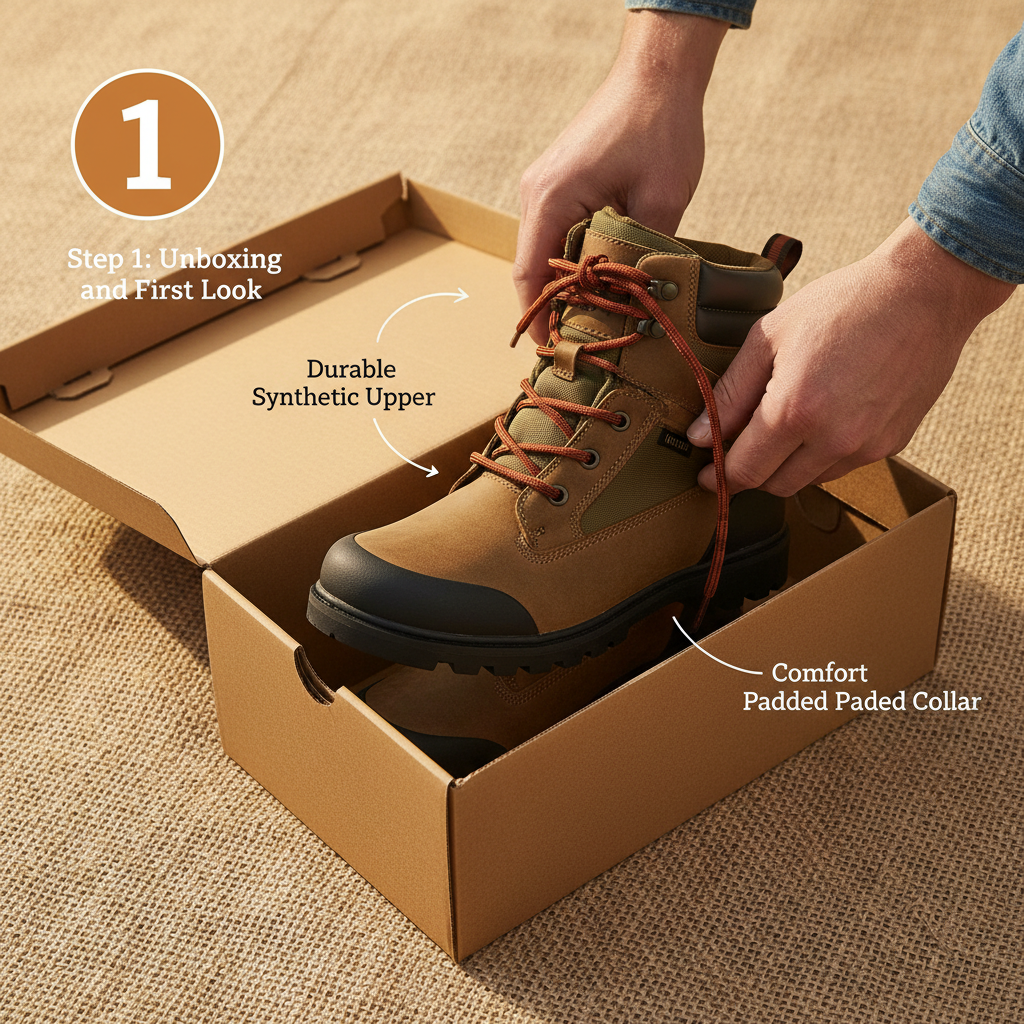
Stalking hunting boots are specialized footwear designed for the unique demands of pursuing game in diverse terrains. They represent a critical piece of equipment for hunters prioritizing stealth, comfort, and durability during extended periods in the field. The effectiveness of a hunt often hinges on the quality and suitability of these boots, making their understanding and selection paramount.
The global market for hunting and outdoor footwear is substantial, driven by a growing interest in hunting, wildlife observation, and outdoor recreational activities. According to industry reports, the global outdoor footwear market was valued at approximately $28.4 billion in 2023 and is projected to reach $37.6 billion by 2032. This growth underscores the consistent demand for specialized boots like stalking hunting boots.
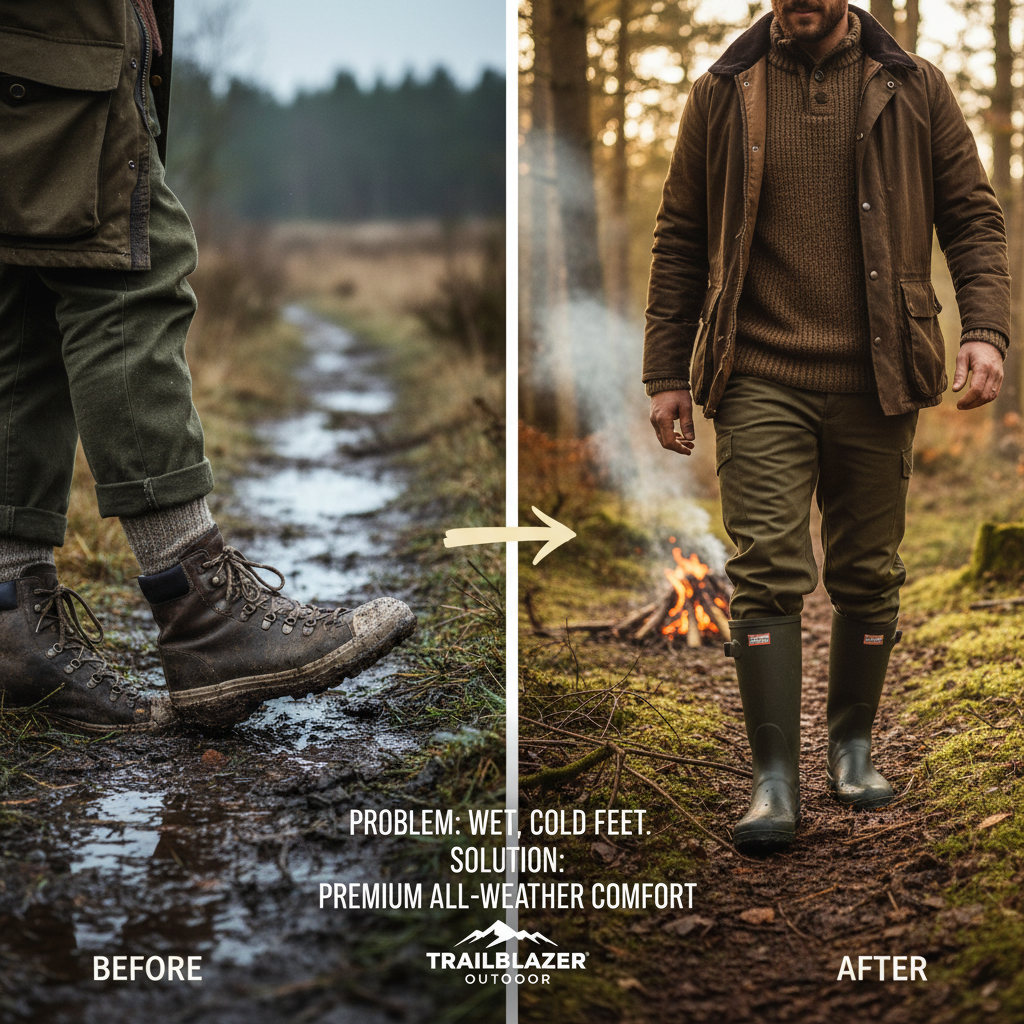
Choosing the right stalking hunting boots addresses challenges such as minimizing noise, providing ankle support on uneven ground, and ensuring waterproof protection against varied weather conditions. Beyond simply facilitating a successful hunt, these boots enhance hunter safety and overall experience.
Defining Stalking Hunting Boots
Stalking hunting boots are specifically engineered to minimize sound during movement, crucial for approaching game undetected. This is achieved through careful selection of materials, sole design, and construction techniques. They differ significantly from general hiking boots, focusing more on silent movement than long-distance comfort.
In a modern context, these boots connect to the growing outdoor recreation industry and the need for specialized equipment tailored to specific pursuits. They address the ethical hunting practice of minimizing disturbance to wildlife while also ensuring hunter safety and effectiveness. The demand for high-quality stalking hunting boots aligns with a broader trend towards responsible and sustainable hunting.
The Global Relevance of Stalking Hunting Boots
The relevance of stalking hunting boots extends far beyond recreational hunting. They are vital tools for wildlife management professionals conducting research and monitoring populations. Conservationists rely on them for tracking animals in challenging environments, requiring durable and silent footwear.
Globally, regions with significant hunting traditions, like North America, Europe, and parts of Africa and Asia, exhibit high demand for these boots. The International Council for Game and Wildlife (ICGW) estimates over 7 million licensed hunters in Europe alone, highlighting a substantial market. Furthermore, the growing popularity of eco-tourism and guided hunts further fuels the need for specialized footwear.
A challenge addressed by stalking hunting boots is the increasing need for quiet and effective movement in environments where wildlife is becoming more wary due to human presence. They enable hunters and professionals to approach animals more closely without causing undue stress, contributing to more accurate data collection and responsible hunting practices.
Core Characteristics of Stalking Hunting Boots
Durability is paramount. Stalking hunting boots are built to withstand the rigors of challenging terrain, including rocks, brush, and uneven surfaces. High-quality materials like full-grain leather or robust synthetic fabrics are essential for long-lasting performance.
Waterproofing is another critical characteristic. Hunters often face unpredictable weather conditions, and wet feet can lead to discomfort, blisters, and even hypothermia. Effective waterproofing, often achieved through waterproof membranes like Gore-Tex, is a must-have feature.
Silent operation is arguably the most defining characteristic. Features like felt or rubber soles designed to minimize noise, along with quiet construction materials, are crucial for approaching game undetected. The boots’ ability to allow for a quiet stride makes all the difference.
Key Performance Indicators of Stalking Hunting Boots
Evaluating stalking hunting boots requires considering several key performance indicators. One crucial factor is noise reduction, measured through sound tests in controlled environments and field evaluations. Lower decibel levels indicate superior stealth capabilities.
Another important metric is ankle support, assessed by testing the boot’s ability to stabilize the foot on uneven terrain. This is vital for preventing injuries during long hunts. Breathability, measured by moisture vapor transmission rates, also plays a role in comfort.
Performance Comparison of Stalking Hunting Boot Methods
Applications Across Hunting Scenarios
In mountainous terrain, stalking hunting boots with high ankle support and aggressive lug patterns provide essential stability and traction. Hunters pursuing big game in challenging landscapes rely heavily on this type of footwear.
For wetland hunting, waterproof and insulated boots are crucial to keep feet dry and warm in submerged conditions. These boots often feature rubber uppers and neoprene linings for superior protection.
Advantages and Long-Term Value
Investing in quality stalking hunting boots offers long-term cost savings by reducing the need for frequent replacements. Durable materials and construction ensure the boots withstand years of use, even under harsh conditions.
Beyond cost savings, these boots enhance hunter safety and success, minimizing the risk of injury and increasing the likelihood of a successful hunt. The comfort and performance they provide contribute to a more enjoyable and rewarding outdoor experience.
Furthermore, responsible sourcing and manufacturing practices align with growing consumer demand for sustainable products, building trust and supporting ethical hunting practices.
Future Trends and Innovations
Innovation in materials is a key trend. Lightweight, yet incredibly durable materials like advanced composites are being explored to reduce boot weight without sacrificing performance. Expect to see more boots incorporating recycled and sustainable materials.
Digital integration is also emerging, with some manufacturers exploring the use of sensors to monitor foot pressure, gait analysis, and environmental conditions. This data can be used to optimize boot design and enhance hunter performance.
The development of more advanced waterproofing technologies, coupled with improved breathability, will continue to be a focus, ensuring hunters stay comfortable and dry in all conditions.
Summary of Stalking Hunting Boot Feature Evaluation
| Feature |
Importance Level (1-10) |
Typical Cost Impact ($) |
Durability Rating (1-10) |
| Waterproofing |
9 |
$50 - $200 |
8 |
| Ankle Support |
8 |
$30 - $150 |
7 |
| Noise Reduction |
10 |
$40 - $180 |
9 |
| Breathability |
7 |
$20 - $100 |
6 |
| Traction |
9 |
$30 - $120 |
8 |
| Overall Comfort |
8 |
$40 - $160 |
7 |
FAQS
Stalking hunting boots prioritize silent movement above all else, utilizing specialized soles and construction to minimize noise. Hiking boots focus more on long-distance comfort and support. Stalking boots often have more aggressive tread patterns for grip and are frequently waterproofed for varied conditions. They generally offer less cushioning than hiking boots to maintain a low profile and enhance ground feel.
Proper fit is crucial. Wear the socks you’d typically hunt in when trying on boots. Ensure there’s about a thumb’s width of space between your longest toe and the end of the boot. Walk around and pay attention to any pressure points or heel slippage. Break-in periods are common, but significant discomfort indicates an improper fit.
Full-grain leather is a classic choice, known for its durability and ability to mold to the foot. Synthetic materials like nylon and polyester offer lighter weight and faster drying times. Waterproof membranes like Gore-Tex are frequently incorporated to provide waterproof protection. Soles are typically made of rubber, often with specialized tread patterns for traction and noise reduction.
Regular cleaning is essential. Remove dirt and debris after each use. Condition leather boots with a leather conditioner to maintain their suppleness and prevent cracking. Store boots in a cool, dry place away from direct sunlight. Waterproofing treatments should be reapplied periodically to maintain their effectiveness.
Insulation depends on the climate and hunting conditions. If you hunt in cold weather, insulated boots are crucial for keeping your feet warm and preventing frostbite. Consider the level of insulation based on the typical temperatures you’ll encounter. For milder conditions, non-insulated boots may be more comfortable.
Felt soles are known for their exceptional quietness on hard surfaces, but they offer limited traction on loose terrain. Rubber soles provide better traction but can be noisier. Many boots utilize a hybrid sole design, combining felt and rubber for a balance of quietness and grip. Vibram soles are also a popular choice for their durability and traction.
Conclusion
In conclusion, stalking hunting boots represent a significant investment for serious hunters and outdoor professionals. Their specialized design addresses the critical needs of stealth, comfort, and durability, enhancing both hunting success and overall safety. Understanding the core characteristics, applications, and future trends of these boots empowers informed decision-making.
The continued innovation in materials and technology promises even more effective and sustainable stalking hunting boots in the future. By prioritizing quality, fit, and proper maintenance, hunters can maximize the lifespan and performance of their boots, ensuring a rewarding and responsible outdoor experience.