Cheap fishing shoes are more than just footwear; they represent accessibility to a beloved pastime for millions worldwide. The global fishing industry, encompassing both recreational and commercial activities, relies on durable and affordable gear, with shoes being a critical component. Understanding the nuances of cheap fishing shoes – from materials and construction to performance and safety – is vital for anglers of all levels, particularly those seeking cost-effective solutions without compromising quality. This guide dives deep into this often-overlooked aspect of fishing, providing a comprehensive overview.
The demand for affordable fishing footwear stems from the widespread popularity of fishing across diverse socioeconomic backgrounds. With a growing global population and increasing interest in outdoor recreation, the market for cheap fishing shoes is substantial and continually evolving. Data from the UN estimates over 59.6 million people are directly engaged in the fishing and aquaculture industries, while recreational fishing attracts hundreds of millions more participants annually, creating a significant need for affordable equipment.
Finding the right pair of cheap fishing shoes can significantly improve comfort, safety, and overall fishing experience. However, “cheap” doesn’t necessarily mean sacrificing performance. Today’s market offers a range of options utilizing innovative materials and designs, catering to diverse fishing environments and preferences. This exploration will equip you with the knowledge to select the best cheap fishing shoes for your needs.
Introduction to Cheap Fishing Shoes
Cheap fishing shoes aren't just about a low price tag; they're about making fishing accessible to everyone. Anglers on a budget shouldn’t have to compromise on essential safety features or comfort. These shoes are designed to withstand the unique demands of the fishing environment—wet conditions, slippery surfaces, and potential hazards—without breaking the bank.
Understanding the different materials and features available in cheap fishing shoes can help anglers make informed decisions. From rubber soles for grip to quick-drying fabrics for comfort, a variety of options exist to suit different fishing styles and preferences. Properly selected cheap fishing shoes can enhance performance, prevent injuries, and extend the enjoyment of the sport.
Defining Cheap Fishing Shoes
Cheap fishing shoes are specifically designed footwear intended for use during fishing activities, offered at a more affordable price point than high-end or specialized fishing boots. They typically prioritize key features like water resistance, non-slip soles, and durability, without incorporating advanced technologies or premium materials. These shoes are often made from synthetic materials like rubber, nylon, and polyester, offering a balance of functionality and affordability.
The definition of “cheap” is relative, but generally refers to shoes priced under $75-$100. They cater to a broad spectrum of anglers, from casual recreational fishers to those who fish occasionally, providing a practical solution for protecting feet and enhancing grip in wet and slippery conditions. Cheap fishing shoes serve as a gateway to the sport for beginners or those seeking a cost-effective alternative to expensive boots.
Compared to waders or high-end fishing boots, cheap fishing shoes represent a more minimal investment, making fishing accessible to a wider audience. They connect to the modern need for affordable outdoor recreation and promote participation in a healthy and enjoyable activity.
Key Factors of Cheap Fishing Shoes
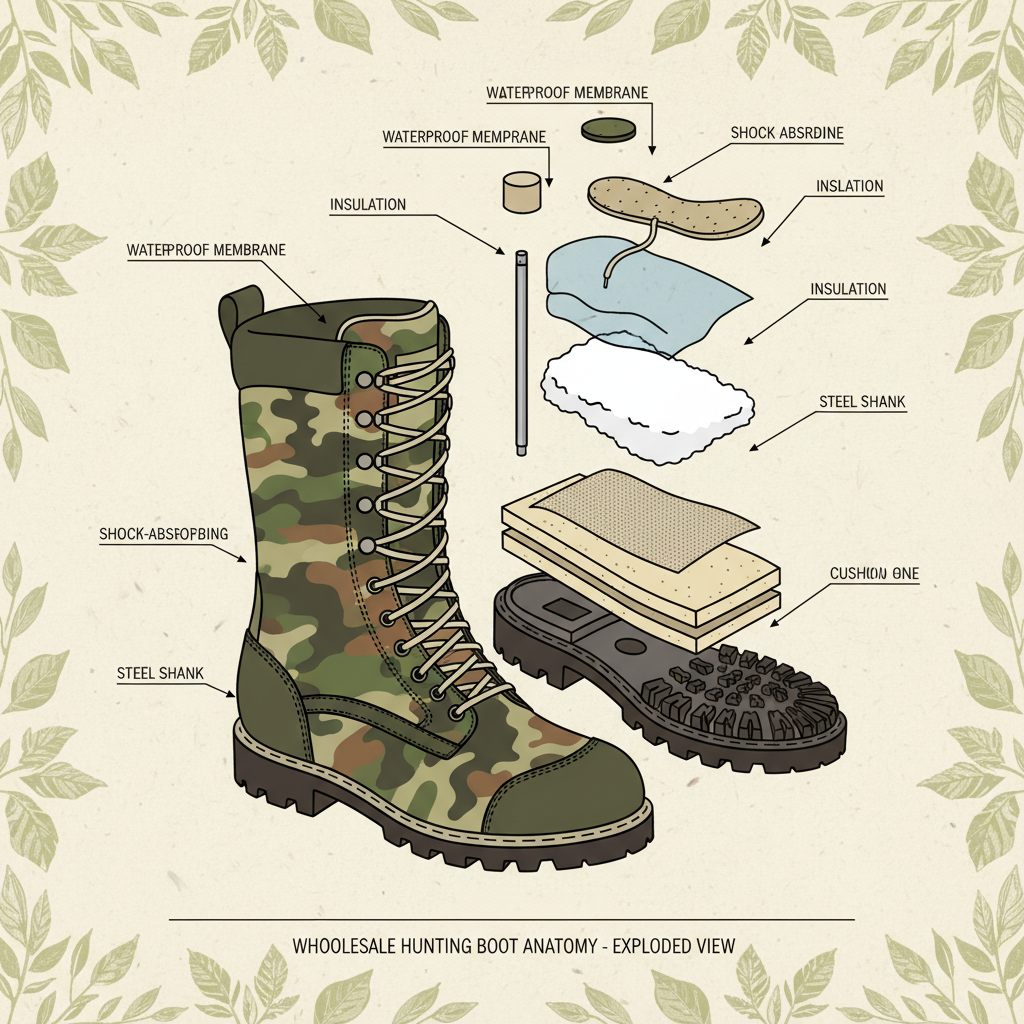
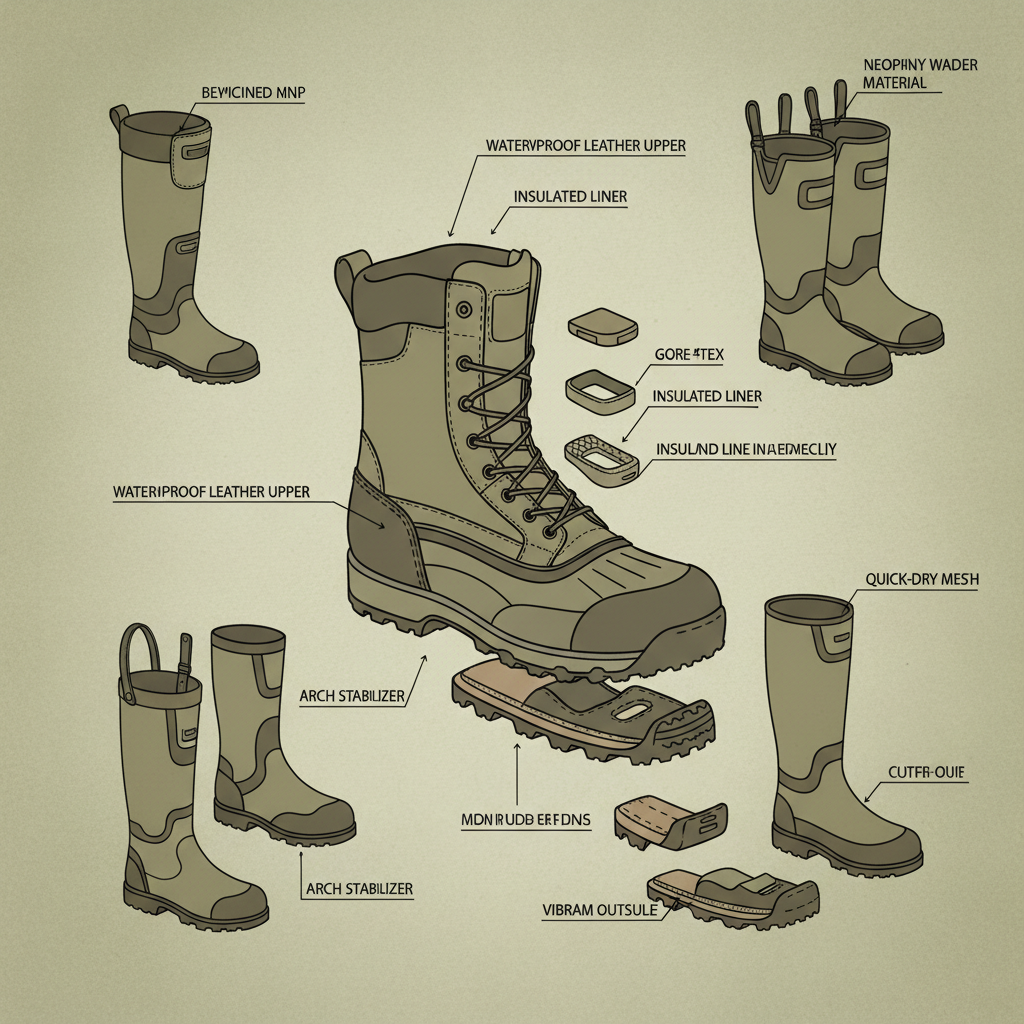
Several key factors contribute to the functionality and value of cheap fishing shoes. Water Resistance is paramount, preventing waterlogging and keeping feet dry and comfortable. This is often achieved through water-resistant materials and sealed seams. Grip and Traction are crucial for safety on slippery surfaces like rocks and boat decks, typically provided by specialized rubber outsoles with aggressive tread patterns.
Durability is another essential factor, ensuring the shoes can withstand the wear and tear of frequent use in harsh environments. This is influenced by the quality of materials and construction techniques. Comfort is often achieved through padded insoles and breathable uppers, minimizing fatigue during long fishing sessions. Lightweight Design further enhances comfort and maneuverability, especially when wading or walking long distances.
Finally, Drainage is a key consideration. Good cheap fishing shoes allow water to escape quickly, preventing the shoes from becoming heavy and uncomfortable. This is often achieved through strategically placed drain holes. These factors collectively determine the overall performance and value of cheap fishing shoes.
Applications of Cheap Fishing Shoes
Cheap fishing shoes find application in a diverse range of fishing scenarios. They are ideal for casual freshwater fishing in lakes and rivers, where wading is common, and the risk of deep water immersion is low. They're also popular for bank fishing, providing comfortable and secure footing on uneven terrain.
Beyond freshwater environments, they’re frequently used for saltwater fishing from piers, jetties, and beaches. Their water resistance and quick-drying properties are particularly beneficial in these marine environments. In post-disaster relief operations, particularly those involving coastal communities reliant on fishing, affordable, durable footwear like cheap fishing shoes can be essential.
They’re also a valuable asset for kayak and canoe fishing, providing grip and stability while maneuvering on the water. They're a popular choice for anglers in remote industrial zones, like fish farms and processing plants, where wet and slippery conditions are common.
Cheap Fishing Shoes Performance by Feature
Advantages of Affordable Fishing Footwear
The primary advantage of cheap fishing shoes is, undoubtedly, their cost-effectiveness. They allow anglers to participate in the sport without a significant financial investment. This accessibility extends the enjoyment of fishing to a wider demographic. Moreover, many models offer surprisingly good durability for the price, providing a solid return on investment.
From a sustainability perspective, the affordability of these shoes encourages more responsible gear turnover. Anglers are more likely to replace worn-out shoes, preventing the use of damaged or unsafe footwear. They also often have a lower environmental impact than more expensive, complex boots, as they use fewer specialized materials.
Future Trends in Cheap Fishing Shoes
Future trends in cheap fishing shoes will likely focus on incorporating more sustainable materials. Expect to see increased use of recycled plastics and plant-based alternatives in shoe construction, reducing the environmental footprint of production. Digital printing and on-demand manufacturing could also lower costs and enable greater customization.
Another emerging trend is the integration of smart technologies, such as embedded sensors for tracking foot health and providing feedback on fishing technique. While these features might initially be found in higher-end models, they’re likely to trickle down to cheaper options as technology becomes more accessible.
Advancements in materials science are also expected to lead to the development of more durable and water-resistant fabrics at lower costs, further enhancing the performance and value of cheap fishing shoes.
Challenges & Solutions for Cheap Fishing Shoes
A common challenge with cheap fishing shoes is finding the right balance between affordability and quality. Lower-priced materials can sometimes compromise durability and performance. Another challenge is ensuring adequate support and cushioning for prolonged use. A significant challenge is the lack of consistent quality control across different brands and manufacturers.
Solutions involve seeking out brands with a proven track record for quality, even within the affordable price range. Reading reviews and comparing features is crucial. Furthermore, advancements in synthetic materials and construction techniques are constantly improving the quality and durability of cheaper options.
Addressing quality control requires greater transparency in manufacturing processes and stricter adherence to safety standards. Encouraging consumer feedback and promoting ethical sourcing practices can also help ensure consistent quality in the cheap fishing shoe market.
Summary of Cheap Fishing Shoe Quality Assessment Criteria
| Material Quality |
Sole Durability |
Water Resistance Level |
Comfort & Support |
| Synthetic Fabric Blend |
Rubber Tread Pattern |
Water-Resistant Coating |
Basic Insole Padding |
| Reinforced Nylon Upper |
Aggressive Lug Sole |
Durable Water Repellent (DWR) |
Molded Footbed |
| Polyester Mesh |
Non-Marking Rubber Outsole |
Splash Resistance |
Minimalist Design |
| Recycled Polyester |
Enhanced Grip Rubber |
Waterproof Membrane (Limited) |
Removable Insole |
| Canvas Upper |
Flat Rubber Sole |
No Water Resistance |
Basic Footbed |
| Ripstop Nylon |
Multi-Directional Tread |
Quick-Drying Material |
Ankle Support (Low) |
FAQS
Cheap fishing shoes are specifically engineered for wet and slippery conditions. They typically feature rubber outsoles with aggressive tread patterns for superior grip, quick-drying materials to minimize water retention, and often provide some level of water resistance. Regular sneakers lack these specialized features and can become slippery and uncomfortable when wet.
It's generally recommended to choose a half size larger than your typical shoe size to accommodate thicker socks and potential foot swelling during extended use. Check the manufacturer's sizing chart, as sizes can vary between brands. Consider trying on shoes with the type of socks you'll be wearing while fishing.
Many cheap fishing shoes are suitable for saltwater fishing, provided they are made with corrosion-resistant materials. Look for shoes with rubber outsoles and synthetic uppers that won’t rust or degrade quickly in saltwater. Rinse the shoes thoroughly with fresh water after each use to prevent salt buildup.
The lifespan of cheap fishing shoes depends on the frequency and intensity of use, as well as the quality of the materials. With proper care, a well-maintained pair of cheap fishing shoes can last for one to three fishing seasons. Regular cleaning and drying are essential for maximizing their lifespan.
Clean your cheap fishing shoes with mild soap and water after each use. Remove any dirt or debris with a soft brush. Rinse thoroughly and allow the shoes to air dry completely, away from direct sunlight or heat. Avoid using harsh chemicals or abrasive cleaners, as these can damage the materials.
While primarily designed for fishing, cheap fishing shoes can also be used for other water-related activities such as kayaking, canoeing, and boating. Their water resistance, grip, and quick-drying properties make them suitable for various outdoor adventures. However, they may not offer the same level of support or cushioning as dedicated hiking or running shoes.
Conclusion
In conclusion, cheap fishing shoes represent an accessible and practical solution for anglers seeking reliable footwear without a hefty price tag. They offer a compelling combination of water resistance, grip, durability, and comfort, making them suitable for a wide range of fishing environments and activities. By understanding the key factors to consider when choosing cheap fishing shoes, anglers can make informed decisions and enhance their overall fishing experience.
Looking ahead, advancements in materials science and sustainable manufacturing practices are poised to further improve the quality and affordability of cheap fishing shoes. We encourage anglers to explore the available options, prioritize safety and comfort, and contribute to a more sustainable fishing industry by choosing responsibly sourced and durable footwear.