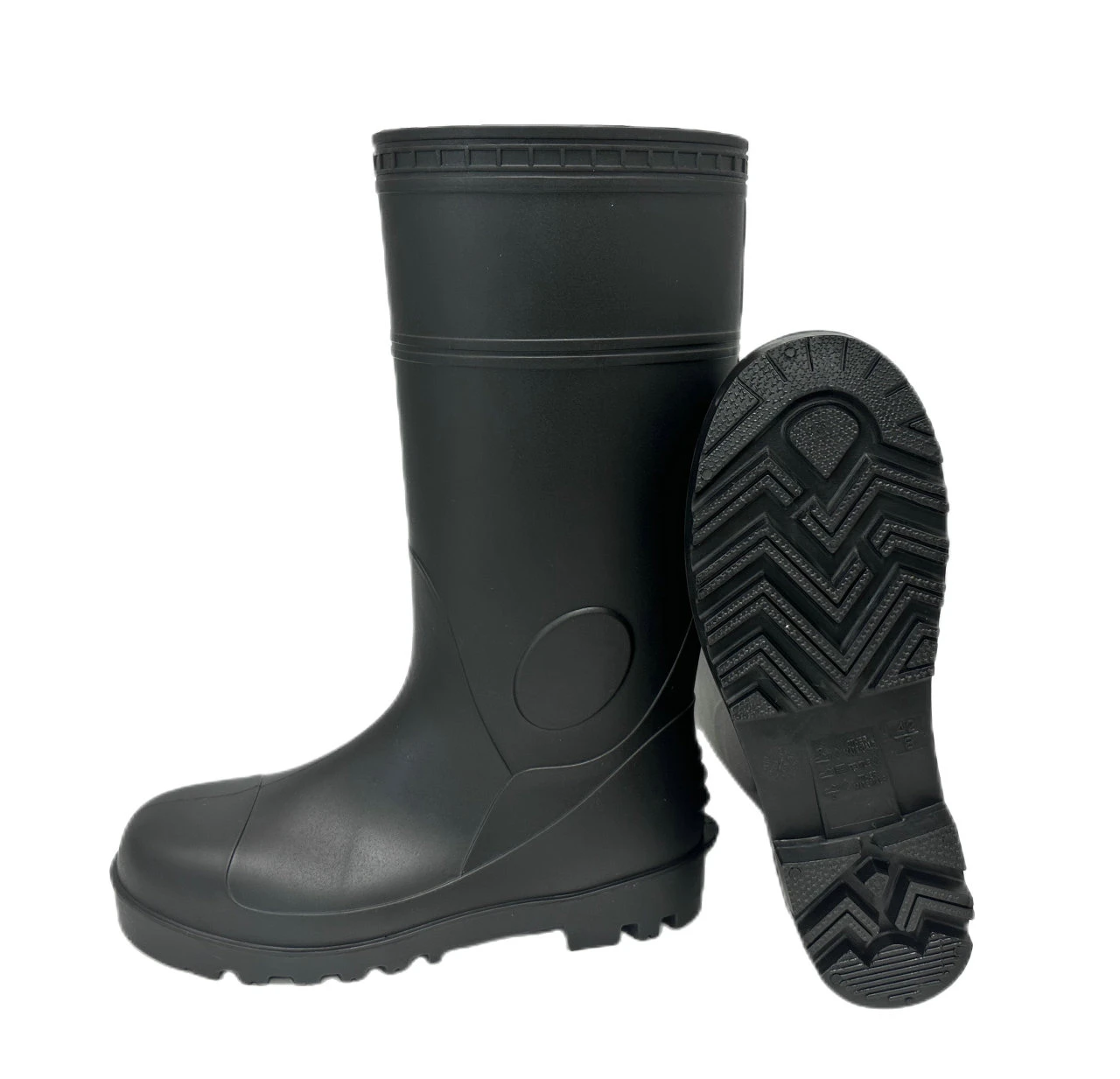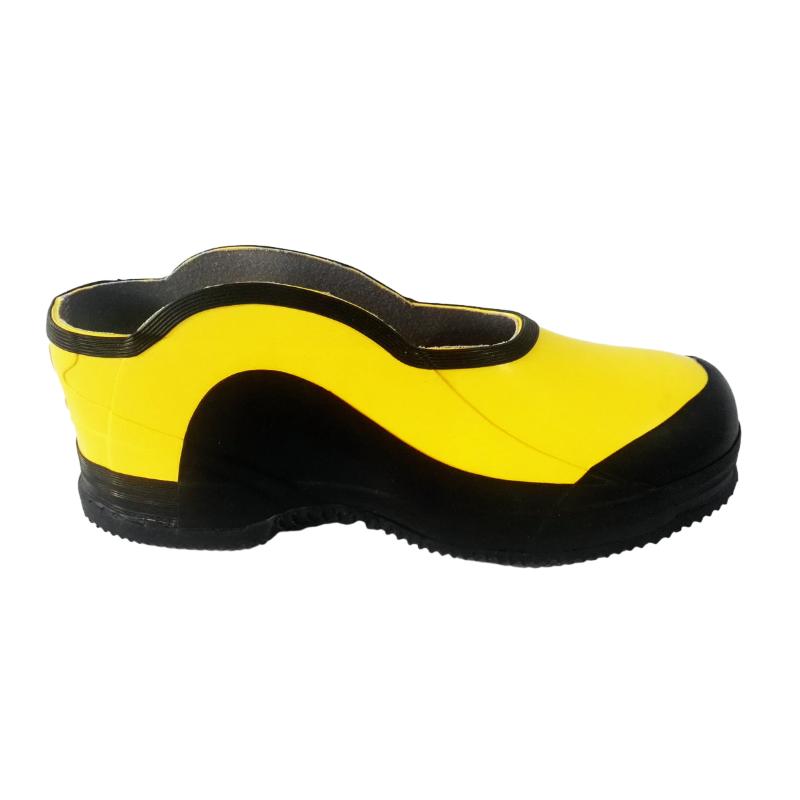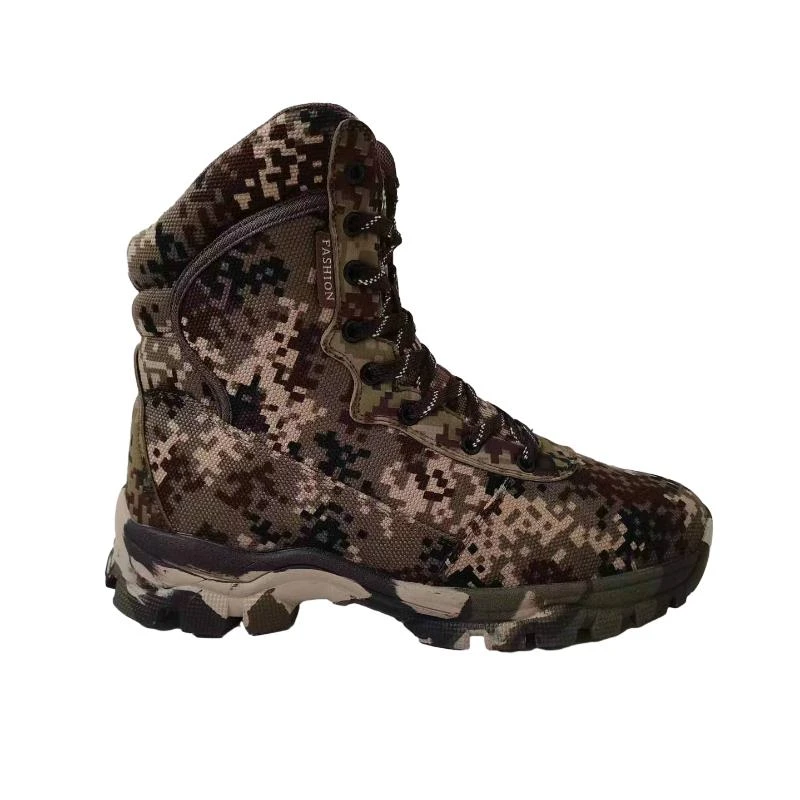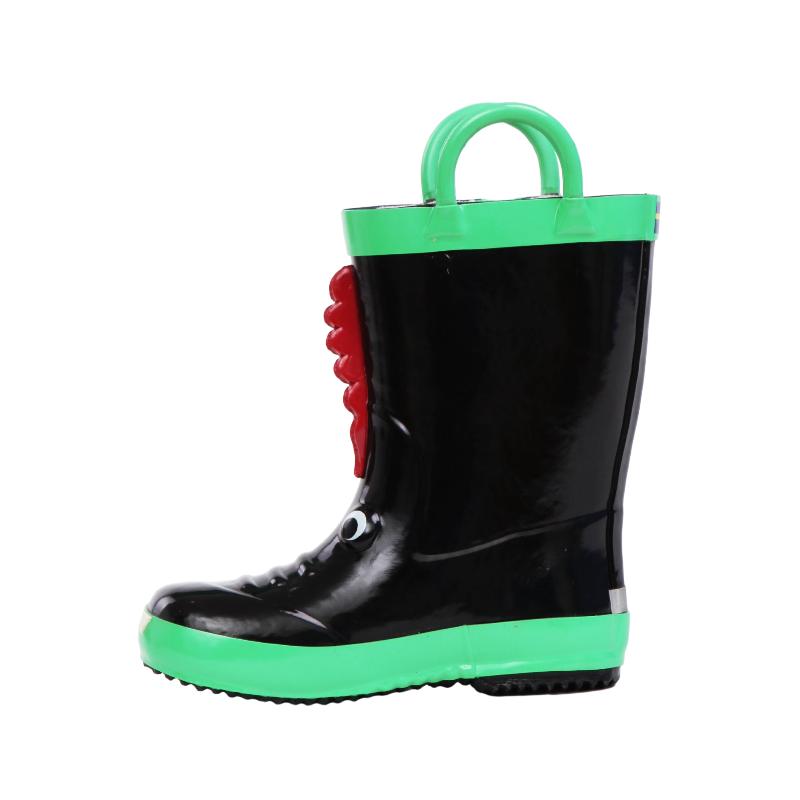



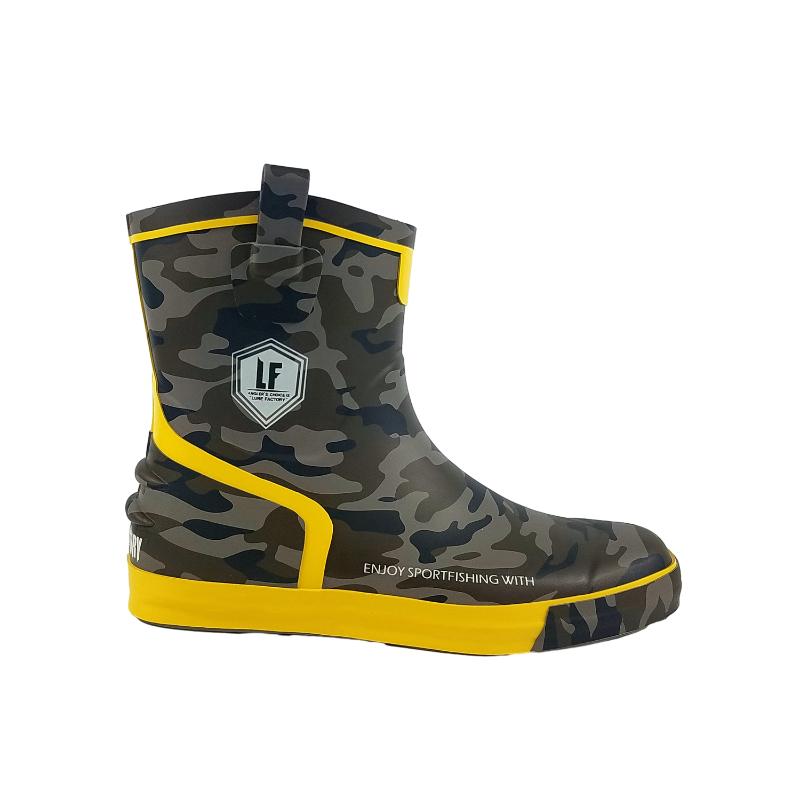
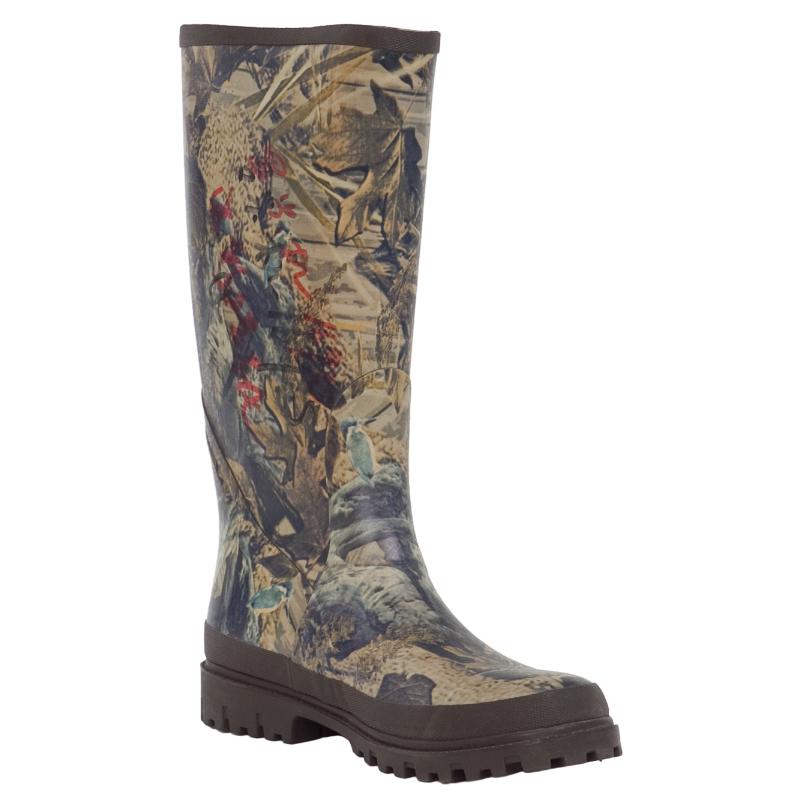
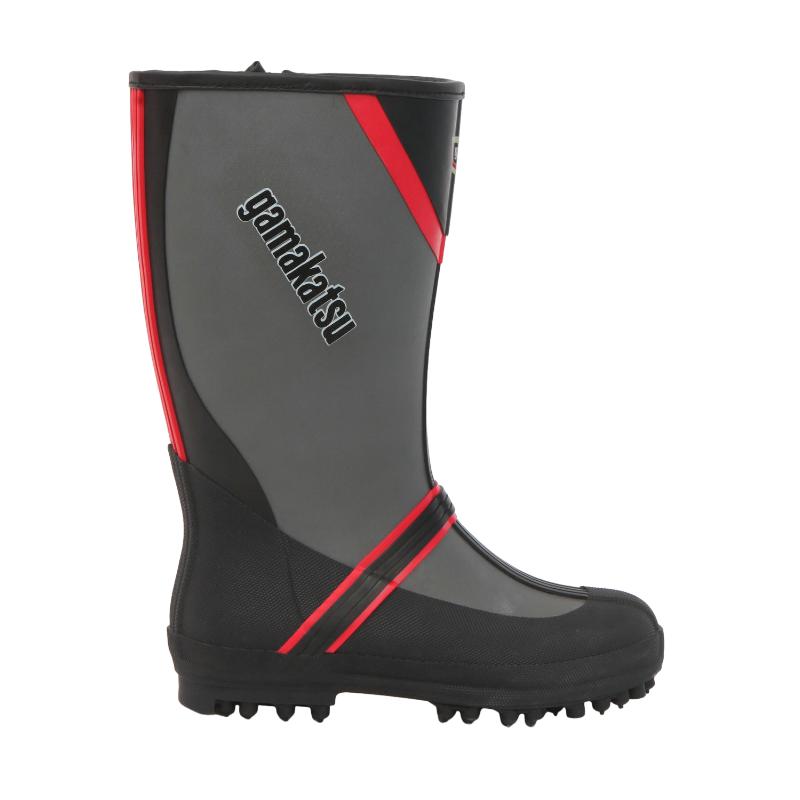
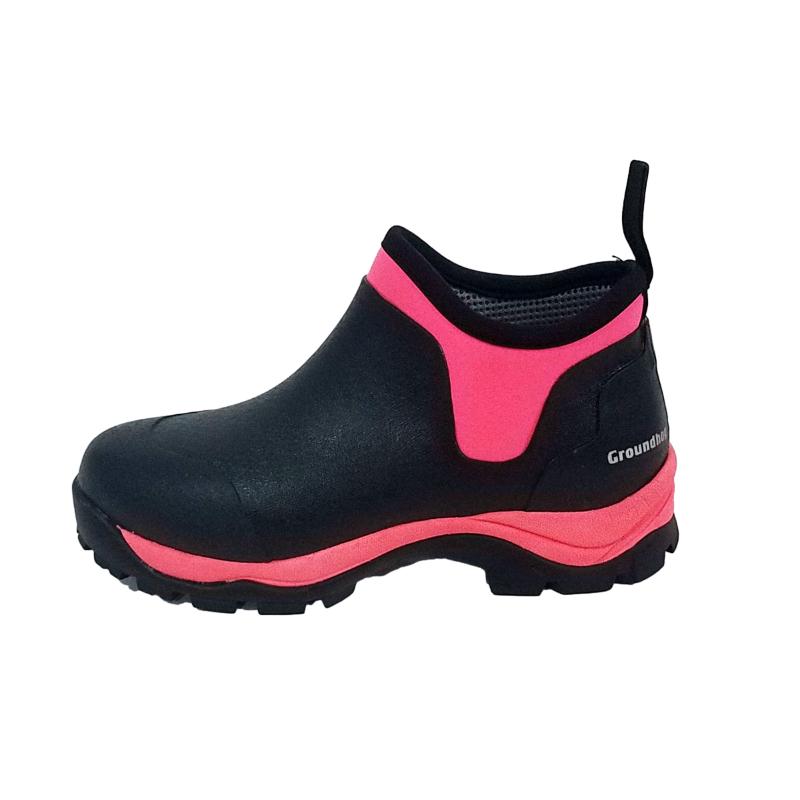
Chile's unique geography—stretching from the arid Atacama Desert to the glaciated fjords of the south—creates a fragmented demand for footwear. The local market relies heavily on imports for technical gear like hunting and fishing hiking boots, as indigenous manufacturing often focuses on urban or basic agricultural footwear rather than high-spec textile-leather hybrids.
The rugged nature of the Andean foothills requires footwear that can withstand extreme temperature swings and abrasive volcanic rock. This has led to a surge in professional requirements for deer stalking boots that offer silent movement and superior ankle support, bridging the gap between heavy-duty industrial boots and lightweight athletic gear.
Furthermore, the presence of diverse fauna and humid marshlands in the southern regions has increased the necessity for snake proof rubber boots. The current market state is shifting toward "hybridization," where leather durability meets breathable synthetic textiles to reduce fatigue during long-distance treks.