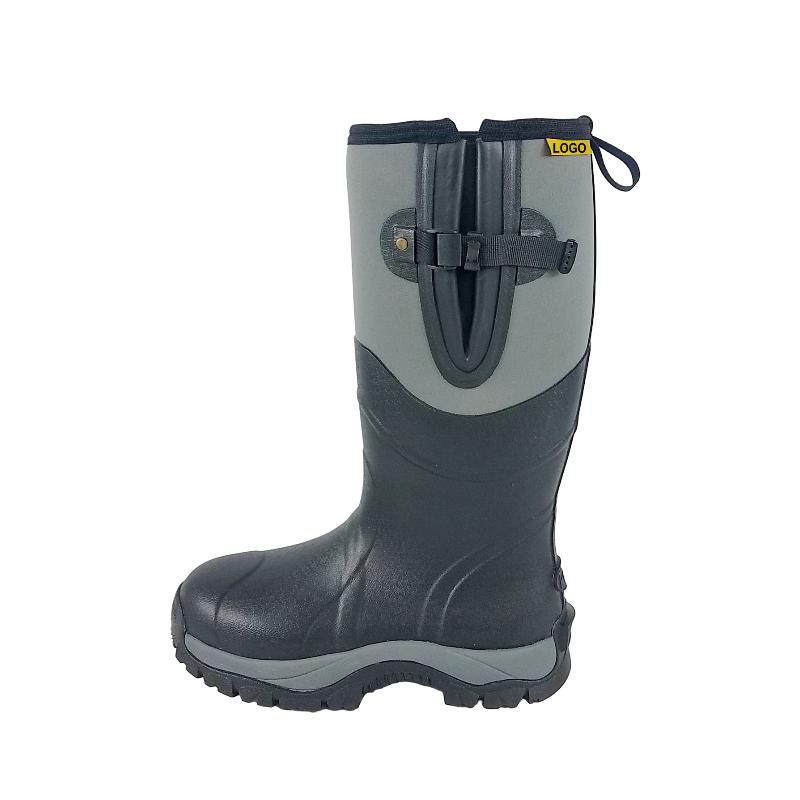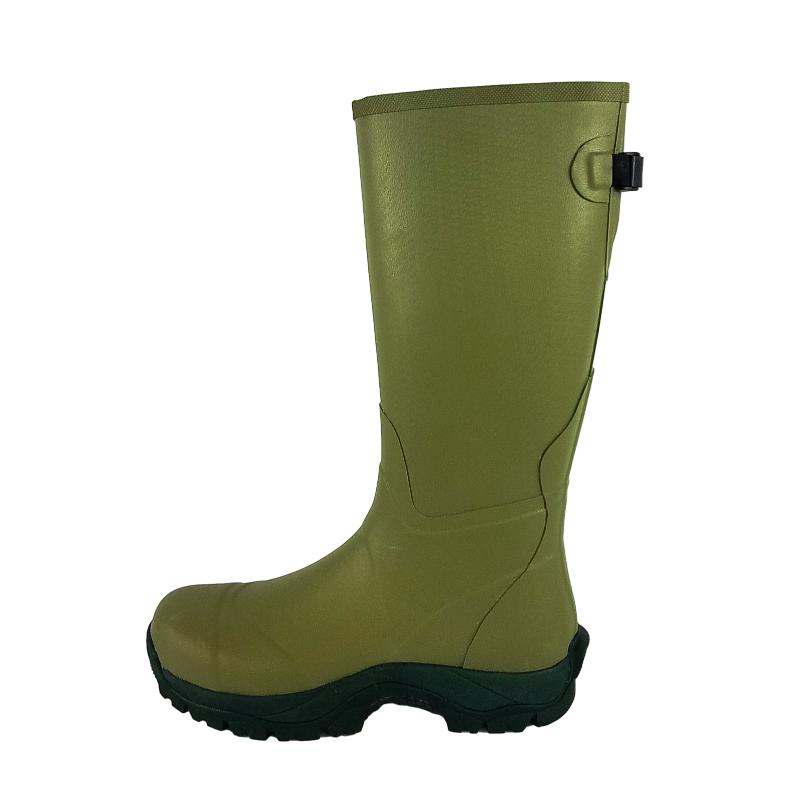


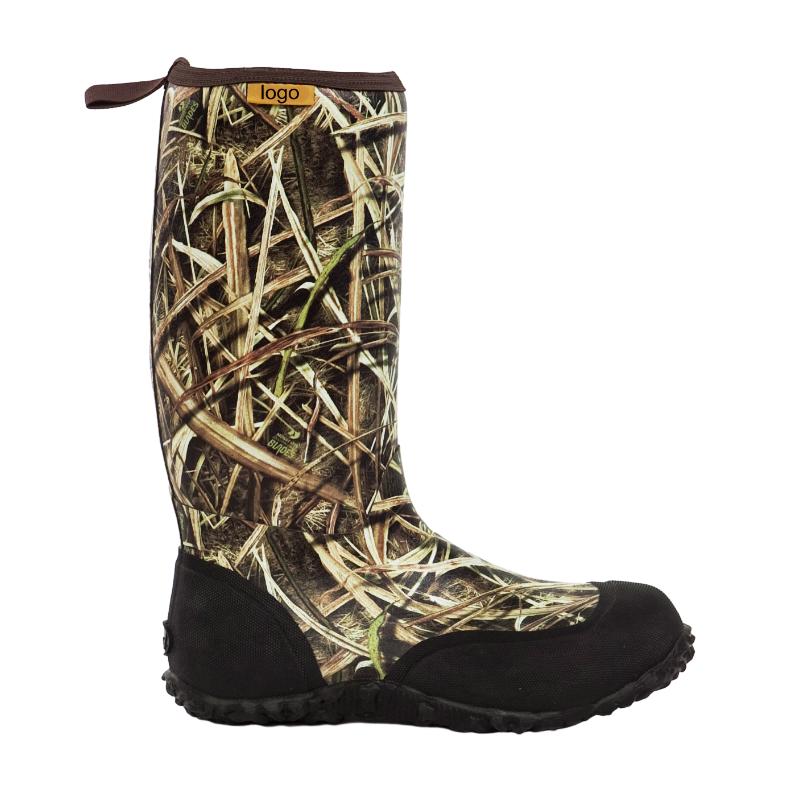
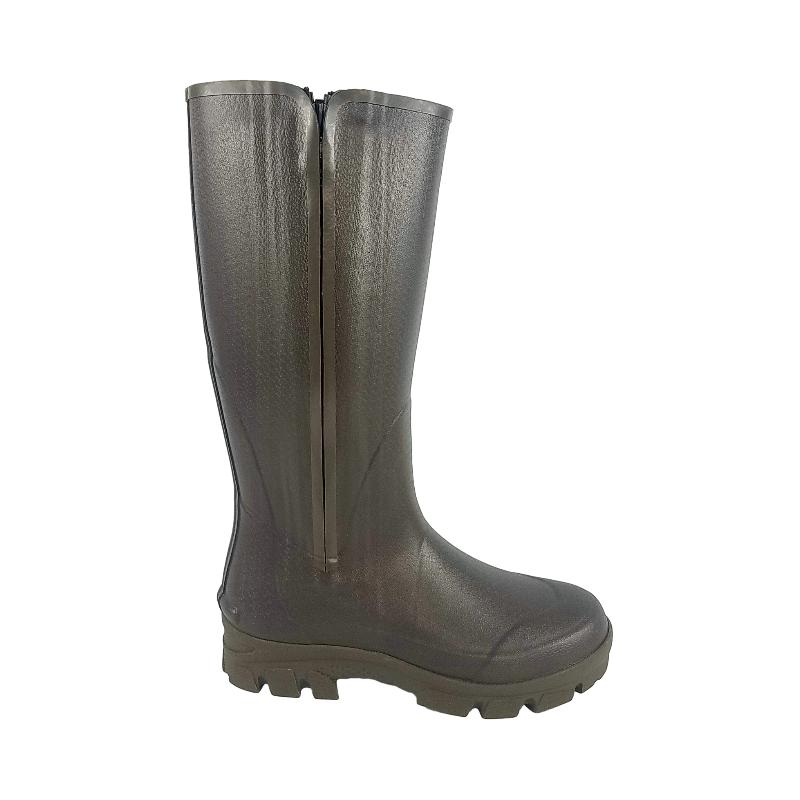
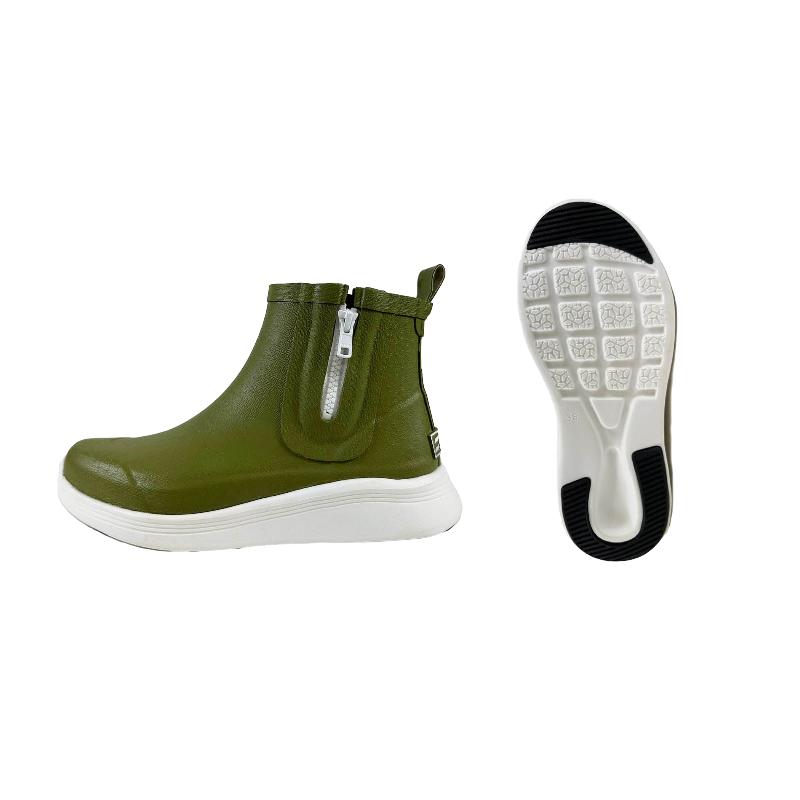
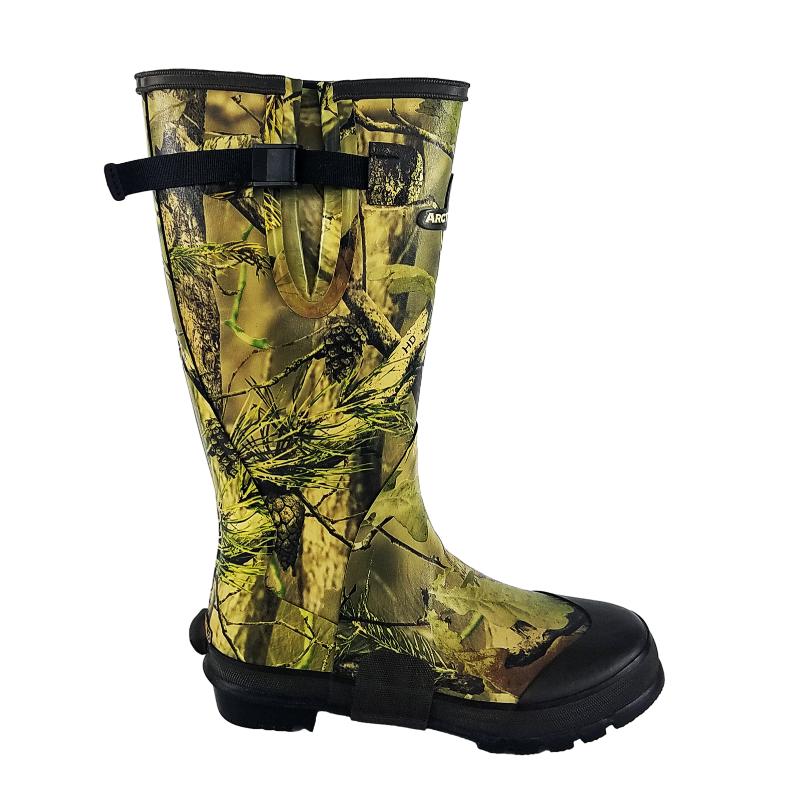
High-Performance snake proof rubber boots for Ecuador's Diverse Terrains

Engineering professional-grade textile and leather footwear designed to conquer the Amazon basin and Andean highlands with unmatched durability.

High-Performance snake proof rubber boots for Ecuador's Diverse Terrains

Our advanced footwear solutions integrate aerospace-grade textiles and reinforced leather to provide Ecuador's outdoor professionals and enthusiasts with ultimate protection against humidity, rugged terrain, and biological hazards.

Current Footwear Landscape in Ecuador

Analyzing the intersection of extreme geography and industrial textile needs.

Ecuador presents a unique challenge for the footwear industry due to its stark contrast between the humid Oriente region and the high-altitude Andes. Traditional leather boots often fail in the rainforest due to rapid hydrolysis and fungal decay, creating a critical demand for hybrid hunting and fishing hiking boots that combine synthetic waterproofing with leather breathability.

In the agricultural and wildlife sectors, there is a significant shift toward specialized safety gear. The prevalence of venomous species in the lowlands has turned the requirement for snake proof rubber boots from a luxury to a mandatory safety standard for field researchers and farmers.

Furthermore, the rise of eco-tourism in the Galápagos and Cloud Forests is driving the demand for lightweight, high-traction mountain hunting boots that can handle slippery volcanic rock and dense undergrowth without sacrificing ankle stability.
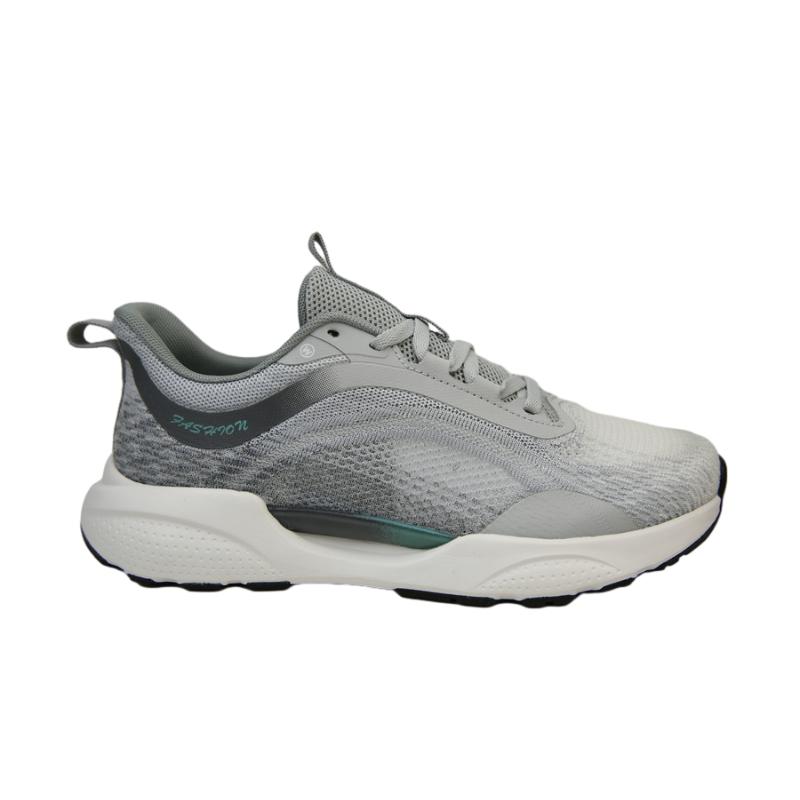
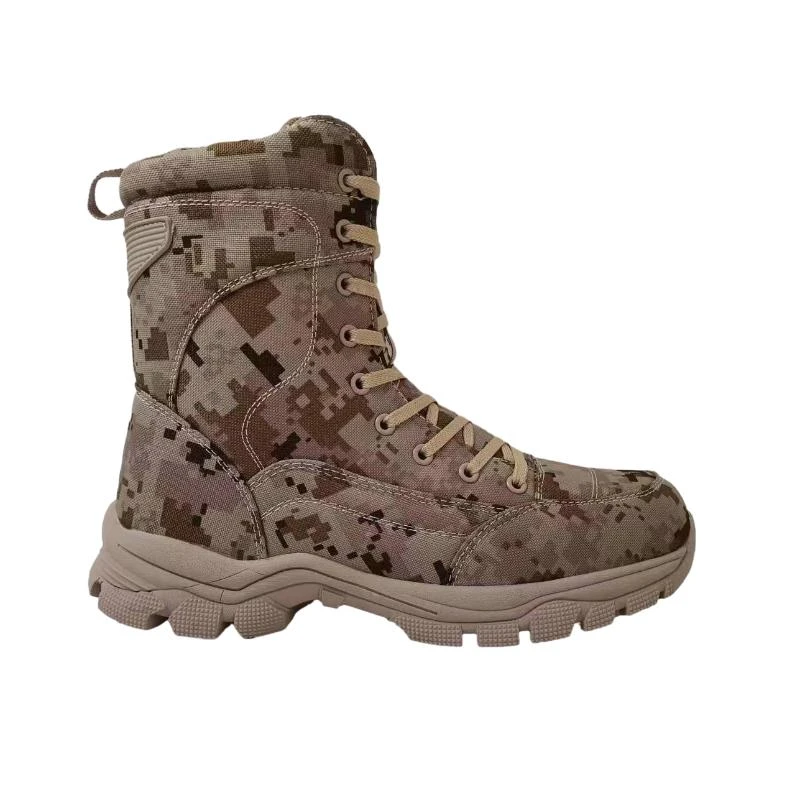
Evolution of Textile Footwear Manufacturing

From artisanal leather craft to precision polymer engineering.

Market Development History

Prior to 2010, the Ecuadorian market relied heavily on heavy-duty rubber galoshes and traditional tanned leather. These provided basic waterproofing but lacked ergonomic support and breathability, leading to high rates of foot fatigue during long treks in the Andes.

Between 2010 and 2020, the integration of Gore-Tex style membranes and TPU (Thermoplastic Polyurethane) reinforcements revolutionized the industry. This era saw the introduction of deer stalking boots that utilized silent-step technology and moisture-wicking liners, catering to a growing niche of professional trackers.

From 2020 to the present, the focus has shifted toward "Bio-Mechanical Optimization." The use of 3D-knitted textiles combined with puncture-resistant Kevlar layers has allowed for the creation of specialized gear like women's upland boots that offer anatomical fit without compromising on rugged durability.

Future Development Trends

Smart-Material Integration

The next phase involves phase-change materials (PCM) that adapt to the drastic temperature swings between the Ecuadorian coast and the peaks of Chimborazo.

Eco-Circular Manufacturing

A shift toward biodegradable polymers and recycled ocean plastics in the midsole construction to align with Ecuador's strict environmental conservation laws.

AI-Driven Ergonomics

Using pressure-map data from Andean hikers to create customized arch supports integrated directly into the textile weave of the boot.

Industry Trends & Future Outlook

Predicting the next frontier of outdoor footwear technology.

Nano-Coating Waterproofing
Moving beyond membranes to molecular-level hydrophobic coatings that prevent mud adhesion in rainforests.
Hyper-Light Alloys
Integrating lightweight composite shanks to reduce fatigue during steep Andean ascents.
Adaptive Traction Soles
Dual-density rubber lugs that provide grip on both wet riverbeds and dry volcanic scree.
Puncture-Proof Textiles
Advanced weaving patterns that stop thorns and sharp rocks without increasing boot weight.

Industry Outlook

Google search trends indicate a 25% year-over-year increase in "waterproof breathable hiking gear" within the South American region. This suggests a transition from purely functional work-wear to professional-grade outdoor equipment that supports both labor and leisure.

The future of the textile footwear industry in Ecuador will be defined by the "Hybridization" of materials—where the strength of leather meets the versatility of synthetic fabrics to create a product that is lightweight yet indestructible.

Localized Application Scenarios in Ecuador

Precision footwear for specific Ecuadorian ecological zones.

1. Amazon Basin Field Research

Utilizing snake proof rubber boots for biologists and explorers navigating the dense, damp undergrowth of the Yasuní National Park, where moisture protection and bite prevention are critical.

2. Andean Highland Trekking

Deploying mountain hunting boots for high-altitude excursions around Cotopaxi, providing the necessary ankle support and thermal insulation for freezing temperatures.

3. Coastal Mangrove Exploration

Applying hunting and fishing hiking boots for coastal patrols and fishing expeditions, ensuring salt-water resistance and grip on slippery mudflats.

4. Upland Game Tracking

Employing deer stalking boots for professional guides in the cloud forests, where silent movement and camouflage textiles are essential for wildlife observation.

5. Women's Outdoor Professionalism

Integrating women's upland boots for female agricultural engineers and environmentalists who require a specific anatomical fit for long-duration field work.

Brand Story

Global Development Journey of Baoding Landwalk Outdoor Products Co., Ltd.

Foundational Engineering

Established with a focus on solving the "Durability Gap" in outdoor footwear, combining traditional craftsmanship with modern textile science.

Material Innovation

Developed proprietary bonding techniques that allow rubber and leather to fuse without seams, eliminating leak points in extreme wet conditions.

Global Expansion

Expanded operations to South America, tailoring boot specifications to the unique biodiversity and terrain of regions like Ecuador.

Sustainability Pivot

Integrated recycled textiles and eco-friendly tanning processes to reduce the carbon footprint of high-performance footwear.

Industry Leadership

Recognized as a leading provider of specialized hunting and hiking footwear, solving pain points for the world's most demanding explorers.

Professional Footwear Portfolio for Ecuador

A comprehensive range of solutions from rainforest protection to mountain endurance.

Ecuador Footwear Technical FAQ

Expert answers to common regional footwear challenges.

How do snake proof rubber boots perform in the Amazon humidity?

Our boots use non-porous polymer compounds that prevent moisture absorption and are treated with anti-fungal coatings to resist decay in high-humidity environments.

Are mountain hunting boots suitable for volcanic terrain?

Yes, they feature high-friction rubber outsoles specifically engineered to grip porous volcanic rock and loose scree commonly found in the Andes.

What makes hunting and fishing hiking boots different from standard hikers?

They incorporate dual-zone waterproofing—completely impermeable lower sections for water crossing and breathable textile uppers for temperature regulation.

Do deer stalking boots provide enough stealth for wildlife observation?

Our stalking series uses soft-compound rubber and textile dampeners to minimize sound impact during movement on dry leaves and twigs.

Are women's upland boots designed for heavy agricultural use?

Absolutely. They combine a feminine anatomical last with the same industrial-grade leather and textile reinforcements used in our professional men's line.

How should I maintain leather boots in Ecuador's wet climate?

We recommend cleaning mud immediately and using a silicone-based water repellent to maintain the integrity of the textile and leather bonds.

Ready to Upgrade Your Gear?

Get in touch with our technical specialists to find the perfect footwear solution for the unique challenges of Ecuador.

Contact Us Now

If you are interested in our products, you can choose to leave your information here, and we will be in touch with you shortly.