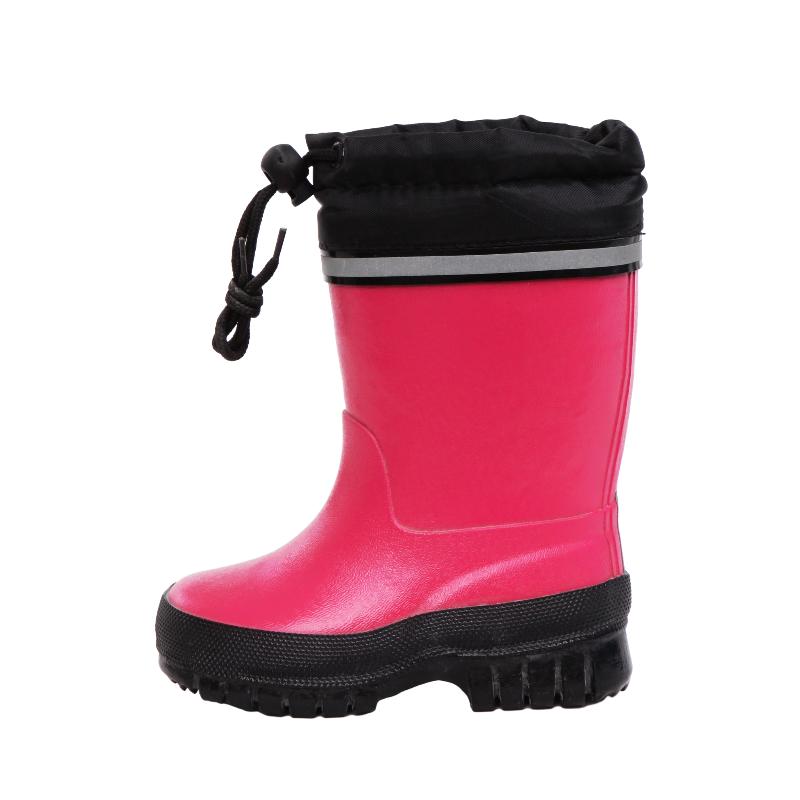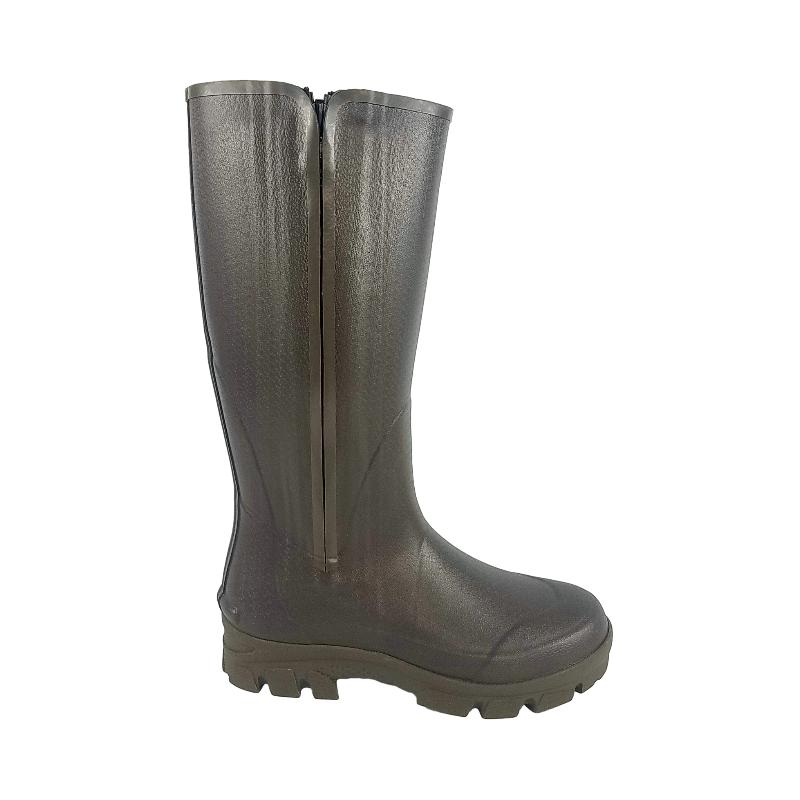


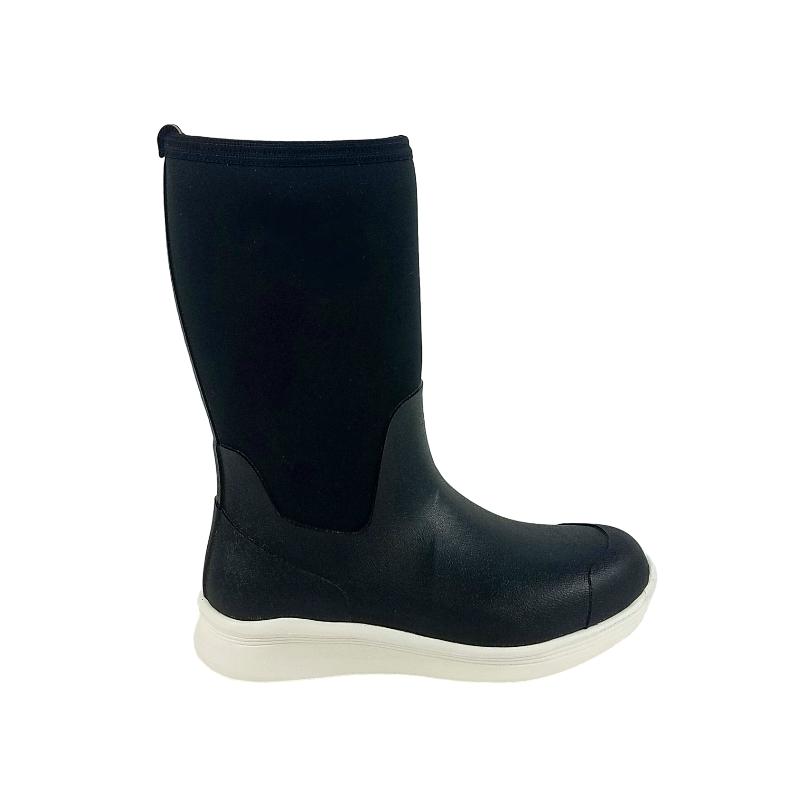
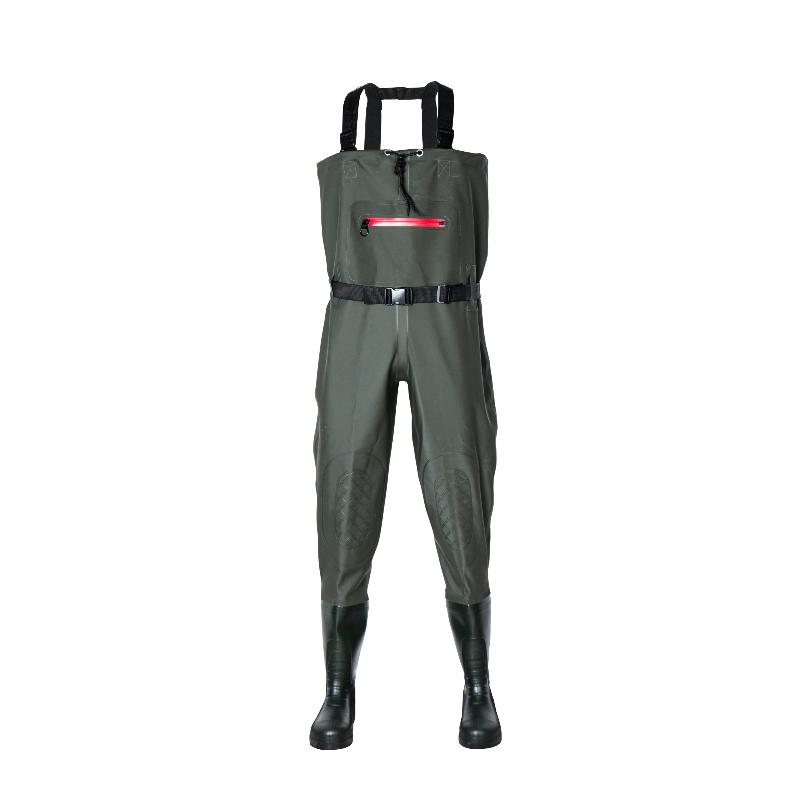
Premium Performance snake proof rubber boots for Uruguay's Rugged Terrain

Engineering high-durability textile and leather footwear tailored for the diverse ecosystems of Uruguay, from the humid pampas to the coastal wetlands.

Premium Performance snake proof rubber boots for Uruguay's Rugged Terrain

Our advanced textile-leather hybrid footwear solutions provide maximum protection and comfort for outdoor professionals and enthusiasts across Uruguay.

Footwear Manufacturing Landscape in Uruguay

Analyzing the intersection of agricultural demand and textile innovation in South America.

Uruguay's geography is dominated by rolling plains and extensive wetlands, creating a high demand for specialized footwear that can withstand constant moisture and abrasive soils. The local market traditionally relied on heavy leather, but there is a growing shift toward technical textile blends to improve breathability and weight reduction.

The prevalence of diverse wildlife and the intensity of the agricultural sector make snake proof rubber boots an essential safety requirement for field workers and hunters. Current manufacturing trends in the region are focusing on integrating puncture-resistant polymers within traditional rubber molds.

Economic shifts toward eco-tourism and sustainable hunting practices have increased the demand for high-end mountain hunting boots, forcing manufacturers to adopt E-E-A-T compliant quality standards to compete with international imports.
Evolution of Textile Footwear Engineering

From artisanal leathercraft to high-performance synthetic integration.

Market Development History

Between 1990 and 2010, the Uruguayan footwear industry was characterized by traditional leather tanning and heavy-sole construction, primarily serving the cattle industry with basic waterproof boots.

From 2010 to 2020, the introduction of breathable membranes and synthetic textiles revolutionized the sector. This era saw the rise of hunting and fishing hiking boots that combined the durability of leather with the agility of modern textiles.

Since 2020, the focus has shifted toward "smart materials," incorporating antimicrobial linings and precision-molded midsoles to support long-duration trekking in the diverse Uruguayan countryside.

Future Development Trends

Sustainable Bio-Polymers

The industry is moving toward biodegradable rubber and recycled textile fibers to reduce the environmental footprint of large-scale footwear production.

Adaptive Ergonomics

Integration of 3D scanning for customized fit, specifically for women's upland boots to ensure anatomical support during rigorous outdoor activities.

Advanced Thermal Regulation

Development of phase-change materials (PCM) that allow boots to adapt to Uruguay's varying seasonal temperatures, maintaining optimal foot climate.

Industry Trends and Future Outlook

Projecting the next 3-5 years of footwear technology in South America.

Material Hybridization
Merging high-tensile textiles with reinforced leather to create lighter, stronger boots for extreme conditions.
Eco-Conscious Production
Implementation of closed-loop water recycling in the textile dyeing and leather tanning processes.
Nano-Coating Technology
Applying hydrophobic nano-layers to textile surfaces for superior water-repellency without sacrificing airflow.
Digital Supply Chains
Leveraging AI to predict demand peaks for seasonal hunting boots, reducing overproduction waste.

Industry Outlook

The trajectory for the Uruguayan footwear sector is moving toward specialized "niche" engineering. As the global search for technical outdoor gear increases, local manufacturers are pivoting toward high-margin, high-protection products like deer stalking boots that offer acoustic stealth and superior grip.

We anticipate that the integration of smart-sensors for foot pressure analysis will become standard in the premium segment, ensuring that professional hunters and hikers in the South American region experience zero fatigue during multi-day expeditions.

Localized Application Scenarios in Uruguay

Optimizing footwear performance for specific Uruguayan terrains and activities.

1. Wetland Fishing in the East Coast

Utilizing hunting and fishing hiking boots in the humid coastal regions where salt-water resistance and waterproof textile membranes are critical for maintaining foot dryness.

2. High-Altitude Trekking in Cuchilla Grande

Deploying mountain hunting boots to navigate the rocky ridges and uneven elevations, requiring maximum ankle support and high-traction rubber lugs.

3. Pampa Field Inspections

Applying snake proof rubber boots for agricultural workers traversing tall grasslands where protection against venomous species is a non-negotiable safety standard.

4. Forested Game Tracking

Using specialized deer stalking boots for silent movement through the underbrush of the native forests, emphasizing soft-sole technology for acoustic dampening.

5. Upland Bird Hunting

Implementing women's upland boots designed specifically for female hunters, providing the necessary agility and lightweight structure for long walks across the open fields.

Brand Story

Global Development Journey of Baoding Landwalk Outdoor Products Co., Ltd.

Industrial Foundations

Started as a specialized workshop focusing on the marriage of durable leather and early synthetic textiles for industrial safety.

Technical Breakthroughs

Developed proprietary waterproof-breathable membranes that solved the "sweaty foot" problem in high-humidity environments.

Global Expansion

Entered the South American market, optimizing boot designs for the unique climatic challenges of regions like Uruguay.

Diversification of Range

Expanded into specialized categories, including puncture-proof rubber and gender-specific upland footwear.

Sustainability Commitment

Leading the shift toward eco-friendly materials without compromising the extreme durability required for professional outdoor use.

Comprehensive Outdoor Footwear Portfolio for Uruguay

A curated selection of textile and leather boots designed for the Uruguayan landscape.

Uruguay Footwear Technical FAQ

Expert answers to common questions regarding textile footwear in South America.

How do snake proof rubber boots perform in Uruguay's humid climate?

Our boots utilize non-porous vulcanized rubber combined with moisture-wicking interior textile linings, ensuring they remain waterproof externally while preventing internal condensation during high humidity.

What makes mountain hunting boots suitable for the Cuchilla ranges?

They feature reinforced ankle collars and deep-lugged soles designed for maximum grip on slippery shale and rocky terrains common in the Uruguayan highlands.

Are women's upland boots different from standard hiking boots?

Yes, they are engineered with a narrower heel cup and a different arch support profile to match female anatomy, reducing blister risk during long-distance upland trekking.

How to maintain hunting and fishing hiking boots after use in salt water?

We recommend rinsing with fresh water to remove salt deposits and applying a textile-safe hydrophobic spray to maintain the integrity of the waterproof membrane.

Do deer stalking boots provide actual acoustic stealth?

Our stalking boots use a specialized soft-density rubber compound in the outsole that absorbs impact noise, making them significantly quieter on dry leaves and twigs.

What textile materials are used for puncture resistance in rubber boots?

We integrate high-denier Kevlar-blend textiles within the rubber walls, creating a composite barrier that prevents punctures from fangs or sharp thorns.

Get Expert Footwear Solutions

Looking for industrial-grade textile footwear for your operations in Uruguay? Our engineers are ready to provide a customized solution tailored to your specific terrain.

Contact Us Now

If you are interested in our products, you can choose to leave your information here, and we will be in touch with you shortly.