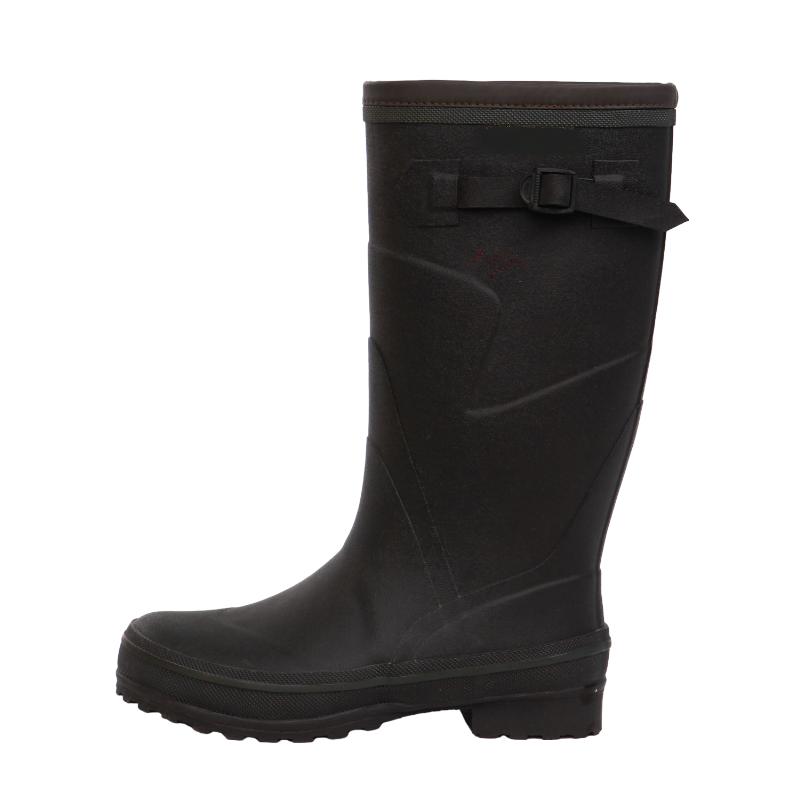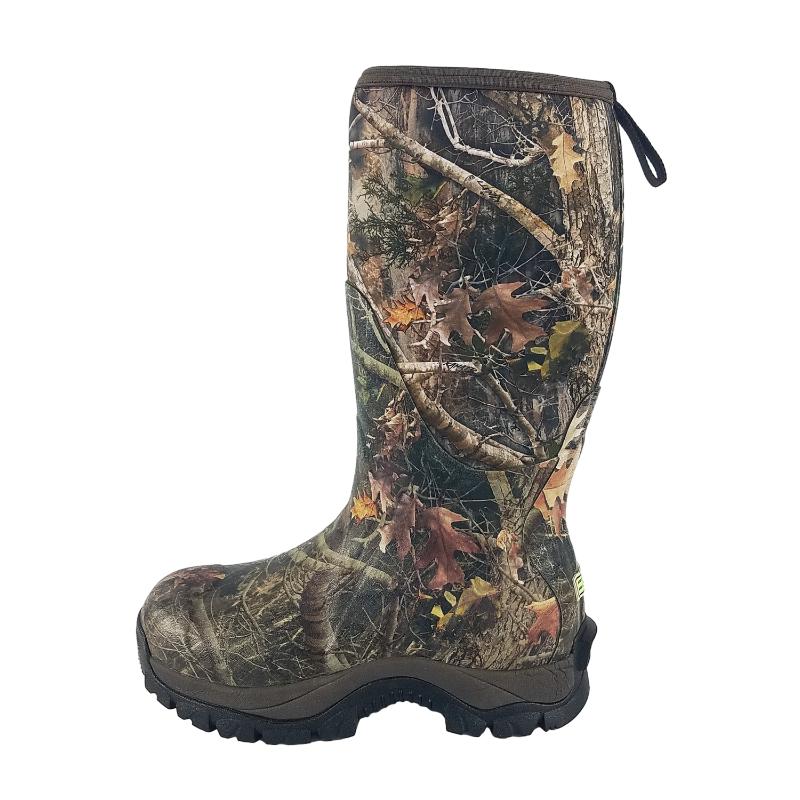


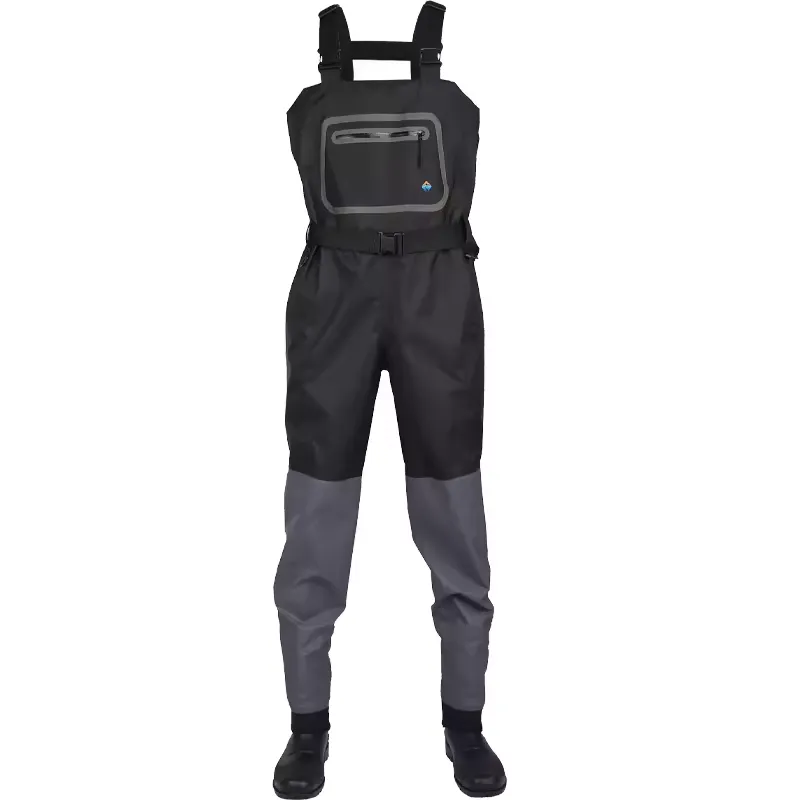
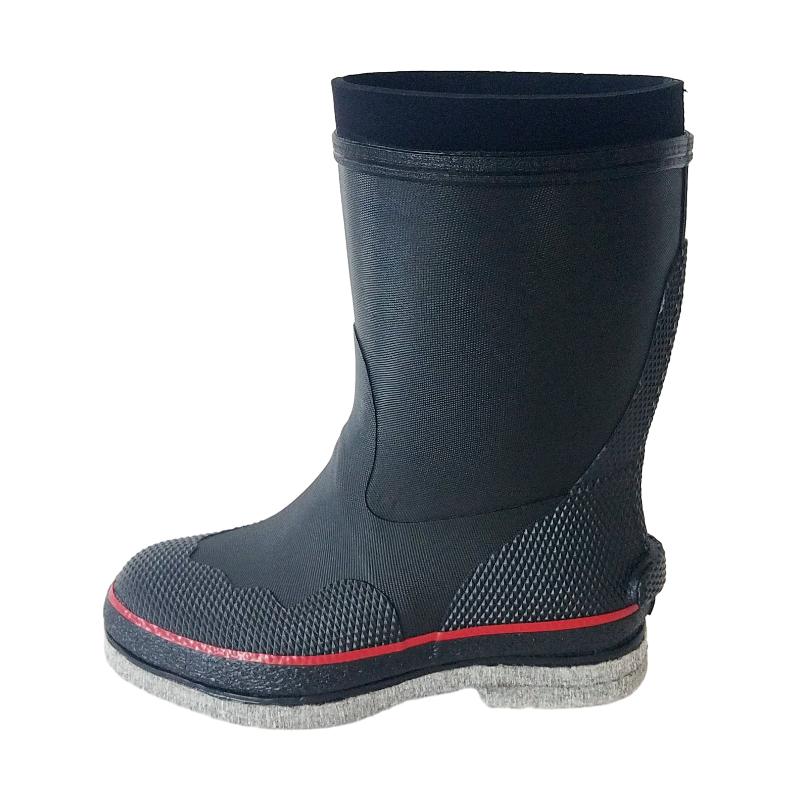
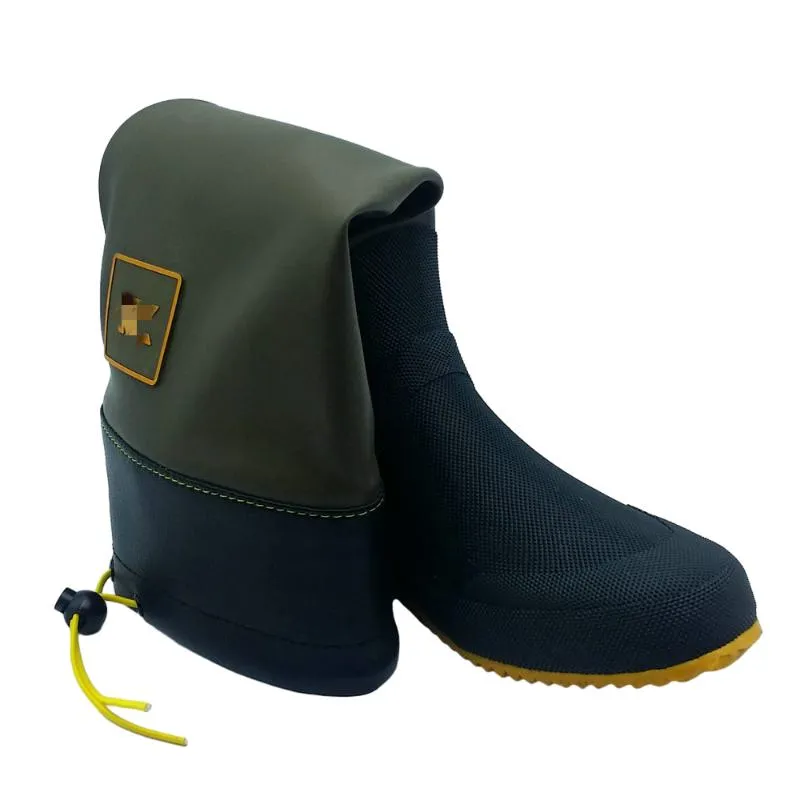
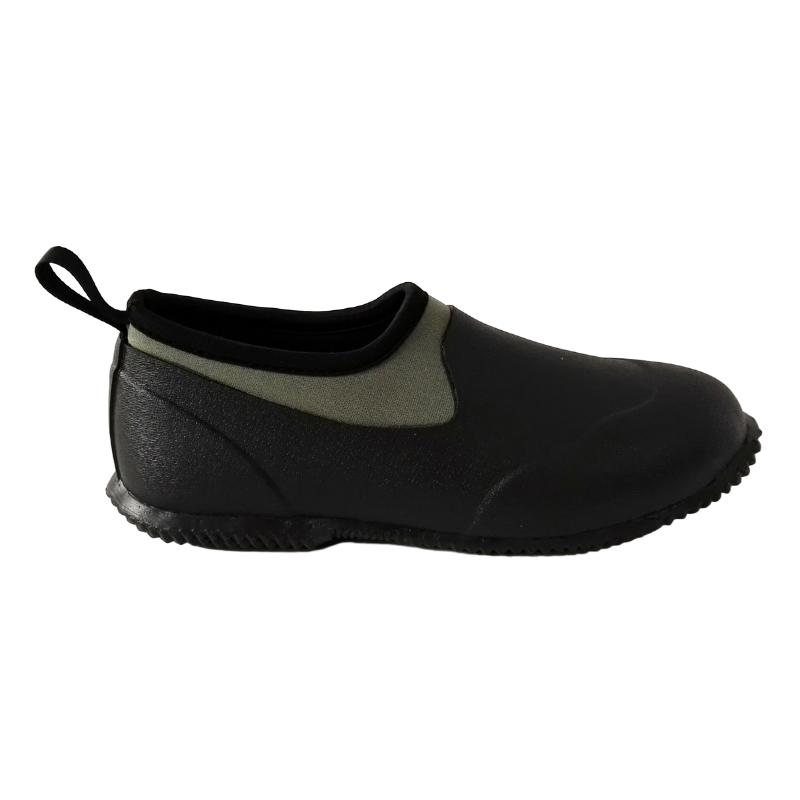
Premium snake proof rubber boots Solutions for Paraguay's Wilderness

Engineered for the extreme terrains of South America, combining industrial-grade textile footwear technology with unmatched durability for professional hunters and outdoor explorers.

Premium snake proof rubber boots Solutions for Paraguay's Wilderness

Our advanced footwear manufacturing integrates high-performance textiles and reinforced rubber to provide maximum protection against the biological and geological hazards of the Paraguayan Chaco and Atlantic Forest.

Footwear Manufacturing Landscape in Paraguay

Analyzing the intersection of textile innovation and South American rugged terrains.

In Paraguay, the demand for specialized footwear is driven by the dual nature of its geography: the humid, dense forests of the east and the arid, thorn-filled plains of the Chaco. Traditional leather boots often struggle with the rapid moisture cycles, leading to premature degradation of materials. This has created a critical market need for hunting and fishing hiking boots that can withstand both extreme humidity and abrasive soils.

The local industry has historically relied on basic rubber imports, but there is a shifting trend toward "technical footwear." Professionals now require boots that offer more than just waterproofing; they need puncture resistance and anatomical support for long-duration trekking. The integration of synthetic textile fabrics with vulcanized rubber is becoming the standard for those navigating venomous reptile habitats.

Economic growth in Paraguay's agricultural and eco-tourism sectors has accelerated the adoption of specialized gear. Whether it is for cattle ranching or professional wildlife management, the requirement for mountain hunting boots has grown, pushing manufacturers to adopt global E-E-A-T standards in material safety and ergonomic design.
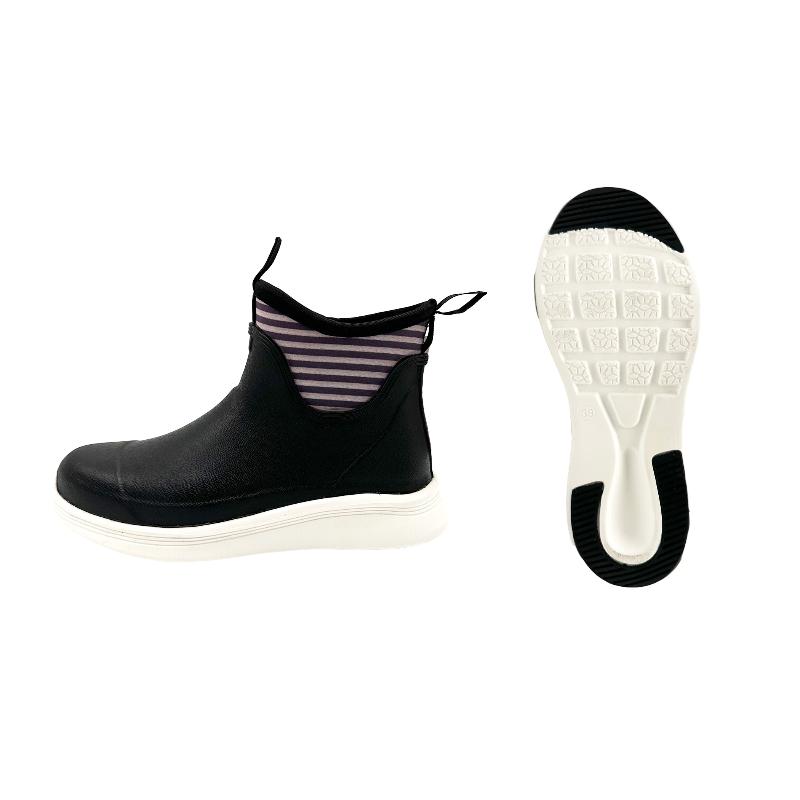
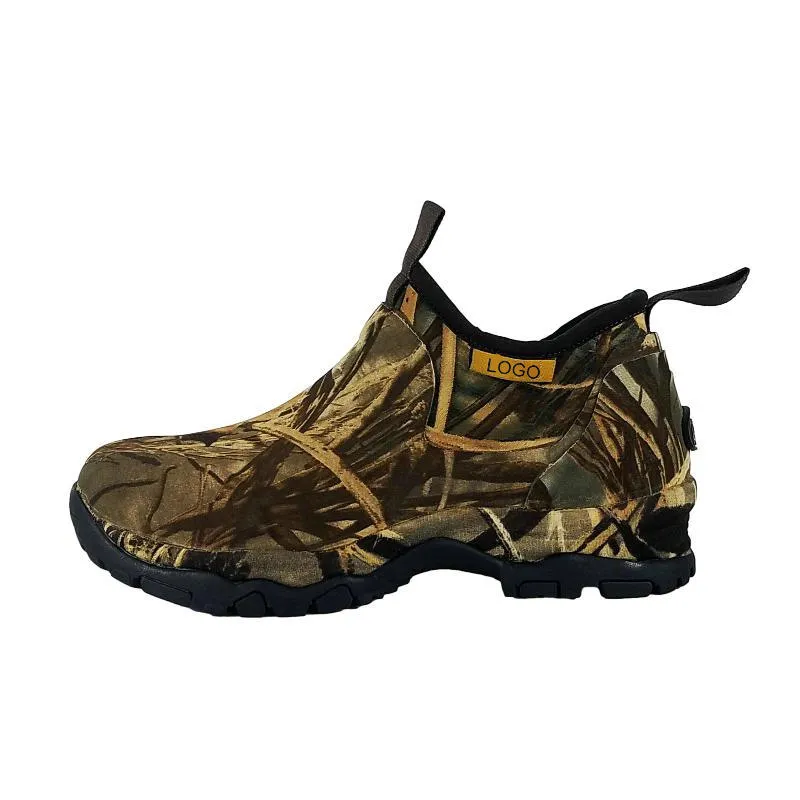
Technical Evolution and Development Trajectory

From traditional leathercraft to high-tech synthetic textile integration.

Market Development History

From 1990 to 2010, the Paraguayan market was dominated by heavy, non-breathable rubber boots and traditional cowhide leather. While durable, these lacked the necessary flexibility and weight efficiency required for professional tracking. The primary focus was simple water exclusion rather than specialized protection.

Between 2011 and 2020, the industry saw the introduction of hybrid materials. The merge of textile fabrics with waterproof membranes allowed for better breathability. This era marked the rise of deer stalking boots that combined the stealth of soft-sole technology with the support of hiking frameworks.

Post-2021, we have entered the era of "intelligent protection." Manufacturing now focuses on molecular-level bonding of rubber and textiles to create seamless barriers. This evolution has perfected the design of women's upland boots, ensuring that ergonomic fits are not sacrificed for industrial-strength protection.

Future Development Trends

Biodegradable Synthetic Polymers

Shift toward eco-friendly textiles that maintain the same puncture resistance as traditional rubbers but reduce the environmental footprint in South American rainforests.

Adaptive Thermoregulation

Integration of phase-change materials (PCM) within the shoe lining to handle the extreme temperature swings of the Paraguayan highlands.

Nanotech Anti-Microbial Coatings

Implementation of silver-ion coatings in textile linings to prevent fungal growth in high-humidity environments.

Industry Trends and Future Outlook

Forecasting the next 3-5 years of textile footwear innovation in Paraguay.

Lightweighting Technology
Replacing heavy rubber compounds with lightweight carbon-infused textiles to reduce fatigue during long treks.
Enhanced Puncture Resistance
Integration of Kevlar-like textile layers specifically designed to stop snake fangs and sharp thorns.
Ergonomic Gender-Specific Fits
Moving beyond "smaller men's sizes" to true anatomical designs for female professionals in the field.
Smart Material Integration
Use of self-healing rubber polymers that close small punctures automatically, extending boot lifespan.

Industry Outlook

The future of the footwear industry in Paraguay is inextricably linked to the rise of sustainable tourism and high-precision agriculture. As Google search trends indicate an increase in "performance outdoor gear" within the region, we expect a surge in demand for hybrid boots that offer urban versatility and wild-terrain protection.

Furthermore, the shift toward textile-based footwear over traditional heavy leather will reduce logistical costs and increase user comfort. We predict that the integration of modular insoles and customizable ankle support will become the competitive edge for manufacturers targeting the South American market.

Localized Application Scenarios in Paraguay

Real-world deployments of our specialized textile footwear across diverse landscapes.

01. Chaco Region Livestock Management

Utilizing snake proof rubber boots for ranch workers who face daily risks from Bothrops snakes and abrasive scrubland terrain.

02. Atlantic Forest Biodiversity Research

Deploying hunting and fishing hiking boots for ecologists navigating humid riverbanks and dense undergrowth where waterproof breathability is critical.

03. Highland Professional Tracking

Employing mountain hunting boots for high-altitude pursuits in the Cordillera, ensuring ankle stability on steep, rocky slopes.

04. Specialized Upland Conservation

Equipping female field biologists with women's upland boots that provide industrial protection without the bulk of unisex designs.

05. Stealth Wildlife Photography

Using deer stalking boots for photographers who require absolute silence and minimal footprint when approaching rare species in Paraguayan reserves.

Brand Story

Global Development History of Baoding Landwalk Outdoor Products Co., Ltd.

Foundation of Excellence

Established with a vision to bridge the gap between industrial durability and outdoor comfort, we began by mastering the vulcanization of rubber for extreme environments.

Textile Innovation Leap

We revolutionized the industry by introducing high-tenacity textile fabrics into footwear, solving the chronic pain point of "breathable yet waterproof" gear.

Global Market Expansion

Expanding our footprint into South America, we adapted our designs to meet the specific biological threats and climate challenges of regions like Paraguay.

E-E-A-T Certification

By adhering to strict international safety standards and utilizing expert-led design, we became a trusted partner for professional outdoor explorers worldwide.

The Future of Protection

Today, we continue to innovate, focusing on sustainable materials that protect both the wearer and the environment they explore.

Comprehensive Footwear Portfolio for Paraguay

A curated selection of textile and rubber boots designed for every Paraguayan terrain.

Paraguay Outdoor Footwear FAQ

Expert answers to common questions regarding professional field gear.

How effective are snake proof rubber boots against Chaco vipers?

Our boots utilize multi-layer textile reinforcement and high-density vulcanized rubber specifically tested to resist penetration from the fangs of regional vipers, providing a critical safety barrier.

What makes mountain hunting boots suitable for the Cordillera region?

These boots feature reinforced ankle support and deep-lugged outsoles designed for traction on loose shale and wet rocks, reducing the risk of sprains during steep ascents.

Are hunting and fishing hiking boots breathable in high humidity?

Yes, by integrating advanced moisture-wicking textile membranes, our boots allow vapor to escape while preventing external water from entering, ideal for the Atlantic Forest.

Do women's upland boots offer the same protection as men's models?

Absolutely. They use the same industrial-grade textiles and rubber compounds but are engineered with a narrower heel and different arch support for female anatomy.

How should I maintain deer stalking boots after use in wetlands?

We recommend rinsing off mud with fresh water and air-drying them away from direct heat to preserve the integrity of the textile-rubber bond.

What is the expected lifespan of industrial textile footwear in Paraguay?

Depending on the intensity of use, our professional-grade boots typically last 3-5 years, significantly longer than standard consumer boots due to our reinforced material construction.

Ready to Equip Your Team?

Get professional textile footwear solutions tailored for the rugged demands of Paraguay.

Contact Us Now

If you are interested in our products, you can choose to leave your information here, and we will be in touch with you shortly.