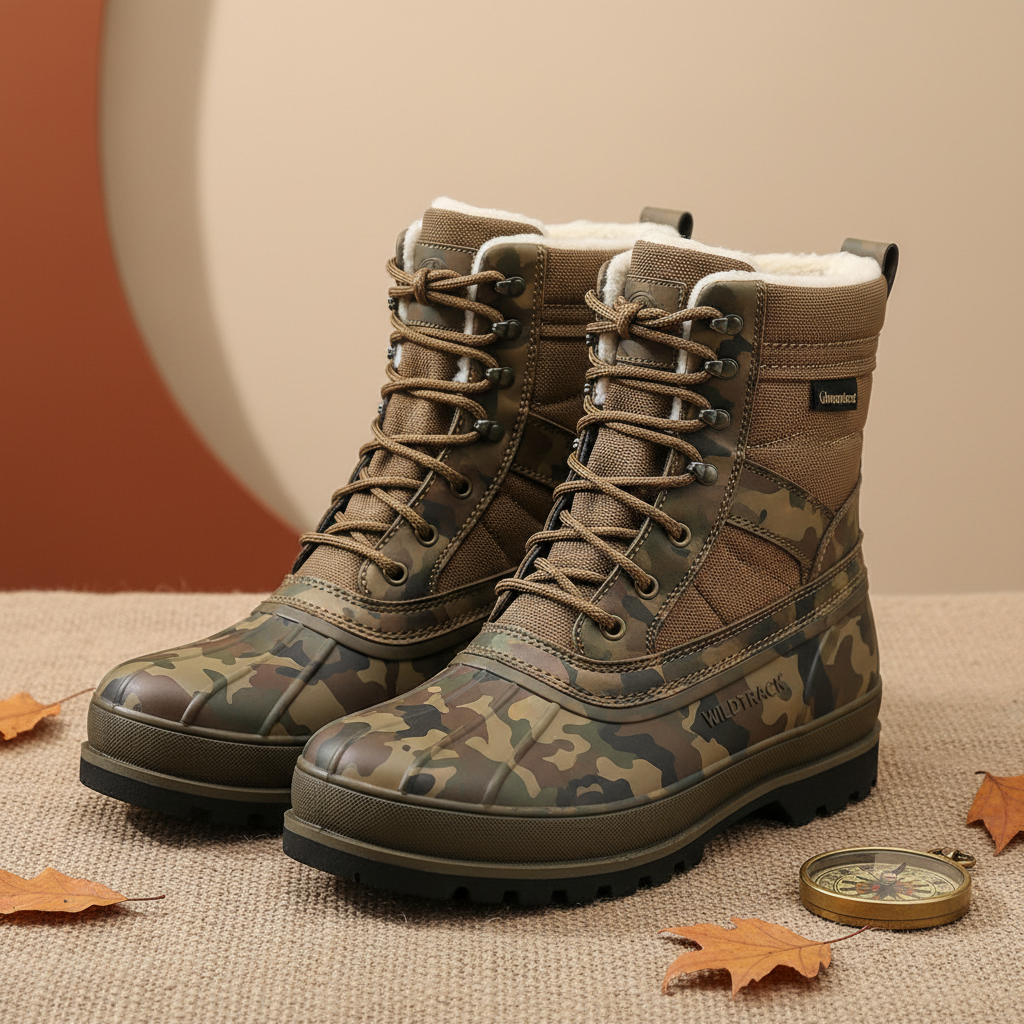
The global demand for reliable and durable hunting boots is consistently high, fueled by a diverse range of users including hunters, outdoor enthusiasts, and professionals working in challenging terrains. Understanding the complexities surrounding hunting boots suppliers is crucial for individuals and organizations seeking quality, performance, and cost-effectiveness. Sourcing from reputable suppliers ensures access to boots that meet stringent safety standards and offer long-lasting protection.
The market for hunting boots is segmented by end-use, material, and geography, creating a dynamic landscape for suppliers. Fluctuations in raw material costs, evolving consumer preferences, and increasing environmental concerns all contribute to the need for strategic partnerships with reliable hunting boots suppliers. The ability to adapt to these changes and consistently deliver high-quality products is a key differentiator in this competitive industry.
The significance of selecting the right hunting boots supplier extends beyond simply acquiring a product; it's about establishing a dependable supply chain, mitigating risks, and ensuring customer satisfaction. A strong supplier relationship can provide access to innovation, customization options, and proactive support, ultimately contributing to the success of businesses and the safety of individuals in the field.
The role of hunting boots suppliers extends far beyond simply providing a product. They are integral to the entire ecosystem, influencing quality, innovation, and ultimately, the end-user experience. A reliable supplier understands the specific demands of the hunting and outdoor industries, offering boots tailored to various terrains and weather conditions.
Effective supply chain management within this sector is crucial. Disruptions or inconsistencies in the supply of hunting boots can have significant consequences for retailers, outfitters, and individual hunters. Partnering with established hunting boots suppliers mitigates these risks, ensuring a consistent flow of quality products to meet market demands.
When evaluating a hunting boots supplier, prioritize certifications like ISO 9001 (quality management), ISO 14001 (environmental management), and relevant safety certifications specific to footwear. These demonstrate a commitment to quality, sustainability, and compliance with industry standards. Look for evidence of independent audits and verification of these certifications. Certifications also demonstrate a supplier's commitment to ethical labor practices and responsible sourcing of materials, which are increasingly important for consumer trust and brand reputation.
Assessing a supplier’s capacity involves requesting detailed information about their manufacturing facilities, workforce size, and production output. Ask for references from other clients with similar order volumes. A site visit, if feasible, can provide valuable insights. Inquire about their ability to handle peak demand periods and potential bottlenecks in their production process. A reliable supplier will be transparent about their capabilities and willing to provide supporting documentation.
Typical lead times for hunting boots vary depending on complexity, order volume, and the supplier's location. Generally, expect a manufacturing lead time of 4-8 weeks, followed by 2-4 weeks for shipping. However, these timelines can be affected by factors like material availability, customs clearance, and transportation delays. Always confirm lead times in writing and factor in buffer time for unforeseen circumstances. Hunting boots suppliers should provide realistic and transparent lead time estimates.
Robust quality control is essential. Require a detailed quality control plan from the supplier, outlining inspection procedures at each stage of production – from raw materials to finished products. Consider employing a third-party inspection agency to conduct independent quality checks. Clearly define acceptable quality levels (AQL) and establish a process for handling defects and returns. Document all quality control measures and maintain detailed records.
Common payment terms include Letter of Credit (L/C), Telegraphic Transfer (T/T), and sometimes, open account terms for established clients. A typical arrangement is a 30% deposit upon order confirmation and the remaining 70% upon shipment. Negotiate payment terms that are favorable to both parties, considering factors like order volume, supplier risk, and your company’s financial policies. Always verify the supplier’s banking information before making any payments.
If you encounter issues with a shipment, document the problems with photos and detailed descriptions. Immediately notify the hunting boots supplier and initiate a formal dispute resolution process. Review your contract for clauses related to defective products, shipping damage, and returns. Consider involving a third-party mediator if necessary to facilitate a resolution. Maintaining clear communication and a documented record is crucial in resolving shipment issues.
In conclusion, selecting the right hunting boots suppliers is a critical factor for success in the outdoor footwear industry. By carefully evaluating supplier capabilities, prioritizing quality control, and embracing sustainable practices, businesses can build reliable supply chains that deliver high-performance products and meet evolving customer demands. A strategic partnership with a dedicated supplier fosters innovation, reduces risks, and ultimately contributes to long-term growth.
Looking ahead, the future of hunting boot supply chains will be shaped by technological advancements, increased sustainability pressures, and evolving geopolitical dynamics. Staying informed about these trends and proactively adapting your sourcing strategies will be essential for maintaining a competitive edge. Investing in strong supplier relationships and embracing a collaborative approach will be key to navigating these challenges and capitalizing on emerging opportunities.