For the modern outdoorsman, the transition from traditional footwear to laceless hunting boots represents more than just a change in style; it is a strategic upgrade in field efficiency. By eliminating the tedious process of tying and re-tying laces, these boots allow hunters to deploy quickly and move silently through dense underbrush without the risk of snagging a loose lace on a branch.
The global demand for specialized footwear has surged as hunters seek a balance between the rugged protection of a traditional boot and the ease of a slip-on. In challenging terrains—from the muddy wetlands of the South to the rocky ridges of the North—the ability to maintain a secure fit without mechanical fasteners is a game-changer for both professional guides and recreational enthusiasts.
Understanding the engineering behind laceless hunting boots is essential for anyone looking to optimize their gear. From advanced neoprene seals to high-traction rubber outsoles, these boots integrate textile innovation with ergonomic design to provide unparalleled comfort, waterproof reliability, and a streamlined profile that enhances stealth in the wild.
Global Market Context of Laceless Hunting Boots
The global outdoor footwear industry has seen a significant shift toward convenience and specialized utility, with laceless hunting boots leading the trend in the sporting goods sector. Market data indicates a growing preference for "quick-entry" systems, as users prioritize time-efficiency and reduced physical fatigue during long excursions. This shift is mirrored in ISO standards for protective footwear, where the emphasis has moved toward integrating breathable membranes with seamless exteriors to prevent water ingress.
Historically, hunters faced a trade-off: the stability of a laced boot versus the speed of a rubber boot. However, modern manufacturing in the textile and shoe industry has bridged this gap. By utilizing high-elasticity polymers and anatomical molding, manufacturers can now offer a secure, "locked-in" feel that rivals traditional lacing, solving the age-old problem of heel slippage and ankle instability in wet environments.
Defining the Mechanics of Laceless Design
At its core, laceless hunting boots are engineered to provide a snug, supportive fit through the use of compression materials and structured shafts rather than traditional string ties. Unlike standard rain boots that can feel loose or "clunky," these boots employ a tapered design that hugs the calf and ankle, utilizing the natural elasticity of neoprene or advanced synthetic rubbers to create a vacuum-like seal around the leg.
This design is not merely about convenience; it addresses critical humanitarian and safety needs in the field. For individuals operating in extreme cold or wet conditions, the absence of laces eliminates "cold spots" caused by uneven tension and removes the risk of frostbite associated with struggling to tie laces with numb fingers. The streamlined exterior also prevents the boots from catching on thorns, briars, or thickets, which is a common cause of trips and falls in remote wilderness areas.
From a manufacturing perspective, these boots represent a convergence of the rubber and textile industries. By bonding waterproof shells with soft, flexible interior liners, the industry has created a product that functions as a protective barrier against the elements while maintaining the agility required for stalking game or traversing uneven landscapes.
Core Components of High-Performance Footwear
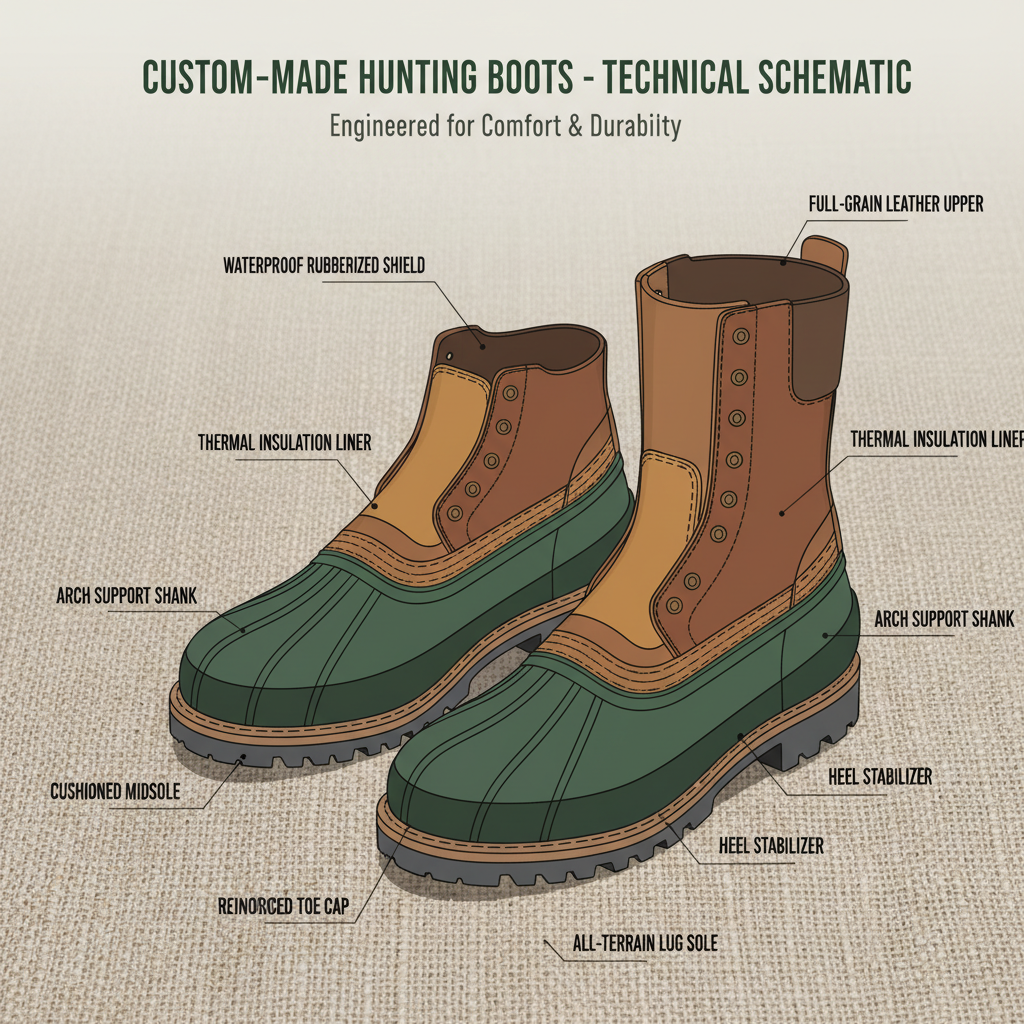
The primary driver of success for laceless hunting boots is their exceptional durability. Utilizing high-density vulcanized rubber and reinforced toe caps, these boots are designed to withstand abrasive surfaces like jagged rocks and frozen soil, ensuring a long lifecycle even under heavy industrial-grade usage.
Scalability in comfort is achieved through the integration of multi-layered insoles and moisture-wicking linings. Because these boots lack adjustable laces, the internal geometry must be precise; therefore, premium models feature anatomical arch support and shock-absorbing midsoles that adapt to the user's foot shape over time, reducing the risk of plantar fasciitis during long treks.
Cost efficiency and maintenance are also key factors. Without laces to fray, snap, or get clogged with mud, the operational cost of maintaining the gear is significantly lowered. Furthermore, the seamless construction makes cleaning a simple process of rinsing, which is vital for preventing the buildup of organic matter that can degrade the boot's material over time.
Practical Applications Across Diverse Terrains
In real-world scenarios, laceless hunting boots are indispensable in regions with high humidity and frequent rainfall, such as the Pacific Northwest or the Amazon basin. Professional hunters and wildlife biologists utilize these boots to move through marshes and swamps where traditional leather boots would soak through and laces would become heavy with mud and water.
Beyond hunting, these designs are increasingly adopted in remote industrial zones and post-disaster relief operations. When rescue workers must move rapidly through flooded urban environments or debris-strewn landscapes, the slip-on nature of these boots allows for rapid deployment and removal, while the waterproof exterior ensures that feet remain dry and blister-free during critical missions.
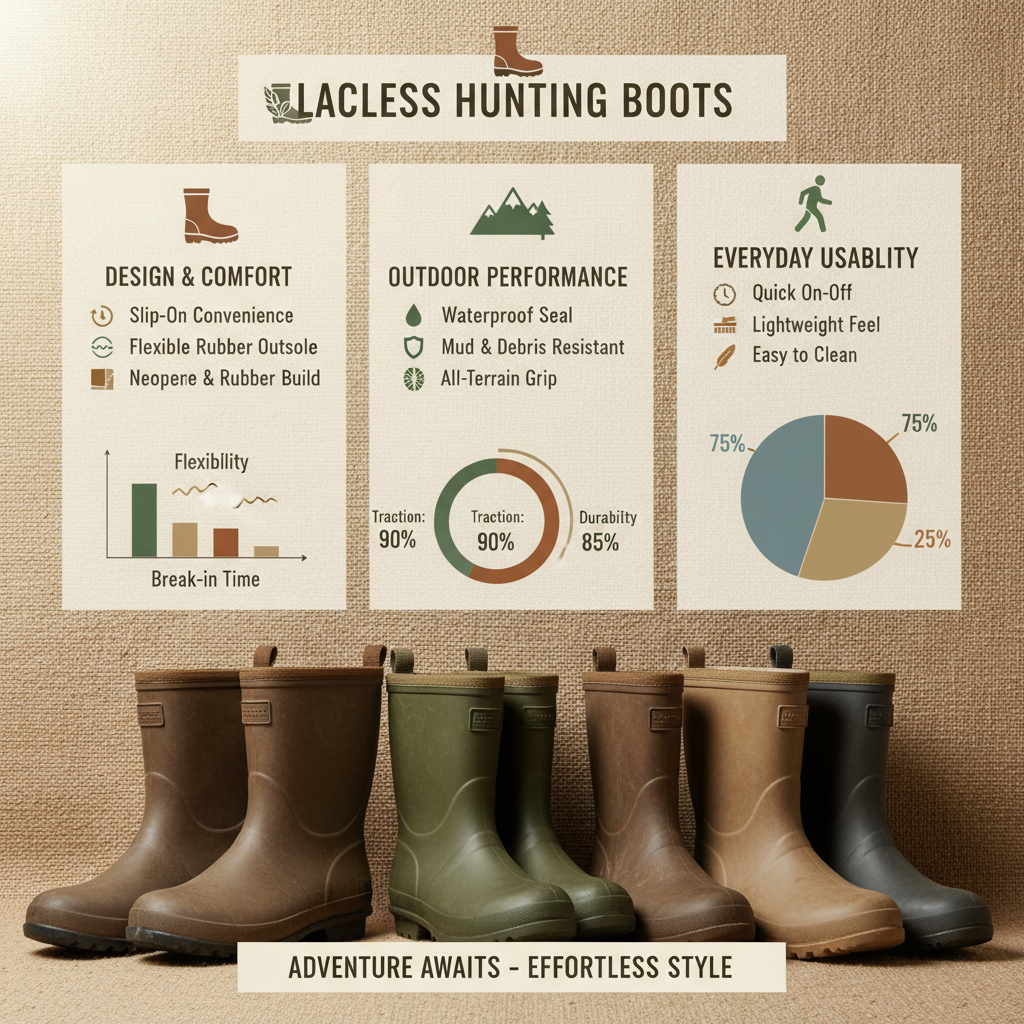
Performance Comparison of Laceless Hunting Boots Styles
Long-term Value and User Benefits
The long-term value of investing in high-quality laceless hunting boots manifests in both physical health and emotional peace of mind. By providing a consistent, pressure-free fit, these boots reduce the incidence of friction blisters and circulation issues often caused by over-tightened laces, allowing the wearer to focus entirely on their environment rather than their feet.
From a logical standpoint, the reliability of a seamless boot means fewer gear failures in the field. The emotional benefit is the trust a hunter places in their equipment; knowing that your footwear will not fail, leak, or snag allows for a more meditative and successful hunting experience, fostering a deeper connection with nature and the thrill of the pursuit.
Innovations in Material Science and Sustainability
The future of laceless hunting boots is being shaped by the digital transformation of footwear design. 3D foot-scanning technology is now used to create custom-molded lasts, ensuring that the "laceless" fit is tailored to the individual's unique anatomy, eliminating the need for traditional adjustments entirely.
Sustainability is also taking center stage, with the industry moving toward bio-based polymers and recycled rubber composites. By reducing the reliance on petroleum-based plastics and integrating biodegradable linings, manufacturers are creating boots that leave a smaller environmental footprint without sacrificing the ruggedness required for professional use.
Furthermore, the integration of "smart materials" is on the horizon. We are seeing the development of thermochromic linings that regulate temperature based on external conditions and antimicrobial coatings that naturally repel odors and fungi, extending the life of the boot and improving hygiene for the user.
Overcoming Common Challenges in Laceless Gear
Despite their advantages, laceless hunting boots occasionally face criticism regarding "fit rigidity." Because there are no laces to tighten, some users with very narrow or very wide feet may find the initial fit challenging. Expert insights suggest the use of high-performance aftermarket insoles or specialized hunting socks to fine-tune the internal volume and achieve the perfect fit.
Another challenge is the potential for moisture buildup inside the boot due to the tight seal. To solve this, innovative manufacturers are implementing one-way breathable membranes (similar to Gore-Tex) that allow sweat vapor to escape while preventing liquid water from entering, ensuring that the interior remains dry even during intense physical exertion.
Lastly, the weight of heavy-duty rubber can be a concern for those covering vast distances. The solution lies in the adoption of dual-density construction—using a hard rubber outsole for protection and a lightweight EVA foam midsole for cushioning. This hybrid approach maintains the boot's integrity while significantly reducing the energy expenditure of the wearer.
Comparative Analysis of Laceless Hunting Boot Specifications
| Boot Material |
Waterproof Level |
Comfort Score (1-10) |
Weight Category |
| Premium Neoprene |
Absolute |
9 |
Medium |
| Vulcanized Rubber |
Absolute |
7 |
Heavy |
| Hybrid Polymer |
High |
8 |
Light |
| Insulated Composite |
High |
9 |
Medium |
| Recycled Eco-Rubber |
Medium |
7 |
Light |
| Reinforced Nylon/Rubber |
High |
8 |
Medium |
FAQS
Yes, modern laceless hunting boots use anatomical molding and high-compression materials to provide significant ankle support. While they don't offer the customizable tension of laces, the tapered shaft ensures the foot stays secure, reducing the risk of twisting on uneven terrain.
Since there is no lacing system, choosing the correct size is paramount. We recommend measuring your foot at the end of the day when it's slightly swollen and accounting for the thickness of your hunting socks. Many users find that a precise fit is easier to achieve by using specialized insoles to fill small gaps.
Absolutely. Because they lack lace holes—which are common points of water leakage in traditional boots—laceless designs are generally superior for waterproofing. Most are constructed from seamless rubber or neoprene, making them ideal for deep mud, marshes, and flooded areas.
Some older models could be warm, but current laceless hunting boots integrate moisture-wicking liners and breathable membranes. These technologies allow vapor to escape while keeping water out, maintaining a comfortable internal temperature during active use.
In wet and abrasive environments, synthetic and rubber laceless boots often outlast leather because they don't rot or crack when saturated. With proper rinsing and storage, a high-quality pair can last several seasons, especially since there are no laces to replace.
Yes, they are excellent for hiking in wet or muddy conditions. However, for extremely dry, rocky alpine terrain where maximum lateral rigidity is required, a traditional mountain boot might be preferable. For most wetland or forest excursions, the laceless design is the more efficient choice.
Conclusion
In summary, laceless hunting boots represent a significant evolution in outdoor gear, blending the rugged durability of industrial rubber with the ergonomic comfort of modern textiles. By eliminating the vulnerabilities of traditional laces, these boots offer enhanced stealth, superior waterproofing, and unparalleled ease of use, making them an essential tool for the modern hunter and outdoor professional.
As we look toward the future, the integration of sustainable materials and 3D-customized fitting will only further solidify the dominance of laceless designs. Whether you are navigating a swamp or stalking through a dense forest, upgrading your footwear is an investment in your safety, efficiency, and long-term comfort in the wild. Visit our website: www.landwalk-outdoor.com