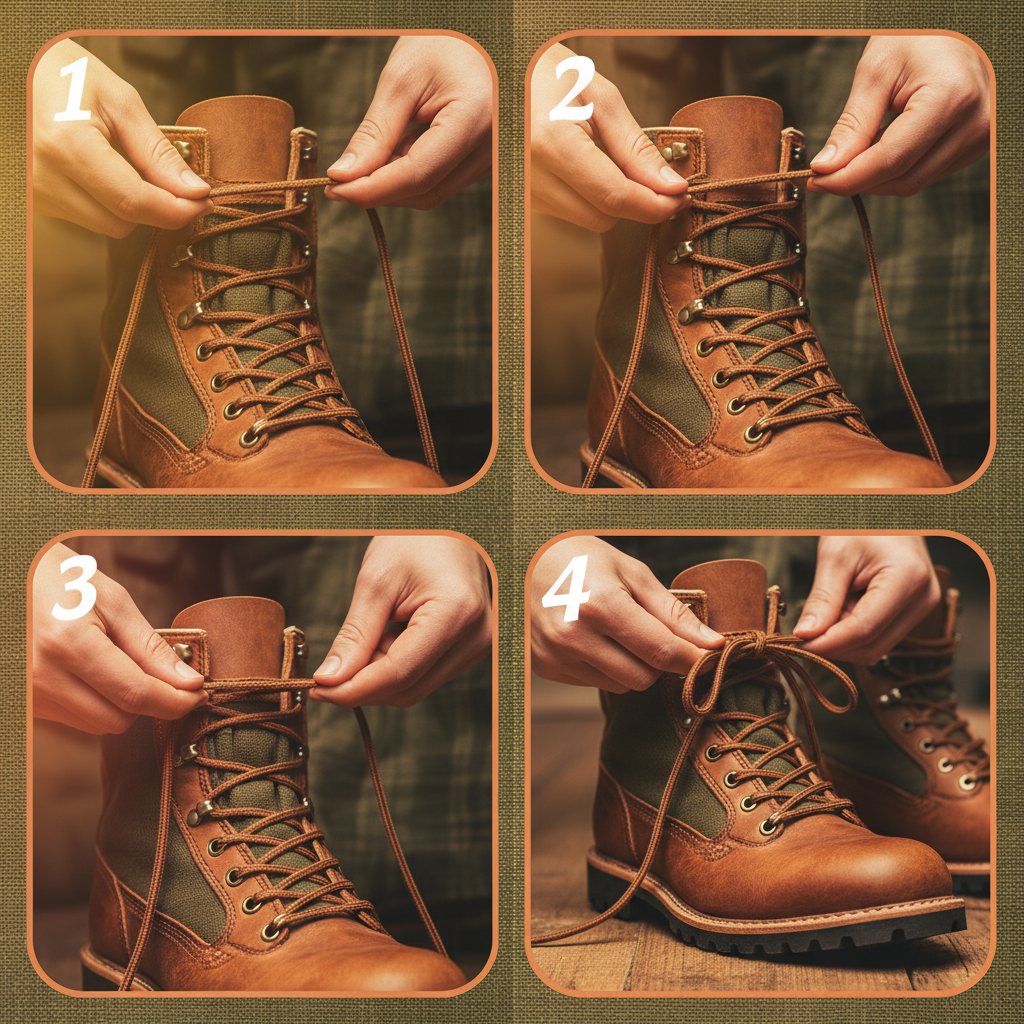
Selecting the right footwear is a critical decision for any outdoor enthusiast, and hunting boots lace up designs remain the gold standard for those requiring maximum ankle support and a customizable fit. Unlike slip-on alternatives, lace-up systems allow the wearer to adjust tension across different zones of the foot, ensuring that the boot moves with the body while preventing the internal sliding that leads to blisters during long treks through rugged terrain.
In the broader context of the footwear industry, the demand for specialized hunting gear has evolved from simple leather boots to high-tech engineering. Modern hunting boots lace up integrate advanced membranes, lightweight polymers, and ergonomic lasts to meet the rigorous demands of diverse climates, from the damp forests of the Pacific Northwest to the frozen tundra of the North.
Understanding the nuances of lace-up construction—such as eyelet placement, lace material, and shaft height—can mean the difference between a successful expedition and a debilitating injury. By focusing on the intersection of durability, waterproofing, and wearer stability, this guide explores why these boots are indispensable for professional hunters and outdoor workers alike.
The Anatomy and Engineering of Hunting Boots Lace Up
The engineering behind hunting boots lace up is focused primarily on the synergy between the upper chassis and the sole unit. A high-quality lace-up boot utilizes a structured heel counter and a reinforced toe cap to protect the foot from external impacts, while the lacing system acts as the primary tensioning mechanism to lock the heel in place. This prevents the "heel slip" commonly found in cheaper footwear, which is essential when navigating steep inclines or descending rocky slopes.
Furthermore, the distribution of eyelets—often a combination of traditional punched holes and metal speed-hooks—allows hunters to quickly tighten the lower foot for comfort while maintaining a rigid upper shaft for ankle stabilization. This mechanical advantage ensures that the boot provides a personalized fit that can be adjusted on the fly as the foot swells during long days of activity.
Global Market Trends in Performance Hunting Footwear
On a global scale, the demand for specialized hunting boots lace up has surged as outdoor recreation becomes more integrated into wellness and tourism sectors. According to industry analysis, there is a significant shift toward "hybridization," where the ruggedness of a traditional work boot is merged with the lightweight properties of athletic shoes. This trend is driven by a growing demographic of hunters who prioritize agility and speed over raw bulk.
In regions like North America and Northern Europe, ISO standards for waterproof membranes and slip-resistant outsoles have pushed manufacturers to innovate. The challenge has been to maintain the structural integrity of the lace-up system while reducing the overall weight of the boot. This has led to the adoption of synthetic composites and high-tenacity nylons that offer the same strength as heavy leather but with a fraction of the mass.
Moreover, the rise of ethical hunting and conservation-led trekking has increased the demand for footwear that leaves a smaller environmental footprint. Manufacturers are now exploring bio-based polymers and recycled rubbers, ensuring that the boots providing protection to the hunter do not contribute to the degradation of the wilderness they explore.
Critical Material Selection for All-Terrain Durability
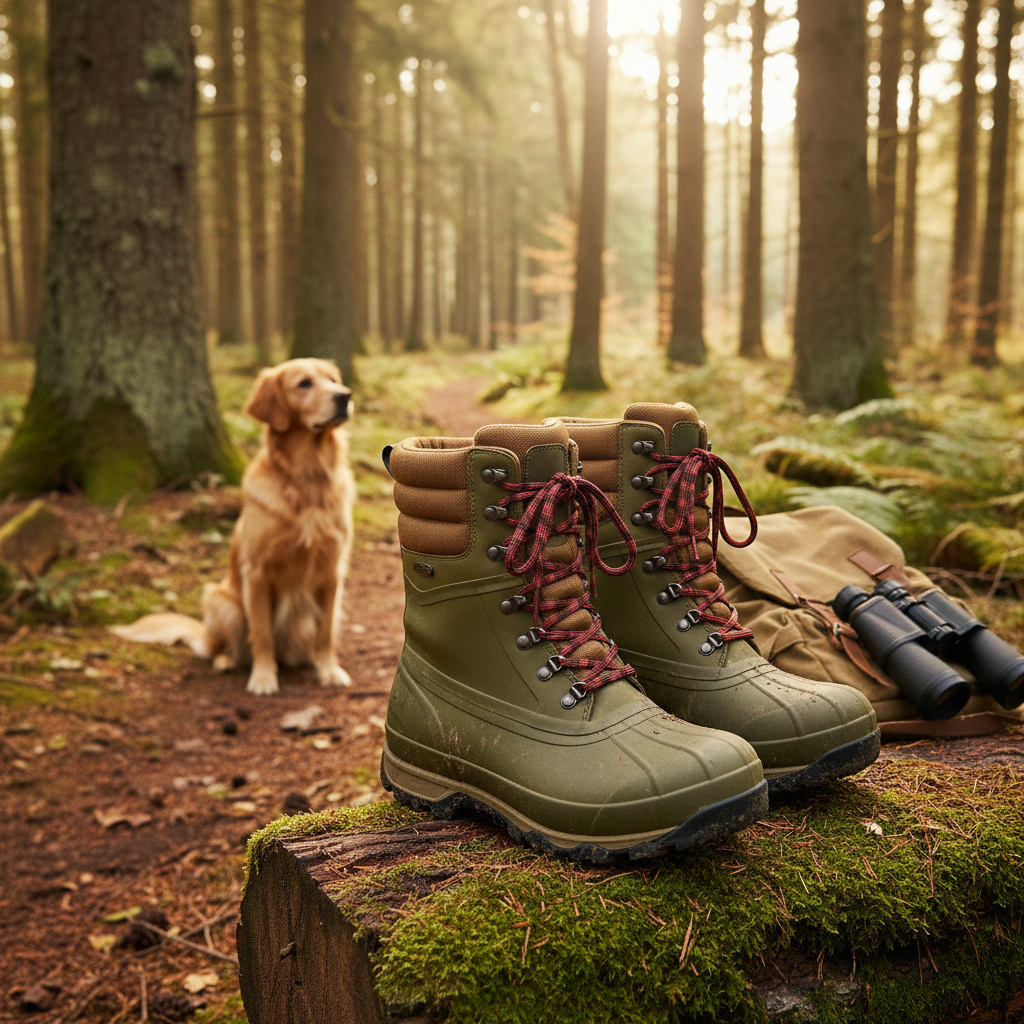
When evaluating hunting boots lace up, the choice of leather—specifically full-grain or nubuck—plays a pivotal role in water resistance and abrasion durability. These materials act as the first line of defense against thorns, sharp rocks, and moisture.
The integration of GORE-TEX or similar microporous membranes within the lining of hunting boots lace up allows moisture vapor to escape from the inside while blocking liquid water from entering. This breathability is essential for preventing blisters and maintaining thermal regulation in extreme temperatures.
Finally, the outsole material, typically a high-density vulcanized rubber, must be engineered with deep lugs. This provides the necessary traction for muddy or snowy conditions, complementing the stability provided by the secure lace-up closure.
Comparative Performance Metrics of Lacing Systems
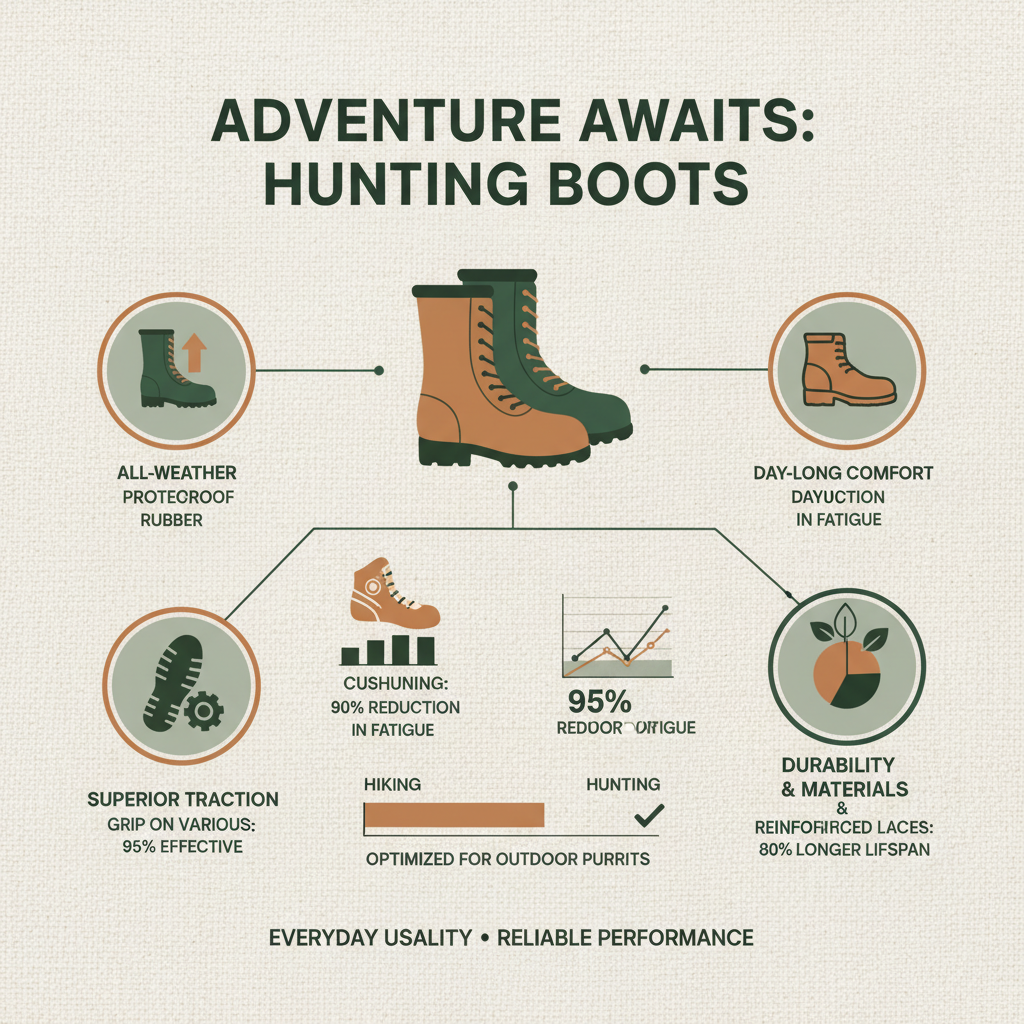
The efficiency of a lace-up system is measured by its ability to distribute pressure evenly across the instep. In high-performance hunting boots lace up, the "locking lace" technology ensures that once a certain tension is reached, the laces do not loosen over time, reducing the need for frequent readjustments during a hunt.
Comparing different lacing configurations reveals that boots with a higher number of eyelets generally offer superior ankle support, whereas those with simplified speed-lacing are preferred for transitional environments where quick entry and exit are required.
Performance Ratings of Different Lace-Up Configurations
Practical Applications Across Diverse Ecosystems
In mountainous regions, hunting boots lace up are utilized for their ability to provide lateral stability on uneven slopes. By tightening the laces around the ankle, the wearer can significantly reduce the risk of sprains, which is critical when carrying heavy gear in remote areas where medical assistance is unavailable.
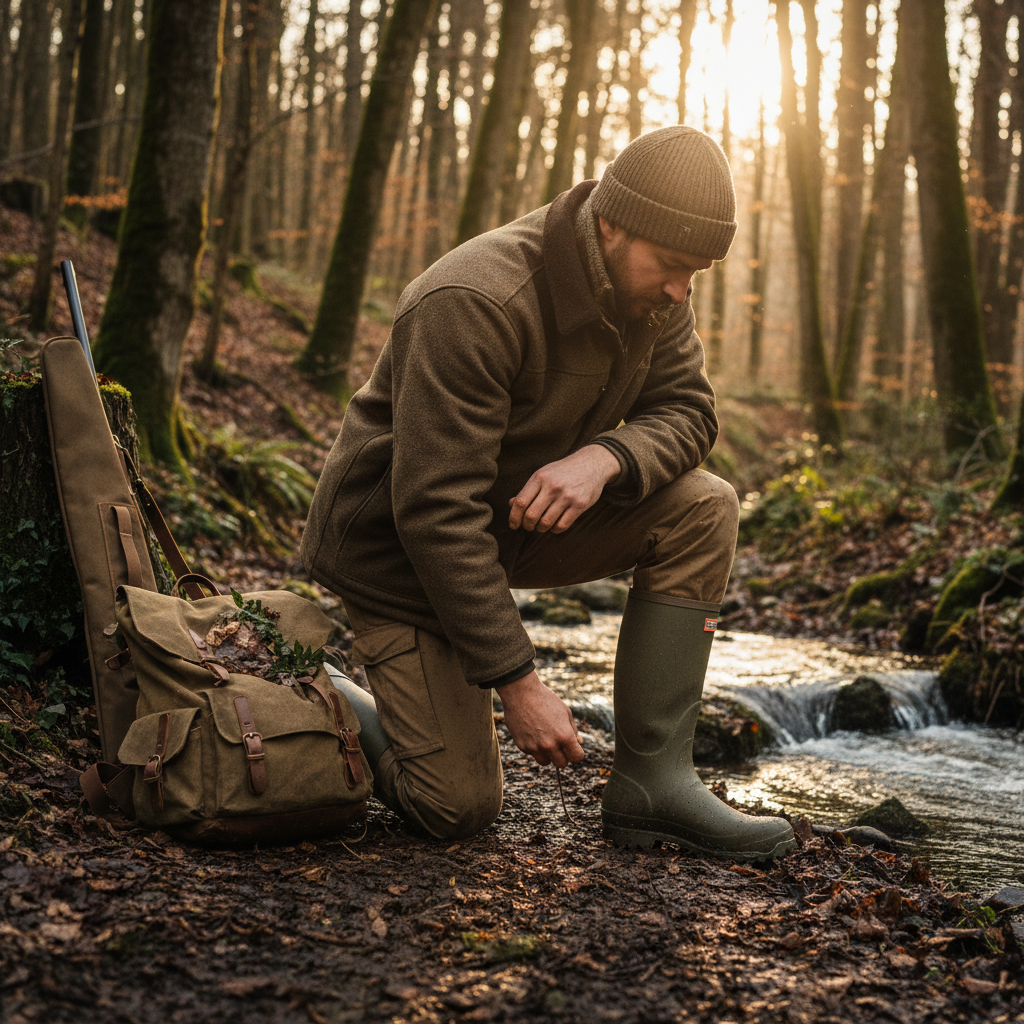
Conversely, in marshlands or densely forested areas, these boots are often paired with gaiters. The secure lace-up closure prevents debris, twigs, and mud from entering the boot through the top, maintaining a dry and clean interior environment for the foot throughout the duration of the excursion.
Long-Term Value and Sustainability in Footwear
The long-term value of investing in premium hunting boots lace up lies in their rebuildability. High-end boots are often designed with Goodyear welts or similar construction methods that allow a professional cobbler to replace the outsole once it has worn down, extending the life of the boot by years.
From a sustainability perspective, this "repair-over-replace" philosophy reduces the amount of footwear ending up in landfills. When a user chooses a durable lace-up boot, they are opting for a product that can be conditioned and maintained, rather than a disposable synthetic shoe that loses its integrity after one season.
Furthermore, the emotional trust a hunter places in their gear cannot be overstated. The reliability of a secure lace-up system provides the psychological confidence needed to push deeper into the wilderness, knowing that their equipment will not fail under pressure.
Future Innovations in Lace-Up Boot Technology
The future of hunting boots lace up is leaning heavily toward digital integration and smart materials. We are seeing the emergence of "adaptive lacing," where tension can be adjusted via a micro-dial (BOA system) or even embedded sensors that detect foot swelling and automatically loosen or tighten the fit.
Additionally, the industry is experimenting with graphene-infused rubbers for outsoles, providing unprecedented grip and wear resistance. These materials, combined with 3D-printed midsoles customized to the wearer's exact foot scan, will make the "perfect fit" a reality for every hunter.
Sustainability will also remain at the forefront, with the development of fully biodegradable synthetic leathers that maintain the strength and waterproof qualities of traditional hides without the environmental cost of livestock farming.
Comparative Analysis of Boot Construction and Performance
| Boot Material |
Lacing Type |
Ankle Support Score |
Waterproofing Level |
| Full-Grain Leather |
Traditional Lace-Up |
9/10 |
High (with wax) |
| Synthetic Nylon |
Speed-Lace System |
7/10 |
Very High (Membrane) |
| Nubuck Leather |
Hybrid Hook-Lace |
10/10 |
Moderate |
| Rubberized Fabric |
Reinforced Lace-Up |
6/10 |
Absolute (Waterproof) |
| Composite Mesh |
Elastic Lace-Up |
5/10 |
Low (Breathable) |
| Heavy-Duty Leather |
Double-Eyelet Lace |
10/10 |
High (Treated) |
FAQS
Lace-up boots provide superior ankle stability and a customizable fit. While pull-ons are faster to put on, they often lack the precise tension needed to lock the heel in place, increasing the risk of blisters and ankle rolls on uneven terrain.
Start by ensuring the heel is firmly seated. Tighten the lower section (forefoot) for comfort, then use a "locking" knot or a tighter tension around the ankle area. Using speed-hooks for the top three eyelets allows you to adjust the shaft tension independently of the foot fit.
Most high-quality lace-up boots use a combination of waterproof leather and an internal membrane (like GORE-TEX). While they are highly water-resistant, the lace holes are potential entry points for water; this is why they are often paired with waterproof gaiters for deep water crossings.
Laces should be inspected after every major trip. Due to constant friction against metal eyelets and exposure to mud and salt, they can fray over time. Replacing them before they snap in the field is crucial for safety and boot performance.
Generally yes, but it is recommended to use laces specifically designed for hunting boots. These are typically made of high-tenacity nylon or polyester blends that resist stretching and are more resistant to abrasion from rough terrain.
Leather lace-up boots typically require a break-in period to allow the material to mold to your foot. Synthetic versions require less time. We recommend wearing them for short walks before a major expedition to ensure the lacing is comfortable and there are no pressure points.
Conclusion
In summary, hunting boots lace up represent a critical intersection of traditional craftsmanship and modern material science. By offering unmatched ankle support, adjustable tension, and enduring durability, these boots ensure that hunters can navigate the most challenging landscapes with confidence and safety. From the selection of waterproof membranes to the strategic placement of speed-hooks, every detail is engineered to protect the wearer's most valuable asset—their mobility.
As the industry moves toward smarter, more sustainable footwear, the fundamental value of the lace-up system remains unchanged. Whether you are a seasoned professional or a weekend enthusiast, investing in high-quality lace-up boots is an investment in your long-term health and success in the field. For the best selection of rugged, reliable outdoor footwear, visit our website: www.landwalk-outdoor.com.