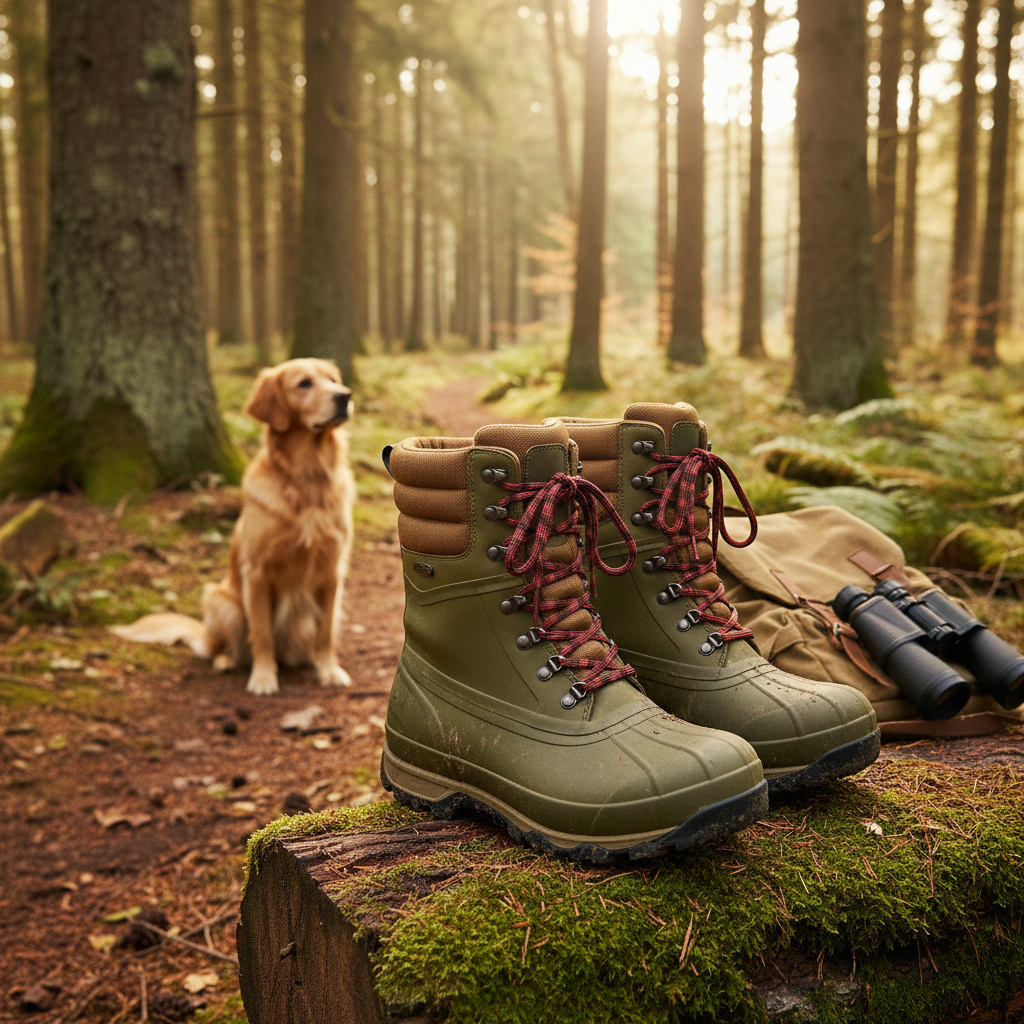
When venturing into the unpredictable wilderness, the boundary between a successful expedition and a failed one often comes down to the equipment protecting your feet. High-performance long hunting boots are not merely footwear; they are critical gear designed to shield hunters from moisture, extreme temperatures, and hazardous terrain. By providing essential ankle support and a high-shaft barrier, these boots ensure that the hunter remains focused on the track rather than the discomfort of wet socks or unstable footing.
Across the globe, from the marshlands of the American South to the dense forests of Eastern Europe, the demand for specialized outdoor footwear has evolved. Modern hunters require a synergy of waterproofing and breathability, pushing the manufacturing industry to integrate advanced polymers and natural rubbers. Understanding the technical specifications of these boots allows outdoorsmen to choose gear that aligns with their specific environmental challenges, whether it be deep mud, snow, or caustic swamp water.
Investing in the right pair of long hunting boots offers a profound impact on long-term physical health and safety. By reducing the risk of immersion foot, ticks, and ankle sprains, high-shaft boots act as a first line of defense against the elements. This comprehensive guide explores the global industry context, the core components of quality footwear, and the future of sustainable materials in the hunting gear sector.
Global Industry Context of Long Hunting Boots
The global market for specialized outdoor footwear has seen a steady rise, driven by an increasing interest in eco-tourism and sustainable hunting practices. According to industrial trends observed in ISO-certified manufacturing zones, the shift toward "hybrid" materials—combining the flexibility of textiles with the imperviousness of rubber—has redefined the efficacy of long hunting boots. As climate patterns shift, creating more erratic wet-dry cycles in wilderness areas, the reliance on reliable, high-shaft waterproof boots has become a necessity for safety.
Industry data suggests that foot-related injuries and exposure-related illnesses in remote areas often stem from inadequate footwear. The challenge for manufacturers lies in balancing the weight of the boot with its protective capabilities. By analyzing global terrain data, companies are now developing boots that offer regional specialization, ensuring that a hunter in the Siberian tundra has a different thermal profile than one in the Florida Everglades, while maintaining the core structural integrity of the long-boot design.
Defining Technical Standards for Hunting Footwear
In simple terms, long hunting boots are specialized, high-shaft footwear designed to provide complete waterproofing and physical protection from the ankle up to the mid-calf or knee. Unlike standard hiking boots, these are engineered specifically for environments where standing water, deep mud, and dense underbrush are the primary obstacles. The "long" aspect is crucial, as it prevents debris and liquids from entering through the top of the boot, which is a common failure point in shorter footwear.
Beyond the basic definition, these boots connect deeply to modern humanitarian and industrial needs. For example, in disaster relief operations involving flood zones, the same technical specifications used for hunting boots are applied to rescue gear. The ability to navigate contaminated water while keeping the wearer dry and stable is a critical requirement that transcends the hunting hobby and enters the realm of essential safety equipment.
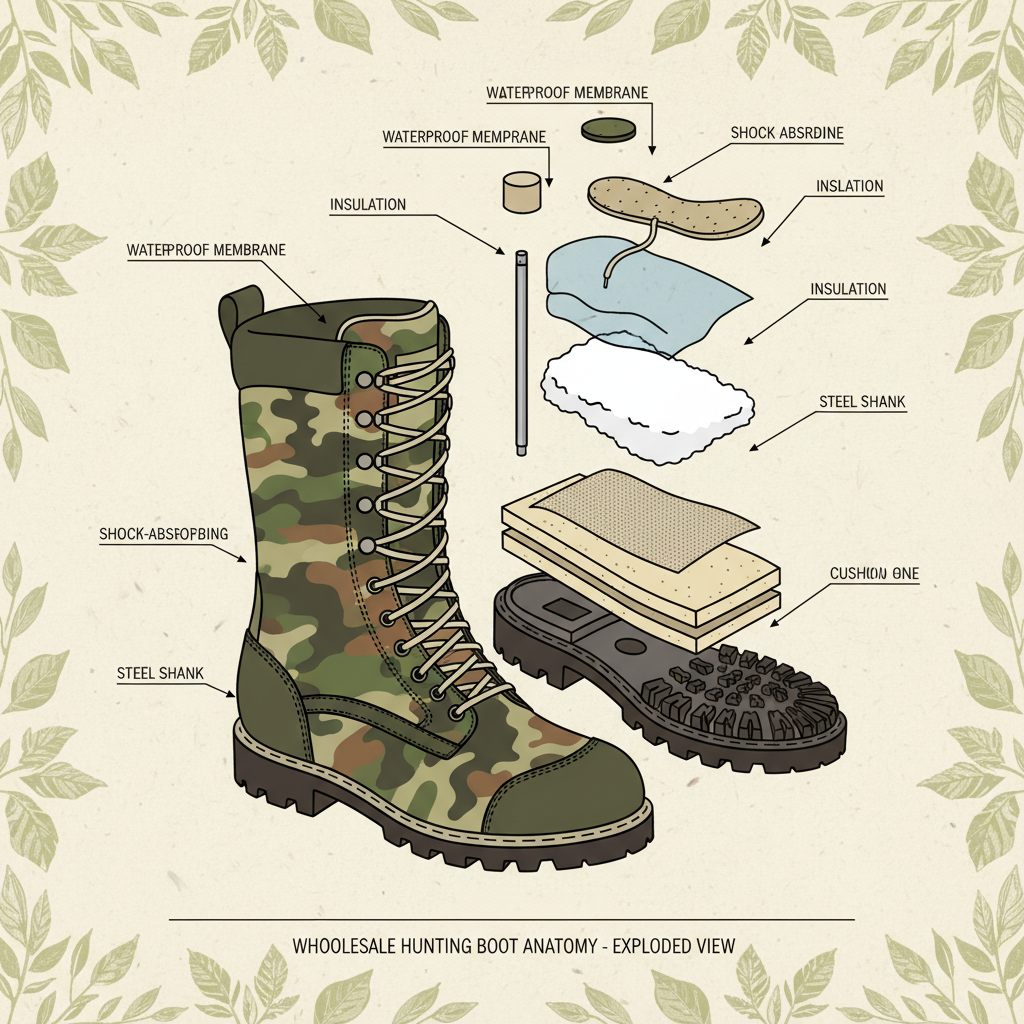
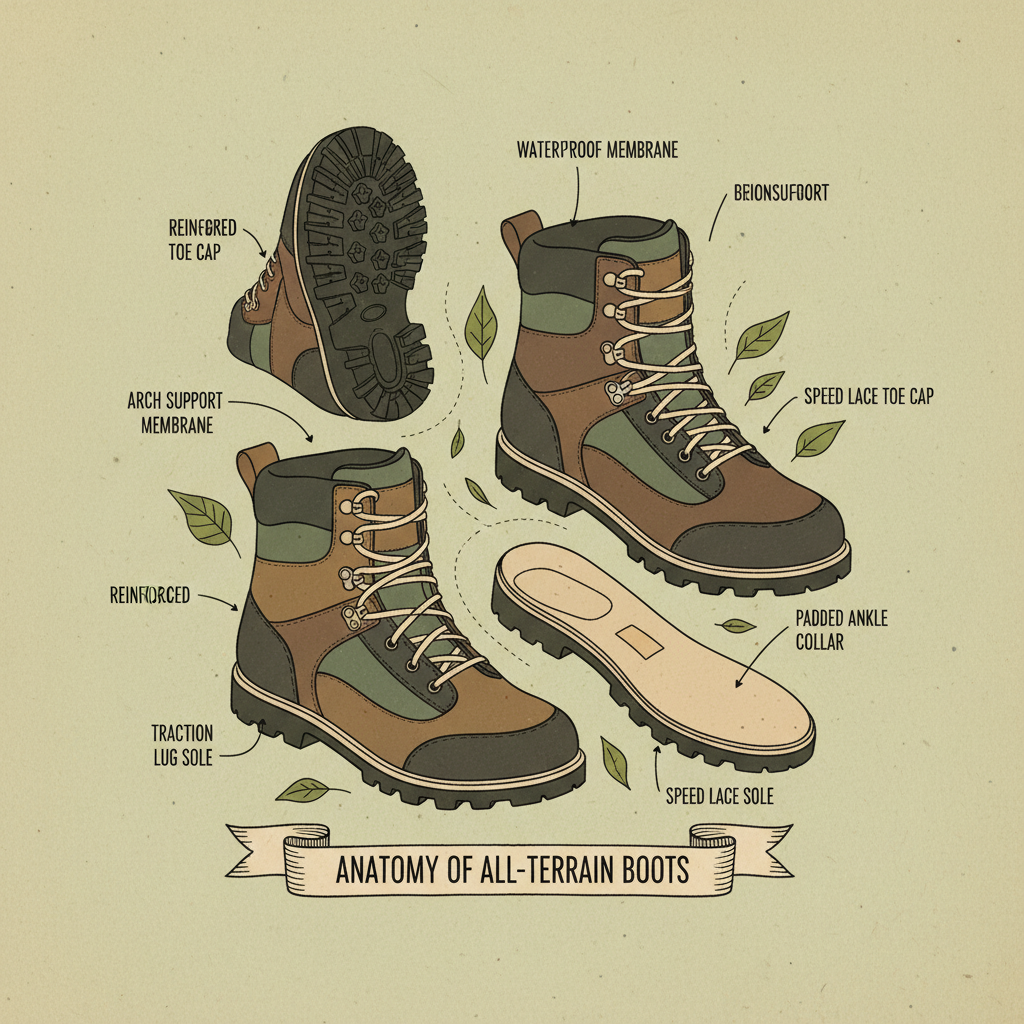
From a manufacturing perspective, the definition of a quality boot includes the integration of a multi-layered sole for traction, a seamless waterproof upper to prevent leaks, and an ergonomic interior to reduce fatigue during long treks. By adhering to these technical standards, manufacturers ensure that the boots provide not just a barrier against water, but a comprehensive tool for wilderness survival and efficiency.
Core Components of High-Performance Boots
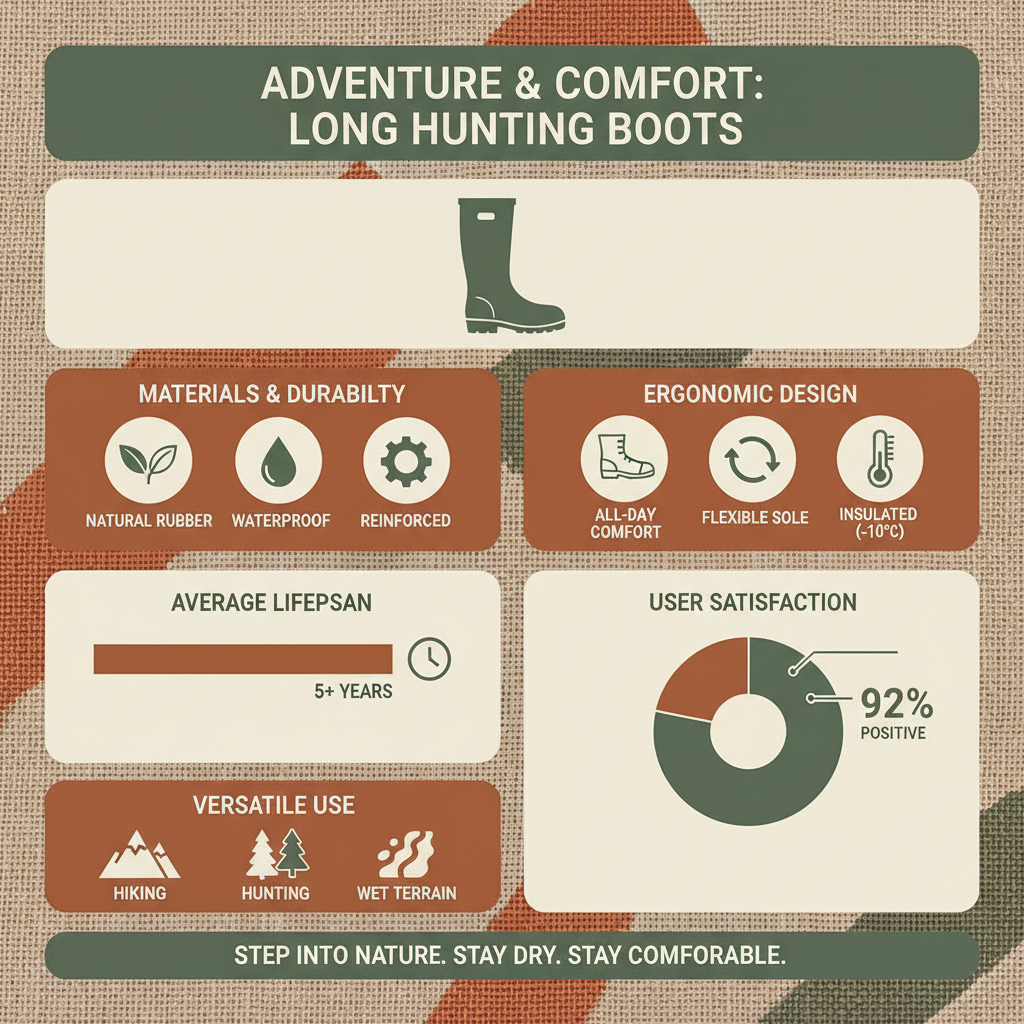
Durability is the cornerstone of any professional-grade long hunting boots design. This is achieved through the use of high-density vulcanized rubber or reinforced synthetic polymers that resist punctures from thorns and sharp rocks. A durable boot reduces the total cost of ownership by extending the replacement cycle, ensuring that the user is never left vulnerable in the field due to a sudden material failure.
Thermal Regulation and Breathability are often the most difficult factors to balance. Advanced long hunting boots now utilize neoprene linings or moisture-wicking membranes that trap heat in cold weather while allowing perspiration to escape. This prevents the "swamp foot" effect, which can lead to blisters and fungal infections during multi-day hunting trips in humid environments.
Traction and Ergonomic Support represent the final critical components. The outsole is typically engineered with deep, multi-directional lugs to provide grip on slippery clay or wet moss. Furthermore, the internal arch support and reinforced heel cup are essential for preventing fatigue, allowing hunters to maintain stability while carrying heavy loads over uneven terrain for extended periods.
Performance Metrics and Durability Analysis
To evaluate the effectiveness of various long hunting boots, we look at key performance indicators such as waterproof depth, thermal retention, and abrasion resistance. Different construction methods yield different results; for instance, injection-molded boots offer superior waterproofing but may lack the flexibility of stitched leather-rubber hybrids.
By quantifying these attributes, users can make an informed decision based on their primary environment. Whether the priority is maximum warmth for winter stalks or maximum breathability for spring wetlands, the following data illustrates how different design approaches perform across these critical metrics.
Comparative Performance of Long Hunting Boots Designs
Global Applications and Regional Use Cases
The practical application of long hunting boots varies significantly by geography. In the peat bogs of Northern Europe, hunters rely on ultra-high shafts to navigate deep, water-logged soil where a standard boot would be submerged within steps. In these regions, the boot serves as a critical piece of safety gear that prevents hypothermia of the lower extremities.
Similarly, in the remote industrial zones of Southeast Asia, these boots are often repurposed for agricultural and forestry management. Workers navigating rubber plantations or palm oil estates use the same waterproof technology to protect against leeches and damp soil. This versatility demonstrates that the engineering behind hunting boots has a broad utility across multiple professional sectors requiring rugged, waterproof protection.
Long-Term Value and Safety Advantages
Beyond the immediate utility of staying dry, the long-term value of high-quality long hunting boots lies in the prevention of chronic health issues. Constant exposure to dampness can lead to chronic trench foot or severe fungal infections that persist long after the hunting season ends. By providing a reliable seal, these boots preserve the skin's integrity and overall foot health.
From a psychological perspective, the confidence provided by professional gear allows the hunter to focus entirely on the environment. There is a significant mental burden associated with worrying about gear failure in a remote area; knowing your boots are impervious to the elements provides a sense of security and dignity. This trust in equipment is what separates a novice from a seasoned professional.
Moreover, the reliability of a well-constructed boot reduces the need for frequent replacements, making it a sustainable choice over the long term. When a boot is designed with reinforced stress points and high-grade materials, it doesn't just protect the wearer—it reduces waste by staying out of landfills for years longer than cheap, disposable alternatives.
Future Trends in Sustainable Boot Manufacturing
The future of long hunting boots is trending toward "Green Chemistry" and circular economy principles. Manufacturers are exploring bio-based rubbers derived from dandelion roots or recycled ocean plastics to replace petroleum-based polymers. This shift not only reduces the carbon footprint of production but also appeals to the environmentally conscious nature of modern hunters who seek to protect the habitats they explore.
Digital transformation is also playing a role through 3D foot scanning and customized midsole printing. In the near future, we can expect boots tailored to the exact anatomy of the user, significantly reducing friction points and eliminating the "break-in" period. This automation allows for mass customization, ensuring that every pair of boots provides maximum ergonomic support.
Furthermore, the integration of smart materials—such as phase-change materials (PCMs) that absorb and release heat based on the environment—will make boots more adaptable. Imagine a boot that automatically increases its insulation properties as the temperature drops below freezing, ensuring optimal comfort without adding bulk.
Analysis of Sustainable Material Evolution in Long Hunting Boots
| Material Type |
Durability Score (1-10) |
Eco-Friendliness |
Waterproof Efficiency |
| Vulcanized Rubber |
9 |
Low |
Excellent |
| Recycled PVC |
7 |
Medium |
High |
| Bio-based Polymer |
8 |
High |
High |
| Neoprene Blend |
6 |
Medium |
Medium |
| Vegan Leather/Rubber |
7 |
High |
High |
| Composite Graphene |
10 |
Medium |
Superior |
FAQS
When choosing long hunting boots, it is generally recommended to size up by half a size. This allows room for thick thermal socks, which are essential for preventing blisters and maintaining warmth. Ensure there is about a thumb's width of space at the toe to prevent bruising during steep descents.
Standard rubber is naturally non-breathable. However, professional long hunting boots incorporate moisture-wicking liners or neoprene inserts that pull sweat away from the skin. For maximum comfort, we recommend pairing them with merino wool socks to manage moisture effectively.
To maximize longevity, clean off mud and salt after every trip to prevent the rubber from cracking. Store them in a cool, dry place away from direct sunlight, as UV rays can degrade the polymer chains. For leather-hybrid boots, apply a conditioning agent periodically to keep the material supple.
Yes, the core technology of long hunting boots—waterproofing and ankle support—is identical to what is needed for fishing. The primary difference would be the camouflage pattern or specific tread design, but for most users, a high-quality pair of long boots serves both purposes perfectly.
Rubber boots provide an absolute waterproof barrier and are generally easier to clean, making them ideal for mud. Neoprene boots provide superior insulation and flexibility, making them better for cold-water immersion. Many high-end long hunting boots combine both: a rubber exterior for waterproofing and a neoprene interior for warmth.
While they are heavier than sneakers, the trade-off is protection. Modern advancements in lightweight polymers have significantly reduced the weight of long hunting boots. When compared to the weight of wet leather boots that have soaked up water, a lightweight rubber long boot is often actually lighter and more efficient.
Conclusion
In summary, long hunting boots represent a critical intersection of material science and outdoor utility. From their ability to withstand caustic environments and extreme temperatures to their role in preventing long-term health issues, these boots are indispensable for any serious outdoorsman. By focusing on key metrics such as durability, thermal regulation, and ergonomic support, hunters can ensure their gear enhances rather than hinders their experience in the wild.
Looking forward, the industry is poised for a revolution in sustainability and personalization. As bio-materials replace traditional plastics and 3D scanning optimizes fit, the next generation of footwear will be even more efficient and eco-friendly. We encourage all outdoor enthusiasts to prioritize quality over cost, as the right pair of boots is an investment in safety, comfort, and the longevity of their passion for the wilderness. Visit our website: www.landwalk-outdoor.com