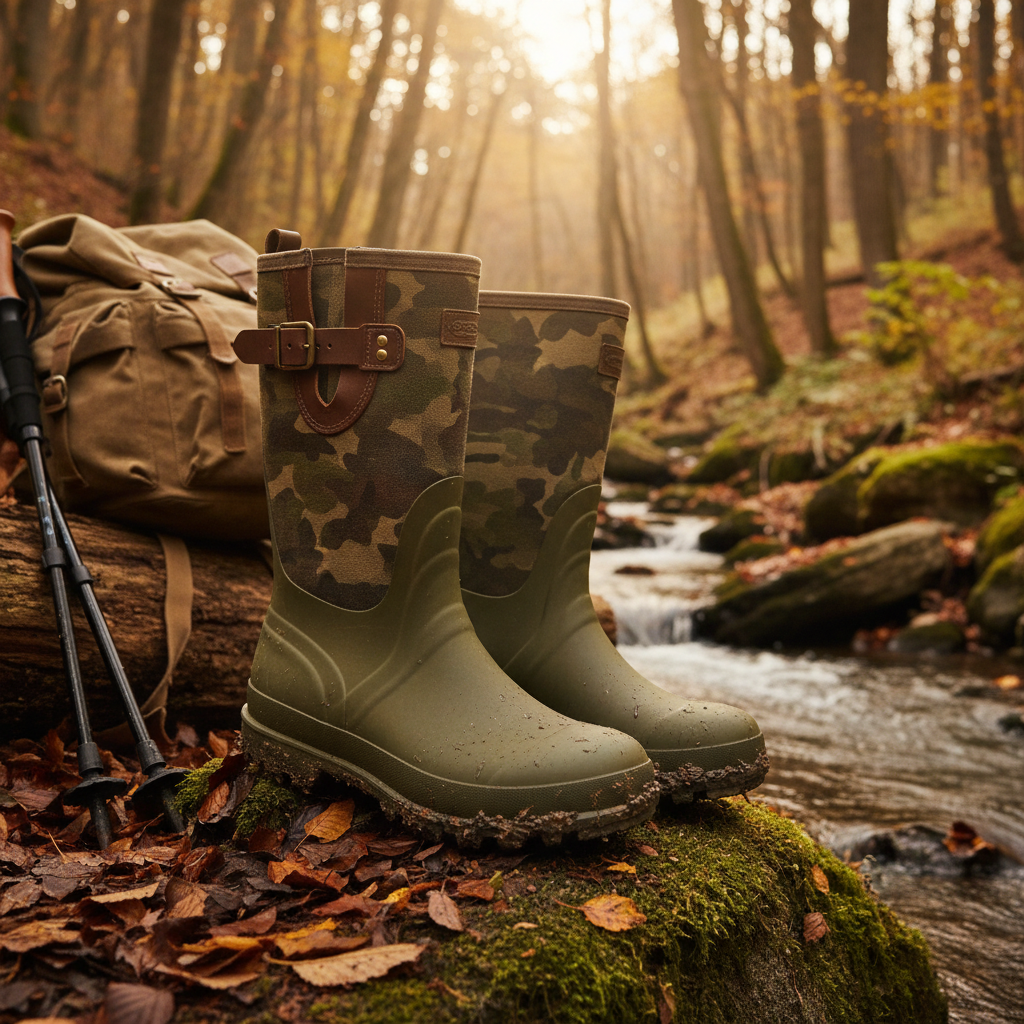
Selecting the right footwear is a critical decision for any outdoorsman, as the environment often dictates the success of a trip. High-quality rain boots for hunting provide more than just water resistance; they offer a combination of camouflage, ankle support, and thermal insulation that allows hunters to remain stationary and concealed in damp terrains without compromising comfort.
Across the globe, from the marshlands of the American South to the dense forests of Eastern Europe, the demand for specialized waterproof footwear has grown. The integration of advanced polymers and ergonomic design ensures that these boots can withstand the rigors of the wild while preventing moisture-related injuries like trench foot or hypothermia, making them an essential piece of safety gear.
Understanding the technical specifications of rain boots for hunting—such as the difference between vulcanized rubber and neoprene—empowers users to choose gear that matches their specific climate. By investing in the right materials, hunters can ensure longevity in their equipment, reducing waste and enhancing their overall experience in the great outdoors.
Global Industry Context of Hunting Waterproof Footwear
The global market for specialized outdoor footwear is driven by a growing intersection of recreational hunting and professional land management. Industry data suggests that the demand for waterproof gear fluctuates with seasonal climate shifts, but there is a steady increase in the adoption of ISO-certified materials that ensure chemical resistance and durability in harsh wetlands.
One of the primary challenges hunters face is the "moisture-cold" cycle, where wet feet lead to rapid heat loss. Traditional leather boots often fail in saturated environments, creating a market gap that rain boots for hunting fill by providing a 100% impermeable barrier combined with thermal linings.
Defining Technical Rain Boots for Hunting
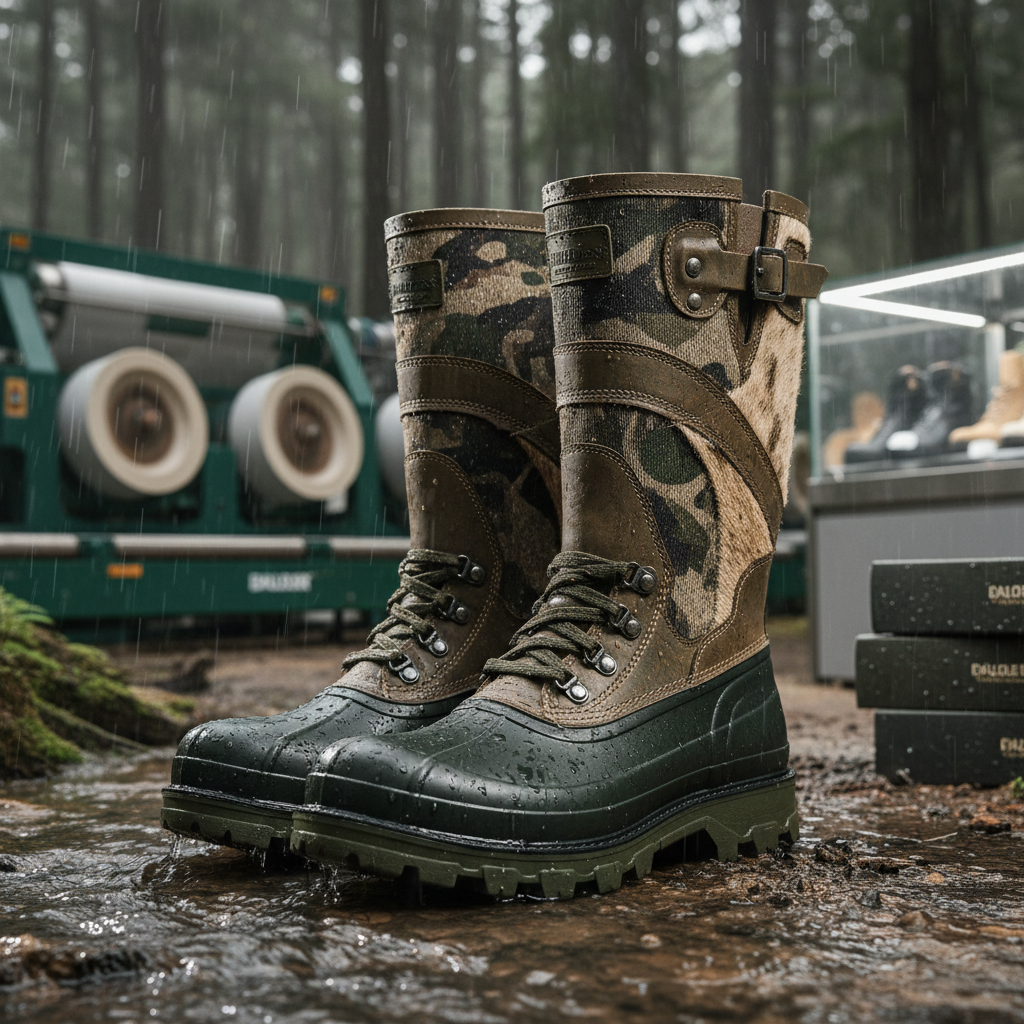
In simple terms, rain boots for hunting are heavy-duty, waterproof boots designed specifically for the needs of the wild. Unlike standard fashion rain boots, these are engineered with deep-lugged outsoles for traction on slippery mud and camouflage patterns to blend into natural surroundings. They often feature a taller shaft to prevent water from entering during deep wading.
Beyond mere water resistance, these boots are connected to the broader industrial need for PPE (Personal Protective Equipment). In many rural regions, the same technology used in hunting boots is applied to agricultural and forestry work, where foot protection from moisture and punctures is a fundamental requirement for workplace safety.
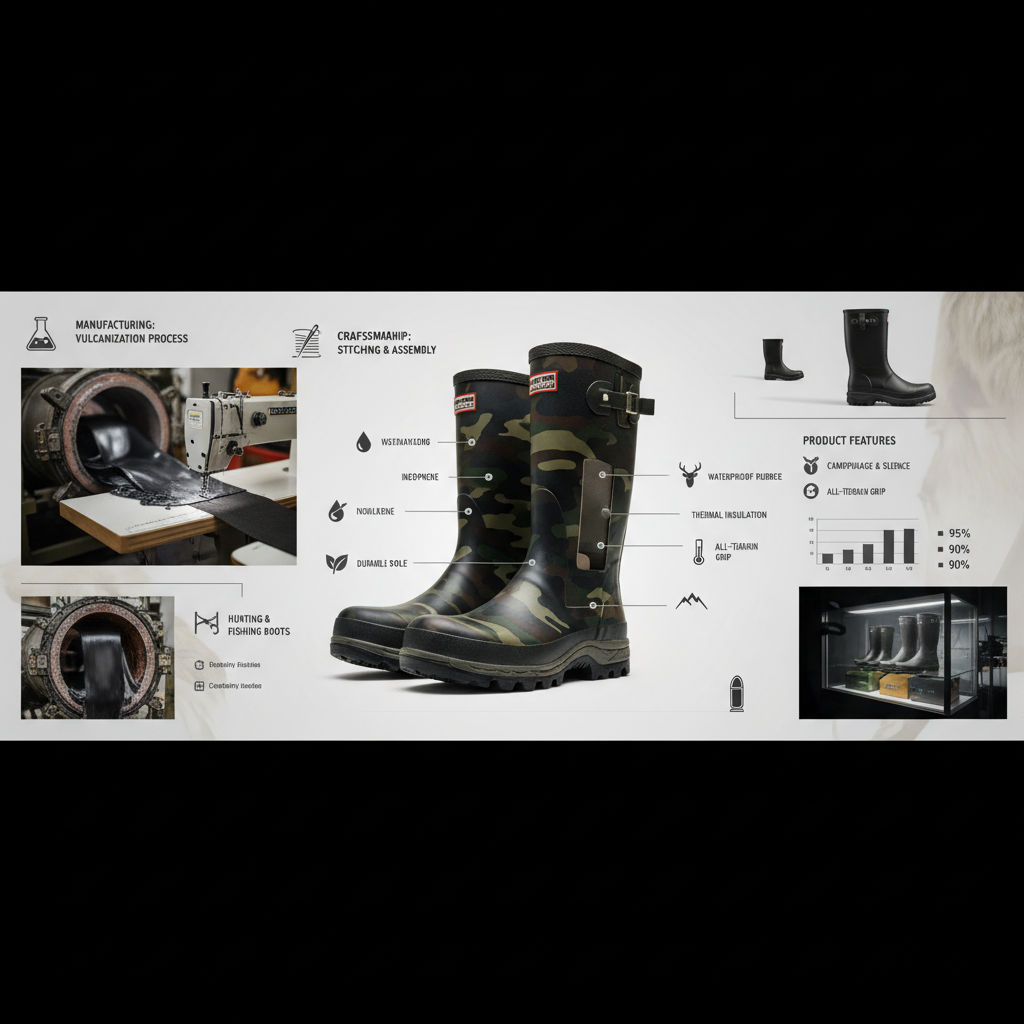
Modern iterations of these boots incorporate multi-layered construction, utilizing a blend of vulcanized rubber, EVA foam for cushioning, and neoprene for warmth. This evolution reflects a shift from "simple rubber boots" to "technical equipment" designed to optimize the hunter's stealth and physical endurance in the field.
Core Components of High-Performance Boots
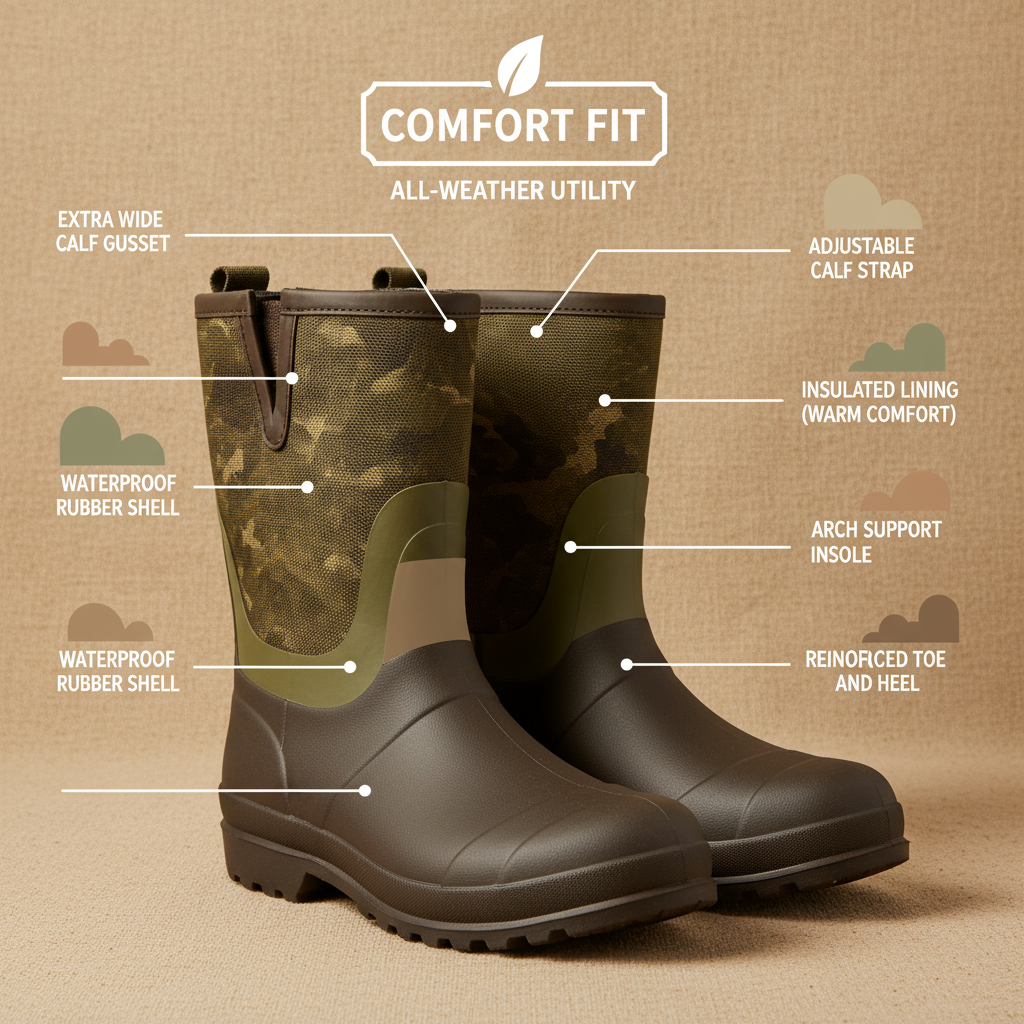
Durability is the cornerstone of any reliable rain boots for hunting. The use of high-density rubber compounds ensures that the boots do not crack under extreme temperature fluctuations or tear when navigating through thorny brush and sharp rocks.
Traction and stability are equally vital. Specialized outsoles featuring self-cleaning lugs are integrated into rain boots for hunting to prevent mud buildup, ensuring that the hunter maintains a firm grip on unstable surfaces, which is critical for safety during steep descents or river crossings.
Thermal Regulation and Comfort represent the final key component. By integrating moisture-wicking liners and insulating foams, these boots prevent the buildup of condensation inside the boot, keeping the feet dry and warm even when the external temperature drops significantly.
Performance Metrics and Material Efficiency
When evaluating the efficiency of various materials used in waterproof footwear, manufacturers look at the balance between weight and impermeability. Heavier rubbers provide more protection but can lead to fatigue, whereas composite materials offer a lightweight alternative that maintains the necessary waterproof standards for rain boots for hunting.
The following data illustrates how different construction methods impact the overall performance rating of hunting boots across key categories such as warmth, grip, and weight.
Comparison of Rain Boots for Hunting Material Types
Global Applications and Regional Use Cases
In the humid subtropical regions of Southeast Asia and the Southern United States, rain boots for hunting are indispensable for waterfowl hunting. These areas require boots that can handle deep mud and standing water for extended periods, where the boots serve as the primary defense against fungal infections and skin irritation.
Furthermore, in remote industrial zones or during post-disaster relief operations in flooded areas, these boots are often repurposed for search and rescue teams. The same rugged construction that allows a hunter to move through a swamp allows a rescue worker to navigate debris-strewn floodwaters with confidence and stability.
Long-Term Value and Sustainability Benefits
The long-term value of investing in premium rain boots for hunting lies in their reliability and reduced replacement frequency. Cheap, non-technical boots often fail within a single season, leading to more landfill waste. In contrast, high-grade rubber and neoprene boots can last for years with proper care, offering a more sustainable consumption model for outdoor enthusiasts.
From an emotional perspective, the right footwear provides peace of mind. The confidence that comes from knowing your feet will remain dry and warm, regardless of the weather, allows the hunter to focus entirely on their goal. This psychological security is a key driver in the purchase of professional-grade gear.
Moreover, the shift toward sustainable manufacturing—such as using natural rubber harvested from FSC-certified forests—is adding a layer of ethical value to these products. This ensures that the pursuit of nature does not come at the cost of destroying it.
Future Innovations in Hunting Footwear Technology
The future of rain boots for hunting is leaning heavily toward digital integration and bio-mimicry. We are seeing the emergence of "smart soles" that can detect terrain changes or provide haptic feedback to the user, and the use of graphene-enhanced rubbers that provide unprecedented strength-to-weight ratios.
Sustainability is also driving innovation, with the development of biodegradable polymers that maintain 100% waterproof integrity but break down more efficiently at the end of their life cycle. This transition toward "green chemistry" is essential for the longevity of the outdoor industry.
Automation in the manufacturing process, such as 3D knitting for interior liners, allows for a customized fit that eliminates friction points and blisters. This ensures that the boots are not only waterproof but anatomically optimized for the individual user.
Comparative Analysis of Modern Hunting Boot Technologies
| Technology Type |
Waterproof Level |
Weight Impact |
Durability Score (1-10) |
| Vulcanized Rubber |
Absolute |
Heavy |
9 |
| Neoprene Lined |
High |
Medium |
8 |
| Graphene Polymer |
Absolute |
Light |
10 |
| PVC Synthetic |
Medium |
Light |
5 |
| Bio-Polymer |
High |
Medium |
7 |
| Hybrid Mesh/Rubber |
Partial |
Very Light |
6 |
FAQS
Rain boots for hunting are specifically engineered for rugged terrain. They feature camouflage patterns for concealment, deep-lugged outsoles for superior grip in mud and slime, and often include thermal linings like neoprene to keep hunters warm during long periods of inactivity in cold, wet environments.
To maintain the integrity of your rubber boots, clean them with mild soap and water after every trip to remove salt and mud. Avoid storing them in direct sunlight or near high-heat sources, which can dry out the rubber. Using a rubber conditioner occasionally can keep the material supple.
Yes, neoprene acts as a powerful insulator by trapping air bubbles that retain body heat. While plain rubber is 100% waterproof, it offers very little insulation. Neoprene-lined rain boots for hunting provide the perfect balance of waterproof protection and warmth for autumn and winter hunts.
Absolutely. The technical requirements for fishing—waterproofing, traction on wet rocks, and durability—are nearly identical to those for hunting. Many of our products are categorized as Hunting & Fishing Boots because they excel in both amphibious environments.
The key is to wear moisture-wicking wool or synthetic socks rather than cotton. Cotton traps moisture against the skin. Additionally, choosing boots with a breathable inner lining or using removable insoles that can be dried overnight helps manage humidity inside the boot.
It depends on the terrain. For general forest hunting, a mid-calf height is sufficient. However, for marshy areas or waterfowl hunting, a tall shaft (15-18 inches) is recommended to prevent water from splashing over the top when walking through deep puddles or mud.
Conclusion
In summary, rain boots for hunting represent a vital fusion of material science and practical field utility. From the essential role of high-traction outsoles and impermeable rubber to the integration of thermal neoprene, these boots ensure that hunters can face the most challenging environments with confidence. By prioritizing durability and ergonomic design, the industry has moved beyond basic protection toward professional gear that enhances safety, comfort, and stealth.
As we look toward the future, the integration of sustainable polymers and smart-material technology will continue to redefine the outdoor experience. For any serious outdoorsman, investing in high-quality waterproof footwear is not just about comfort—it is about reliability in the wild. To explore our full range of specialized gear, visit our website: www.landwalk-outdoor.com.