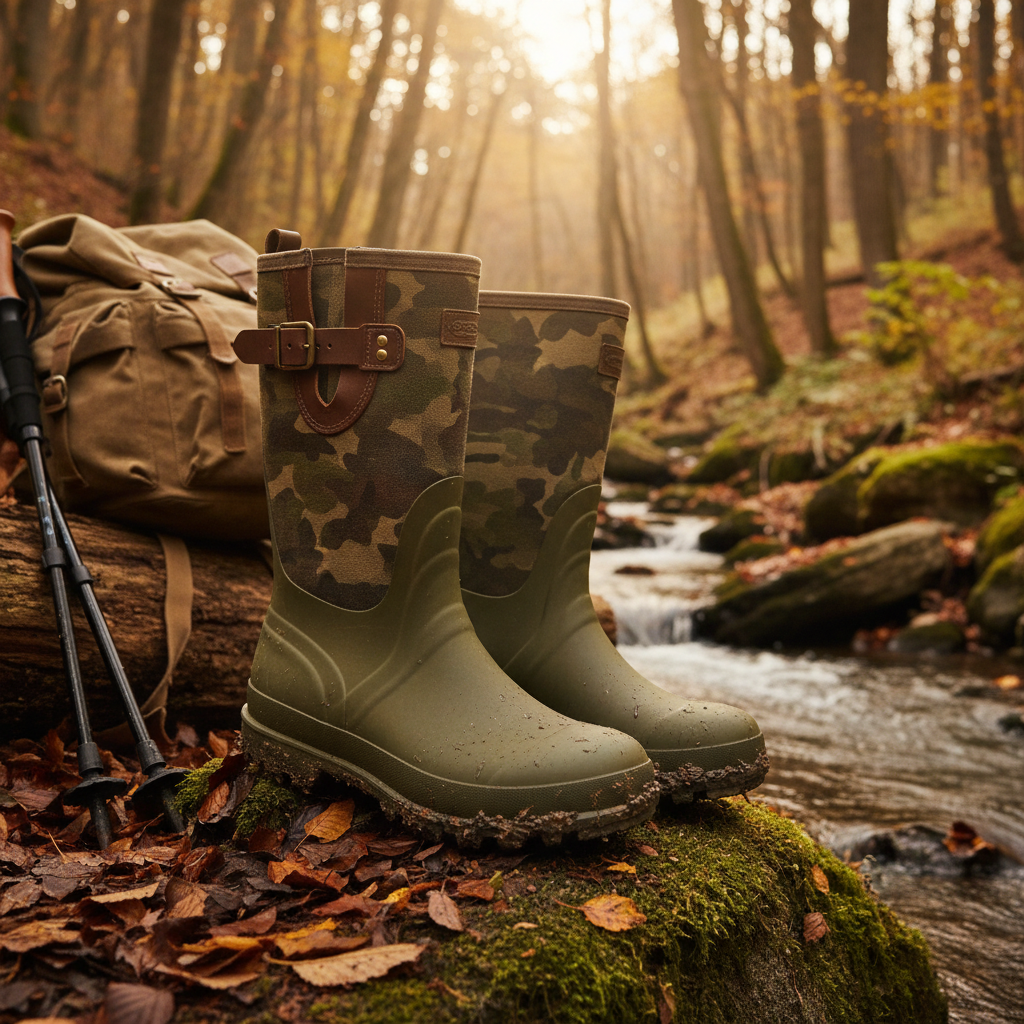
Selecting the right footwear is a critical decision for any outdoor enthusiast, but for those venturing into rugged terrains, mountain hunting boots represent the essential intersection of safety, durability, and performance. These specialized boots are engineered to provide maximum ankle support and traction on unpredictable slopes, ensuring that hunters can navigate steep inclines and dense brush without compromising their stability or comfort.
Globally, the demand for high-performance hunting gear has surged as outdoor sports integrate more advanced material science. Whether navigating the rocky peaks of the Rockies or the damp highlands of Scotland, the physiological strain on the feet during a hunt is immense. Understanding the technical specifications of these boots—from the lug depth of the sole to the breathability of the membrane—is the difference between a successful expedition and a costly injury.
By investing in premium mountain hunting boots, users gain more than just protection; they acquire a tool that enhances their stealth and endurance. This guide explores the global industry context, the core components that define quality footwear, and the latest innovations that are shaping the future of mountain exploration and hunting.
The Global Industry Context of Mountain Hunting Footwear
The global market for specialized outdoor footwear has seen a significant shift toward "hybridization," where the lines between hiking boots and dedicated hunting gear blur. According to industry trends aligned with ISO quality standards for protective footwear, the integration of lightweight polymers and reinforced leather has reduced the average weight of mountain hunting boots by nearly 15% over the last decade. This evolution is driven by a growing global population of hunters who prioritize long-distance mobility without sacrificing the rigid support required for heavy pack hauling.
However, this shift presents a challenge: the trade-off between weight and durability. In remote industrial zones or high-altitude wilderness, a boot failure can be catastrophic. Manufacturers are now leveraging data from extreme environment testing to create boots that withstand abrasive granite and acidic bog water, ensuring that the footwear can handle the diverse demands of global topography.
Defining Technical Standards for Mountain Hunting Boots
At its core, mountain hunting boots are high-cut, rugged footwear specifically designed for stability on uneven, steep, and often slippery surfaces. Unlike standard walking shoes, these boots feature a reinforced shank—a stiff insert between the insole and outsole—that prevents the foot from wrapping around rocks, thereby reducing muscle fatigue during ascent and descent.
Beyond simple protection, these boots serve a humanitarian and safety purpose in remote regions. For wildlife management officers and backcountry guides, this footwear is a piece of essential safety equipment. The ability to maintain grip on a 45-degree slope while carrying 50+ lbs of gear is not just a convenience; it is a requirement for survival in the wild.
Modern industry standards now categorize these boots by their "stiffness rating" and "waterproof permeability." A true mountain boot must balance the exclusion of external moisture with the ability to vent internal perspiration, preventing blisters and frostbite—two of the most common challenges faced by hunters in alpine environments.
Core Components for Maximum Terrain Performance
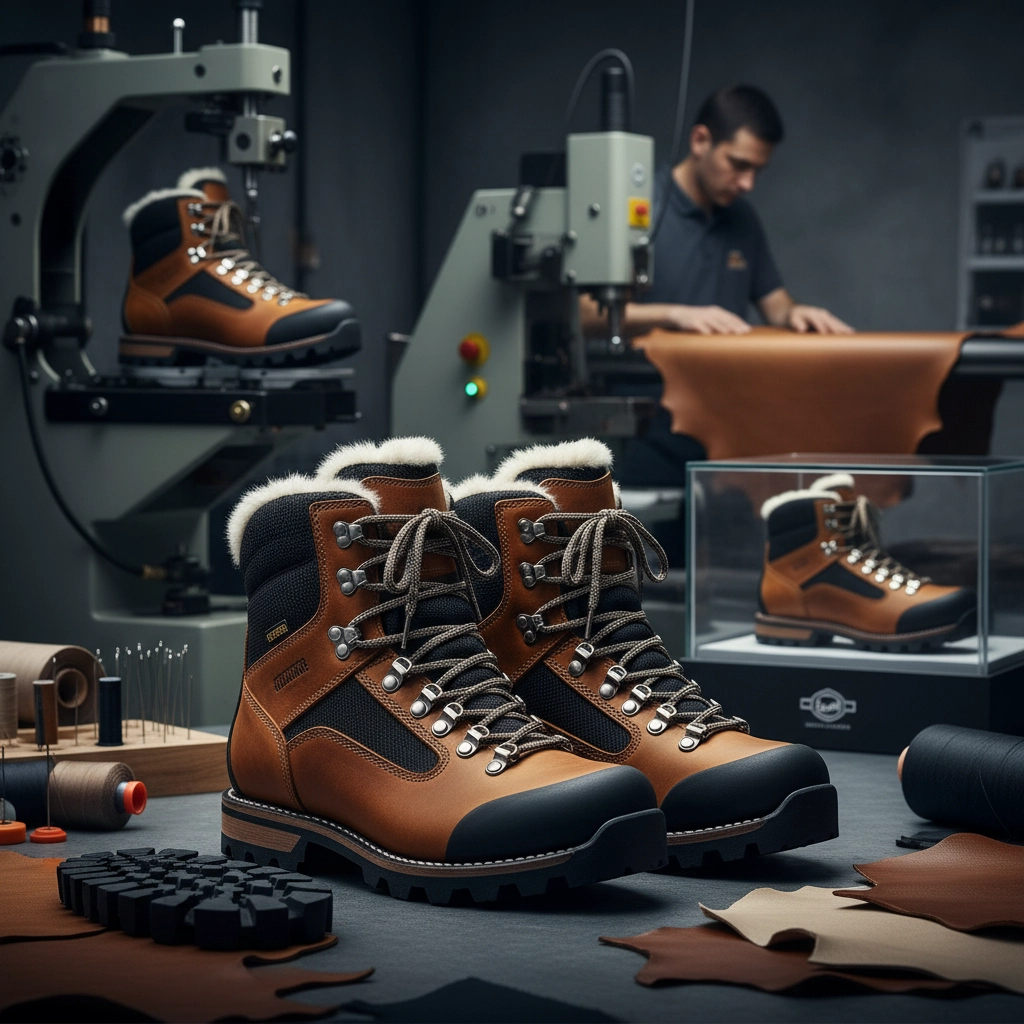
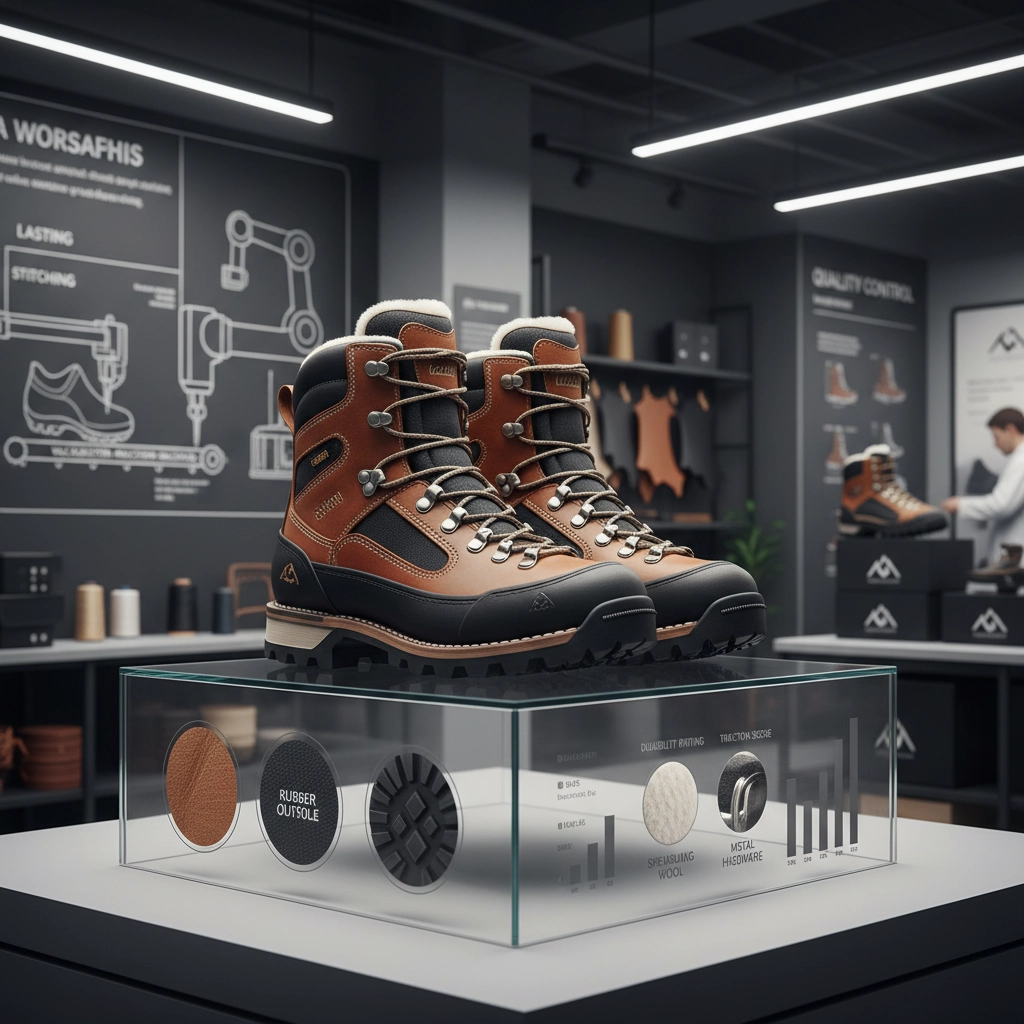
Durability is the primary pillar of mountain hunting boots. This is achieved through the use of full-grain leather or high-denier synthetic fabrics paired with a rubber rand—a protective strip that wraps around the base of the upper to shield the leather from sharp rocks and thorns.
Traction and Stability are equally critical. The outsole of high-end mountain hunting boots typically features deep, multi-directional lugs that "bite" into loose soil and mud. When combined with a high-top ankle collar, these elements provide the lateral stability needed to prevent sprains on treacherous mountain paths.
Lastly, Thermal Regulation and Moisture Management ensure long-term comfort. The integration of Gore-Tex or similar breathable membranes allows water to stay out while allowing sweat vapor to escape. This is coupled with moisture-wicking liners that keep the foot dry, which is essential for preventing skin maceration during multi-day hunts.
Comparative Analysis of Boot Construction Methods
The construction of mountain hunting boots varies significantly depending on the intended use case. Traditional Goodyear welt construction offers maximum longevity and allows for the boots to be resoled multiple times, making them a sustainable choice for lifetime hunters. In contrast, cemented construction provides a lighter, more flexible feel, which is preferred for "fast and light" mountain approaches.
Choosing the right method involves balancing the need for rigidity against the need for agility. A boot that is too stiff may cause discomfort on flat ground, while one that is too flexible will fail to support the arch and ankle under the weight of a heavy kill or gear load.
Performance Metrics of Different Mountain Hunting Boots Designs
Global Applications in Diverse Ecosystems
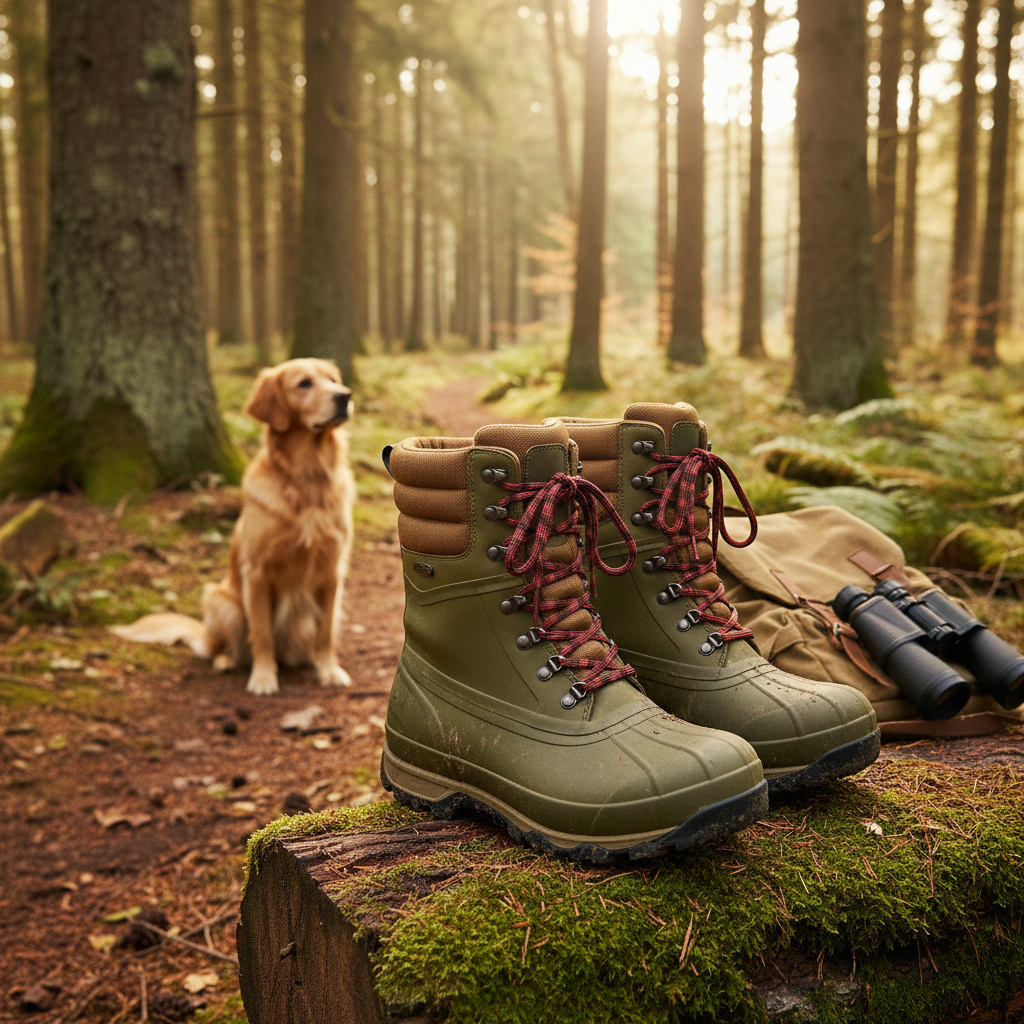
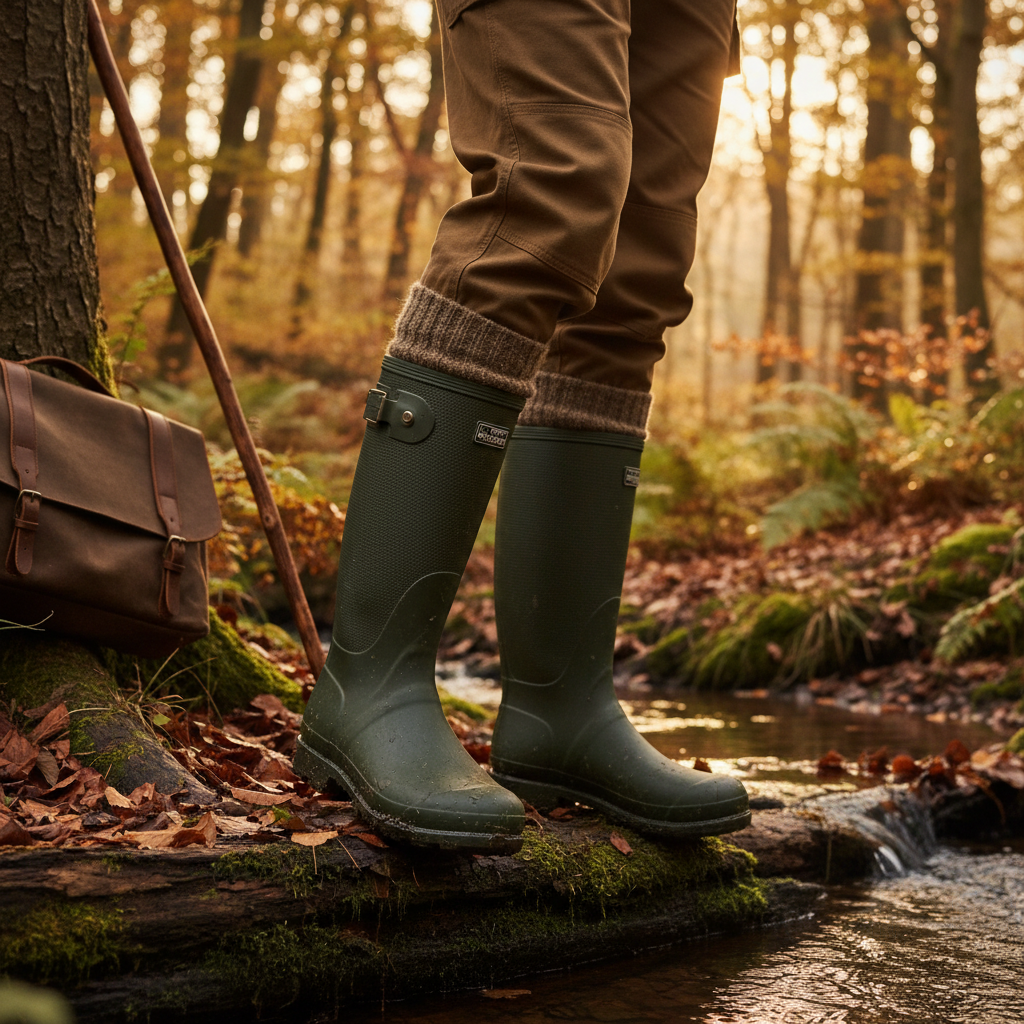
The application of mountain hunting boots extends beyond traditional sport. In the Pacific Northwest, these boots are utilized by conservationists navigating rainforest slopes where moisture is constant and the terrain is slippery. The deep lug patterns provide the necessary grip on wet pine needles and mossy rocks, preventing slips that could lead to serious injury.
Similarly, in the arid mountains of Central Asia or the American Southwest, the focus shifts toward breathability and heat dissipation. In these regions, boots are designed with perforated leather or mesh panels to prevent overheating, while maintaining the rigid sole required for navigating sharp volcanic rock and shale.
Long-term Value and Safety Advantages
The long-term value of high-quality mountain hunting boots is measured in both financial savings and physical health. While the initial investment is higher than that of a standard hiking boot, the extended lifespan and resole-ability of premium leather boots mean a lower cost-per-wear over a decade of use.
From a safety perspective, the psychological confidence provided by stable footwear cannot be overstated. When a hunter knows their boots will not slip on a steep descent, they can focus their mental energy on navigation and safety. This reduction in stress leads to better decision-making in the field, directly impacting the overall success and safety of the expedition.
Furthermore, the ergonomic design of these boots reduces the long-term impact on joints. By providing superior arch support and shock absorption, they mitigate the risk of chronic conditions such as plantar fasciitis or knee strain, which are common among those who spend weeks traversing rugged mountain terrain.
Future Trends in Sustainable Hunting Gear
The future of mountain hunting boots is moving toward "Green Performance." We are seeing a rise in the use of bio-based polymers for outsoles and recycled PET for linings. The goal is to maintain the extreme durability required for mountain use while reducing the carbon footprint of the manufacturing process.
Digital transformation is also playing a role through 3D foot scanning. By creating a digital twin of a hunter's foot, manufacturers can now produce custom-molded midsoles that perfectly match the user's arch and pressure points. This level of personalization eliminates the "break-in" period and significantly reduces the incidence of blisters.
Additionally, the integration of "smart materials" that can change their thermal properties based on ambient temperature is on the horizon. Imagine a boot that increases insulation as the temperature drops below freezing but opens its pores as the user climbs and generates more body heat.
Comparative Analysis of Technical Specs for Future Mountain Footwear
| Material Type |
Waterproof Rating |
Weight Class |
Durability Score (1-10) |
| Full-Grain Leather |
High (with wax) |
Heavy |
10 |
| Synthetic Nubuck |
Medium-High |
Medium |
7 |
| Gore-Tex Hybrid |
Maximum |
Medium-Light |
8 |
| Bio-Polymer Mesh |
Low-Medium |
Ultra-Light |
6 |
| Reinforced Rubber |
Total |
Heavy |
9 |
| Kevlar-Infused Fabric |
Medium |
Medium |
9 |
FAQS
The primary difference lies in the rigidity and support. Mountain hunting boots feature a stiffer midsole shank and higher ankle support to handle the weight of heavy packs on steep inclines. While hiking boots are designed for maintained trails, hunting boots are built for "off-trail" navigation through brush, scree, and unstable slopes, offering superior lateral stability and more aggressive lug patterns for maximum grip.
Breaking in leather boots is a gradual process. Start by wearing them around the house for a few hours, then transition to short walks on flat ground. Gradually increase the distance and the weight of your pack. This allows the leather to mold to your foot and prevents blisters. Avoid using heat guns to speed up the process, as this can damage the leather's natural oils and compromise durability.
Not necessarily. While waterproof membranes like Gore-Tex are essential for wet, cold environments, they can reduce breathability in hot, arid climates. If you are hunting in high-heat desert mountains, a highly breathable, non-waterproof leather boot may be more comfortable by allowing moisture to escape more efficiently, reducing the risk of overheating and blisters.
Resoling depends on the terrain and frequency of use. You should consider resoling when the lug depth has worn down to the point where you notice a decrease in traction, especially on slippery or steep surfaces. For most hunters, this occurs every 2-4 years. Choosing boots with a Goodyear welt makes this process cost-effective and sustainable compared to replacing the entire pair.
Merino wool socks are the industry standard. They provide excellent cushioning, natural odor resistance, and—most importantly—they keep your feet warm even when wet. To prevent blisters, many professionals use a "liner sock" system: a thin synthetic sock against the skin and a thicker merino wool sock over it to reduce friction between the foot and the boot.
After every trip, clean off mud and debris with a damp cloth. Once dry, apply a high-quality leather conditioner or waterproofing wax to keep the material supple and water-repellent. Store them in a cool, dry place away from direct heat sources (like radiators), which can crack the leather. Regular maintenance can extend the life of a premium pair of boots for decades.
Conclusion
In summary, mountain hunting boots are more than just footwear; they are a critical piece of safety equipment that bridges the gap between human endurance and the unforgiving nature of alpine terrains. By prioritizing technical components such as rigid shanks, aggressive outsoles, and advanced moisture membranes, hunters can ensure their safety, maximize their comfort, and extend their operational capacity in the wilderness.
As the industry moves toward more sustainable materials and personalized, 3D-modeled fits, the value of investing in high-quality footwear will only increase. Whether you are a professional guide or a seasonal enthusiast, the right choice in boots is an investment in your long-term physical health and the success of your outdoor pursuits. For the best in professional outdoor footwear, visit our website: www.landwalk-outdoor.com.