When venturing into dense brush or wetlands, the safety of a hunter often depends on the gear they wear from the ground up. Specialized snake boots for hunting are not merely footwear but essential protective equipment designed to mitigate the risks associated with venomous encounters. By integrating puncture-resistant materials with ergonomic support, these boots provide a critical layer of defense without compromising the agility needed for a successful trek.
Globally, the demand for high-performance protective footwear has surged as outdoor enthusiasts and professional hunters explore increasingly diverse terrains. From the scrublands of Australia to the wetlands of the Southeastern United States, the threat of snake bites remains a constant variable. This has pushed the manufacturing industry to innovate, moving beyond simple leather to composite materials that offer superior strength-to-weight ratios.
Understanding the technical specifications of snake boots for hunting—such as puncture ratings and waterproof membranes—is vital for any serious outdoorsman. Selecting the right pair ensures that you can focus on the hunt rather than the hazards beneath your feet, blending the necessity of safety with the comfort required for long-duration expeditions.
Global Industry Context of Snake Protective Footwear
The global market for specialized outdoor footwear is heavily influenced by the intersection of safety standards and ecological challenges. According to international health data, thousands of snake-related injuries occur annually in rural and wilderness areas, prompting a shift toward "preventative wear." In the footwear industry, this has led to the development of snake boots for hunting that adhere to strict durability and permeability standards.
Modern manufacturing now employs advanced polymers and reinforced textiles to create barriers that are nearly impenetrable to most common snake fangs. The challenge for the industry has been balancing the rigidity needed for protection with the flexibility required for human movement, ensuring that the user doesn't experience fatigue during extended hunting trips.
Defining the Engineering of Snake Boots for Hunting
At its core, snake boots for hunting are specialized high-shaft boots engineered with an inner lining of puncture-resistant material. Unlike standard hiking boots, these are designed specifically to prevent the fangs of venomous snakes from penetrating the skin of the lower leg and ankle, which are the most common strike zones during a walk through tall grass.
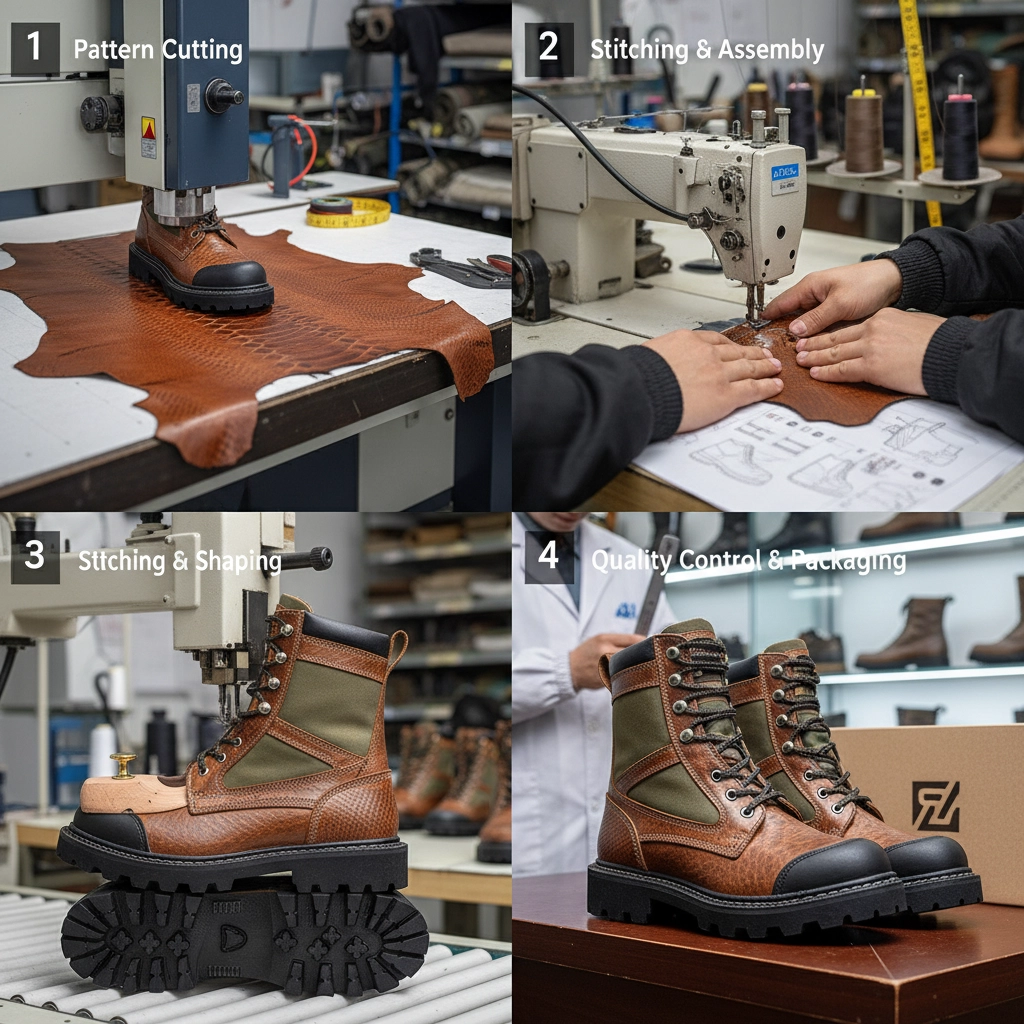
The engineering process involves a multi-layered approach: an outer shell for abrasion resistance, a middle layer of high-density synthetic fabric or Kevlar for puncture protection, and an inner lining for moisture management and comfort. This structure transforms a simple piece of clothing into a piece of personal protective equipment (PPE) tailored for the wilderness.
In the context of modern hunting, these boots bridge the gap between heavy-duty industrial safety gear and lightweight athletic footwear. They address the humanitarian need for safety in remote regions where medical assistance is hours or even days away, making them a non-negotiable asset for guides, researchers, and hunters alike.
Core Technical Components for Maximum Protection
Durability is the primary metric for snake boots for hunting. The outer material must withstand the caustic effects of swamp water, the sharpness of thorns, and the constant friction of dense undergrowth. High-grade rubber or treated leather is typically used to ensure the boot does not degrade under harsh environmental stressors.
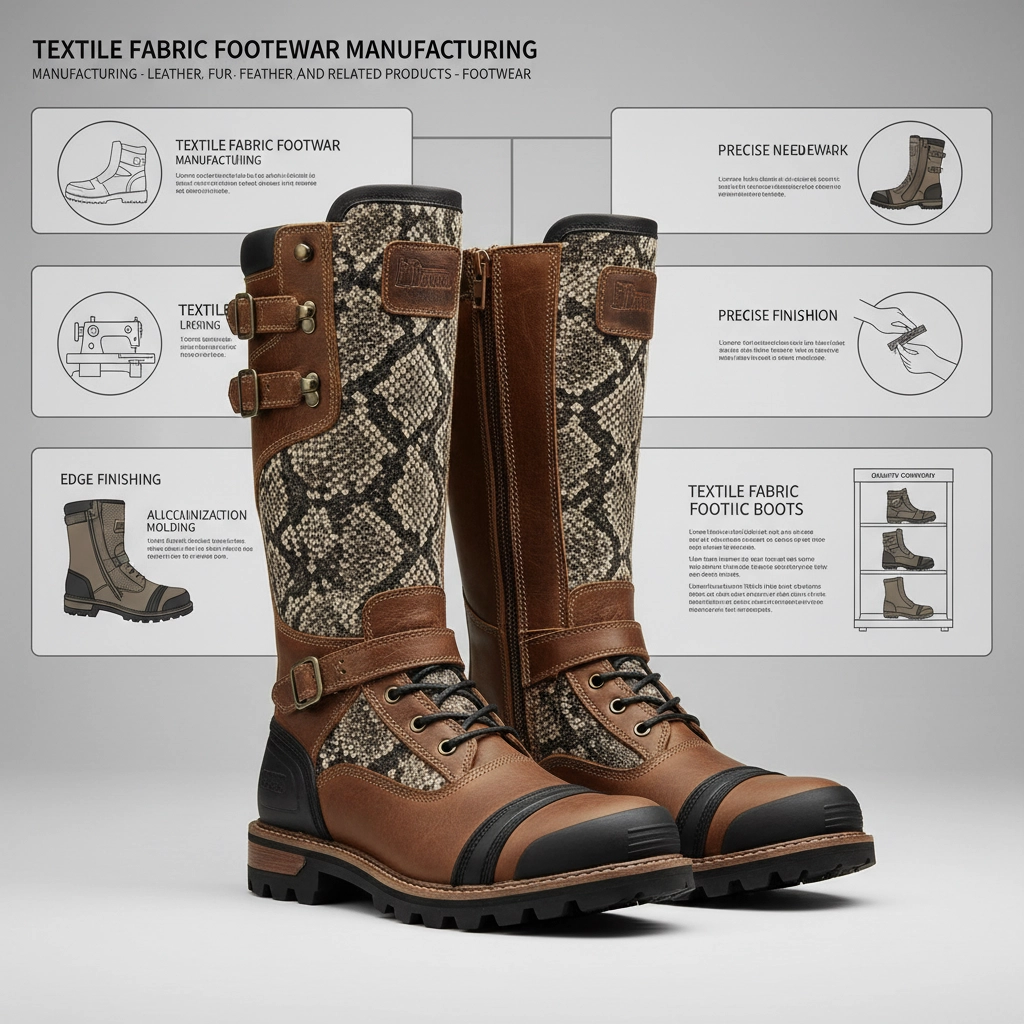
The puncture-resistant membrane is the "heart" of the boot. By using tight-weave synthetic fibers, manufacturers create a surface tension that resists the piercing force of a snake's fang. This technical layer is strategically placed from the toe up to the mid-calf, providing comprehensive coverage for the most vulnerable areas of the leg.
Waterproofing and breathability are equally critical. A boot that keeps the wearer dry but traps heat leads to blisters and discomfort. Therefore, the integration of breathable membranes allows perspiration to escape while preventing external water from entering, ensuring the hunter remains comfortable during the long hours required for stalking prey.
Performance Analysis of Protective Materials
Selecting the right material for snake boots for hunting requires a trade-off between weight and protection. While heavy rubber provides excellent waterproofing and puncture resistance, advanced synthetic blends offer the agility needed for steep climbs. The following analysis compares common material compositions used in the industry today.
By evaluating various "protection levels," we can see that hybrid designs—combining a rubber foot with a synthetic shaft—often provide the best balance of safety and mobility for the average hunter.
Comparative Protection Ratings for Snake Boots for Hunting
Real-World Applications Across Diverse Terrains
In the muddy wetlands of the Everglades or the thick brush of the Australian Outback, snake boots for hunting serve as a vital insurance policy. Professional guides often rely on these boots to lead clients safely through habitats where venomous species are endemic, reducing the risk of catastrophic accidents during guided tours.
Beyond recreational hunting, these boots are utilized by environmental researchers and wildlife biologists. In remote industrial zones, such as oil and gas exploration sites in tropical regions, workers are required to wear puncture-resistant footwear to prevent injuries during site surveys, highlighting the versatility of this design beyond the sporting world.
Long-Term Value and Safety Benefits
The long-term value of investing in high-quality snake boots for hunting extends far beyond a single season. When constructed from premium, UV-resistant materials, these boots maintain their structural integrity for years, offering a lower cost-per-use than cheaper alternatives that crack or leak after a few excursions.
Psychologically, the presence of reliable protective gear increases the hunter's confidence. When a person is not preoccupied with the fear of a hidden snake, they are more observant of their surroundings and more precise in their movements. This peace of mind is an intangible but significant benefit that enhances the overall hunting experience.
Furthermore, the reliability of these boots reduces the potential for medical emergencies in the backcountry. Avoiding a snake bite not only saves the wearer from physical pain and potential long-term health issues but also prevents the logistical nightmare of an emergency evacuation from a remote wilderness area.
Future Innovations in Snake-Proof Technology
The future of snake boots for hunting lies in the integration of "smart materials" and sustainable manufacturing. We are seeing a shift toward bio-based polymers that offer the same puncture resistance as petroleum-based plastics but with a significantly lower carbon footprint, aligning the industry with global sustainability goals.
Digital transformation is also influencing design through 3D foot scanning and additive manufacturing. This allows for customized boot geometries that provide a perfect fit for the wearer, eliminating the friction points that cause blisters and further increasing the efficiency of the protective layers.
Additionally, research into nanostructures is promising a new generation of ultra-lightweight fabrics that can stop a fang's penetration while remaining as thin as a standard sock. This would revolutionize the "weight vs. protection" trade-off, making professional-grade safety accessible to a wider range of outdoor enthusiasts.
Comparative Analysis of Snake Boot Technical Specifications
| Material Type |
Puncture Resistance |
Weight Class |
Ideal Terrain |
| Vulcanized Rubber |
High |
Heavy |
Swamps/Marshes |
| Reinforced Nylon |
Medium-High |
Light |
Dry Grasslands |
| Kevlar Composite |
Ultra-High |
Medium |
Thick Brush |
| Treated Leather |
Medium |
Medium-Heavy |
Mountainous Forest |
| Neoprene Hybrid |
Medium-High |
Medium |
Wetlands/Mud |
| Polyurethane (PU) |
High |
Medium-Light |
Mixed Terrain |
FAQS
While snake boots for hunting are designed to stop the vast majority of snake bites, no boot can claim 100% absolute protection. They significantly reduce the risk and the depth of a potential bite, but users should still remain vigilant and avoid stepping directly on snakes.
To maintain the integrity of the protective layers, rinse off mud and debris with clean water after each use. Avoid using harsh chemical solvents that could break down the puncture-resistant membranes. For leather versions, apply a waterproof conditioner to prevent cracking.
Some traditional rubber boots can be warm, but modern snake boots for hunting often feature moisture-wicking liners and breathable membranes. Choosing a synthetic-hybrid model can provide a better balance of ventilation and safety during warmer months.
Standard rubber boots are designed for waterproofing and basic protection. Snake boots include an additional, specialized internal layer of high-density, puncture-resistant material specifically engineered to prevent fangs from penetrating the boot's wall.
Most professional snake boots for hunting feature a shaft that reaches the mid-calf. This is because most snake strikes occur in the lower leg area; ensuring the boot covers this zone is critical for effective defense.
Yes, provided you choose a model designed for mobility. While heavy-duty rubber is best for swamps, the lightweight synthetic versions are specifically engineered for long-distance movement, offering the support of a hiking boot with the safety of a snake guard.
Conclusion
Investing in high-quality snake boots for hunting is a fundamental step for anyone serious about wilderness safety. By combining advanced puncture-resistant materials with ergonomic designs, these boots provide a necessary shield against venomous threats without sacrificing the mobility required for a successful hunt. From the technical selection of membranes to the long-term value of durable construction, the right footwear transforms a dangerous environment into a manageable one.
As materials science continues to evolve, we can expect even lighter and more breathable options that provide uncompromising protection. For every hunter, researcher, or outdoor professional, prioritizing safety today ensures many more successful adventures tomorrow. We encourage you to evaluate your terrain and choose footwear that matches your specific risk profile. Visit our website for professional-grade solutions: www.landwalk-outdoor.com