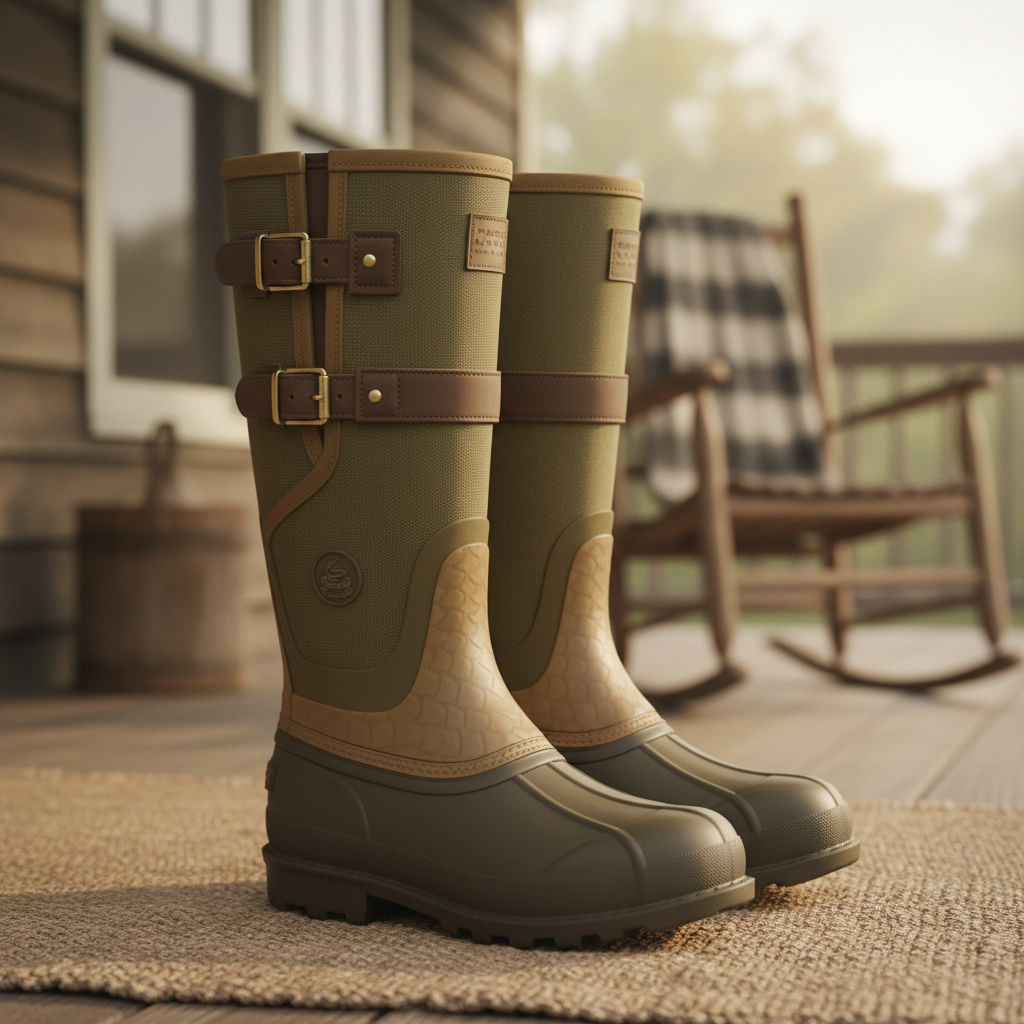
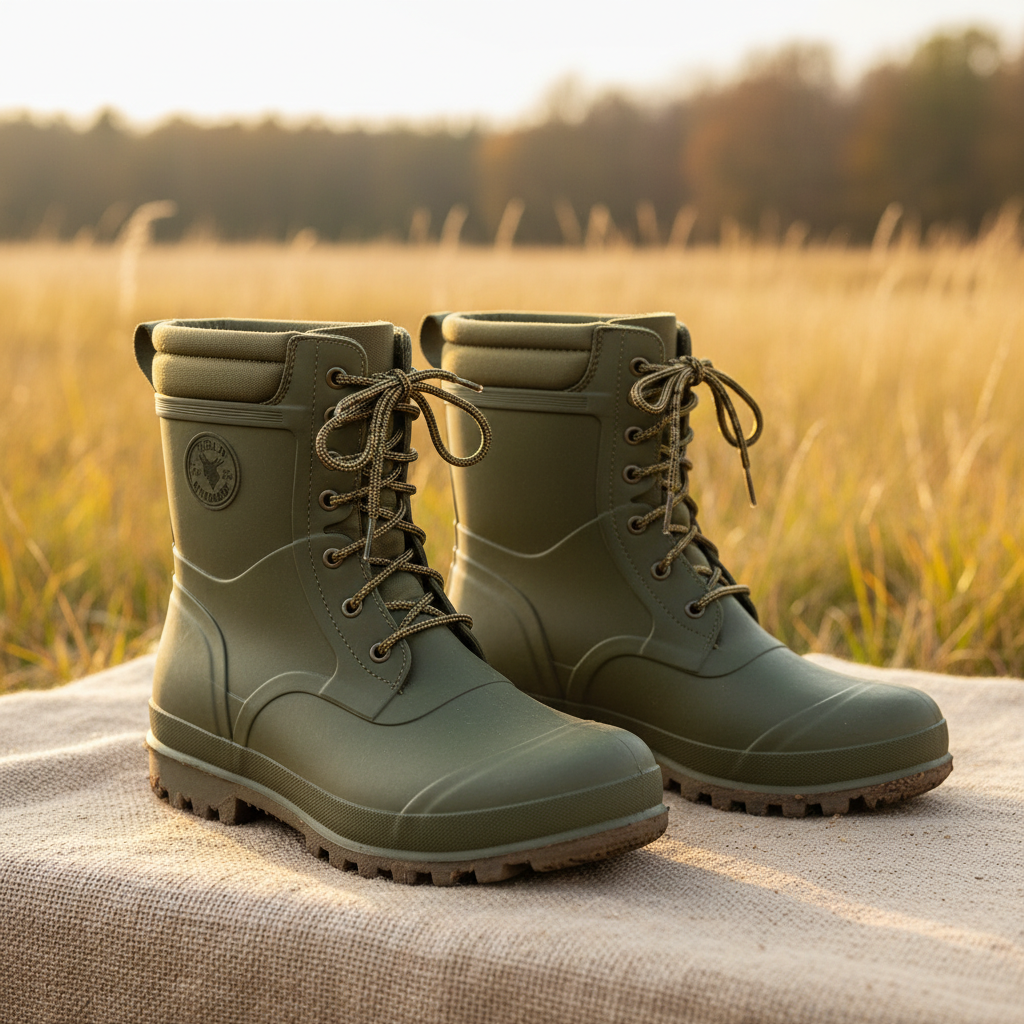
Finding boots that truly fit – and I mean really fit – is a constant battle for a lot of hunters. Most brands just don't cater to those of us with narrower feet. You end up with a ton of dead space, causing blisters, reduced stability, and honestly, just a frustrating hunt. I’ve seen it time and time again out in the field – guys settling for boots that are ‘close enough’ and paying the price. It’s not just comfort; it impacts your ability to move quietly and confidently, especially in challenging terrain. That's where understanding narrow hunting boots becomes crucial.
The demand for specialized footwear isn't just a niche preference; it's a growing market. With increasing awareness of foot health and the desire for peak performance, hunters are actively seeking options designed for their specific foot shapes. I’ve been talking to guys on job sites and in the woods for years, and the conversation is shifting. It's no longer about just how tough a boot is, but how well it fits. This isn't a luxury; it’s about safety and effectiveness. We’re seeing a move towards more personalized gear, and narrow hunting boots are at the forefront of that trend.
And it’s not just about comfort. A poorly fitting boot can lead to serious foot and ankle injuries, impacting a hunter’s ability to navigate safely and efficiently. I've seen sprains, strains, and even fractures directly linked to inadequate footwear. The cost of a good pair of boots pales in comparison to the medical bills and lost hunting time. Investing in narrow hunting boots isn’t just a purchase; it's an investment in your well-being and your hunting success.
The Importance of Fit in Narrow Hunting Boots
Let's be real: a boot that doesn't fit is a liability. It doesn’t matter how much marketing hype you hear. When your foot is swimming around inside, you lose precision, control, and you're practically inviting blisters. I’ve spent enough hours on my feet in rough conditions to know that a secure, snug fit is non-negotiable. With narrow hunting boots, the focus shifts to providing that tailored support for those with a slimmer foot profile.
And it's not just about the width. The instep, heel cup, and overall volume all play a crucial role. A poorly designed boot can cause pressure points, chafing, and even nerve damage. It’s a simple equation: good fit equals better performance and safer hunts. Too many hunters underestimate this, and that’s a mistake.
Defining Narrow Hunting Boots
So, what are narrow hunting boots? It's not just about squeezing into a smaller size. They're specifically designed with a reduced last – that's the foot-shaped form the boot is built around. This creates a slimmer profile throughout the entire boot, addressing the common issue of excessive space for hunters with narrower feet. They often feature a more contoured footbed and a tighter heel cup for enhanced stability.
You’ll often see manufacturers using terms like ‘narrow width’ or ‘slim fit’ to indicate these boots. But it’s important to look beyond the marketing jargon. Check the specifications and, even better, try them on if possible. Every brand’s “narrow” can be slightly different.
These boots aren't just for those with inherently narrow feet, either. They're also beneficial for hunters who have low-volume feet or prefer a more secure, locked-in feel. I’ve even had guys with average-width feet opt for narrow boots when they prioritize stability and precision.
Core Components of Quality Narrow Hunting Boots
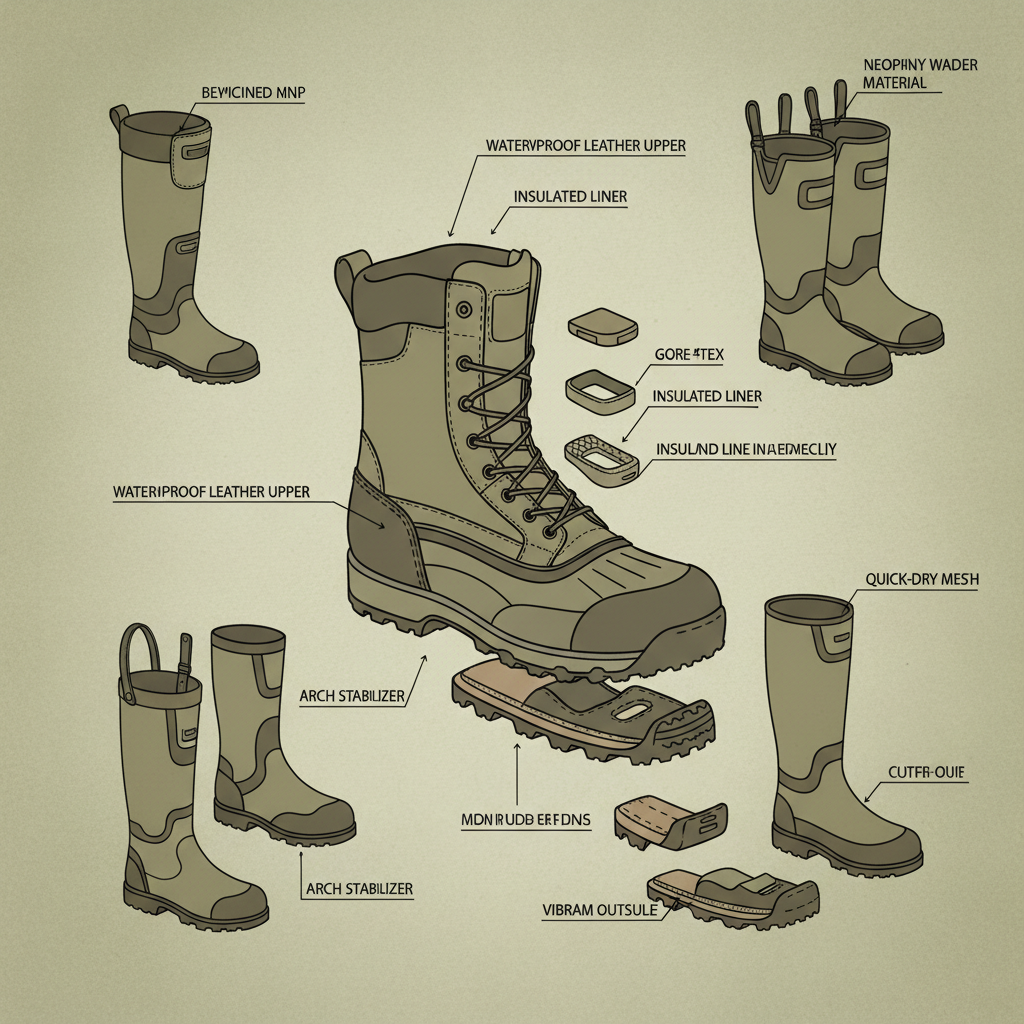
When evaluating narrow hunting boots, several key components are critical. First, the upper material. Full-grain leather is still king for durability and water resistance, but newer synthetic materials are offering impressive performance and lighter weight. Pay attention to the construction methods – Goodyear welted boots are known for their re-soleability and longevity.
The midsole is crucial for cushioning and support. Look for boots with a robust midsole that can handle uneven terrain and prolonged wear. The outsole needs to provide reliable traction on various surfaces – aggressive lug patterns are essential for navigating slippery conditions. And don’t overlook the importance of a good insole. A supportive insole can make a huge difference in comfort and reduce fatigue.
Finally, and specifically for narrow boots, consider the lacing system. A well-designed lacing system allows you to fine-tune the fit and secure your foot in place. Some boots feature speed hooks for quick adjustments, while others offer more traditional lacing options. It’s all about finding what works best for your foot and hunting style.
Global Applications and Use Cases
The need for properly fitting hunting boots isn’t confined to any one region. From the rugged mountains of North America to the dense forests of Europe and the vast landscapes of Australia, hunters worldwide face similar challenges when it comes to finding boots that fit. The demand is particularly high in areas with diverse terrain and unpredictable weather conditions.
Professionals like wildlife researchers and foresters also benefit significantly from narrow hunting boots. They spend countless hours on their feet, navigating challenging environments, and require footwear that provides both comfort and protection.
Even in search and rescue operations, having boots that fit properly can be a game-changer. The ability to move quickly and efficiently over difficult terrain is paramount, and a well-fitting boot can make all the difference in a critical situation.
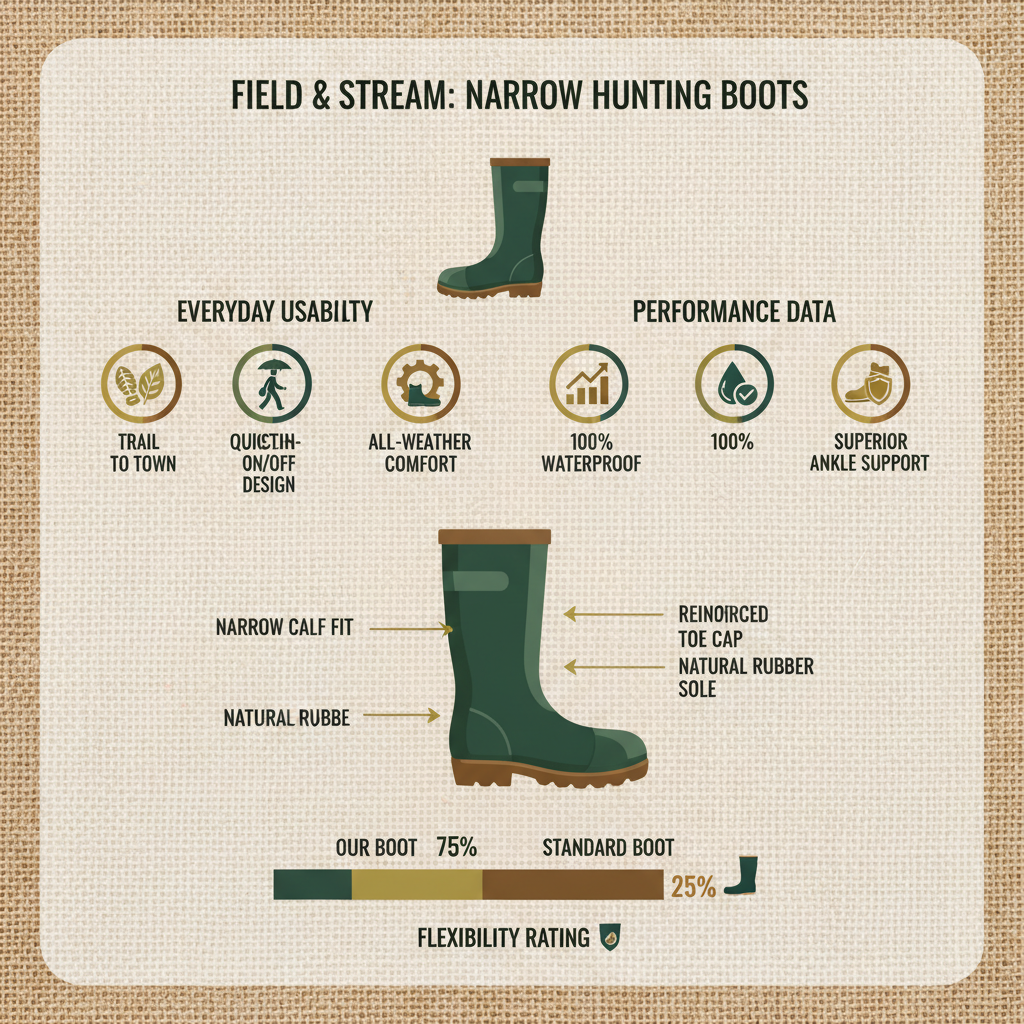
Narrow Hunting Boot Feature Importance Ratings
Advantages and Long-Term Value
Investing in a quality pair of narrow hunting boots offers a significant return on investment. Beyond the immediate comfort and improved performance, you’re reducing the risk of foot injuries, which can be costly and debilitating.
A durable pair of boots, properly maintained, can last for years, saving you money in the long run. And let's not underestimate the psychological benefit. Knowing your feet are comfortable and secure allows you to focus on the hunt, enhancing your overall experience.
Future Trends and Innovations
We’re seeing exciting developments in boot technology. Manufacturers are experimenting with new materials, like lighter-weight synthetics and more breathable membranes, to improve comfort and performance. Customizable insoles and even fully customized boot builds are becoming more accessible, allowing hunters to dial in the perfect fit.
Sustainability is also a growing focus. Companies are exploring eco-friendly materials and manufacturing processes to reduce their environmental impact. And with the rise of wearable technology, we might see boots with integrated sensors that track foot pressure and provide real-time feedback.
Challenges and Solutions
One of the biggest challenges is the limited availability of narrow hunting boots. Many mainstream brands still haven't fully embraced the need for specialized fit options. This forces hunters to search harder and potentially settle for less-than-ideal choices.
Another hurdle is accurate sizing. Sizing standards vary between manufacturers, making it difficult to find the right fit online. The best solution is to try boots on in person whenever possible. If that’s not feasible, look for retailers with generous return policies.
Finally, cost can be a barrier. High-quality narrow boots often come with a higher price tag. However, consider it an investment in your comfort, safety, and hunting success.
Summary of Common Narrow Hunting Boot Fit Issues and Solutions
| Issue |
Severity |
Potential Solution |
Cost Estimate |
| Excessive Heel Slippage |
Medium |
Adjust lacing, use heel locks, or try thicker socks. |
$0 - $20 |
| Too Much Toe Room |
High |
Consider a narrower last, or add toe inserts. |
$10 - $50 |
| Pressure Points on Instep |
Medium |
Loosen lacing over the instep, or use a contoured insole. |
$20 - $80 |
| General Lack of Snugness |
High |
Explore boots specifically designed for narrow feet. |
$150 - $300+ |
| Blisters Developing |
High |
Address the root cause (e.g., friction, pressure), use blister prevention products. |
$10 - $30 |
| Poor Arch Support |
Medium |
Replace the stock insole with a supportive aftermarket insole. |
$30 - $100 |
FAQS
Medium width boots are designed for average foot widths, while narrow boots are built on a last that’s slimmer throughout the entire boot. This addresses the issue of excessive space for those with narrower feet, providing a more secure and comfortable fit. Think of it like this: medium is the standard, and narrow is a specialized fit for a specific foot shape. It can improve balance and reduce blisters.
The best way is to have your feet professionally measured at a shoe store. They can use a Brannock device to determine both your length and width. You can also trace your foot on a piece of paper and measure the widest part. Compare your measurement to the manufacturer's width chart, but remember sizing can vary between brands.
Not necessarily. Consider the terrain you’ll be hunting in. For extremely rugged or uneven terrain, a more supportive and durable boot is essential. However, a well-designed narrow boot can perform well in a variety of conditions, provided it offers adequate ankle support and traction. It really comes down to finding the right boot for your specific needs.
Regular cleaning and conditioning are key. Remove dirt and debris after each hunt. Use a leather conditioner (if applicable) to keep the leather supple and prevent cracking. Store your boots in a cool, dry place away from direct sunlight. Consider using boot trees to maintain their shape.
Common materials include full-grain leather, split-grain leather, and synthetic materials like nylon and polyester. Full-grain leather is prized for its durability and water resistance, while synthetics offer lighter weight and faster drying times. The midsole often consists of EVA or polyurethane, and the outsole is typically made of rubber.
Generally, yes. Because they cater to a more specialized market, narrow hunting boots often come with a slightly higher price tag. However, the investment is worth it if you prioritize comfort, fit, and performance. Plus, a well-fitting boot can prevent costly foot injuries down the road.
Conclusion
Ultimately, choosing the right hunting boot is a deeply personal decision. For those of us with narrower feet, seeking out boots specifically designed for our foot shape isn’t a luxury – it’s a necessity. Narrow hunting boots offer improved comfort, stability, and performance, reducing the risk of injuries and enhancing the overall hunting experience. Don’t settle for boots that are ‘close enough.’
Investing in a properly fitting pair of boots is an investment in your hunting success and well-being. Explore the options, do your research, and prioritize fit above all else. And remember, a little extra time and effort spent finding the perfect pair can make all the difference in the field. Visit our website at www.landwalk-outdoor.com to find the perfect fit for your next adventure.