Look, I’ve spent the last fifteen years knee-deep in mud on construction sites, and let me tell you, good footwear isn’t a luxury, it’s a lifeline. For years, we’ve made do with ‘good enough’ boots – tough leather, maybe some waterproofing. But ‘good enough’ doesn't cut it when you’re on your feet for twelve hours straight, navigating uneven terrain, and constantly battling the elements. That’s why the development of truly high-performance new hunting boots is a game-changer. These aren’t just boots; they’re a crucial piece of kit that directly impacts productivity, safety, and frankly, a worker’s well-being.
What I’ve seen firsthand is a growing demand for boots that can handle more than just basic conditions. Modern construction is about speed, efficiency, and adapting to a variety of job sites. We're talking everything from urban redevelopments to remote infrastructure projects. That means boots need to be lightweight enough for long days, durable enough to withstand constant abrasion, and supportive enough to prevent fatigue. The older, heavier options just aren't keeping up with the pace of work. The industry is evolving, and our gear needs to evolve with it.
And it’s not just about construction. I've talked to folks in forestry, landscaping, and even search and rescue, and the need is universal: reliable, comfortable, and protective footwear. That’s why the focus on innovation in new hunting boots isn’t just about marketing hype – it’s a direct response to the real-world needs of people doing tough jobs.
The Rising Demand for Specialized Footwear
I've seen a dramatic shift in what workers expect from their boots. It’s no longer about just keeping your feet dry. We're seeing increased demands for features like superior ankle support to prevent roll injuries, specialized toe protection against impacts, and outsoles designed for specific terrains. The data backs this up too; workplace injuries related to inadequate footwear are costing companies millions annually in lost productivity and worker’s compensation.
The rise of sustainable building practices is also driving demand. Workers are more conscious of the environmental impact of their gear, leading to a preference for boots made with recycled materials or manufactured using eco-friendly processes. This isn't a niche trend; it’s becoming a core expectation, and manufacturers are starting to respond.
Defining New Hunting Boots: Beyond Basic Protection
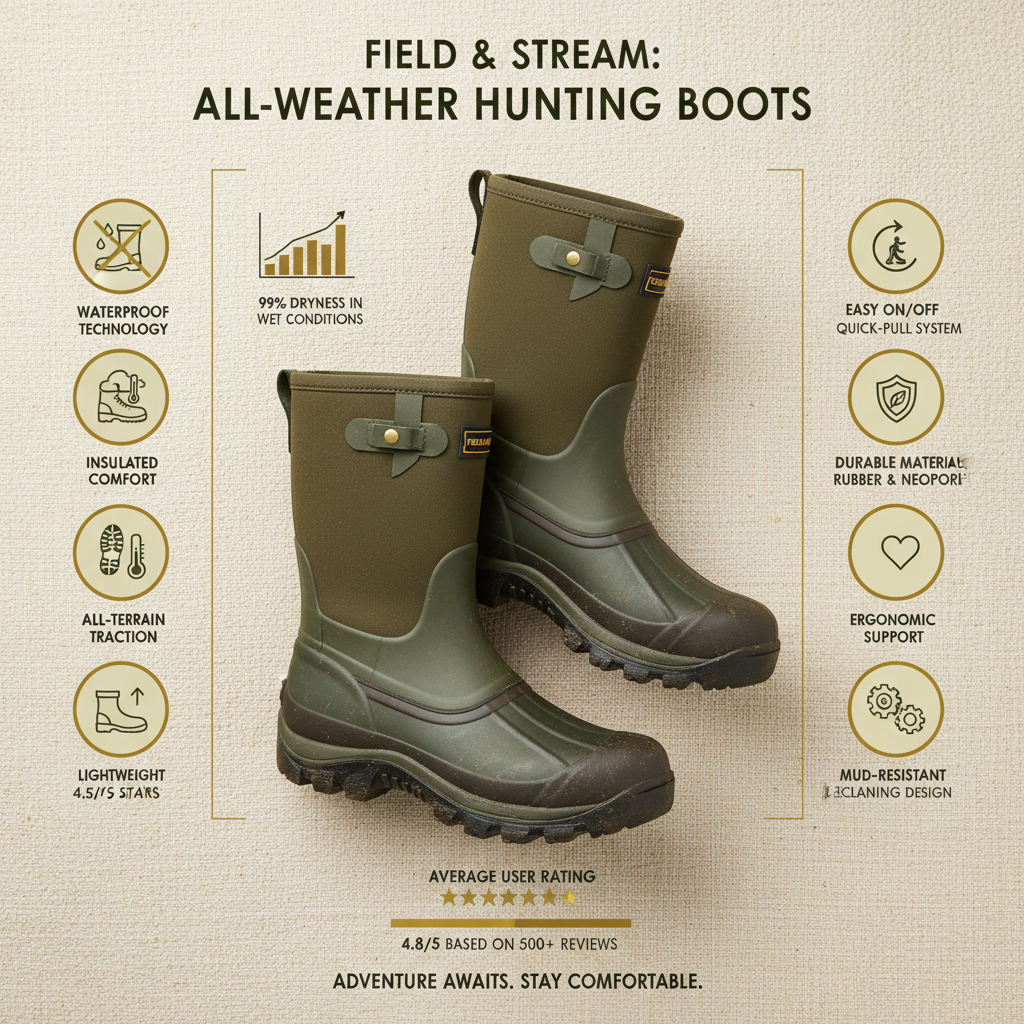
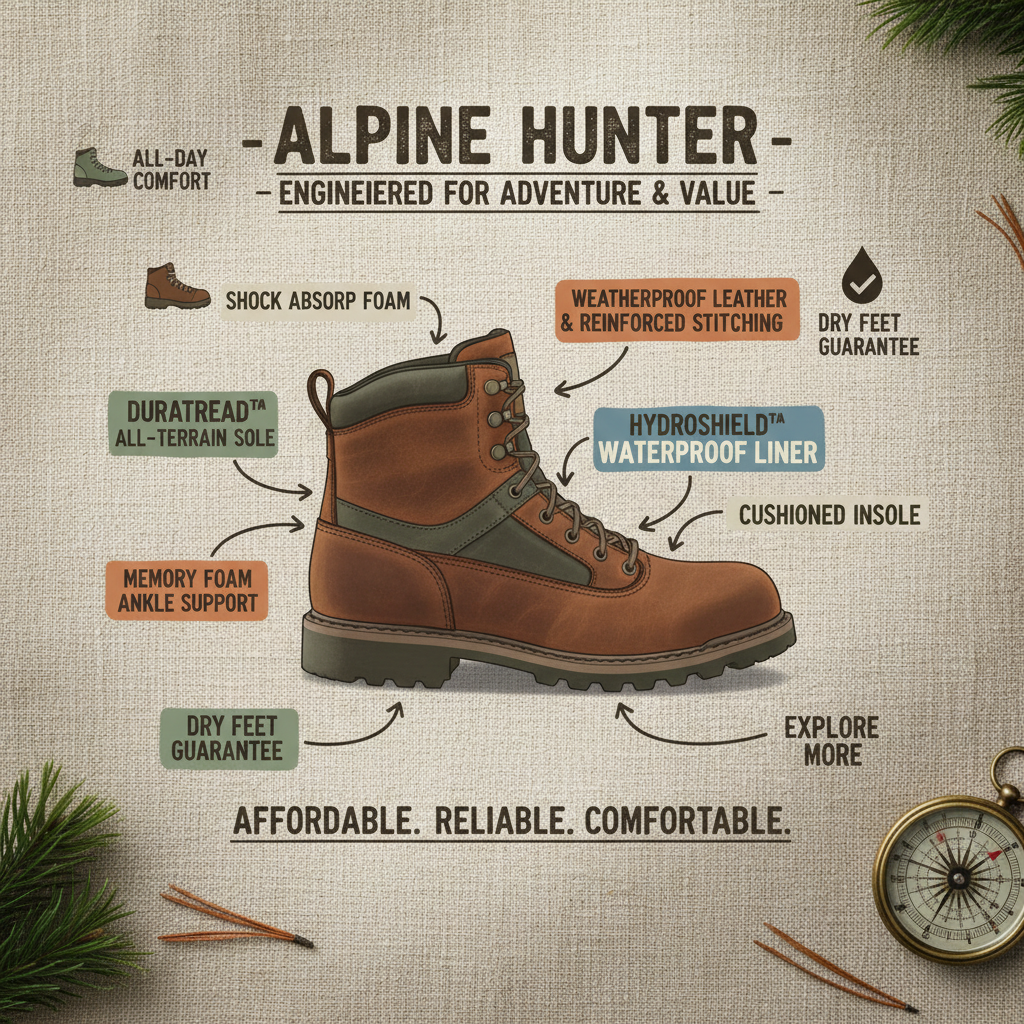
When I talk about new hunting boots, I'm not talking about slapping a new color on an old design. We’re looking at a fundamental rethinking of how boots are constructed. This means incorporating advanced materials like lightweight composites, breathable membranes, and energy-returning cushioning systems. These boots aren’t just protective; they’re designed to enhance performance.
It’s about integrating technology directly into the boot. Things like smart sensors to monitor foot fatigue, adjustable support systems to accommodate individual needs, and even integrated heating or cooling elements for extreme conditions. This isn’t science fiction; it’s becoming increasingly feasible and affordable.
Ultimately, defining new hunting boots means moving beyond the traditional concept of "work boots" and embracing the idea of "performance footwear" – gear that actively supports and protects workers throughout their entire day.
Key Factors: Construction, Materials, and Design
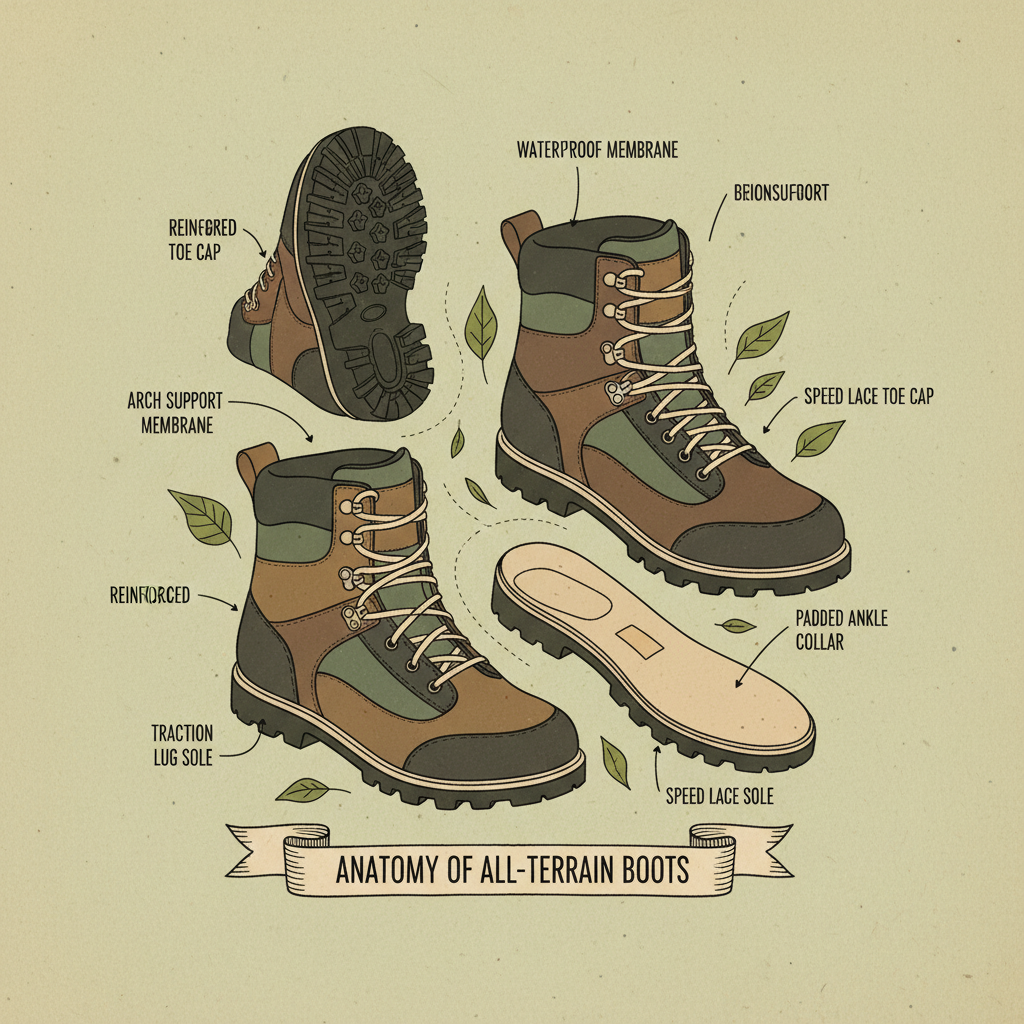
Construction is king. Look at the stitching – is it double or triple stitched for durability? How is the sole attached? Direct-attach construction is far superior to gluing, offering a more secure and long-lasting bond. The quality of the welt is crucial too; it’s what allows the boot to be resoled, extending its lifespan and reducing waste.
Materials matter just as much. Full-grain leather is still a gold standard for durability, but newer synthetics are closing the gap, offering excellent abrasion resistance and waterproofing at a lighter weight. The type of midsole – EVA, polyurethane, or a combination – impacts cushioning and support. And don’t overlook the outsole; Vibram is a trusted brand for a reason, providing exceptional grip and longevity.
Design features are also critical. A properly designed shank provides torsional stability, preventing ankle roll. A roomy toe box allows for natural foot movement, reducing fatigue. And a well-placed heel counter offers support and cushioning. These details aren’t just cosmetic; they directly impact comfort and performance.
Real-World Applications Across Industries
I’ve seen these new hunting boots put to the test in a huge variety of settings. On large-scale construction sites, they’re significantly reducing foot fatigue and preventing injuries from falling debris. In forestry, the superior grip is keeping loggers safe on slippery slopes.
I've even seen them adopted by utility workers who need reliable protection while climbing poles and navigating challenging terrain. And it’s not just manual labor. Inspectors and engineers who spend hours walking job sites are appreciating the added comfort and support.
Performance Comparison of Hunting Boot Technologies
Advantages: Long-Term Value and ROI
Investing in quality new hunting boots isn't just about immediate comfort; it’s about long-term cost savings. A durable boot that lasts longer reduces the frequency of replacements, saving companies money. More importantly, preventing injuries translates to fewer worker’s compensation claims and increased productivity.
There's a real emotional aspect to this as well. When workers feel safe and comfortable, they’re more engaged and motivated. That translates to higher quality work and a more positive work environment. Providing good gear shows your team that you value their well-being, which builds trust and loyalty.
Future Trends in Hunting Boot Technology
I'm keeping a close eye on developments in materials science. We’re seeing the emergence of bio-based polymers that offer comparable performance to traditional synthetics but with a significantly lower environmental impact.
And the integration of wearable technology is only going to accelerate. Expect to see more boots with integrated sensors that track biomechanics, provide real-time feedback on posture and gait, and even alert workers to potential hazards.
Additive manufacturing – 3D printing – is also going to play a role, allowing for customized boots tailored to individual foot shapes and job requirements.
Challenges and Finding the Right Fit
The biggest challenge I see is ensuring a proper fit. Boots that are too big or too small can cause blisters, fatigue, and even injuries. Offering a wide range of sizes and widths is crucial, and ideally, providing on-site fitting services.
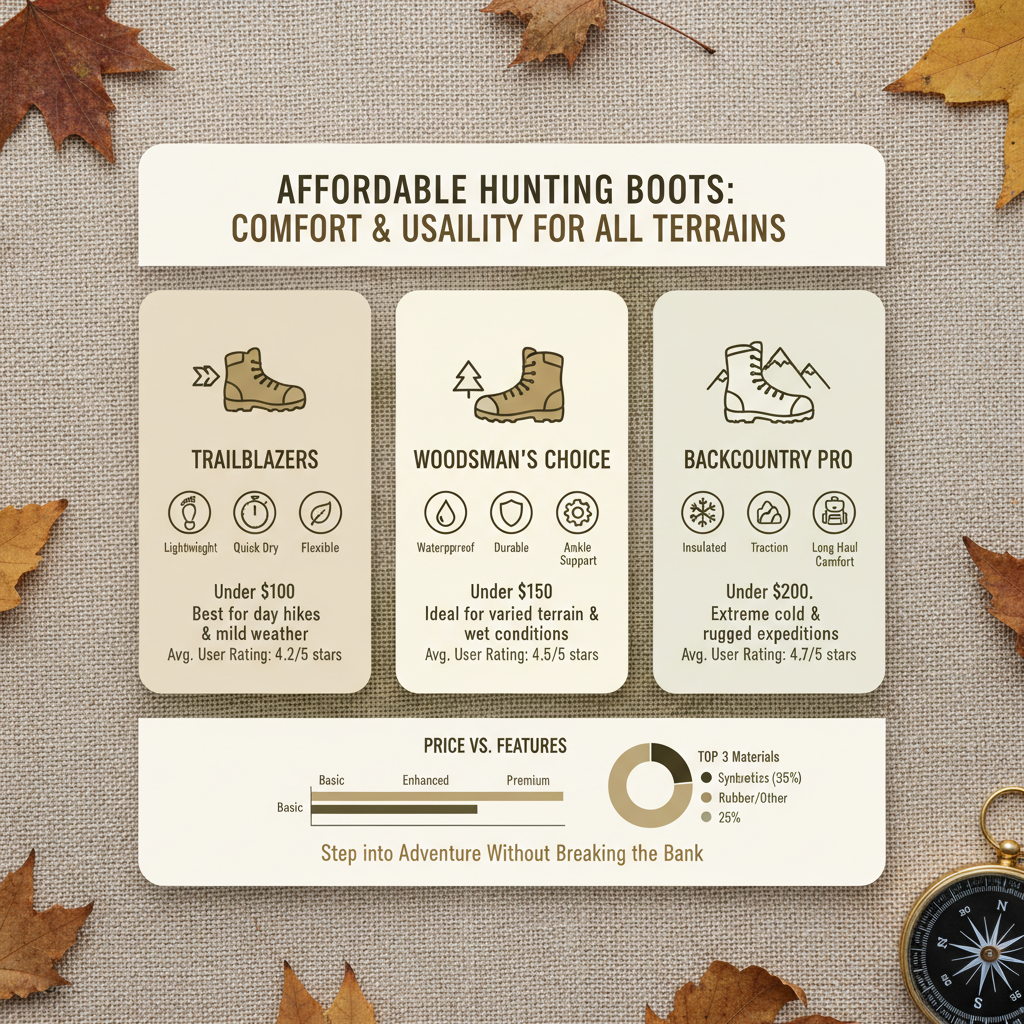
Cost is another factor. High-quality new hunting boots aren't cheap, but they represent a long-term investment. Companies need to weigh the upfront cost against the potential savings in productivity, injury prevention, and worker satisfaction.
Finally, educating workers on the importance of proper boot care and maintenance is essential. Regular cleaning, conditioning, and resoling can significantly extend the lifespan of the boots and maximize their value.
Summary of Factors Influencing Hunting Boot Selection
| Industry Application |
Priority Features |
Material Considerations |
Budget Range (USD) |
| Construction |
Durability, impact resistance, slip resistance |
Full-grain leather, composite toe, Vibram outsole |
$150 - $300 |
| Forestry |
Waterproofing, ankle support, aggressive tread |
Waterproof membrane, reinforced ankle, lug outsole |
$120 - $250 |
| Utility Work |
Electrical hazard protection, comfort, flexibility |
EH-rated rubber, padded collar, breathable lining |
$100 - $200 |
| Landscaping |
Breathability, lightweight design, puncture resistance |
Mesh upper, composite shank, puncture-resistant insole |
$80 - $180 |
| Inspection/Engineering |
Comfort, all-day support, slip resistance |
Full-grain leather, cushioned insole, slip-resistant outsole |
$130 - $280 |
| Search & Rescue |
Extreme durability, waterproofing, ankle support |
Full-grain leather, Gore-Tex lining, reinforced shank |
$200 - $400+ |
FAQS
The biggest difference lies in the materials and construction. Traditional boots often prioritize basic durability, while new hunting boots integrate advanced materials for lightweight comfort, enhanced support, and superior protection. We're talking about things like breathable membranes, energy-returning midsoles, and composite toe caps. It’s a shift from simply protecting your feet to actively enhancing your performance.
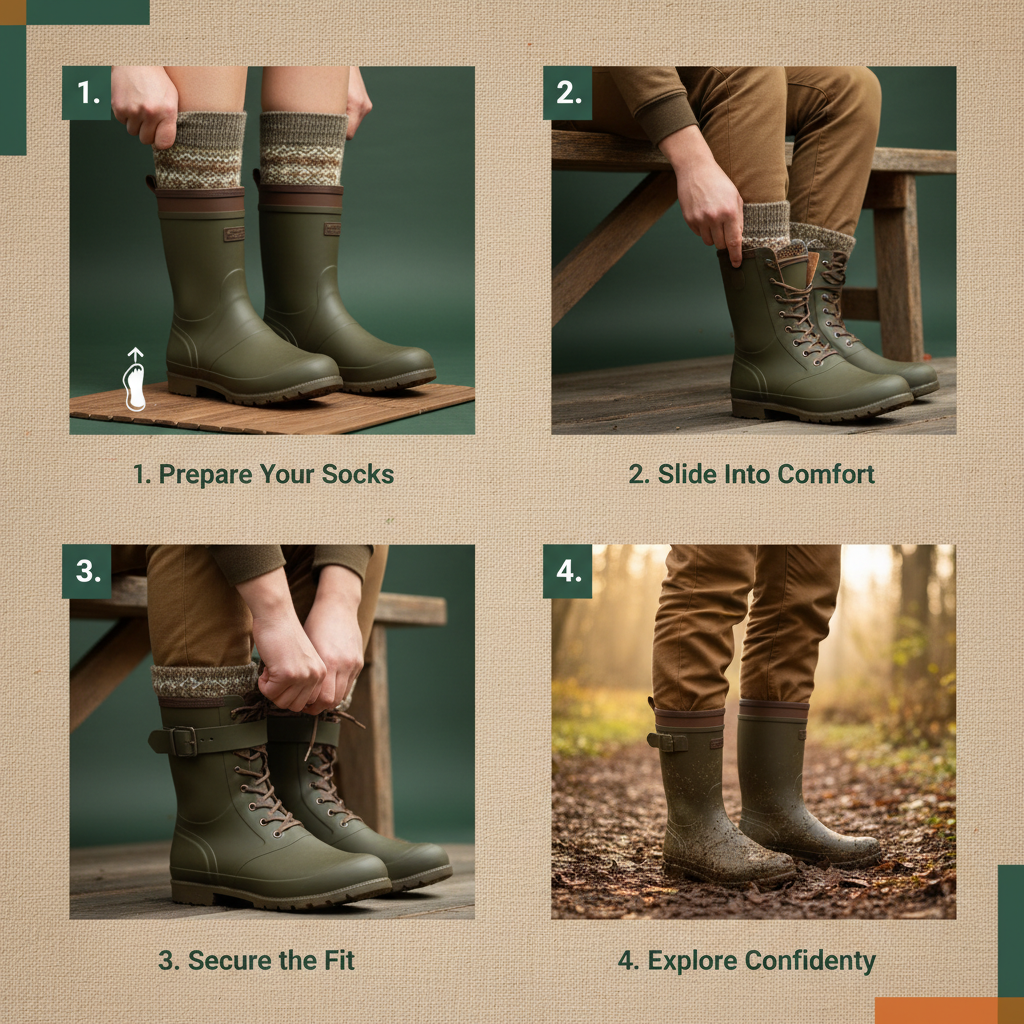
Proper fit is crucial! I always recommend getting your feet measured professionally, especially the width. Many of these new boots come in wider widths to accommodate different foot shapes. You should have about a thumb’s width of space between your longest toe and the end of the boot. Wearing the socks you'd typically wear on the job is also important. Don’t hesitate to try on several sizes and walk around in them to find the best fit.
While many of these boots are designed for versatility, it depends on the specific model. Look for features like aggressive lug patterns for grip on slippery surfaces, waterproof membranes for wet conditions, and insulation for cold weather. Some boots are specifically designed for certain environments, like forestry or construction, so consider your primary work environment when making your selection.
With proper care and maintenance, you can expect a good pair of these boots to last anywhere from 2 to 5 years, depending on the intensity of use and the terrain you're working in. Regular cleaning, conditioning of the leather (if applicable), and resoling when necessary can significantly extend their lifespan. Investing in quality materials and construction upfront will also pay off in the long run.
Definitely. Look for boots that meet ASTM standards for impact and compression resistance (especially if you work in heavy industry). EH-rated boots provide electrical hazard protection. And ensure the boots have a slip-resistant outsole that meets relevant safety standards. These certifications provide assurance that the boots have been tested and meet specific safety requirements.
Regular cleaning is key – remove dirt and debris after each use. Condition the leather regularly to prevent it from drying out and cracking. Inspect the soles for wear and tear and consider resoling when necessary. Store the boots in a cool, dry place away from direct sunlight. Following these simple steps can significantly extend the life of your boots and keep them performing at their best.
Conclusion
We've moved beyond the point where “good enough” footwear is acceptable. New hunting boots represent a fundamental shift towards prioritizing worker safety, comfort, and performance. The integration of advanced materials, innovative designs, and a focus on long-term value is driving a new standard in work footwear.
Looking ahead, I expect to see even more customization, integration of wearable technology, and a greater emphasis on sustainable materials. Investing in quality footwear isn’t just a cost; it's an investment in your team, your productivity, and your bottom line. To explore the latest advancements and find the perfect fit for your needs, visit our website: www.landwalk-outdoor.com.