In the demanding world of outdoor pursuits, the equipment you choose can be the deciding factor between a successful excursion and an exhausting ordeal. lite hunting boots have emerged as a critical innovation for sportsmen and outdoor professionals who refuse to compromise between heavy-duty protection and agile movement. By integrating advanced textile science with traditional footwear ergonomics, these boots address the age-old struggle of foot fatigue during long-distance treks through rugged terrain.
Across the globe, the shift toward lightweight gear is not merely a trend but a response to the evolving needs of the modern adventurer. Whether navigating the dense forests of North America or the highlands of Europe, the demand for lite hunting boots is driven by a need for increased speed, reduced caloric expenditure, and enhanced stealth. Modern manufacturing now allows for a "lite" profile that does not sacrifice the waterproofing or ankle support essential for safety in the wild.
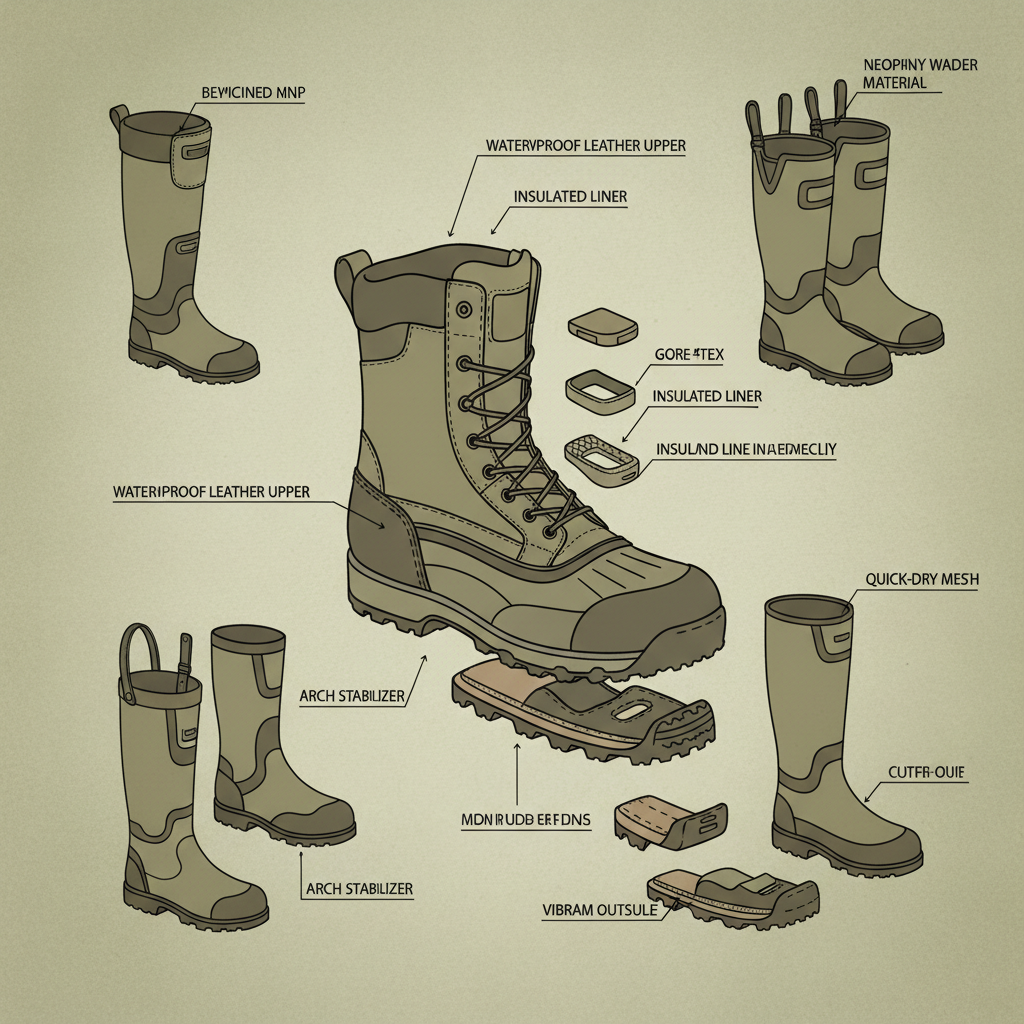
Understanding the technical composition and the strategic advantages of these boots allows users to optimize their performance and ensure long-term foot health. From the selection of breathable membranes to the engineering of high-traction outsoles, every detail of lite hunting boots is designed to minimize the physical burden on the wearer while maximizing the utility of the gear in diverse environmental conditions.
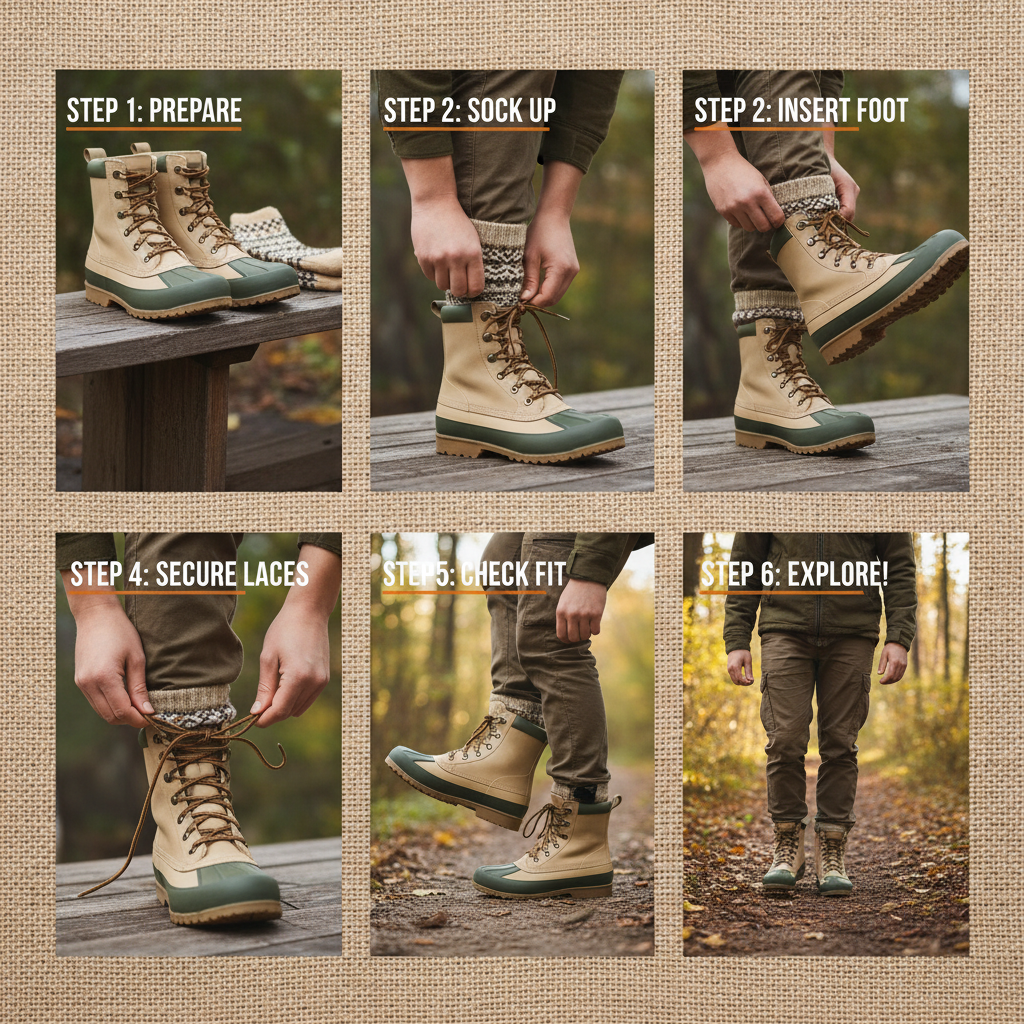
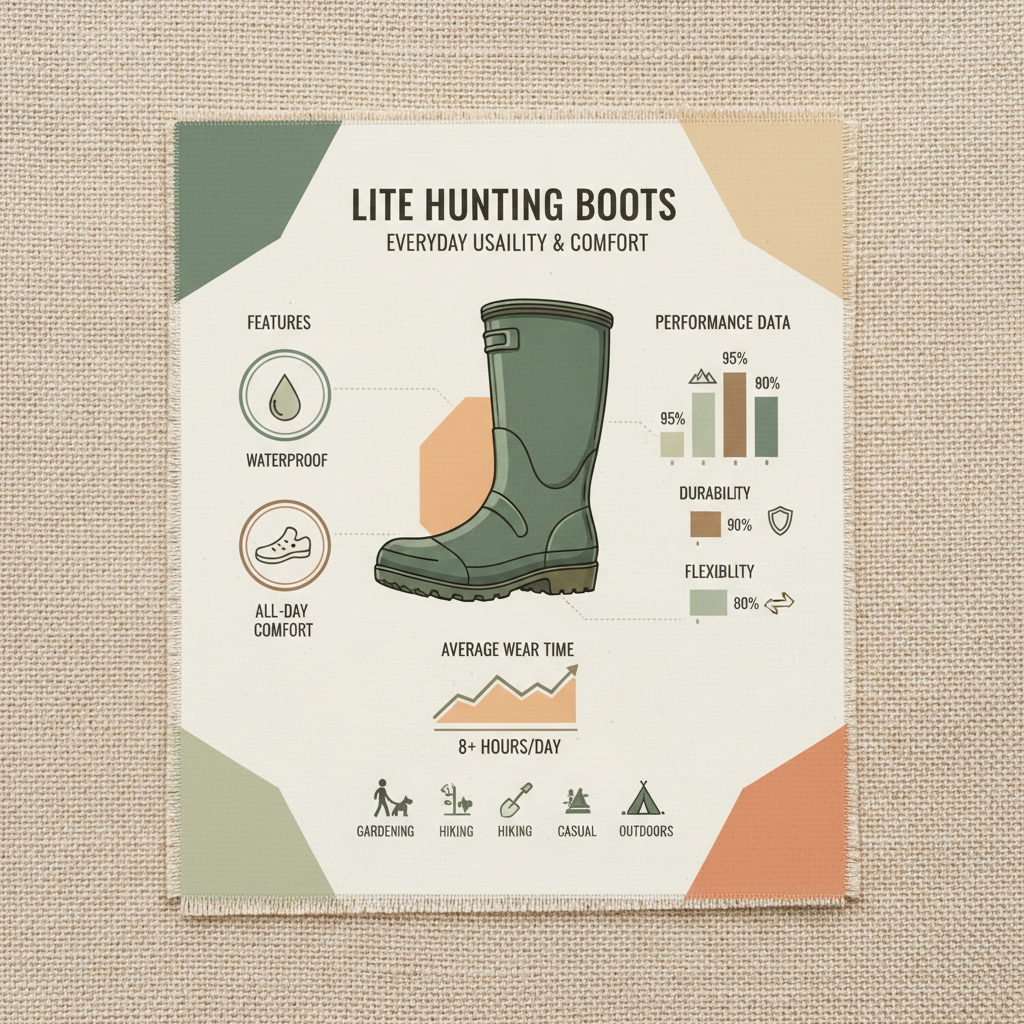
The global footwear market has seen a significant pivot toward specialized utility gear, with lite hunting boots occupying a high-growth segment. As outdoor recreation increases globally, ISO standards for protective footwear have evolved to emphasize not just impact resistance, but also weight reduction to prevent musculoskeletal strain. The integration of synthetic textiles and lightweight polymers has allowed manufacturers to reduce boot weight by up to 30% compared to traditional leather boots.
This evolution is particularly evident in the "fast and light" movement within the outdoor industry. By reducing the mass of the footwear, hunters and trackers can cover more ground with less effort, directly impacting their success rates in the field. The industry now focuses on the intersection of Army Camouflage Boots and specialized hunting gear, creating a hybrid category of lite hunting boots that meet military-grade durability while maintaining a civilian's need for comfort.
Investing in high-quality lite hunting boots provides a tangible return in the form of physical longevity. By reducing the weight on the feet, users experience significantly less joint stress in the knees and hips, which is critical for older outdoorsmen or those embarking on multi-day expeditions. This ergonomic advantage translates to more energy available for the actual hunt, rather than wasting it on simply moving the boots.
Beyond the physical, there is a psychological advantage to wearing lite hunting boots. The confidence provided by a secure, waterproof, and lightweight fit allows the wearer to focus on their surroundings and strategy. This combination of reliability and innovation builds a deep trust between the user and their gear, ensuring that the footwear is an asset rather than a liability in high-pressure situations.
The future of lite hunting boots is inextricably linked to the rise of sustainable material science. We are seeing a move toward bio-based polymers and recycled ocean plastics that maintain the same tensile strength as virgin synthetics. This "green transformation" ensures that while we explore the wild, we are not contributing to its degradation through non-biodegradable waste.
Digital transformation is also entering the footwear space via 3D knitting and generative design. Future iterations of lite hunting boots will likely be custom-mapped to the user's foot geometry, eliminating "break-in" periods and reducing friction points that lead to blisters. This level of personalization will optimize weight distribution and support precisely where the individual needs it most.
Additionally, the integration of "smart" materials—such as phase-change fabrics that regulate temperature—will allow these boots to perform across a wider range of climates. Imagine lite hunting boots that can automatically adjust their thermal properties based on the external temperature, providing warmth in the frost of dawn and breathability in the heat of the afternoon.
Despite their benefits, lite hunting boots often face the challenge of a shorter lifespan compared to traditional heavy leather boots. Synthetic materials can wear down faster when exposed to extreme abrasion from volcanic rock or sharp shale. To overcome this, expert manufacturers are implementing "zonal reinforcement," placing high-density TPU (Thermoplastic Polyurethane) guards only in high-wear areas like the toe and heel.
Another common concern is the trade-off between weight and stiffness. A boot that is too light may lack the torsional rigidity needed for heavy load-carrying. The solution lies in the development of carbon-fiber composite shanks. These inserts provide the necessary structural support to prevent foot arch fatigue while adding almost zero weight to the overall profile of the lite hunting boots.
Lastly, maintaining the waterproof integrity of lightweight membranes can be difficult over time. To solve this, we recommend a regimen of specialized DWR (Durable Water Repellent) treatments. By applying a nano-coating to the exterior textile, users can extend the life of their lite hunting boots, ensuring the inner membrane remains protected from saturation.
| Material Composition | Weight Class (per boot) | Durability Score (1-10) | Best Use Terrain |
|---|---|---|---|
| Full Synthetic Mesh | 400g - 600g | 6 | Flat Grasslands |
| Cordura Hybrid | 700g - 900g | 8 | Dense Forest |
| Rubber-Synthetic Blend | 1kg - 1.2kg | 9 | Wetlands/Marshes |
| Carbon-Shank Tech | 600g - 800g | 7 | Rocky Mountains |
| Eco-Polymer Lite | 500g - 700g | 6 | Mixed Terrain |
| Reinforced Nubuck Lite | 900g - 1.1kg | 10 | Extreme Wilderness |
The primary advantage lies in the weight-to-protection ratio. Lite hunting boots use synthetic membranes and EVA foams to drastically reduce the weight on your feet, which minimizes fatigue and prevents long-term joint strain. While traditional leather is durable, it is often heavy and takes a long time to dry; lite versions offer quicker drying times and immediate out-of-the-box comfort without a painful break-in period.
Yes, provided they feature a high-quality waterproof membrane. Most lite hunting boots are designed to be water-resistant or fully waterproof up to the ankle. For deep mud or standing water, they are highly effective. However, for environments where you are submerged above the ankle, we recommend pairing them with Waders or choosing a specialized Rubber Rain Boot variation to ensure complete dryness.
Depending on the intensity of use and the terrain, a high-quality pair of lite hunting boots typically lasts between 2 to 5 seasons. Because they use lighter materials, they may wear down faster than heavy-duty leather. To extend their life, we recommend regular cleaning to remove grit and applying a DWR spray every few months to maintain the outer water-repellent layer.
Many modern lite hunting boots incorporate a semi-rigid shank and reinforced ankle collars to provide stability. While they are lighter, they are specifically engineered to support the ankle during lateral movements on uneven ground. If you are carrying exceptionally heavy loads (over 50lbs), we suggest looking for a "Hybrid" lite model that includes a carbon-fiber or TPU internal support system.
Absolutely. Due to their lightweight nature and high traction, they are excellent for hiking, bird watching, geological surveying, and even general outdoor work. Their ability to keep feet dry and reduce fatigue makes them a versatile choice for anyone spending long hours on their feet in unpredictable weather conditions.
Since lite hunting boots often have a more flexible upper, a snug but not restrictive fit is ideal. However, it is crucial to leave about a thumb's width of space at the toe to prevent "toe bang" during downhill descents. We recommend trying them on with the specific socks you intend to wear in the field to ensure the volume is correct.
In summary, lite hunting boots represent a masterful intersection of textile innovation and outdoor utility. By prioritizing weight reduction without compromising on essential protective features like waterproofing and ankle stability, these boots allow the modern adventurer to push further and stay out longer. From the use of advanced synthetic membranes to the implementation of ergonomic midsoles, every aspect is designed to enhance the user's physical efficiency and safety in the wild.
As the industry moves toward more sustainable and personalized footwear, the value of lightweight gear will only continue to grow. For those seeking to optimize their performance and protect their long-term health, transitioning to a high-quality lightweight boot is a strategic move. We encourage you to evaluate your specific terrain needs and invest in gear that supports your ambition. Visit our website for the best selection: www.landwalk-outdoor.com