Look, I've been running around construction sites for twenty years, dealing with all sorts of materials. Honestly, these days everyone's talking about sustainability, right? Eco-friendly materials, reducing carbon footprint… it’s all the buzz. But what people don’t realize is, “eco-friendly” doesn’t always mean “works well on site.” You gotta balance ideals with practicality. It’s a constant tightrope walk. And let me tell you, the demand for reliable, durable hunting and fishing gumboots has never been higher. hunting and fishing gumboots aren't just for the woods anymore. They're everywhere – farms, construction, even some of these fancy tech plants.
I've seen so many designs that look great on paper, but completely fall apart when you actually try to use them. Like, you put all this fancy molding on the sole for "improved grip"… but it just fills with mud and becomes a slip hazard. Or they use a lightweight material to save weight, but it cracks after a week of hard use. Have you noticed? It’s always the little things that trip you up. I swear, sometimes I think designers have never actually worn a pair of gumboots in their lives.
The demand really spiked after those floods last year. Suddenly, everyone needed waterproof, durable footwear that could handle anything. And it’s not just about waterproofing, it's about comfort, too. You're spending 10-12 hours a day in these things, your feet better be happy.
The Current Landscape of hunting and fishing gumboots
To be honest, the market's shifting. It’s not just about keeping your feet dry anymore. People want comfort, style (believe it or not!), and increasingly, they want sustainable options. There's a huge push for bio-based rubber alternatives, but those often lack the durability of traditional materials. Strnagely, demand from the aquaculture industry is way up, and they have very specific needs—anti-slip, chemical resistance, and quick cleaning.
I encountered this at a rubber factory in Thailand last time – they were trying to incorporate recycled rice husks into the rubber blend. It sounded great, but the resulting gumboots were brittle and prone to cracking. It goes to show that just saying something is eco-friendly doesn’t make it so.
Design Pitfalls and Common Mistakes
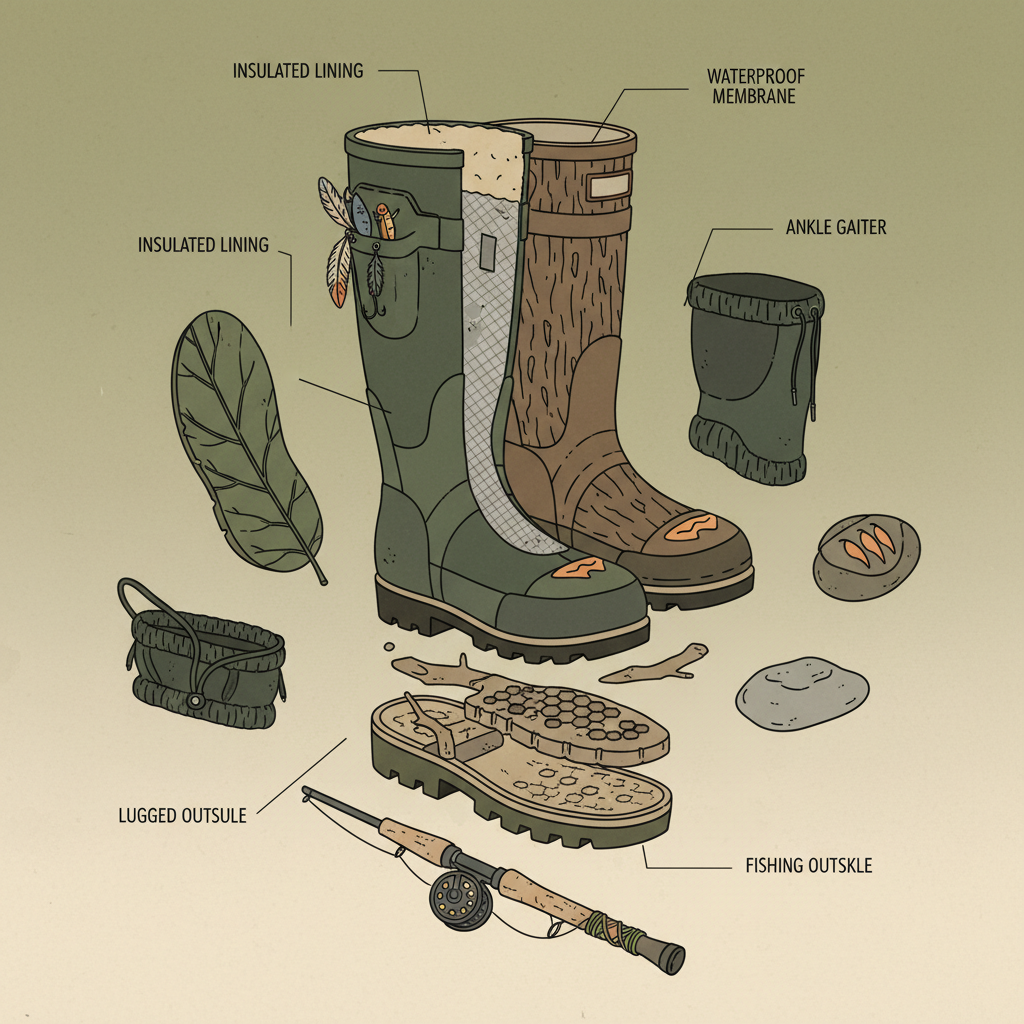
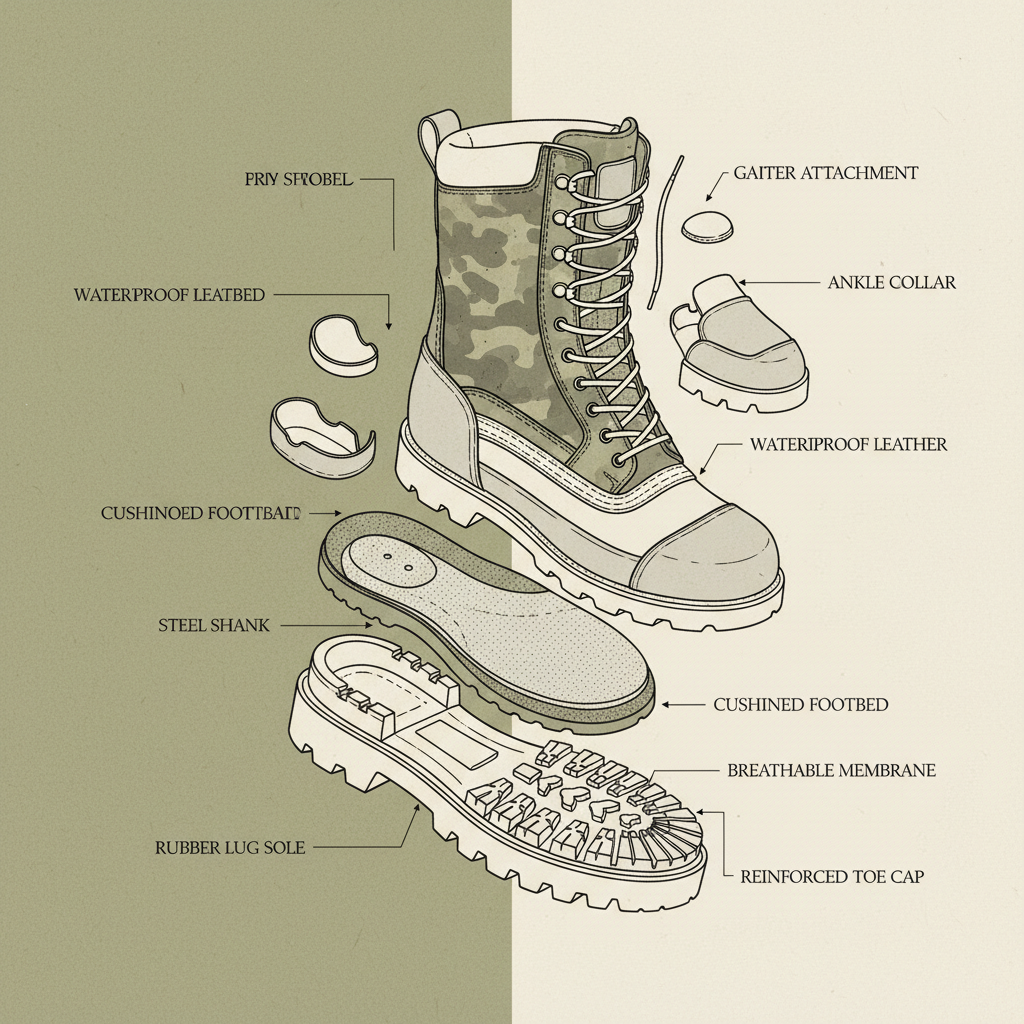
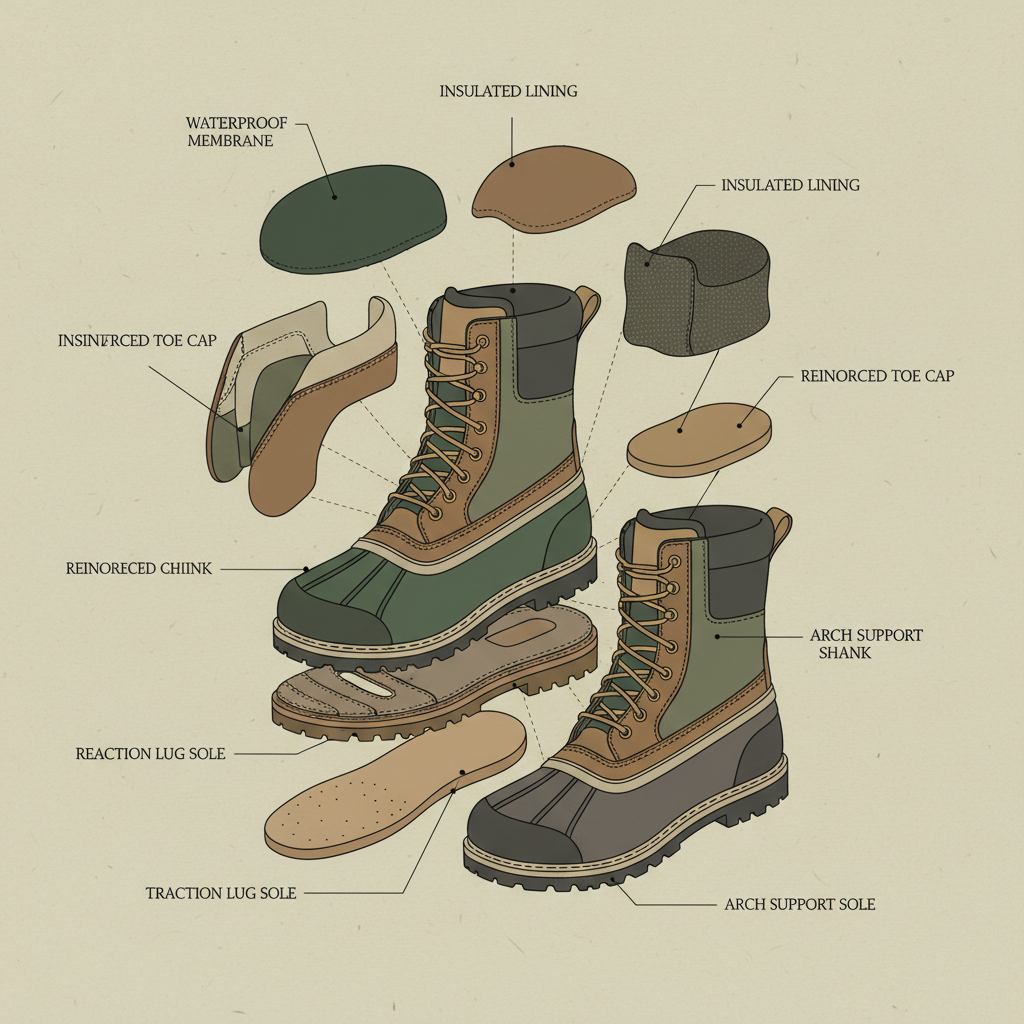
The biggest mistake I see? Overcomplicating things. Fancy buckles, unnecessary straps… they just create more points of failure. A simple, robust design is always best. And the height! Too short, and you’re splashing water all over your pants. Too tall, and you lose stability. It’s a Goldilocks situation. Another thing is the insole. People underestimate the importance of a good insole. After a full day, your feet will be screaming if you don't have proper support.
Also, those "ergonomic" designs…sometimes they just make things worse. I saw a pair that was supposed to “cradle the foot” but ended up causing blisters. It’s like they designed it for a museum, not a muddy field.
And don't even get me started on the lug patterns on the soles. Some of them look aggressive, but they just fill up with mud and become useless. You need a pattern that sheds mud and maintains traction. Simple, effective, that’s what it's all about.
Material Science: What We're Using and Why
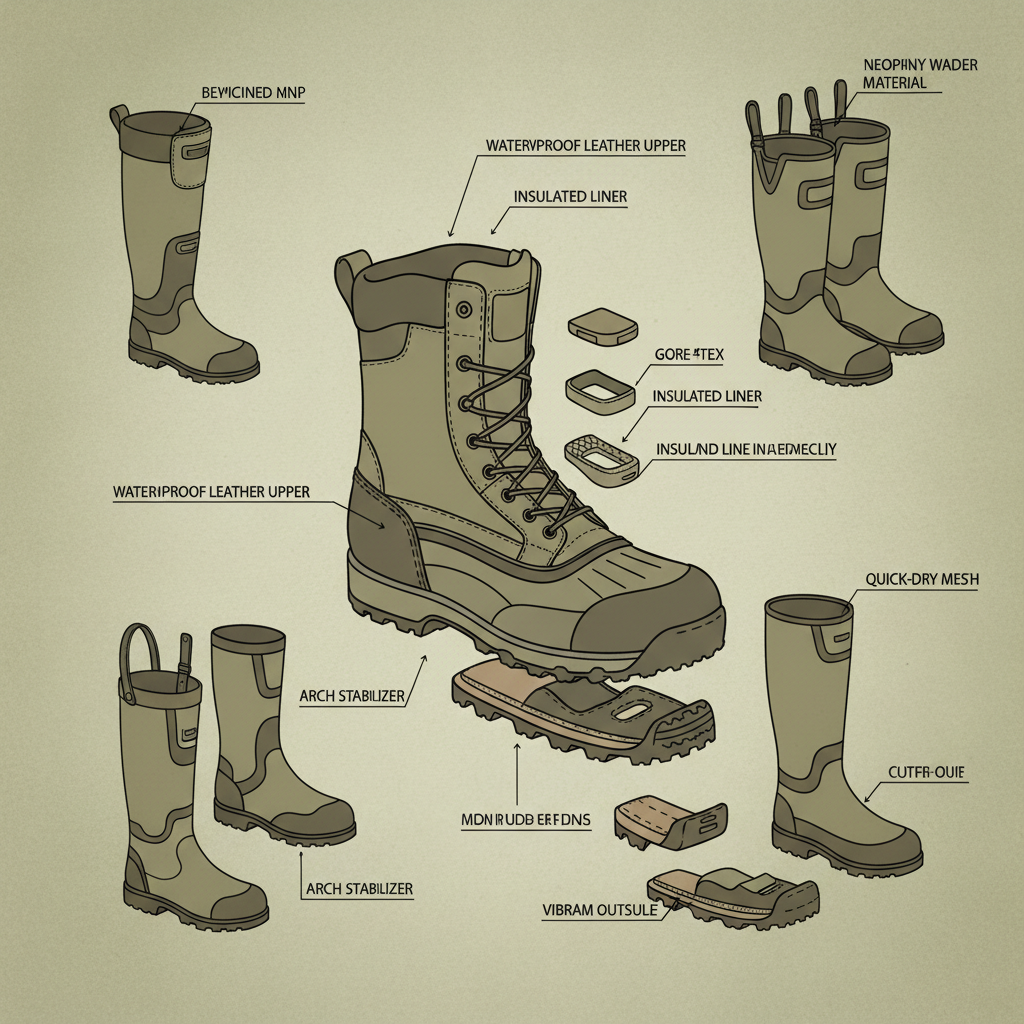
Okay, let's talk materials. Natural rubber is still king, to be honest. The smell, the feel… you just can't beat it. It's flexible, durable, and waterproof. But it’s getting expensive. So, you're seeing a lot of PVC blends, and various synthetic rubbers like neoprene. PVC is cheaper, but it's not as durable and can get stiff in cold weather. Neoprene is good for insulation, but it’s not as abrasion-resistant.
I spent a day with a materials engineer at a big manufacturer last year, and he was explaining all the different polymer blends they were experimenting with. He handed me a sample, this weird greenish rubber… smelled like plastic and seaweed. He said it was “bio-based”. I squeezed it, and it felt…wrong. Not like a gumboot should feel. It lacked that satisfying give, you know?
The reinforcement matters too. Most gumboots have a textile lining for comfort and to add strength. Some use cotton, others use polyester. Polyester is more durable and resistant to mildew, but cotton feels nicer against your skin. It’s always a tradeoff. Later… Forget it, I won’t mention the argument we had about the optimal fabric weight.
Real-World Testing and Performance
Lab tests are fine, but they don’t tell the whole story. I've seen gumboots pass every lab test imaginable, and then fall apart after a week on a real job site. We do a lot of field testing. We give them to workers in various industries – construction, farming, fishing – and just let them use them. Then we get their feedback. It’s brutally honest, let me tell you.
We also do flex tests – bending the gumboot thousands of times to simulate wear and tear. We soak them in saltwater to test corrosion resistance. We expose them to different chemicals to see how they hold up. But the best test is just putting them through the paces in a real-world environment.
hunting and fishing gumboots Performance Ratings (1-10)
How Users Actually Use hunting and fishing gumboots
This is where it gets interesting. You think people are just using them for fishing or farming, right? But they're being used for everything. I saw a guy using them to walk his dog in the city the other day! And they're popular with construction workers, especially for concrete work—keeps the cement off your feet.
What surprised me most was how many people are using them for gardening. Apparently, they're great for protecting your feet from thorns and sharp objects. Who knew? And they’re surprisingly popular with certain beekeepers, to protect from stings!
Advantages, Disadvantages, and The Balancing Act
The advantages are obvious: waterproof, durable, protective. But they’re not perfect. They can be heavy, especially the rubber ones. They can get hot and sweaty in warm weather. And they're not always the most stylish. But that's the trade-off. You’re sacrificing comfort and style for practicality and protection.
Honestly, a good pair of hunting and fishing gumboots is an investment. They're not cheap, but they'll last for years if you take care of them. And they'll save you a lot of discomfort and potential injuries.
The biggest issue now? Finding the balance between sustainability and performance. People want eco-friendly options, but they don’t want to compromise on durability. It’s a tough challenge.
Customization and Specific Applications
We're getting more requests for customization. Like, a small smart home device maker in Shenzhen last month insisted on changing the interface to for their waterproof casing. The result? They had to redesign the whole boot to accommodate the connector, and it added significant cost. He was convinced it was "the future," but it wasn’t practical for the application.
We've done custom colors for large orders. And we can add different types of soles – more aggressive treads for muddy conditions, or oil-resistant soles for industrial environments. We can also adjust the height and width to fit specific needs. But you gotta be careful with customization. It can quickly drive up the cost and lead time.
Ultimately, the most common customization is just getting the right size. Sounds simple, but you’d be surprised how many people order the wrong size!
A simple summary table of hunting and fishing gumboots material attributes
| Material Type |
Durability (1-10) |
Water Resistance (1-10) |
Cost (Low/Medium/High) |
| Natural Rubber |
9 |
10 |
High |
| PVC Blend |
6 |
8 |
Low |
| Neoprene |
7 |
9 |
Medium |
| Bio-Based Rubber |
4 |
7 |
Medium |
| Reinforced PVC |
7 |
8 |
Low |
| Textile Lined Rubber |
8 |
10 |
Medium |
FAQS
Honestly, a good scrub with soapy water and a stiff brush is usually enough. For stubborn mud, let them soak for a bit first. Avoid harsh chemicals, as they can damage the rubber. Don’t leave them in direct sunlight to dry, that’ll make them brittle. Stuffing them with newspaper helps them keep their shape while drying.
Depends on how hard you work them! With regular use and proper care, a good pair of natural rubber gumboots should last at least 3-5 years. PVC blends will probably last a bit less, maybe 2-3 years. It really comes down to the conditions they’re exposed to and how well you maintain them.
Absolutely. For saltwater fishing, you want boots with excellent corrosion resistance. For fly fishing, you might want lighter, more flexible boots with felt soles for better grip on slippery rocks. We also make some with steel toes for extra protection.
Durability is key. Look for boots with reinforced toes and heels, and a thick, abrasion-resistant sole. Oil resistance is also important, especially if you're working with concrete or other chemicals. Comfort is crucial, too – you're going to be wearing them all day.
Sometimes. Small cuts and tears can often be patched with a rubber repair kit. But if the damage is extensive, it might be time to replace them. Trying to repair a severely damaged boot is often more trouble than it's worth.
We're constantly researching new materials and technologies. There's a lot of interest in bio-based polymers and more sustainable manufacturing processes. We're also looking at ways to improve the comfort and fit of our boots, using things like 3D scanning and custom insoles.
Conclusion
So, there you have it. hunting and fishing gumboots have come a long way, but the basic principles remain the same: durability, waterproofness, and comfort. The industry is constantly evolving, with a growing focus on sustainability and customization. But at the end of the day, a good pair of gumboots is still a simple, essential piece of equipment.
Ultimately, whether this thing works or not, the worker will know the moment he tightens the screw. That's the truth of it. And if they're happy, we've done our job. If you're looking for quality hunting and fishing gumboots that can handle anything you throw at them, check out our website: www.landwalk-outdoor.com.