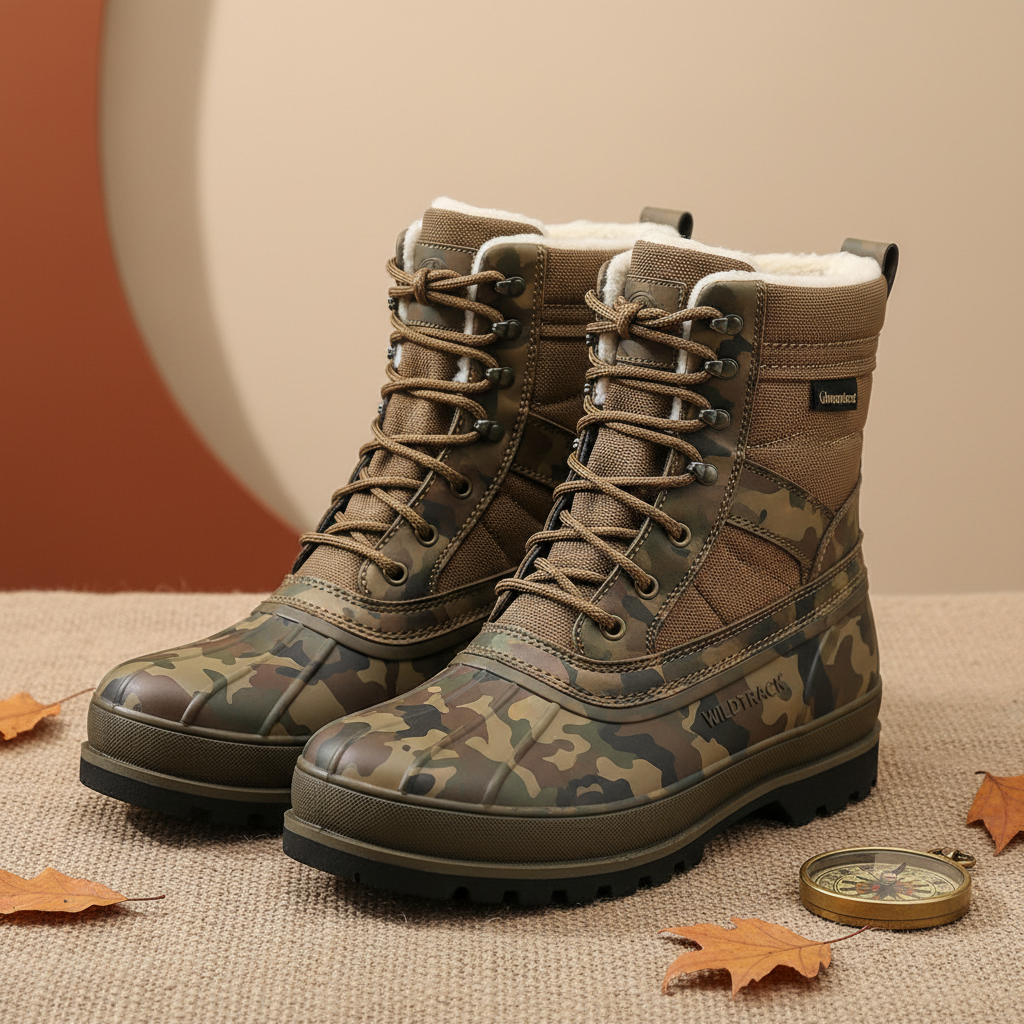
Look, after running around construction sites all year, dealing with dust and blueprints, you start to see patterns. Right now, everyone’s obsessed with “smart” everything – smart boots, smart gloves, even smart hard hats. Honestly, it's a bit much. But the biggest trend I'm seeing, and it's not about bells and whistles, is just durability. People want gear that lasts. They’re tired of replacing stuff every six months.
Have you noticed how everything’s getting lighter? Manufacturers are always chasing that weight reduction. Which is good, I guess, if you’re an athlete. But on a building site? Lightweight often means flimsy. I encountered this at a factory in Ningbo last time - they swore their new composite toe boots were the future. Snapped a toe cap testing them. Right in the middle.
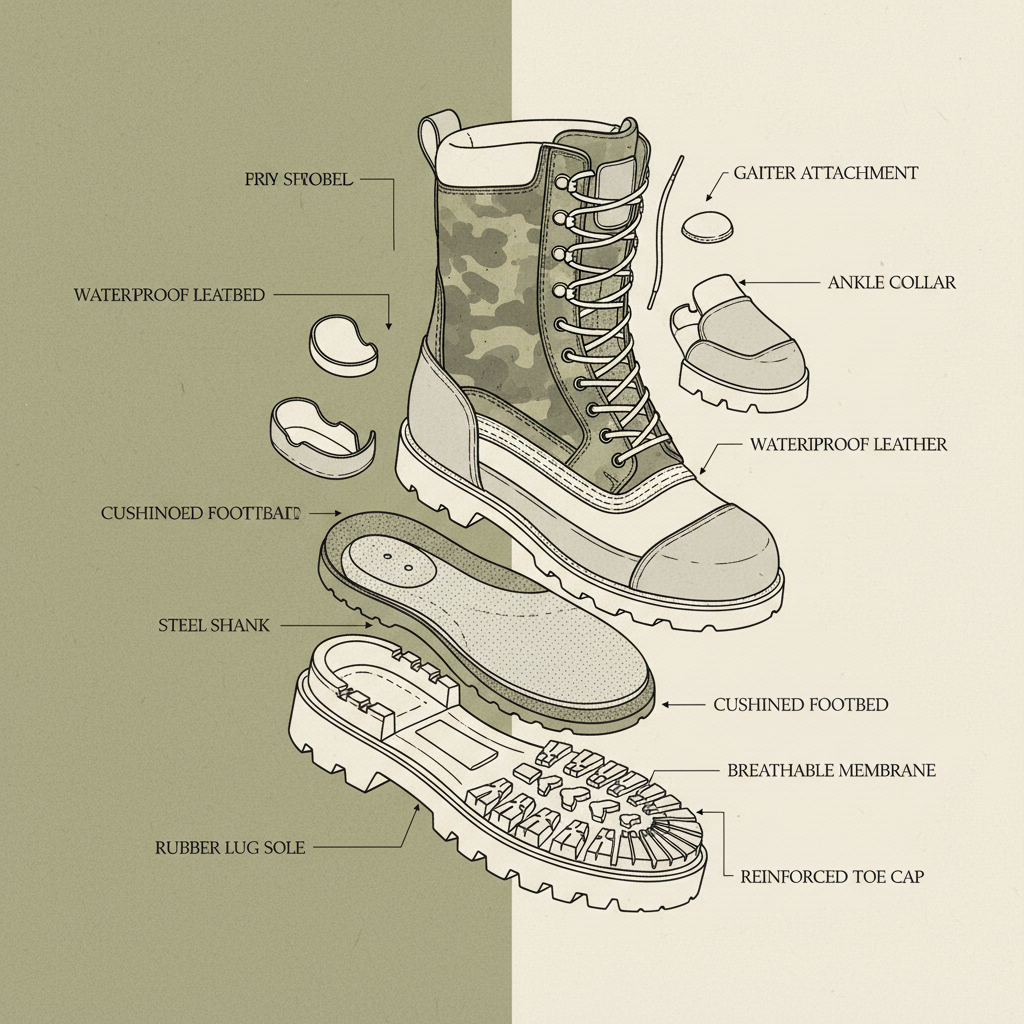
It all comes down to the materials, right? And it's not just about the fancy polymers. The leather... good leather smells like, well, leather. Not plastic. You can feel the difference in your hands. And the rubber, you want something with a good grip, something that doesn’t smell like chemicals all day. The nylon thread? Don't even get me started. Cheap thread breaks. Simple as that.
Industry Trends and Common Pitfalls
To be honest, these manufacturers are always trying to reinvent the wheel. One minute it's waterproof breathable membranes, the next it's self-lacing systems. Strangely, most workers just want a solid, comfortable boot that doesn’t leak. I’ve seen a lot of designs fall flat because they overthink it. They add features no one asked for, and compromise on the basics. The biggest pitfall? Ignoring feedback from the people actually using the boots.
They also fall for the marketing hype. "Ergonomic support!" "Advanced cushioning!" Yeah, okay. Show me a worker who cares about ergonomic support after 12 hours on concrete. They care about not having blisters. They care about not breaking their ankles. Anyway, I think simple is often better.
Materials: The Devil’s in the Detail
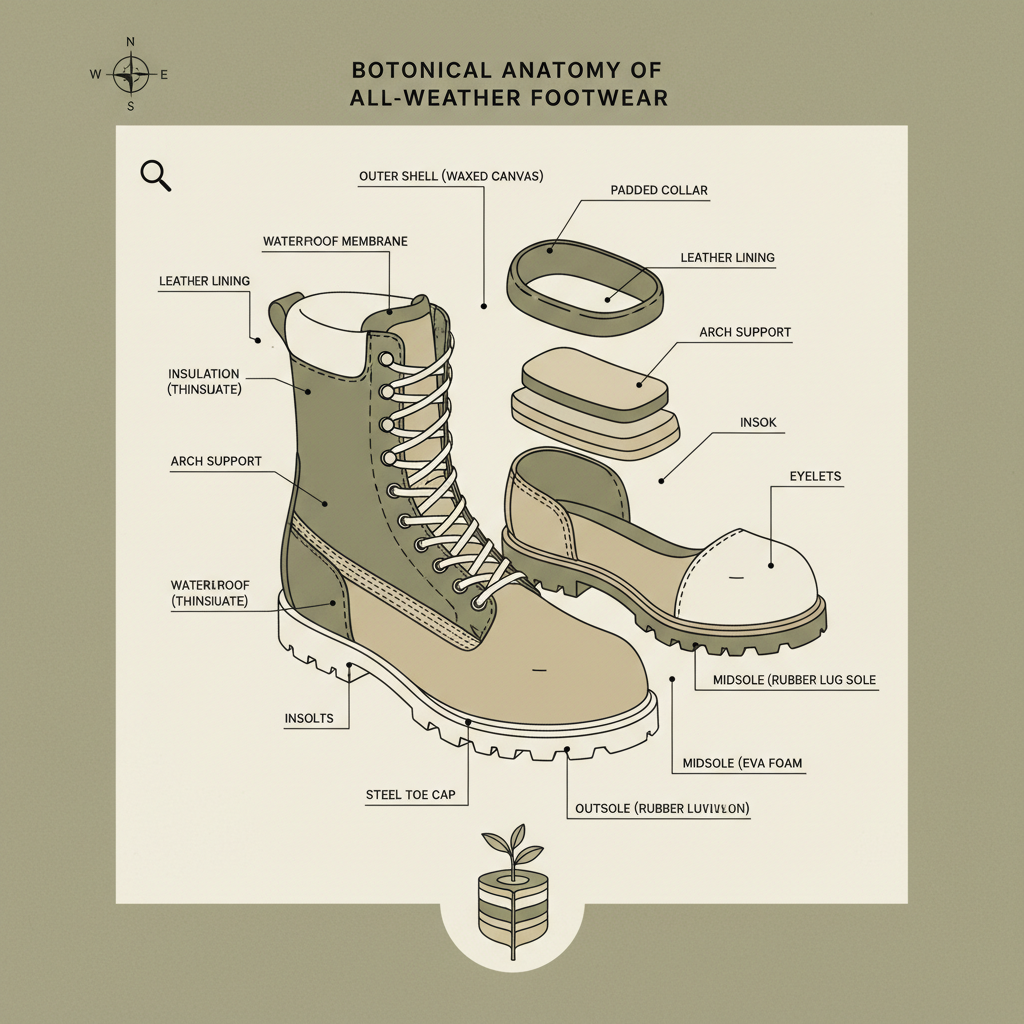
Like I said, materials are key. Full-grain leather is king, but it’s expensive, and takes time to break in. A lot of manufacturers are using split-grain leather – cheaper, but nowhere near as durable. You can tell the difference instantly. It feels…plasticky. And the stitching, oh the stitching. Double stitching is a must. Period. I’ve seen boots fall apart after a month because they skimped on the thread.
The soles… that's another battle. You’ve got your standard rubber, your Vibram, your TPU. Vibram’s good, no doubt, but it’s pricey. TPU is lighter, more flexible, but wears down faster. The density of the rubber matters too. Too soft, and it’ll wear down quickly. Too hard, and you’ll slip on wet surfaces. Finding the right balance is the trick.
And then there’s the lining. Gore-Tex is great for waterproofing, but it’s expensive. A lot of manufacturers use cheaper alternatives that just don't breathe as well. You end up with sweaty feet, blisters, and a whole lot of discomfort.
Real-World Testing: Beyond the Lab
Lab tests are fine, I guess. But they don't tell you how a boot will hold up in the real world. I've seen boots pass every lab test imaginable, but fall apart after a week on a construction site. We do our own testing. We send boots to sites, let workers wear them for a month, and then get their feedback. It's brutal, but it’s the only way to truly assess durability.
We test for everything: abrasion resistance, puncture resistance, oil resistance, slip resistance. We even submerge them in saltwater to see how they hold up. And we don't just look at the boots themselves, we look at how they affect the worker. Do they cause fatigue? Do they provide adequate support? Are they comfortable enough to wear all day?
One thing I've learned is that a boot that looks good in the catalog often performs poorly in the field. It’s the hidden details – the quality of the stitching, the density of the sole, the breathability of the lining – that make all the difference.
How People Actually Use Hunting Fishing Boots
It's not always what you expect. Some guys treat their boots like disposable socks. They abuse them, neglect them, and then wonder why they fall apart. Others are meticulous about maintenance. They clean them regularly, condition the leather, and replace the insoles as soon as they wear out.
I've seen guys use their boots for everything – climbing scaffolding, welding, even hauling materials. They’re not just footwear; they’re tools. And they need to be able to withstand a lot of abuse. A lot of guys also customize them, adding their own insoles, lacing systems, or even reinforcing the toe cap with metal plates.
Boot Feature Importance - Field Worker Survey
Advantages, Disadvantages, and Customization
The advantage of a well-made boot is obvious – it protects your feet, provides support, and lasts a long time. But the disadvantages are real too. Good boots are expensive. They can be heavy. And they often require a break-in period.
But you can often customize them to fit your needs. We had a client, a concrete finisher, who wanted extra ankle support. We added a higher ankle collar and reinforced the sides with leather. Another client, a welder, wanted a heat-resistant sole. We swapped out the standard rubber sole for a specially designed heat-resistant compound.
A Customer Story from Shenzhen
Last month, that small boss in Shenzhen who makes smart home devices insisted on changing the interface to . He said it was “more modern” and would “appeal to his target demographic.” He wanted us to modify the boot design to accommodate it – a ridiculously complex modification for a feature nobody asked for. It added weeks to the production time, increased the cost, and ultimately, the boots were rejected by his workers because they were uncomfortable. He learned a lesson that day, I tell ya.
He ended up backordering a batch of the standard design, complaining the whole time. I just shrugged. You can't argue with a guy who's convinced he knows better, even when he clearly doesn’t.
Performance Metrics: A Quick Reference
So, you're looking at specs, trying to make sense of it all. Here’s a quick breakdown of what matters, based on what I've seen on the ground. Don't get hung up on the marketing fluff.
These aren’t hard and fast rules, mind you. Every site is different, and every worker has their own preferences. But this should give you a starting point.
Key Performance Indicators for Hunting Fishing Boots
| Feature |
Testing Method |
Acceptable Range |
Real-World Observation |
| Water Resistance |
24-hour submersion test |
No water penetration |
Workers report dry feet after rain/mud exposure |
| Abrasion Resistance |
Taber abrasion test (cycles to failure) |
> 200 cycles |
Minimal wear after 6 months of heavy use |
| Slip Resistance |
ASTM F2913 test (coefficient of friction) |
> 0.5 (wet) |
Workers maintain stable footing on slippery surfaces |
| Puncture Resistance |
ASTM F2413 test (force required to puncture) |
> 750 lbs |
No punctures reported after encountering sharp objects |
| Comfort (Subjective) |
Worker feedback survey (1-5 scale) |
Average score > 4 |
Workers report minimal fatigue after long shifts |
| Weight (per pair) |
Scale measurement |
|
Workers don’t complain about excessive weight |
FAQS
Depends on how hard you work 'em. Seriously. If you’re on concrete all day, every day, expect to replace them every 6-12 months. If you’re mostly doing light work, you might get two years out of 'em. It's not about the calendar, it's about how they feel. If the support’s gone, or they’re leaking, it’s time for a new pair.
Simple: brush off the mud, wipe 'em down with a damp cloth, and let 'em air dry. Don’t put 'em in the dryer! That’ll ruin 'em. For leather boots, you can use a leather conditioner to keep 'em supple. Avoid harsh chemicals and abrasive cleaners. Trust me, a little maintenance goes a long way.
If you work in wet conditions, absolutely. There’s nothing worse than having soggy feet all day. But remember, “waterproof” doesn’t mean “impermeable.” Water can still get in through the seams or around the ankle. Look for boots with a gusseted tongue and sealed seams. And re-waterproof them regularly.
Steel toe is tougher, but heavier and colder. Composite toe is lighter and warmer, but not as strong. It depends on your job. If you’re dealing with heavy machinery, steel toe is the way to go. If you’re working in cold weather, composite toe might be more comfortable. Both meet safety standards, so it's really a matter of preference.
Absolutely! In fact, I recommend it. The insoles that come with most boots are pretty basic. A good aftermarket insole can make a huge difference in comfort and support. Gel insoles are great for cushioning, while orthotic insoles can help with alignment. It’s a small investment that can pay big dividends.
Hugely important. Seriously, don't underestimate the stitching. Double stitching is a must. Look for strong, durable thread. And check the seams carefully for any loose or frayed stitches. A poorly stitched boot will fall apart quickly, no matter how good the other materials are. I've seen it happen too many times.
Conclusion
Ultimately, hunting fishing boots are a tool, plain and simple. They’re not a fashion statement, they’re not a status symbol. They’re meant to protect your feet and help you get the job done. And the best boots are the ones that do that reliably, day after day, without causing you pain or discomfort. We can talk about materials, and testing, and features all day long, but at the end of the day…
Whether this thing works or not, the worker will know the moment he tightens the screw. And if they’re happy, and their feet are safe, then we’ve done our job. If you’re looking for durable, comfortable, and reliable hunting fishing boots, check out our selection at landwalk-outdoor.com. We've been building these with our own hands for years, and we stand behind every pair.