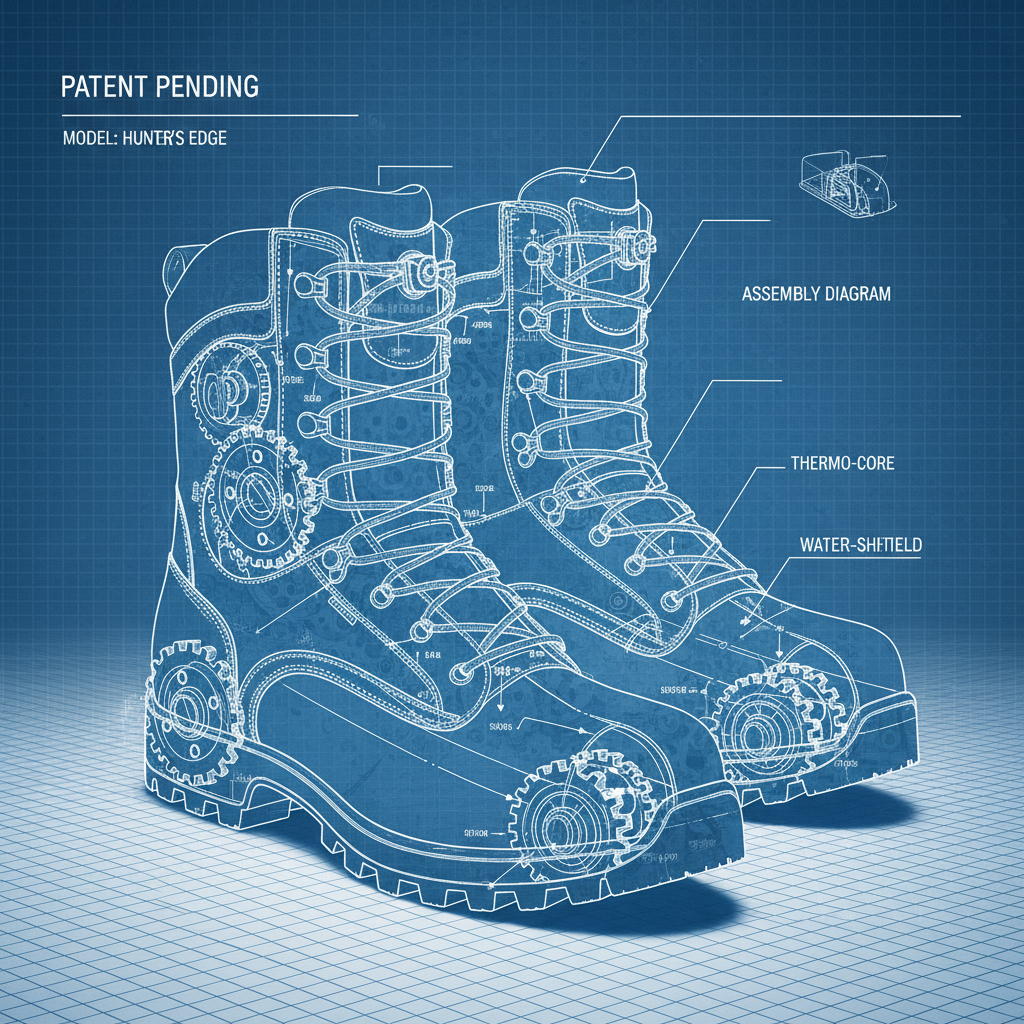
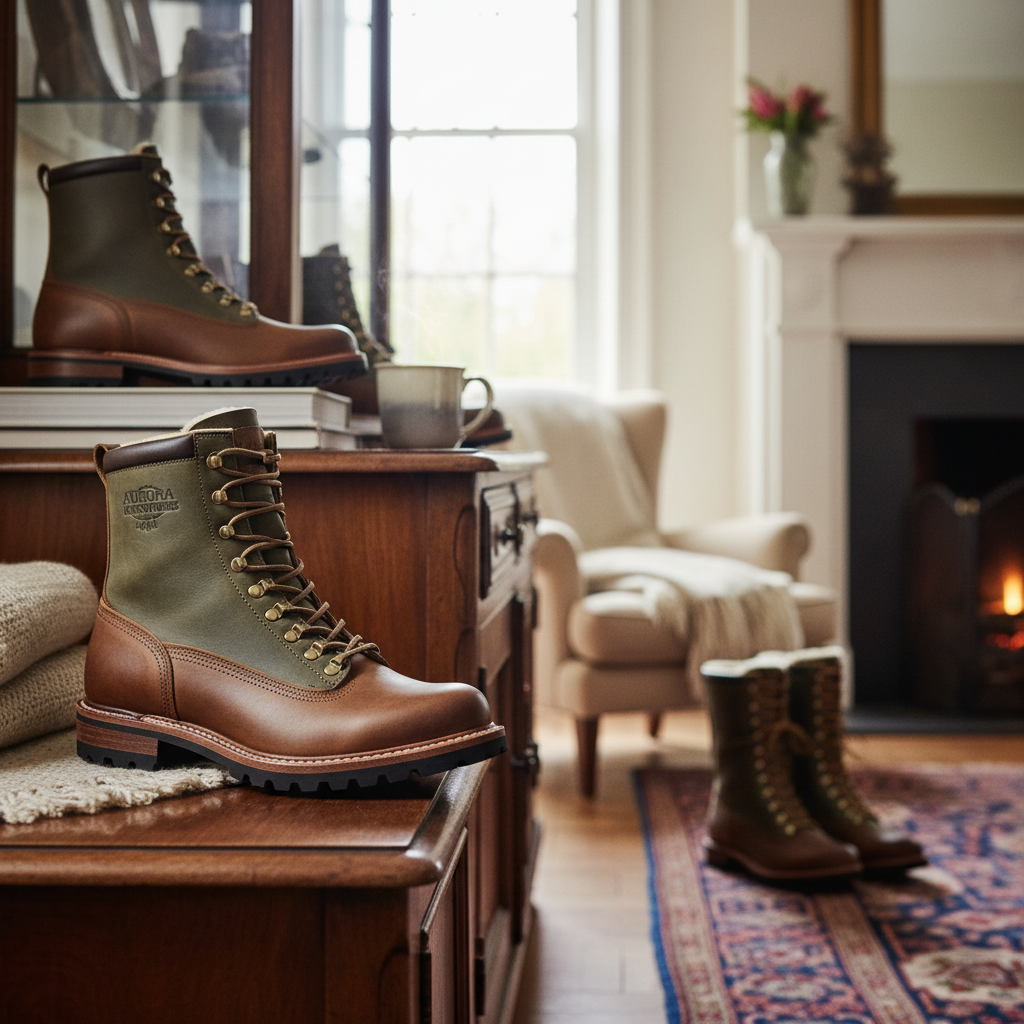
Honestly, the whole industry's gone crazy for lightweight stuff. Everyone's chasing grams, you know? Seems like yesterday we were all about bombproof, built-like-a-tank boots, and now it's all about how little they weigh. It's a bit of a pendulum swing, if you ask me. Good for long hikes, I guess, but I still worry about durability. I've seen too many guys ruin a boot on a single job because they skimped on the leather.
And the designs… Oh boy, the designs. Have you noticed how everyone's trying to reinvent the wheel? These fancy "ergonomic" soles, these intricate lacing systems... They look good in the catalog, but out on the muddy bank or a rocky mountainside, they just collect debris and wear out faster. Simple is often better, you know? A good, solid Vibram sole and a straightforward lacing system are still king.
Speaking of soles, everyone's switching to these new synthetic materials. PU, TPU, whatever. They’re lighter, sure, but they don't have the same feel as a good, traditional rubber. And the smell! Don't even get me started on the smell. That new rubber smell is fine, kinda comforting even. These synthetics… they smell like a chemical factory. Anyway, I think a blend is the way to go. You need the durability of rubber, but the weight savings of synthetics.
The Current Landscape of hunting and fishing Boots
The market's flooded with options, that's for sure. You've got your traditional leather boots, your lightweight synthetics, your waterproof membrane boots… it's overwhelming. And the price range? Don't even get me started. I've seen boots for under $100 that'll fall apart after a week, and boots for over $500 that… well, they still get muddy. It really depends on the application, too. A guy doing serious timber work needs something completely different than someone spending a weekend fishing.
I encountered this at a factory in Italy last time. They were bragging about their 'sustainable' boot made from recycled plastic bottles. Looked nice enough, but the plastic felt flimsy. I tried bending it, and it just… folded. I told them, "Look, a logger isn’t going to care about saving the planet if his boot breaks mid-cut." They weren't thrilled to hear that.
Design Pitfalls and Material Choices
Strangely enough, a lot of designers clearly haven't worn hunting and fishing boots. They come up with these fancy ideas that look great on paper, but are completely impractical in the real world. Like, why put a mesh panel right where mud is going to splash? And these super-thin tongues? They let rocks and debris get in, guaranteed. It drives me nuts. We spend months field-testing, sending back feedback, and half the time it feels like it goes in one ear and out the other.
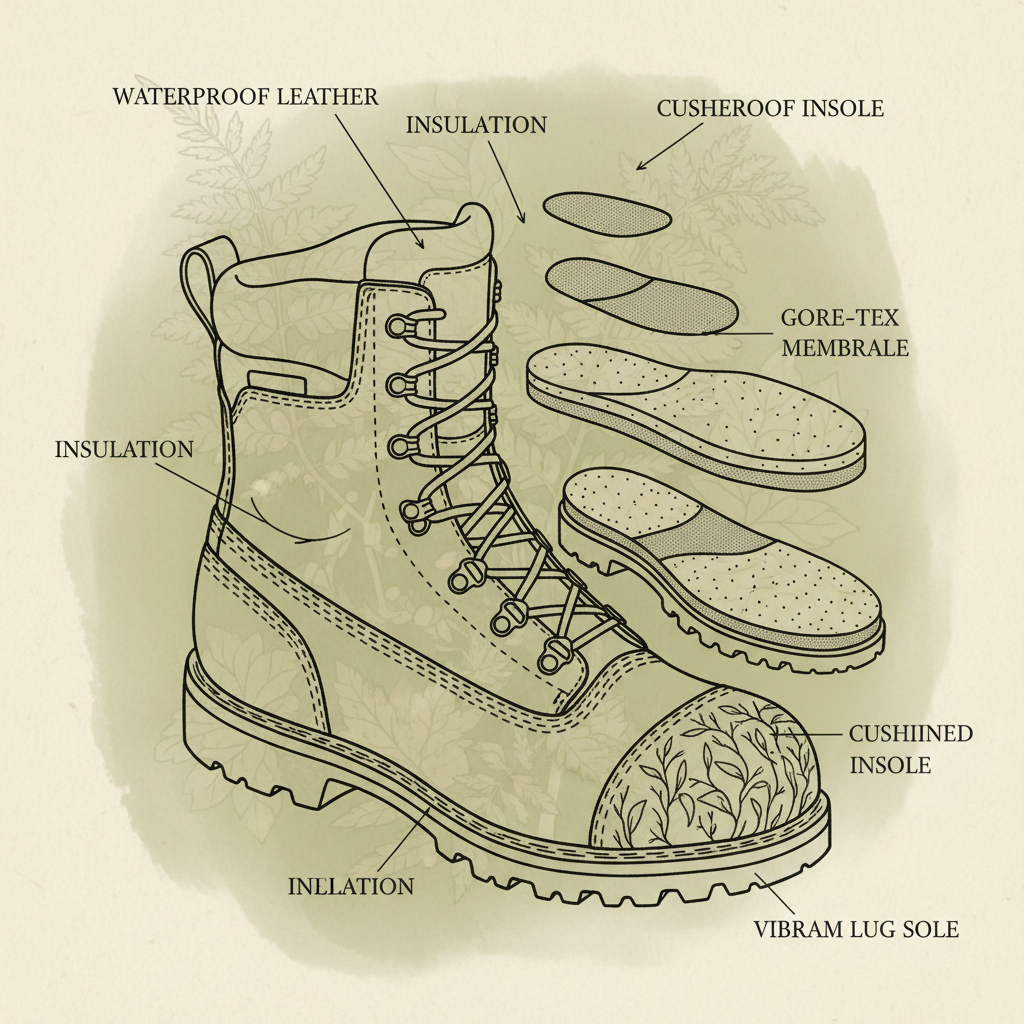
Leather, when done right, is still the best. Full-grain leather is durable, breathable, and molds to your foot over time. But it's expensive and requires maintenance. Then you’ve got Nubuck, which is softer but less durable. Synthetic leathers are okay for lighter duty, but they don’t hold up to abuse. And the membranes – Gore-Tex, eVent, all that stuff – they’re great for keeping your feet dry, but they also trap heat. It’s all about finding the right balance.
And the outsoles… Oh man, the outsoles. Too many brands are using these soft, sticky rubber compounds that wear down way too quickly. You need something with abrasion resistance, something that can grip on wet rocks and muddy trails. Vibram is the standard for a reason, but even within Vibram, there are different compounds for different applications.
The Importance of Real-World Testing
Lab tests are fine, but they don't tell the whole story. You need to get these boots out into the field and put them through hell. We send prototypes to guides, hunters, fishermen, construction workers… anyone who's going to put them to the test. And we don't just ask for their opinion. We watch them work. We see how they move, what stresses the boots are subjected to, and where they start to fail.
I remember one test, we sent a pair of boots to a guy who runs a salmon fishing charter in Alaska. He wore them for a full season, wading in freezing water, hiking over rocky terrain, and hauling heavy gear. At the end of the season, the boots were beat up, but they were still intact. That's a good sign. We had another pair fail after just a week. The difference? That guy was a concrete worker in Phoenix. Completely different demands.
We also look for unexpected uses. A guy might be using his boots to hammer in stakes, or to kick open a stubborn gate. You gotta anticipate those things. Because, let’s be real, people aren't always going to use a product the way you intend them to.
How Users Actually Utilize hunting and fishing Boots
It’s not always what you expect. We thought people would mostly be walking, hiking, maybe a little bit of wading. But we found a lot of guys are using their boots for driving, for doing yard work, even for just walking the dog. They want a versatile boot that can do it all. And they're not necessarily looking for the most high-tech features. They just want something that's comfortable, durable, and reliable.
And they’re rough on their boots. Let's be honest. They don't bother with leather conditioners or waterproof sprays. They just wear them until they fall apart and then buy another pair. That's why durability is so crucial.
hunting and fishing Boots Usage Scenarios
Advantages, Disadvantages, and Customization Options
The advantage of a good hunting and fishing boot is, well, it just works. It protects your feet, keeps them dry, and allows you to get the job done. But the disadvantages are clear: they can be heavy, expensive, and require maintenance. And they're not always stylish, let's be honest.
Customization is becoming more popular, though. We’ve had requests for everything from different lacing systems to custom insoles. Last month, that small boss in Shenzhen who makes smart home devices insisted on changing the interface to , and the result was… a disaster. It looked sleek, sure, but the connector was too fragile for field use. He ended up going back to the standard micro-USB. Sometimes, you just can't beat the tried and true.
A Customer Story: The Interface Debacle
Anyway, I think the biggest challenge is balancing innovation with practicality. Everyone wants the latest and greatest features, but they also want something that's going to last. That's where experience comes in. You gotta know what works and what doesn't. You gotta understand the needs of the end user.
We had one customer, a rancher in Montana, who wanted us to build him a boot specifically for horseback riding. He wanted a narrow heel to prevent slippage, a reinforced toe for protection, and a flexible sole for comfort. We worked with him for months, tweaking the design until it was perfect. He still wears those boots today, five years later. That's the kind of satisfaction you can't buy.
Later… Forget it, I won't mention that other story about the guy who wanted glow-in-the-dark laces.
Key Material Properties and Performance Characteristics
| Material Type |
Durability (1-10) |
Water Resistance (1-10) |
Weight (grams/boot) |
| Full-Grain Leather |
9 |
6 (with treatment) |
800 |
| Nubuk Leather |
7 |
5 (with treatment) |
700 |
| PU Synthetic Leather |
5 |
8 |
500 |
| Gore-Tex Membrane |
6 |
10 |
N/A (lining) |
| Vibram Outsole (Rubber) |
8 |
7 |
300 |
| TPU Outsole (Synthetic) |
4 |
9 |
250 |
FAQS
Honestly, the best thing is to just let them dry naturally and then brush off the loose dirt. Don't try to scrub them when they're wet, you'll damage the leather. A soft brush and a bit of saddle soap can work wonders, but don't overdo it. You want to maintain the natural oils in the leather, not strip them away.
That depends on how hard you work them! A well-maintained pair of full-grain leather boots can easily last five to ten years, even with heavy use. Synthetics, not so much. You’re looking at maybe two or three seasons. A lot of it comes down to taking care of them – cleaning them, conditioning the leather, replacing the insoles when they wear out.
It depends on your needs. If you’re spending a lot of time wading through streams or working in wet conditions, then absolutely. A good waterproof membrane will keep your feet dry and comfortable. But if you're mostly working in dry environments, then they might not be necessary. They can also make your feet hotter and sweatier.
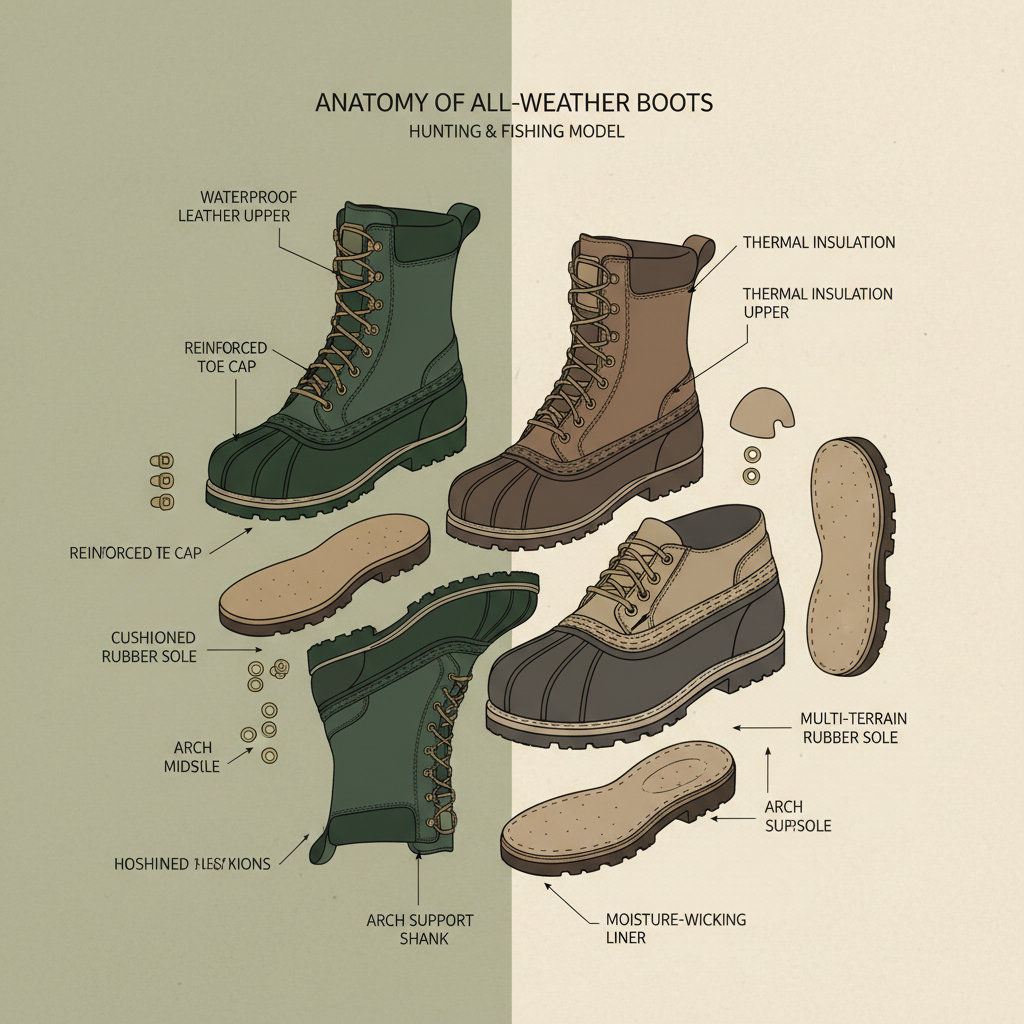
Good question! The shank is a support structure inside the boot that provides stability and prevents your foot from twisting. The midsole is the cushioning layer that absorbs shock and provides comfort. They work together to provide support and protection. A good shank is essential for hiking on uneven terrain.
Some can, some can’t. It depends on the construction of the boot. Boots with a Goodyear welt can be easily resoled, which is a big plus. It extends the life of the boot significantly. But boots that are glued together are much harder to resole. It’s often not worth the effort.
Look for boots that are specifically designed for wide feet. Some brands offer boots in different widths. Also, leather boots tend to stretch a bit over time, which can be helpful. Avoid boots with a narrow toe box. And make sure you try them on with the socks you plan to wear.
Conclusion
Ultimately, the perfect hunting and fishing boot doesn’t exist. There's always a trade-off between durability, comfort, weight, and cost. But a good boot is an investment in your feet, and your feet are the most important tool you have. You need something that can withstand the rigors of the job, keep you comfortable, and protect you from the elements.
And let’s be real, all the fancy technology and marketing hype in the world doesn’t matter if the boot doesn’t feel right on your feet. Ultimately, whether this thing works or not, the worker will know the moment he tightens the screw. Visit our website at www.landwalk-outdoor.com to find the perfect pair for your needs.