



Mar . 26, 2026 01:55
Back to list
Choosing the Right Hard Wearing Wellies for Outdoor Adventures
Choosing the Right Hard Wearing Wellies: A Comprehensive Guide
When venturing outdoors, particularly in challenging conditions, a reliable pair of hard wearing wellies is essential. They protect your feet from water, mud, and difficult terrain, ensuring comfort and safety. This guide will explore the key features to look for, materials used, popular brands, and how to choose the best wellies for your specific needs. Investing in quality wellies means investing in your outdoor experience.
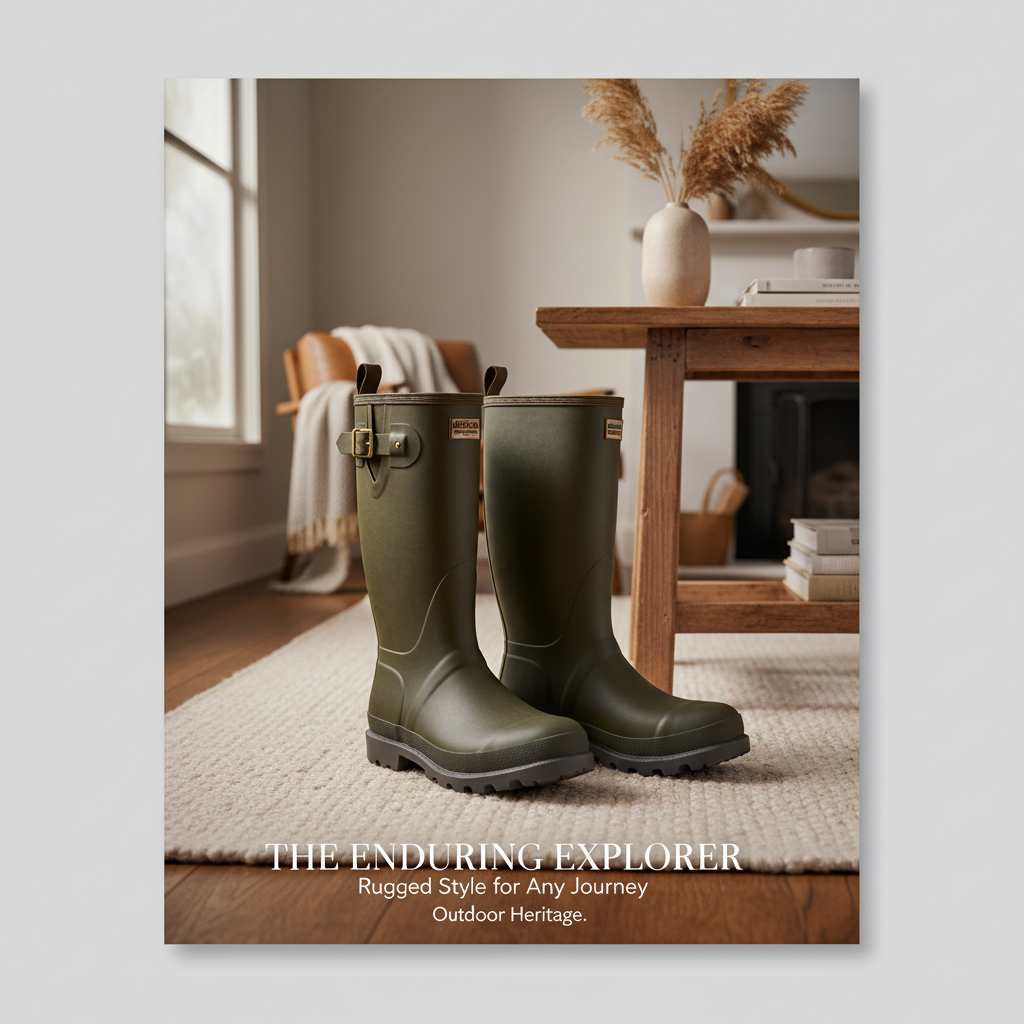
What Makes Wellies "Hard Wearing"?
"Hard wearing" in the context of wellies refers to their durability and resistance to punctures, abrasions, and general wear and tear. This is heavily influenced by the materials used in their construction. Traditionally, wellies were made from natural rubber, which is naturally durable and waterproof. However, modern wellies often incorporate PVC or a blend of materials to offer different performance characteristics. Factors like the thickness of the rubber, reinforced toe and heel caps, and the quality of the sole contribute significantly to a wellie's hard-wearing properties. A good pair of wellies will withstand prolonged use in harsh environments.
Key Considerations: The thickness of the rubber, quality of the sole, and reinforced areas contribute to hard-wearing wellies.
Materials Used in Hard Wearing Wellies
The material dictates the wellie's performance. Here's a breakdown:
- Natural Rubber: Highly durable, flexible, and offers excellent waterproof protection. It’s typically more expensive but provides a superior feel and longevity.
- PVC (Polyvinyl Chloride): More affordable than rubber, but generally less durable and less flexible.
- Neoprene: Offers excellent insulation, making it suitable for colder conditions. Often used as a lining or in combination with other materials.
The best wellies often combine these materials to leverage their respective strengths. For instance, a rubber outer shell with a neoprene lining provides both durability and warmth. Consider your typical usage and climate when choosing.
Material Pros & Cons:
• Rubber: Durable, Flexible, Expensive
• PVC: Affordable, Less Durable, Stiffer
• Neoprene: Insulating, Good Flexibility, Often Used as Lining
Comparing Popular Hard Wearing Wellies
Several brands offer excellent hard wearing wellies, each with its unique strengths. Here's a comparison:
Key Features to Look for in Hard Wearing Wellies
Beyond the material, consider these features:
- Reinforced Toe and Heel: Provides extra protection against impacts and abrasion.
- Aggressive Tread: Ensures good grip on slippery surfaces.
- Adjustable Gusset: Allows for a customized fit around the calf.
- Comfortable Insole: Reduces fatigue during prolonged wear.
- Quick-drying Lining: Helps keep feet dry and comfortable.
Ultimately, the best wellies will depend on your specific needs and activities. A farmer working in muddy fields will have different requirements than someone using wellies for light gardening.
Choosing the Right Fit and Maintaining Your Wellies
Proper fit is crucial for comfort and safety. Wellies that are too tight will cause blisters, while those that are too loose can lead to instability. Always try wellies on with the socks you plan to wear. After each use, rinse your wellies with clean water and allow them to dry completely away from direct heat. This will help to prevent cracking and prolong their lifespan. Regularly inspect for any signs of damage and replace them if necessary.
Conclusion: Investing in Quality and Comfort
Investing in a quality pair of hard wearing wellies is essential for anyone who spends time outdoors. By considering the materials, features, and fit, you can find a pair that will provide years of reliable protection and comfort. Don't compromise on quality – your feet will thank you!
Frequently Asked Questions (FAQs)
How do I know if my wellies are still safe to use?
Regularly inspect your wellies for cracks, cuts, or tears in the rubber. Pay close attention to the soles and around the toe and heel areas. If you notice any significant damage, it's time to replace them. Also, check the inner lining for signs of deterioration. Even if the exterior appears intact, a damaged lining can compromise comfort and hygiene. If you've been using them for several years, consider replacing them even without visible damage, as the rubber can degrade over time.
What are the benefits of natural rubber wellies?
Natural rubber wellies offer superior flexibility and durability compared to PVC alternatives. They are more resistant to cracking in cold weather and provide a more comfortable fit. The natural material is also more environmentally friendly. Although they may be more expensive upfront, their longer lifespan and better performance often make them a worthwhile investment. They’re particularly well suited for frequent and demanding outdoor use.
How should I store my wellies to prolong their life?
Proper storage is key to extending the life of your wellies. After each use, rinse them thoroughly with water to remove mud and debris. Allow them to dry completely in a well-ventilated area, away from direct sunlight or heat sources. Store them upright to maintain their shape and prevent cracking. Avoid storing them in damp or cold environments, as this can accelerate deterioration. If possible, use wellie boots racks or store them in a cool, dry shed or garage.
Latest news
-
Ultimate Guide to Choosing the Best Farmers Wellington BootsNewsApr.16,2026
-
The Ultimate Guide to Choosing the Best Professional Farming WelliesNewsApr.09,2026
-
Comprehensive Guide to Choosing the Perfect Field Wellies for Outdoor AdventuresNewsApr.07,2026
-
Choosing the Right Fit for Good Quality Wellies and Outdoor AdventuresNewsApr.04,2026
-
Choosing the Right Fit A Comprehensive Guide to Good Wellies and Outdoor FootwearNewsMar.31,2026
-
Choosing the Right Footwear A Comprehensive Guide to Good Wellington BootsNewsMar.28,2026
-
Stay Warm and Dry with Innovative Heated Wellies for Outdoor AdventuresNewsMar.24,2026