



Mar . 28, 2026 02:05
Back to list
Choosing the Right Footwear A Comprehensive Guide to Good Wellington Boots
The Ultimate Guide to Good Wellington Boots
When venturing outdoors, especially in unpredictable weather, having the right footwear is paramount. Good wellington boots are a staple for anyone who enjoys gardening, walking in the countryside, or working outdoors. This article will delve into everything you need to know about choosing the best wellington boots for your needs, covering materials, features, and how to care for them. We'll explore why investing in quality wellies is a smart decision for comfort, protection, and durability.
Understanding Wellington Boot Materials
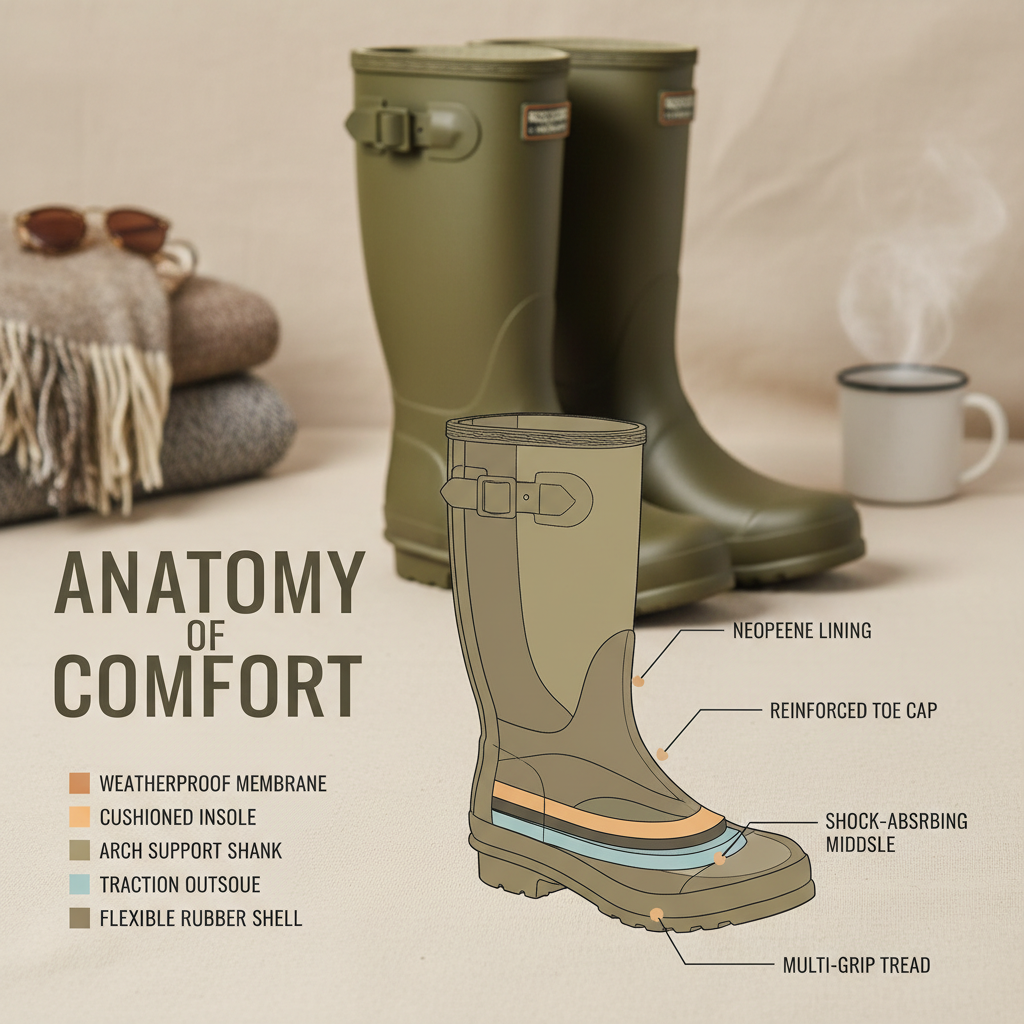
Wellington boots, often simply called 'wellies,' traditionally are made from natural rubber, but modern materials like PVC and neoprene are also common. Natural rubber offers excellent flexibility, durability, and waterproofing. PVC is a more affordable option, but less flexible and can become brittle in cold weather. Neoprene provides excellent insulation and is often used for winter wellies. The choice of material depends on your budget, intended use, and climate. Landwalk Outdoor offers a range of wellington boots crafted from various materials to suit different preferences.
Material Highlights: Natural rubber provides flexibility and durability. PVC is budget-friendly but less flexible. Neoprene excels in insulation for cold-weather wear.
Key Features to Look for in Good Wellington Boots
Beyond the material, several key features contribute to the quality and comfort of wellington boots. Look for a snug but comfortable fit, a robust and grippy sole, and a supportive heel. Adjustable gussets are beneficial for accommodating different calf sizes. Consider features like steel toe caps for added protection if you're using them for work. Furthermore, a comfortable insole can make a significant difference during extended wear. When searching for good wellington boots, prioritize features that align with your specific needs.
Essential Features:
• Snug and comfortable fit
• Robust and grippy sole
• Supportive heel
• Adjustable gussets
Comparing Wellington Boot Materials: A Detailed Look
Choosing between rubber, PVC and neoprene can be tricky. Here’s a comparison to help you decide. Each material presents different advantages and disadvantages in terms of cost, durability, comfort and suitability for certain environments.
Finding the Right Fit: Size and Calf Width
Proper fit is crucial for comfort and effectiveness. Wellington boots should be snug enough to prevent rubbing, but not so tight as to restrict circulation. Pay attention to both the foot length and calf width. Adjustable gussets are incredibly helpful for those with wider calves. Many retailers, including Landwalk Outdoor, provide size guides to help you choose the perfect fit. Don't hesitate to measure your feet and calves before making a purchase.
Caring for Your Wellington Boots
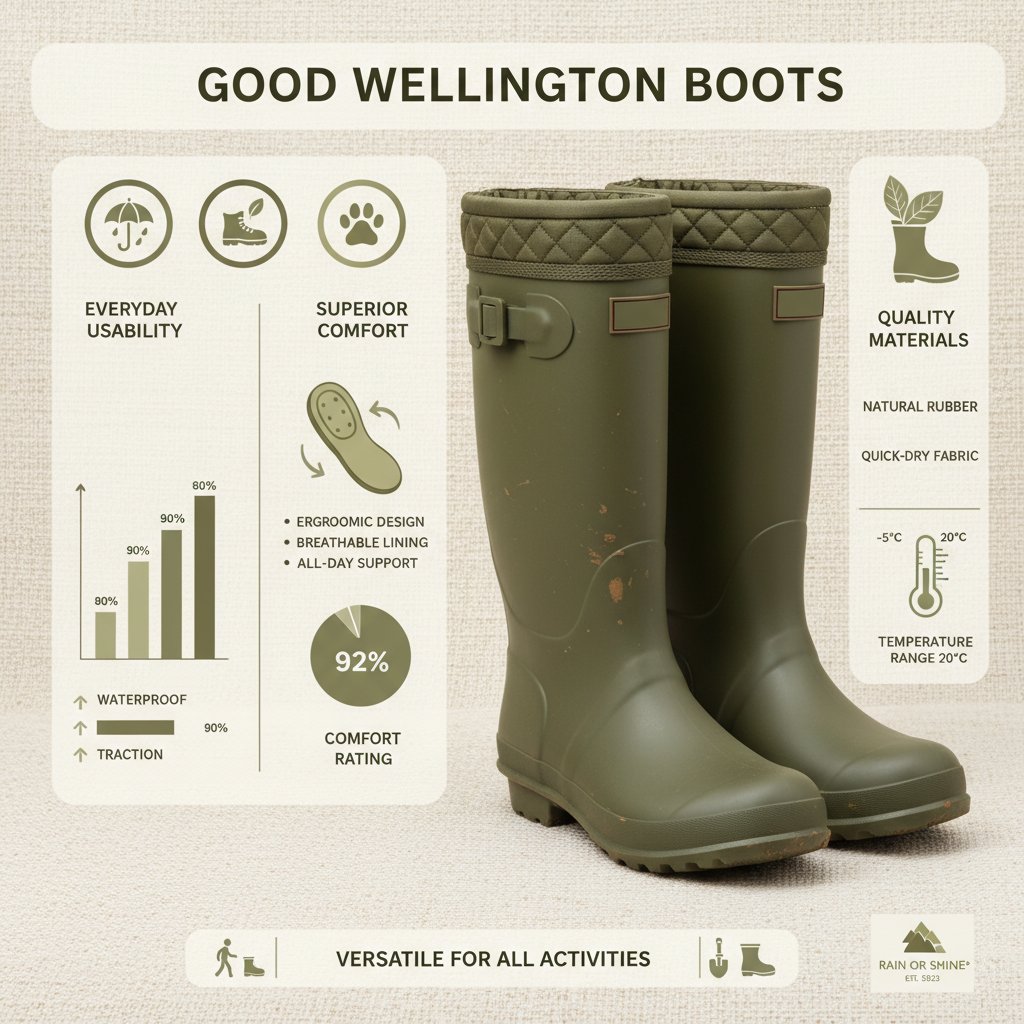
To extend the life of your wellington boots, proper care is essential. After each use, rinse off any dirt or mud with clean water. Store them in a cool, dry place away from direct sunlight. Avoid storing them folded or compressed, as this can cause cracking. Consider using a rubber conditioner periodically to keep the material supple and prevent it from drying out. Following these simple steps will ensure your good wellington boots remain in excellent condition for years to come.
Conclusion: Step Out in Confidence
Investing in a quality pair of wellington boots is a practical decision for anyone who spends time outdoors. By considering the material, features, fit, and care instructions outlined in this guide, you can find the perfect pair to keep your feet dry, comfortable, and protected. Choose wisely and enjoy your outdoor adventures!
Frequently Asked Questions (FAQs)
What size wellington boots should I buy?
It's best to measure your feet before purchasing wellington boots. Wear socks similar to those you'll wear with the boots. Measure the length of your foot from heel to toe. Then, consult the size chart provided by the retailer, such as Landwalk Outdoor. Remember that sizes can vary between brands. If you’re between sizes, it’s generally recommended to size up to allow for thicker socks.
How do I clean muddy wellington boots?
The easiest way to clean muddy wellington boots is to rinse them with a hose after each use. For stubborn mud, use a mild soap and warm water with a soft brush. Avoid using harsh chemicals or abrasive cleaners, as they can damage the material. Rinse thoroughly and allow the boots to air dry completely in a well-ventilated area. Never put wellington boots in a dryer or near a direct heat source.
Are wellington boots waterproof?
Yes, wellington boots are designed to be waterproof. However, the level of waterproofing can vary depending on the material. Natural rubber offers excellent waterproofing, while PVC may be less effective over time. Check for any cracks or damage to the boots, as these can compromise their waterproofness. Regularly applying a rubber conditioner can also help maintain the boots' waterproof properties.
What are adjustable gussets and why are they useful?
Adjustable gussets are expandable sections on the sides of the wellington boots. They allow you to adjust the width of the boot to accommodate different calf sizes. This is particularly useful for people with wider calves or those who want to wear thicker socks. Gussets typically feature a buckle or strap that allows you to tighten or loosen the fit for a comfortable and secure feel.
Latest news
-
Ultimate Guide to Choosing the Best Farmers Wellington BootsNewsApr.16,2026
-
The Ultimate Guide to Choosing the Best Professional Farming WelliesNewsApr.09,2026
-
Comprehensive Guide to Choosing the Perfect Field Wellies for Outdoor AdventuresNewsApr.07,2026
-
Choosing the Right Fit for Good Quality Wellies and Outdoor AdventuresNewsApr.04,2026
-
Choosing the Right Fit A Comprehensive Guide to Good Wellies and Outdoor FootwearNewsMar.31,2026
-
Choosing the Right Hard Wearing Wellies for Outdoor AdventuresNewsMar.26,2026
-
Stay Warm and Dry with Innovative Heated Wellies for Outdoor AdventuresNewsMar.24,2026