



Mar . 31, 2026 01:55
Back to list
Choosing the Right Fit A Comprehensive Guide to Good Wellies and Outdoor Footwear
Choosing the Right Fit: A Guide to Good Wellies
When facing wet and muddy conditions, a reliable pair of good wellies are essential. Whether you’re navigating a farm, exploring the countryside, or simply tackling a rainy day, selecting the correct wellington boots can make all the difference in comfort and protection. This article dives into what makes a good pair of wellies, offering guidance on features, materials, and choosing the right fit for your needs. We’ll explore why investing in quality wellies from Landwalk Outdoor is a smart choice.
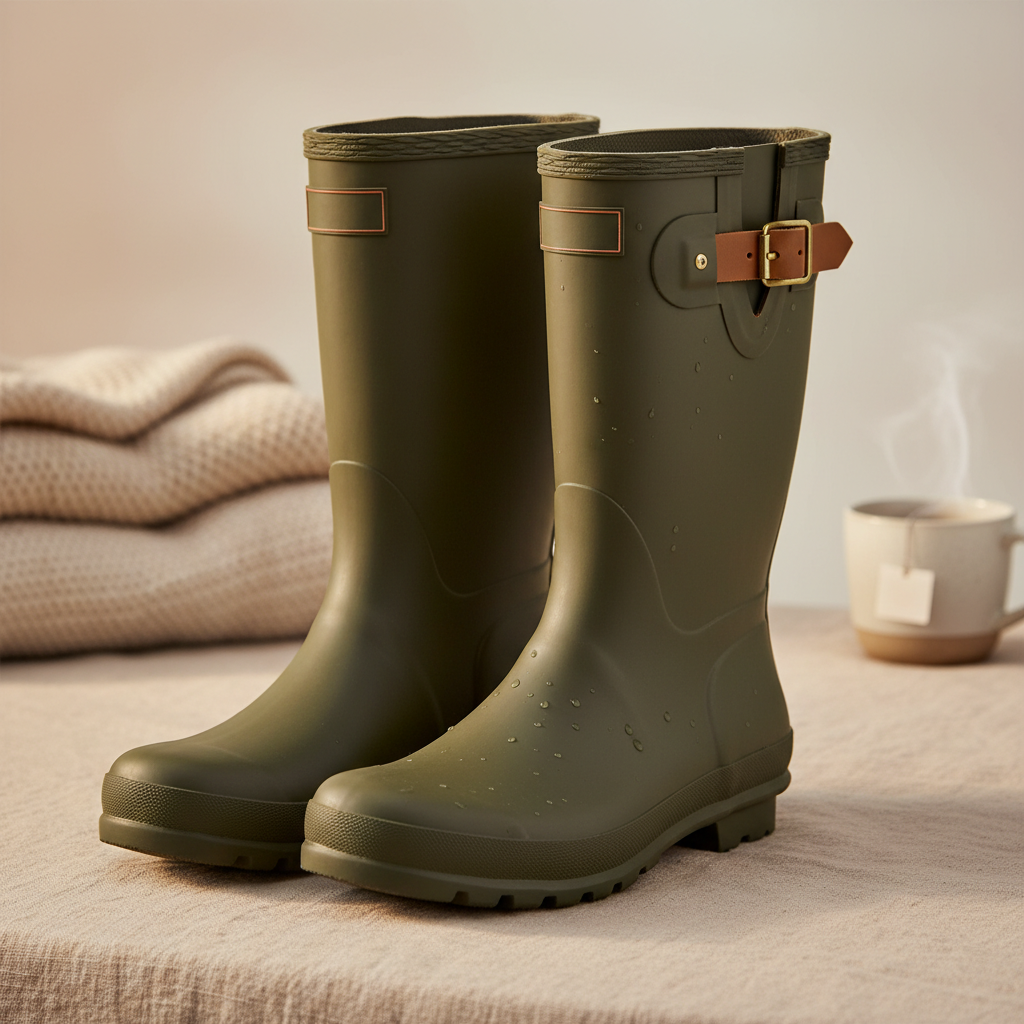
Key Features to Look for in Good Wellies
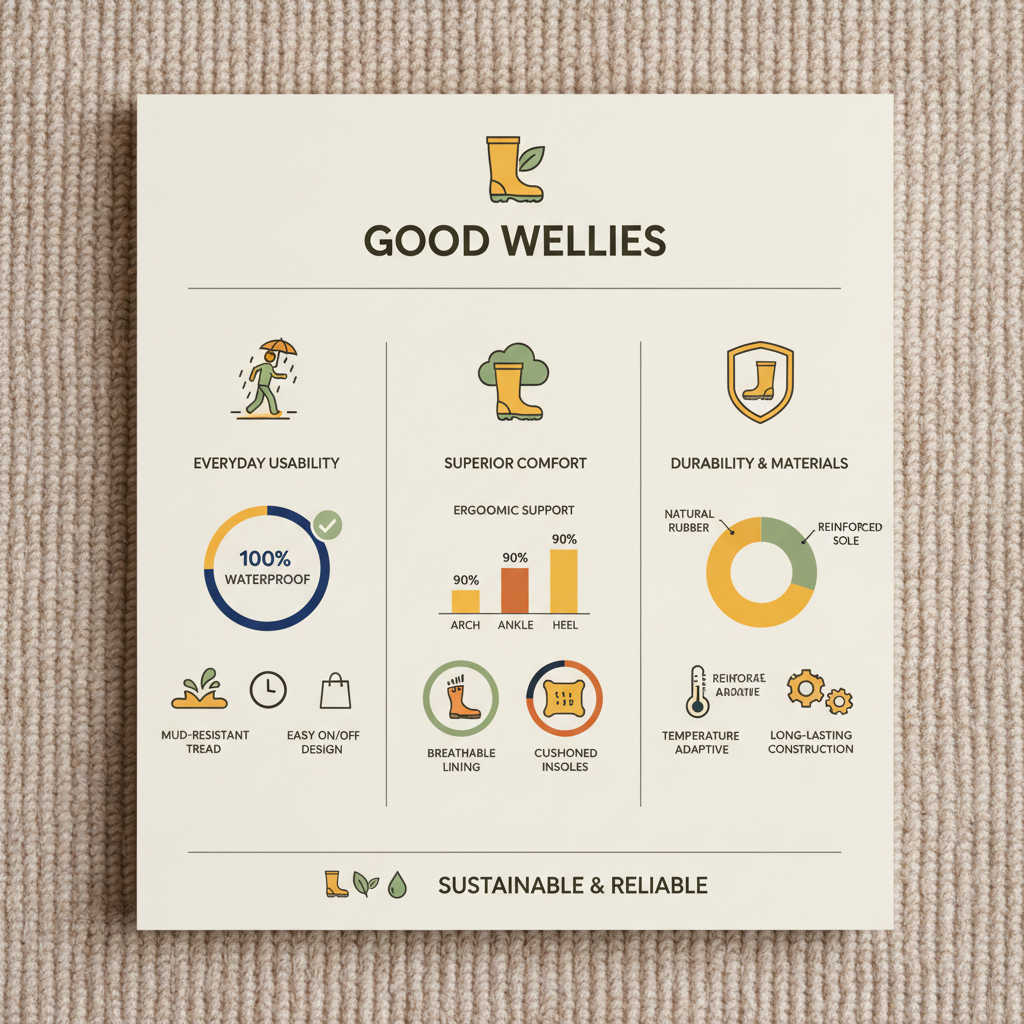
Beyond simply keeping your feet dry, good wellies offer several features that enhance comfort and usability. Consider the material – natural rubber provides excellent flexibility and durability, while PVC is a more affordable option. Look for a secure fit with an adjustable buckle or gusset to prevent water from entering. A robust sole with good tread is vital for grip on slippery surfaces. Additionally, features like steel toe caps or reinforced heels provide extra protection in demanding environments. At Landwalk Outdoor, we prioritize these features to deliver wellies that perform reliably.
Key Highlights: Secure fit, robust sole, durable materials (rubber or PVC), and added safety features like steel toe caps.
Materials: Rubber vs. PVC – Which is Right for You?
The material of your wellies significantly impacts their performance and longevity. Natural rubber offers superior flexibility, especially in colder temperatures, making it less prone to cracking. It's also more environmentally friendly and provides better abrasion resistance. PVC wellies are a more budget-friendly option, but they tend to be less flexible and can become brittle in cold weather. They are also less durable overall. For demanding use and long-term value, rubber is generally the preferred choice. Landwalk Outdoor offers both options, catering to different needs and budgets.
Material Comparison:
• Rubber: Flexible, durable, environmentally friendly, excellent abrasion resistance.
• PVC: Affordable, less flexible, prone to cracking in cold weather.
Finding the Perfect Fit: A Guide to Sizing Your Wellies
A proper fit is crucial for comfort and safety. Too large, and your feet will slide around, leading to blisters. Too small, and they’ll restrict circulation and cause discomfort. Measure your foot length in centimeters or inches and consult the manufacturer’s sizing chart (available on the Landwalk Outdoor website). Wear the socks you intend to wear with your wellies when measuring. Consider the width of your foot – some brands offer wider fits. Finally, ensure there's enough room to comfortably wiggle your toes.
Caring for Your Wellies: Extending Their Lifespan
Proper care can significantly extend the life of your wellies. After each use, rinse them thoroughly with clean water to remove dirt and mud. Avoid storing them in direct sunlight or near heat sources, as this can cause the material to crack. For rubber wellies, periodically apply a rubber conditioner to keep them supple. Store them upright to allow them to dry completely. Following these simple steps will ensure your good wellies remain in top condition for years to come.
Conclusion: Invest in Quality and Comfort
Choosing the right wellies is an investment in comfort, protection, and longevity.
By considering the material, fit, and features, you can find a pair that meets your specific needs. Landwalk Outdoor offers a wide selection of high-quality wellies designed for various activities and environments. Don't settle for less – choose wellies that will keep your feet dry and comfortable for years to come.
Frequently Asked Questions (FAQs)
How do I measure my foot for wellies?
The most accurate way to measure your foot is to trace it on a piece of paper while wearing the socks you intend to wear with your wellies. Measure the length from the heel to the longest toe in centimeters or inches. Then, consult the size chart provided by the manufacturer (available on the Landwalk Outdoor website). It's always a good idea to slightly overestimate rather than underestimate, as you can wear thicker socks if needed. Ensure you measure both feet, as one foot may be slightly larger than the other.
Are neoprene wellies warm?
Yes, neoprene wellies provide excellent thermal insulation, making them a good choice for colder weather. The neoprene material traps heat, keeping your feet warmer than traditional PVC or rubber wellies. However, the level of warmth also depends on the thickness of the neoprene. For very cold conditions, consider wellies with a thick neoprene lining or wearing thermal socks.
What should I look for in wellies for farming/agricultural work?
For farming or agricultural work, prioritize durability and protection. Rubber wellies are preferred for their resilience. Look for features like steel toe caps for added safety and a robust, slip-resistant sole for grip on uneven terrain. Consider wellies with reinforced heels and ankles for extra support. Landwalk Outdoor offers a range of work-specific wellies designed to withstand demanding conditions.
Latest news
-
Ultimate Guide to Choosing the Best Farmers Wellington BootsNewsApr.16,2026
-
The Ultimate Guide to Choosing the Best Professional Farming WelliesNewsApr.09,2026
-
Comprehensive Guide to Choosing the Perfect Field Wellies for Outdoor AdventuresNewsApr.07,2026
-
Choosing the Right Fit for Good Quality Wellies and Outdoor AdventuresNewsApr.04,2026
-
Choosing the Right Footwear A Comprehensive Guide to Good Wellington BootsNewsMar.28,2026
-
Choosing the Right Hard Wearing Wellies for Outdoor AdventuresNewsMar.26,2026
-
Stay Warm and Dry with Innovative Heated Wellies for Outdoor AdventuresNewsMar.24,2026