



Apr . 04, 2026 01:55
Back to list
Choosing the Right Fit for Good Quality Wellies and Outdoor Adventures
Choosing the Right Fit: A Guide to Good Quality Wellies
When venturing outdoors, especially in challenging conditions, having the right footwear is paramount. Good quality wellies, or Wellington boots, are an essential investment for anyone spending time in wet or muddy environments. This article will explore what defines a quality pair of wellies, the benefits they offer, and key considerations when making a purchase. We'll cover everything from materials and fit to features and care, ensuring you can confidently step out in comfort and protection. Choosing the right wellies can make all the difference in enjoying your outdoor activities.
What Makes Wellies “Good Quality”?
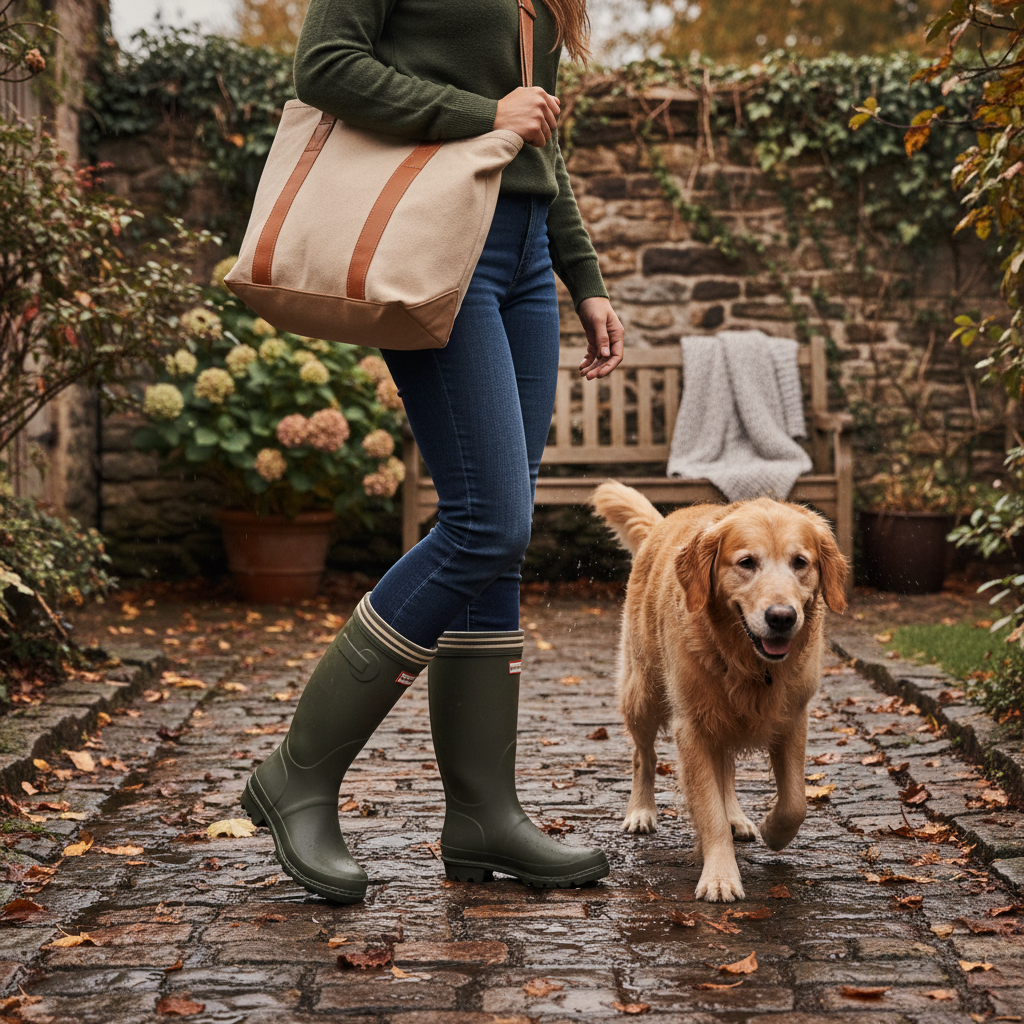
Defining 'good quality' in wellies goes beyond just waterproofness. It encompasses the materials used, the construction, and the level of comfort and durability they provide. High-quality wellies are typically made from natural rubber, known for its flexibility, strength, and resistance to cracking. Avoid PVC or rubber blends, which can become brittle in cold weather. Look for boots with a reinforced toe and heel for added protection. A robust sole with a good tread pattern is crucial for grip, especially on slippery surfaces. Landwalk Outdoor offers a range of wellies crafted with these qualities in mind.
Key Qualities: Durable natural rubber construction, reinforced toe and heel, robust and grippy sole, comfortable fit, and waterproof design.
The Importance of a Proper Fit: Choosing Your Size
An ill-fitting pair of wellies can lead to blisters, discomfort, and even injury. It's crucial to choose the correct size. Wear socks similar to those you’d wear with your wellies when trying them on. There should be about a thumb's width of space between your heel and the back of the boot to allow for movement and prevent rubbing. Consider the width of your feet - some wellies are designed for wider or narrower feet. Don’t assume your usual shoe size will translate directly to welly size, as sizing can vary between brands. A comfortable fit is non-negotiable for enjoying your outdoor adventures.
Fit Checklist:
• Wear appropriate socks when trying on.
• Allow for a thumb’s width of space at the heel.
• Consider the width of your feet.
• Don’t rely on your usual shoe size.
Good Quality Wellies: Materials and Durability Comparison
The material of your wellies significantly impacts their durability and performance. Here’s a comparison of common materials:
Features to Look for in Premium Wellies
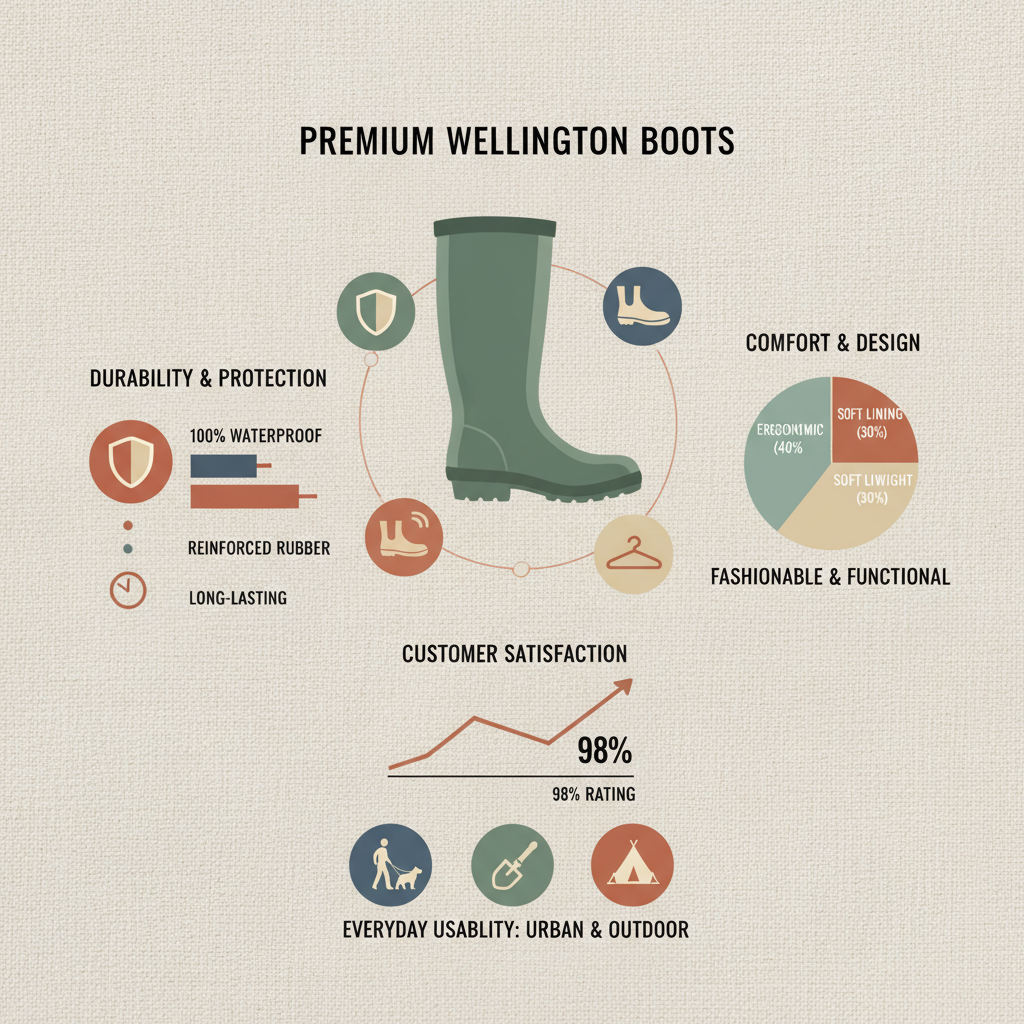
Beyond the basic requirements, several features can enhance the functionality and comfort of your wellies. Consider features like adjustable gussets for a customized fit, reinforced shanks for arch support, and cushioned insoles for all-day comfort. A kick spur allows for easy removal of the boots, which is especially helpful when you’re covered in mud! Landwalk Outdoor’s selection includes wellies with many of these premium features.
Caring for Your Wellies: Extending Their Lifespan
Proper care can significantly extend the life of your wellies. Rinse them thoroughly with clean water after each use to remove mud and debris. Store them in a cool, dry place away from direct sunlight and heat. Avoid storing them bent or creased, as this can damage the rubber. Periodically treat them with a rubber protector to prevent cracking and drying. Following these simple steps will ensure your wellies remain in excellent condition for years to come.
Conclusion: Step Out with Confidence
Investing in good quality wellies is an investment in your comfort, safety, and enjoyment of the outdoors. By considering the materials, fit, features, and care requirements outlined in this guide, you can confidently choose a pair that will withstand the elements and provide years of reliable service. Don’t let poor footwear ruin your outdoor experience – step out with confidence!
Frequently Asked Questions (FAQs)
What’s the difference between natural rubber and PVC wellies?
Natural rubber wellies are far superior to PVC options in terms of durability, flexibility, and comfort. Natural rubber remains pliable even in cold temperatures, while PVC can become brittle and crack. Rubber also provides better grip and is more environmentally friendly. While PVC wellies are often cheaper, they don’t offer the same long-term value or performance.
How do I know if my wellies are too small?
If your toes are cramped, your heel lifts significantly with each step, or you experience discomfort after a short period of wear, your wellies are likely too small. Ill-fitting wellies can lead to blisters, numbness, and even foot injuries. Ensure there's sufficient space for your toes to move freely and that your heel remains securely in place.
Are wellies suitable for all types of terrain?
While wellies excel in wet and muddy conditions, they aren't ideal for all terrains. The lack of ankle support can make them unstable on uneven or rocky ground. For hiking or more challenging terrain, consider investing in waterproof hiking boots that offer better support and traction. Wellies are best suited for flat, muddy, or wet environments.
What is a kick spur and why is it useful?
A kick spur is a small projection at the back of the welly boot. It allows you to easily kick off the boots without using your hands, which is particularly helpful when you're covered in mud or working in messy environments. It's a convenient feature that adds to the practicality of wellies.
Latest news
-
Ultimate Guide to Choosing the Best Farmers Wellington BootsNewsApr.16,2026
-
The Ultimate Guide to Choosing the Best Professional Farming WelliesNewsApr.09,2026
-
Comprehensive Guide to Choosing the Perfect Field Wellies for Outdoor AdventuresNewsApr.07,2026
-
Choosing the Right Fit A Comprehensive Guide to Good Wellies and Outdoor FootwearNewsMar.31,2026
-
Choosing the Right Footwear A Comprehensive Guide to Good Wellington BootsNewsMar.28,2026
-
Choosing the Right Hard Wearing Wellies for Outdoor AdventuresNewsMar.26,2026
-
Stay Warm and Dry with Innovative Heated Wellies for Outdoor AdventuresNewsMar.24,2026