



Mar . 21, 2026 01:55
Back to list
Choosing the Right Heavy Duty Wellies for Optimal Safety and Comfort
Choosing the Right Heavy Duty Wellies: A Comprehensive Guide
When tackling tough outdoor tasks, selecting the right footwear is crucial. Heavy duty wellies, or Wellington boots, provide essential protection and comfort for a wide range of activities. This article explores the key features to look for, the benefits of investing in quality wellies, and how to choose the best pair for your needs. From agricultural work to outdoor adventures, we'll cover everything you need to know to keep your feet safe and dry. Landwalk Outdoor offers a range of durable and reliable wellington boots designed for various applications.
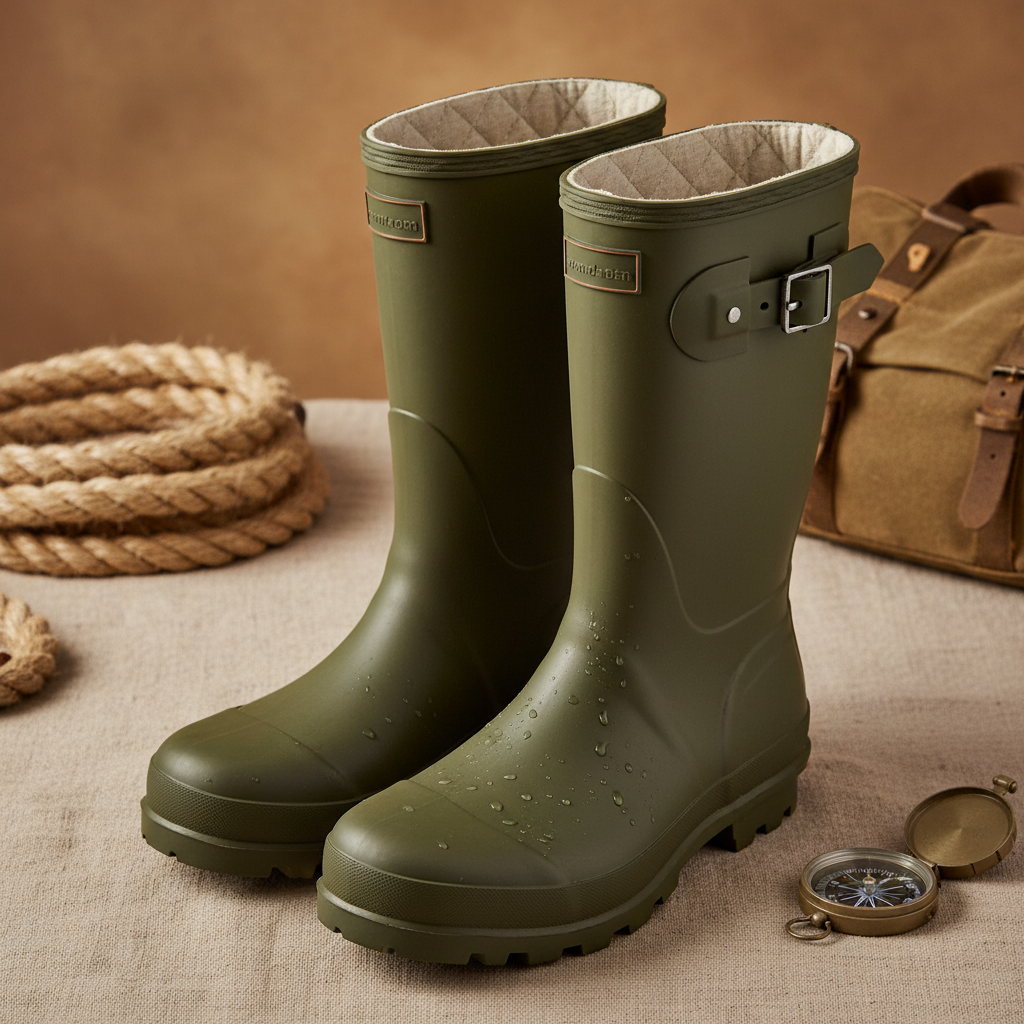
Understanding Heavy Duty Wellington Boots
Heavy duty wellies aren't your average rain boots. They're built to withstand demanding conditions and provide superior protection. Key features include reinforced construction, durable materials like PVC or rubber, and often, steel toe caps and midsoles for impact resistance. These boots are designed for prolonged use in challenging environments, offering both comfort and safety. They're ideal for farmers, construction workers, gardeners, and anyone spending extended periods outdoors in wet or muddy conditions. Investing in a quality pair can prevent injuries and improve overall productivity.
Key Highlights: Reinforced construction, durable materials, steel toe and midsole options for enhanced safety, designed for prolonged use in challenging environments.
Key Features to Look for in Heavy Duty Wellies
When choosing heavy duty wellies, several features are essential. First, consider the material – PVC offers affordability and flexibility, while rubber provides superior durability and insulation. Look for reinforced areas around the toe and heel for added protection. Steel toe caps are crucial if you work with heavy objects, while steel midsoles protect against punctures. A good grip is vital for preventing slips and falls, so check for a deeply treaded sole. Finally, ensure the boots offer adequate ankle support and a comfortable fit for all-day wear. Landwalk Outdoor wellies are designed with these features in mind, offering a combination of protection, comfort, and durability.
Essential Features:
• Material: PVC or Rubber
• Reinforced Toe and Heel
• Steel Toe Cap (Optional)
• Steel Midsole (Optional)
• Deeply Treaded Sole
Heavy Duty Wellies: Material Comparison
Choosing between PVC and rubber for your heavy duty wellies depends on your specific needs. PVC is a more affordable option, offering good flexibility and resistance to chemicals. However, it's less durable and can become brittle in cold temperatures. Rubber, on the other hand, provides superior durability, insulation, and grip. It's also more resistant to cracking and tearing. While more expensive, rubber wellies are a long-term investment that will withstand years of heavy use. Understanding the differences between these materials will help you make the best choice for your requirements.
Applications of Heavy Duty Wellies
The versatility of heavy duty wellies makes them ideal for numerous applications. Agriculture is a major use case, protecting farmers from mud, manure, and potential hazards. Construction workers rely on them for waterproofing and impact protection on job sites. Gardeners appreciate their ability to withstand wet soil and rough terrain. Furthermore, they're essential for fishing, hunting, and other outdoor recreational activities. The right pair of wellies can significantly enhance safety and comfort in a variety of work and leisure environments.
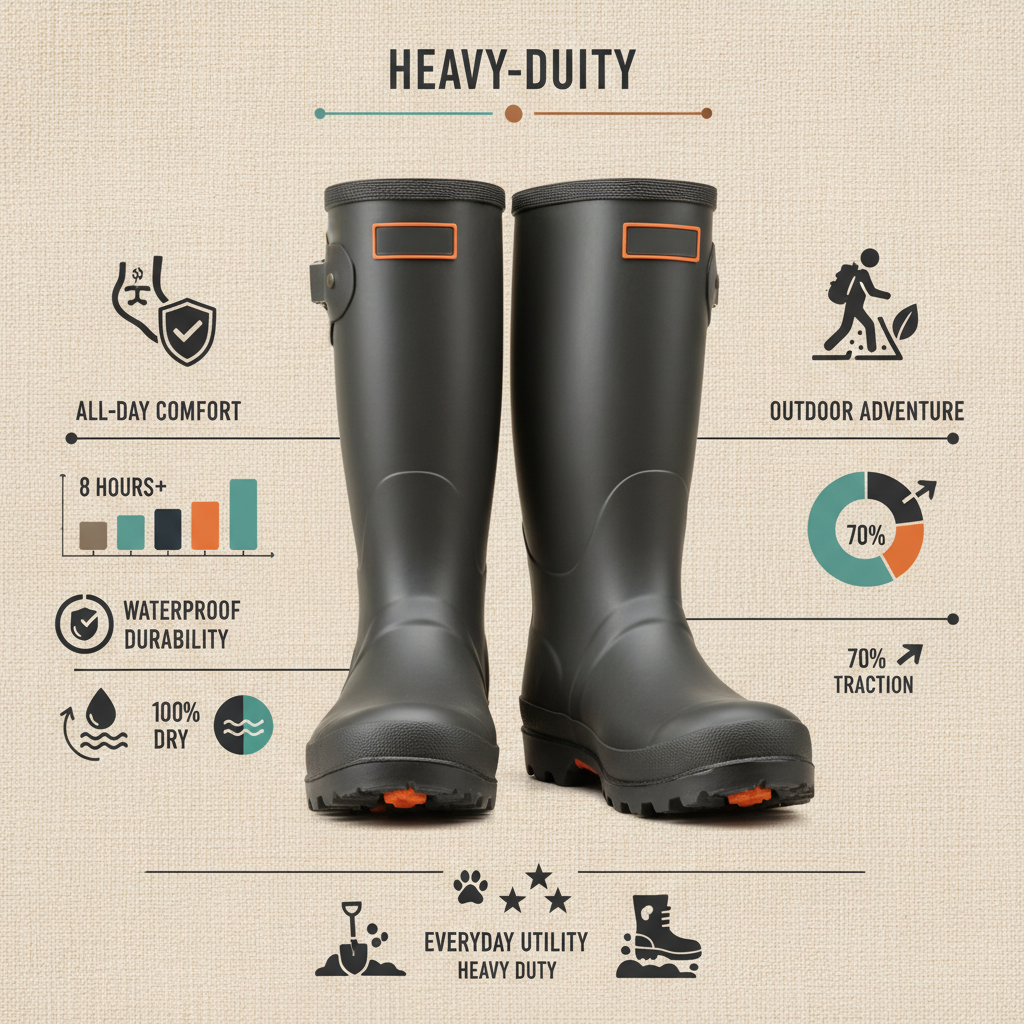
Landwalk Outdoor: Your Trusted Source for Heavy Duty Wellies
At Landwalk Outdoor, we are committed to providing high-quality, durable, and comfortable heavy duty wellies. Our boots are designed to withstand the toughest conditions and offer superior protection. We offer a wide range of styles and sizes to meet your specific needs. Explore our collection today and find the perfect pair to keep your feet safe and dry.
Conclusion: Invest in Foot Protection
Choosing the right heavy duty wellies is an investment in your safety and comfort. Whether you're a professional working in challenging conditions or an outdoor enthusiast, quality wellies are essential. Landwalk Outdoor offers a reliable range of wellington boots designed to meet your needs. Don't compromise on foot protection - choose Landwalk Outdoor.
Frequently Asked Questions (FAQs)
How should I properly fit heavy duty wellies?
Proper fit is crucial for comfort and safety. Wear the socks you'd typically wear with wellies when trying them on. There should be about 1/2 inch (1.25 cm) of space between your longest toe and the end of the boot. Your heel should fit snugly, with minimal slipping. The wellies should feel supportive but not constricting. If you plan to wear thick insoles, account for that when assessing the fit. A poor fit can lead to blisters, discomfort, and reduced protection.
How do I care for my heavy duty wellies to prolong their lifespan?
To maximize the lifespan of your wellies, rinse them thoroughly with clean water after each use to remove mud, dirt, and debris. Avoid exposing them to direct sunlight or extreme temperatures for extended periods, as this can cause the material to crack or deteriorate. Store them in a cool, dry place. For rubber wellies, periodically apply a rubber conditioner to prevent drying and cracking. Avoid using harsh chemicals or abrasive cleaners, as they can damage the material.
Are steel toe cap wellies necessary for all jobs?
Steel toe cap wellies are essential in industries where there's a risk of falling objects or compression hazards, such as construction, warehousing, and manufacturing. They provide vital protection against impact and crushing injuries. However, they may not be necessary for all jobs. If your work doesn't involve these types of hazards, standard heavy duty wellies may suffice. Always assess the risks associated with your job and choose the appropriate footwear accordingly.
What grip pattern is best for muddy conditions?
For muddy conditions, look for wellies with a deep, aggressive tread pattern. Chevron patterns and self-cleaning lugs are particularly effective at providing traction and preventing the boots from becoming clogged with mud. A wider sole also helps to distribute weight and improve stability. Avoid smooth or shallow tread patterns, as they offer limited grip in muddy environments.
Latest news
-
Ultimate Guide to Choosing the Best Farmers Wellington BootsNewsApr.16,2026
-
The Ultimate Guide to Choosing the Best Professional Farming WelliesNewsApr.09,2026
-
Comprehensive Guide to Choosing the Perfect Field Wellies for Outdoor AdventuresNewsApr.07,2026
-
Choosing the Right Fit for Good Quality Wellies and Outdoor AdventuresNewsApr.04,2026
-
Choosing the Right Fit A Comprehensive Guide to Good Wellies and Outdoor FootwearNewsMar.31,2026
-
Choosing the Right Footwear A Comprehensive Guide to Good Wellington BootsNewsMar.28,2026
-
Choosing the Right Hard Wearing Wellies for Outdoor AdventuresNewsMar.26,2026