



Oct . 13, 2025 12:20
Back to list
Neoprene Thermal Wellies - Warm, Waterproof Brown Boots
Field Notes on Cold-Weather Footwear: Neoprene Thermal Work Boots SY01-5N
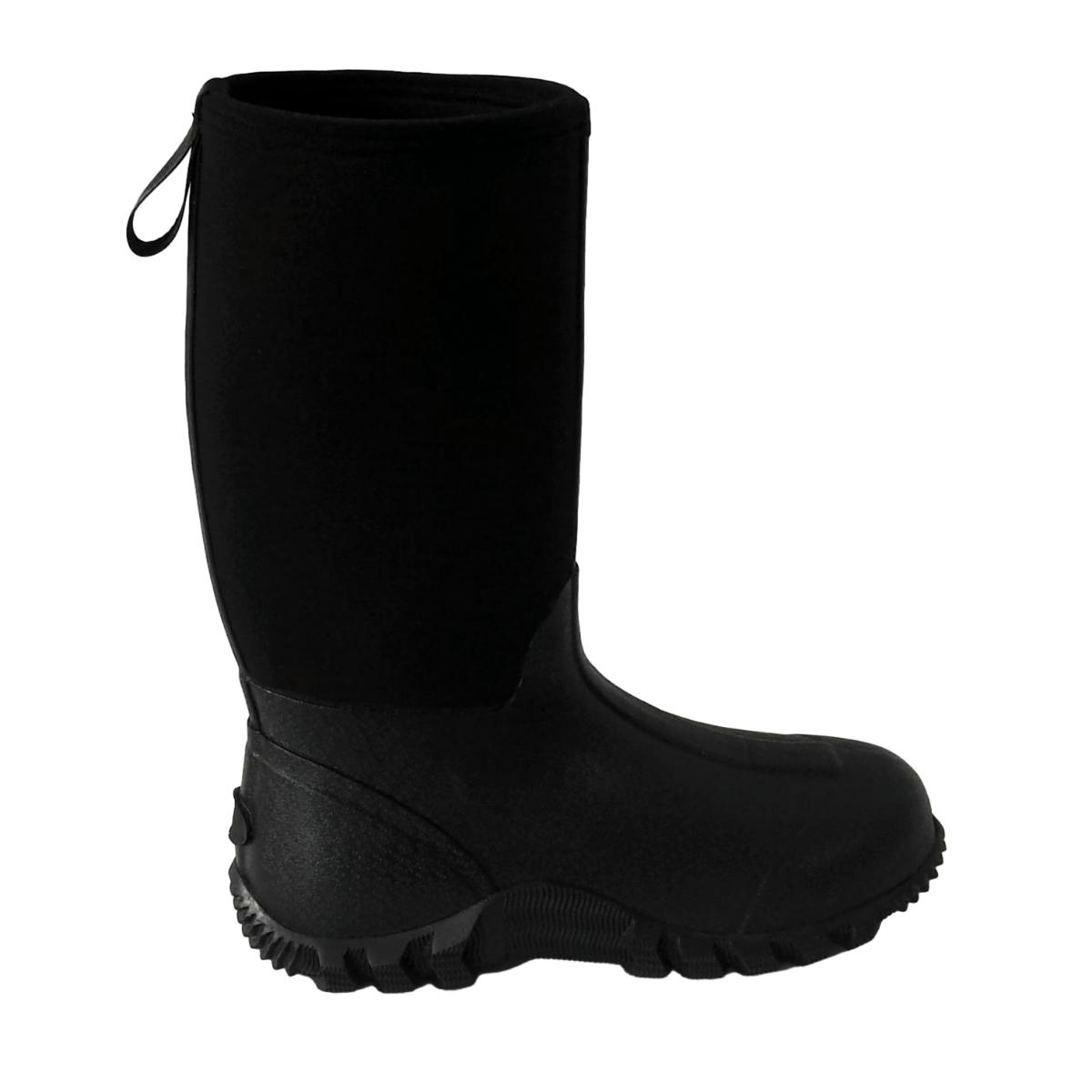
I’ve toured enough boot factories to know when a model’s been engineered by people who actually wade through mud at dawn. The SY01-5N from Landwalk (manufactured in Baoding, Hebei—Room 9-1, Zone F, 3rd Floor, Building D, Science and Technology Industrial Park, No. 723 Cuiyuan Street) lands squarely in that category. If you’re hunting for neoprene thermal wellies that aren’t just rebranded garden boots, read on.
Trend watch: why neoprene thermal wellies are everywhere
Climate volatility—wetter winters, freeze-thaw swings—has pushed farms, utilities, and construction sites toward neoprene-lined rubber boots. Neoprene adds insulation and flex; vulcanized rubber keeps the water out. Simple formula, but hard to execute at scale. Actually, the SY01-5N is Landwalk’s bid to sit between heavy “industrial” models and nimble outdoor wellies. It seems that’s where most buyers live.
Product snapshot: SY01-5N key specs
| Model | Neoprene Thermal Work Boots SY01-5N |
| Upper | Vulcanized natural rubber (outer), CR neoprene 5 mm lining |
| Insulation | Neoprene + thermal foam footbed; ≈ -20°C comfort in motion (real-world use may vary) |
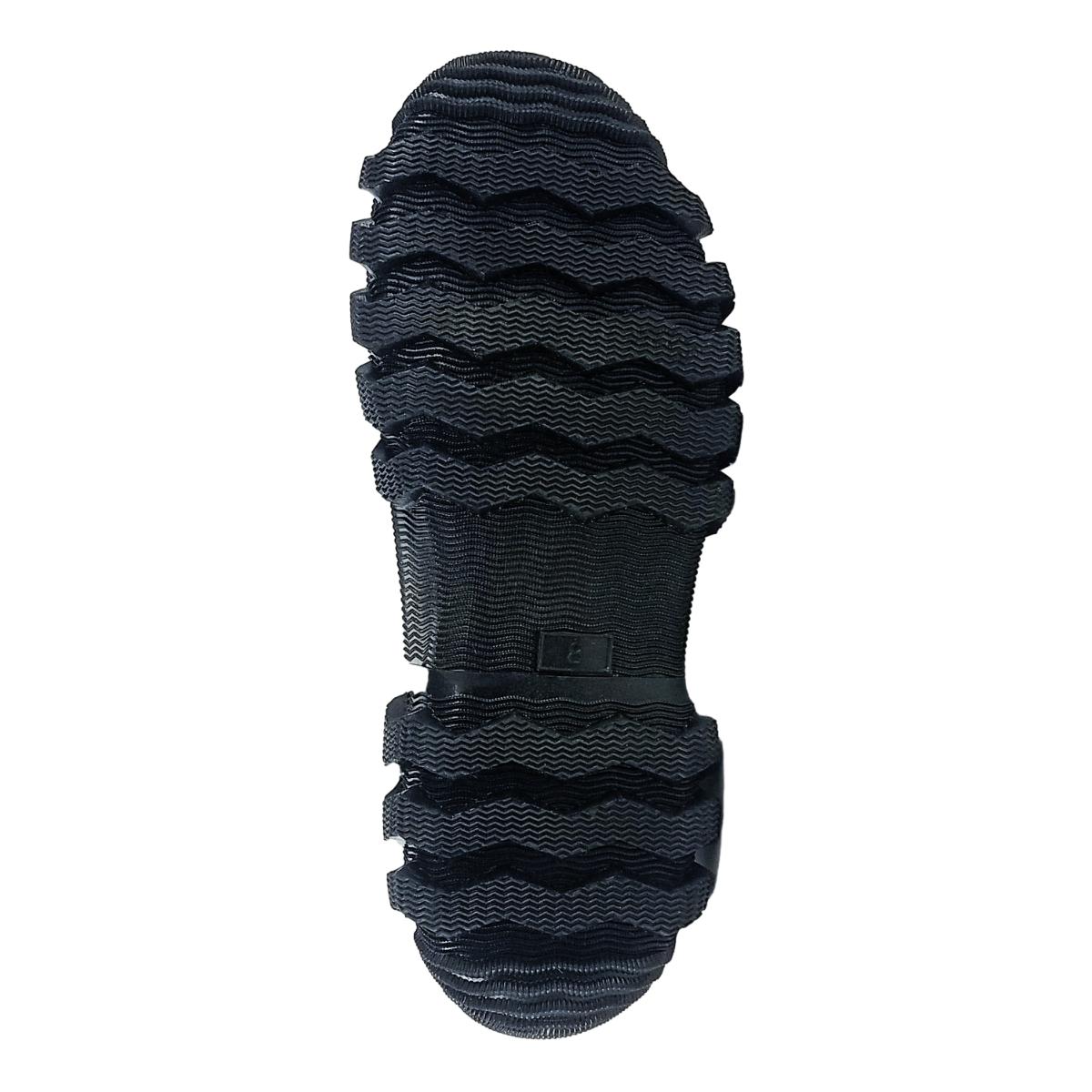
| Outsole | High-traction rubber, SRC slip resistance per EN ISO 20345/13287 |
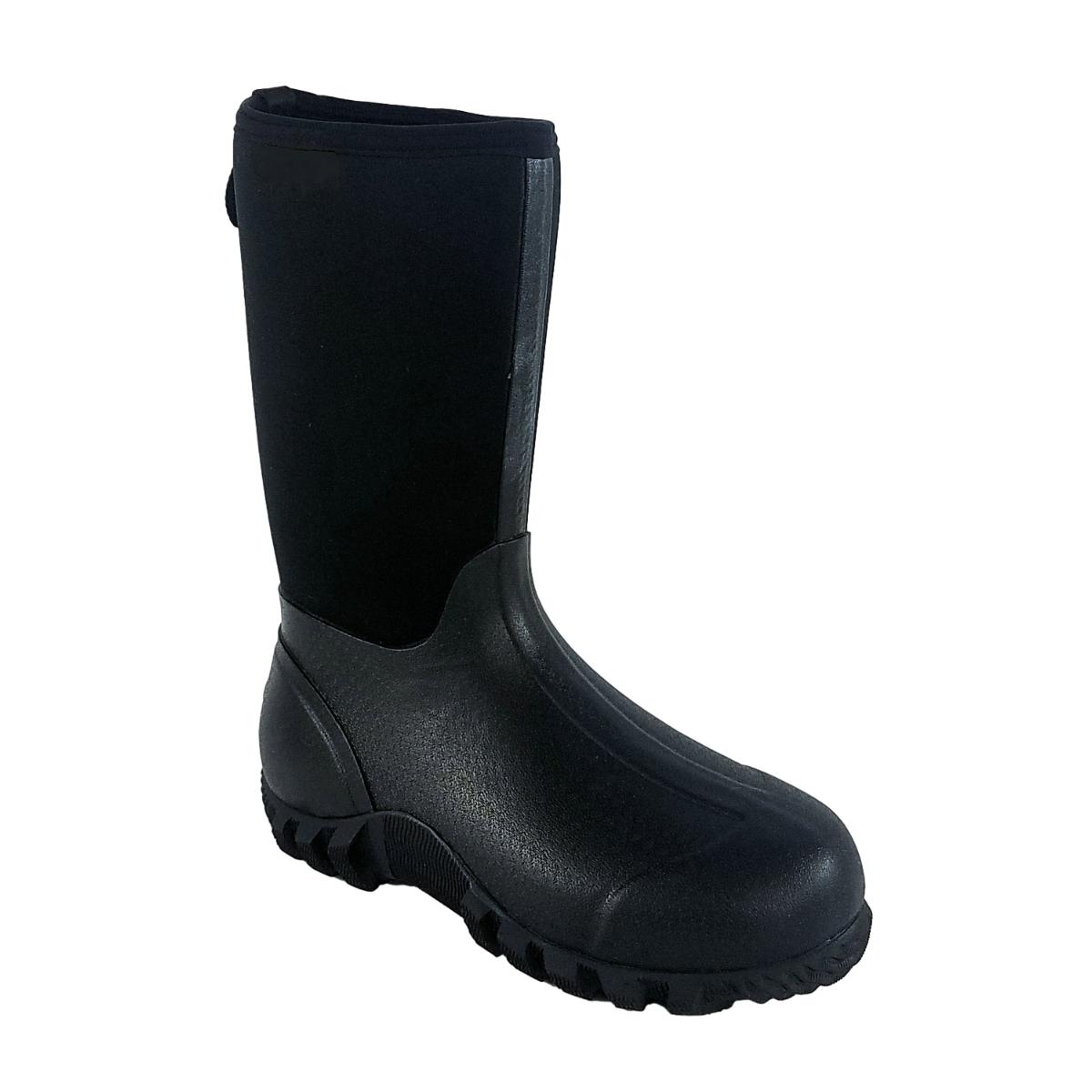
| Height / Weight | ≈ 14 in (35 cm) / ≈ 1.9 kg per pair (size 42) |
| Toe / Plate | Soft-toe standard; steel/composite toe & puncture plate optional (ASTM F2413) |
| Waterproofing | 100% waterproof, seam-bonded; hydrostatic test > 10000 mm H2O |
| Sizes | EU 37–47 (others on request) |
How they’re made (the short version)
- Materials: CR neoprene sheets, NR rubber compound with cold-crack additives, nylon scrim, EVA insole.
- Methods: calendaring, neoprene lamination, last-forming, hand lay-up, high-temp vulcanization, seam sealing.
- Testing: EN ISO 13287 slip test (lab μ wet ceramic ≈ 0.36; steel glycerol ≈ 0.41), flex per EN ISO 20344 (≥ 30,000 cycles), cold crack ISO 812 (≤ -20°C), hydrostatic ≥ 10K mm.
- Service life: around 2–4 seasons in farm use; more with rotation and drying protocol.
- Certs: CE (EN ISO 20345 options), ASTM F2413 toe-cap options, REACH-compliant compounds.
Where they shine
Ag and dairy, winter construction, utilities line work, fisheries, landscaping in shoulder seasons. Many customers say the shaft flex is kinder on calves than stiffer muck boots. To be honest, that matters after hour six.
Vendor snapshot (so you can benchmark)
| Vendor | Landwalk SY01-5N | Generic Importer A | Heritage Brand B |
| Slip rating | SRC (lab data on file) | SRA | SRC |
| MOQ / Lead time | ≈ 300 prs / 35–45 days | ≈ 500 prs / 60+ days | No MOQ (retail) / in stock |
| Customization | Color, logo, toe-cap, outsole compound | Logo only | Limited (retail SKUs) |
| Price positioning | Mid | Low | High |
Customization notes
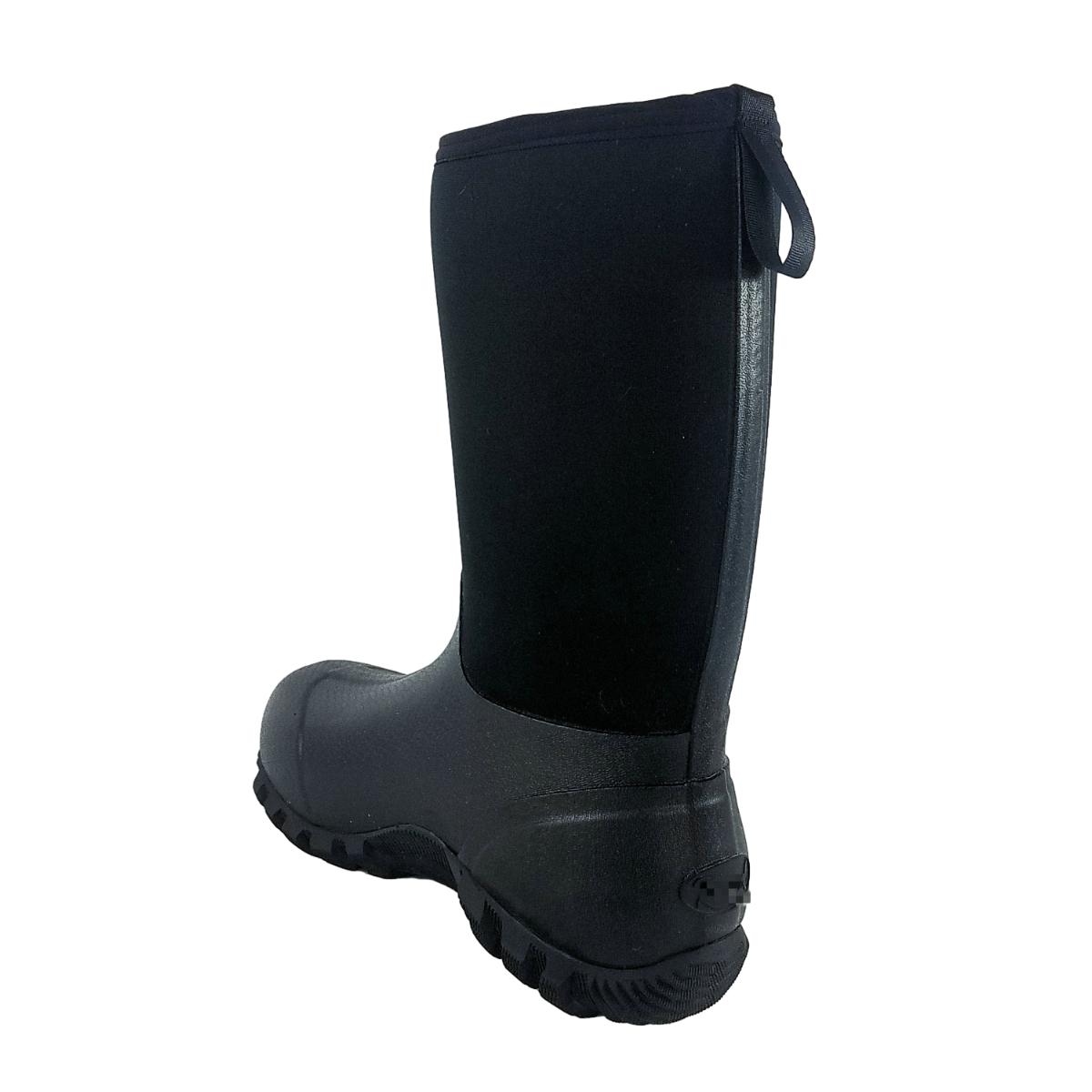
For teams, you can spec composite toe (lighter in the cold), switch to oil-resistant rubber for workshops, or bump lining to 7 mm for sub-zero static duty. Branding is heat-transfer or debossed. I guess most co-ops prefer a darker olive that hides slurry.
Mini case studies
- Agri co‑op (Nordics): swapped to neoprene thermal wellies with SRC outsoles; slip incidents in winter yards dropped ≈ 22% season-on-season.
- Port maintenance team: composite-toe variant reduced fatigue (feedback: “ankles less cooked”), service life ≈ 14 months with rotation.
Surprisingly, the biggest “why we kept them” comment I heard was simple: they dry fast overnight if you pull the insoles. Small thing, big morale win.
Wrap-up
If your crew needs durable neoprene thermal wellies that pass real standards (not wishful spec sheets), the SY01-5N is a smart middleweight. Not flashy; just the right compromises.
References
- EN ISO 20345:2021 – Personal protective equipment – Safety footwear.
- EN ISO 13287:2019 – Personal protective equipment – Footwear – Test method for slip resistance.
- ASTM F2413-18 – Standard Specification for Performance Requirements for Protective (Safety) Toe Cap Footwear.
- REACH Regulation (EC) No 1907/2006 – Registration, Evaluation, Authorisation and Restriction of Chemicals.
Latest news
-
Ultimate Guide to Choosing the Best Farmers Wellington BootsNewsApr.16,2026
-
The Ultimate Guide to Choosing the Best Professional Farming WelliesNewsApr.09,2026
-
Comprehensive Guide to Choosing the Perfect Field Wellies for Outdoor AdventuresNewsApr.07,2026
-
Choosing the Right Fit for Good Quality Wellies and Outdoor AdventuresNewsApr.04,2026
-
Choosing the Right Fit A Comprehensive Guide to Good Wellies and Outdoor FootwearNewsMar.31,2026
-
Choosing the Right Footwear A Comprehensive Guide to Good Wellington BootsNewsMar.28,2026
-
Choosing the Right Hard Wearing Wellies for Outdoor AdventuresNewsMar.26,2026