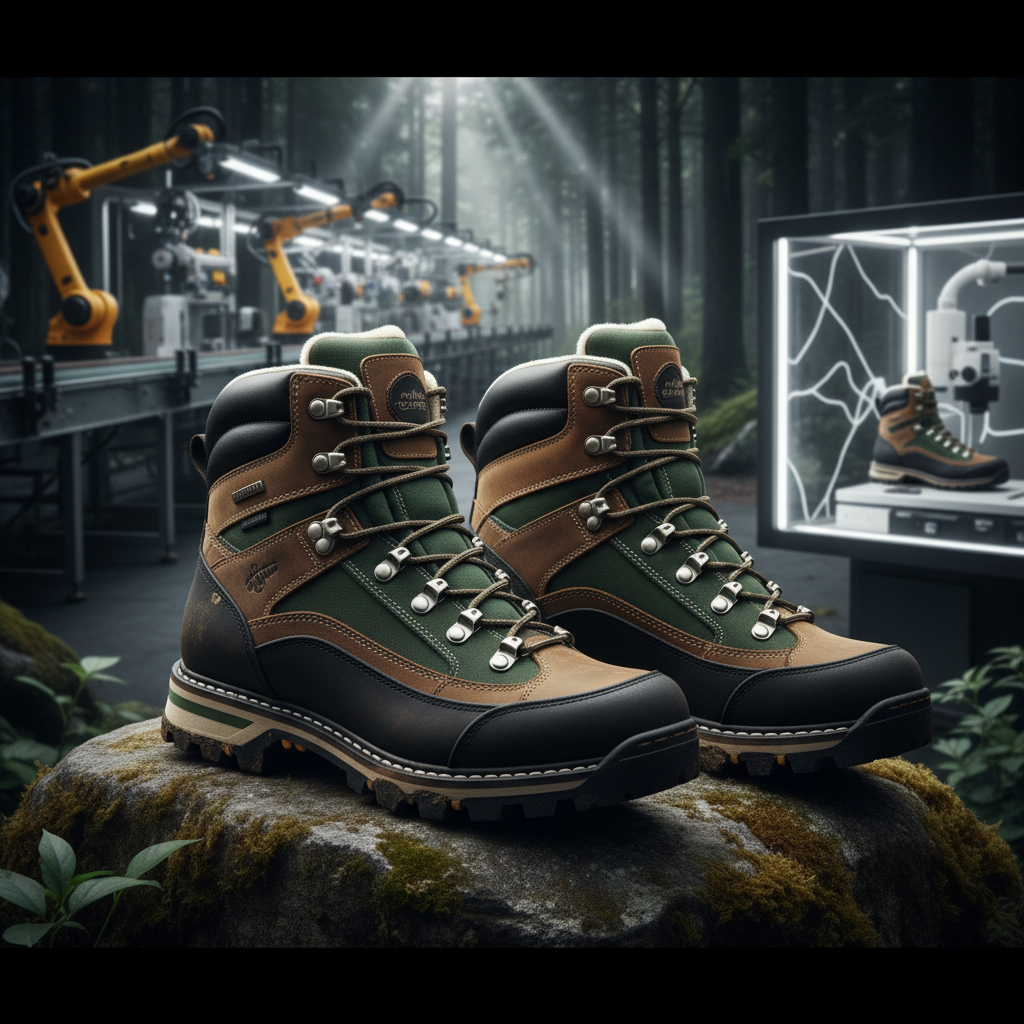
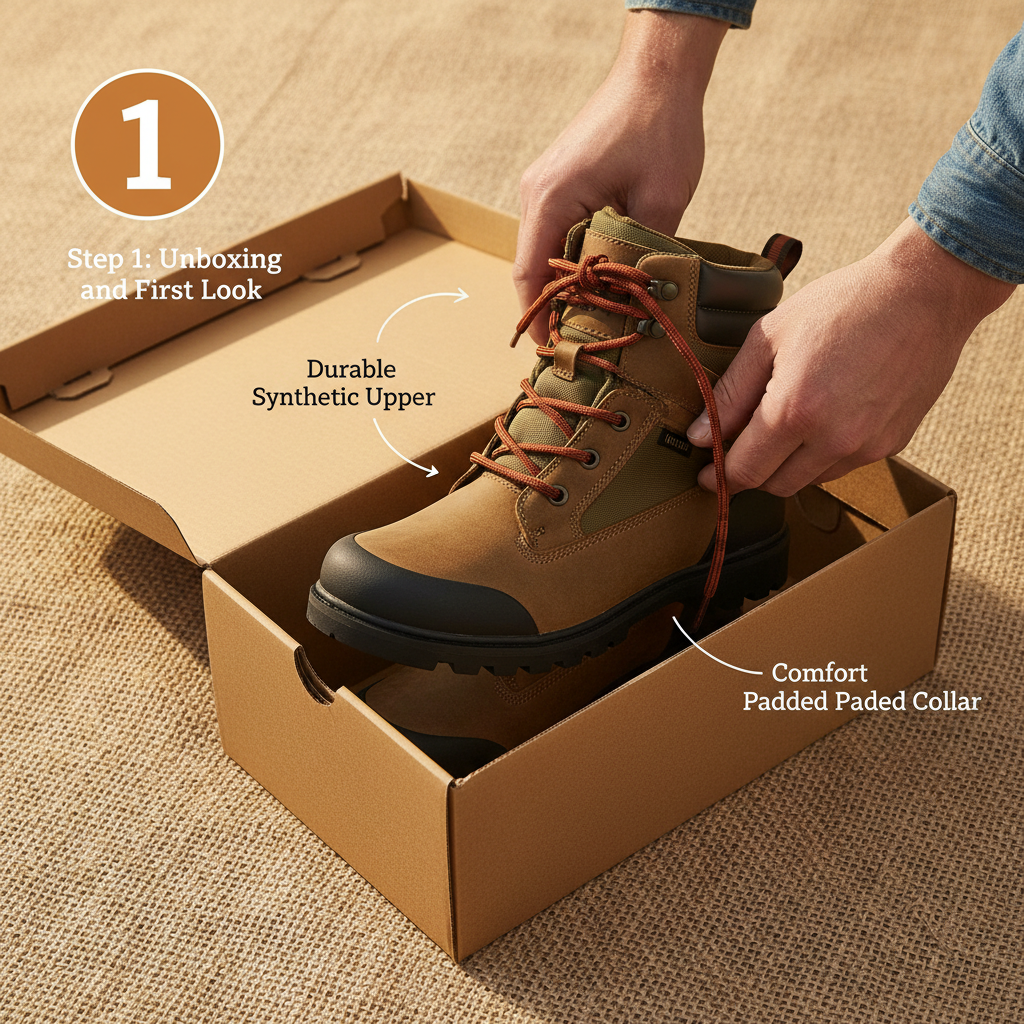
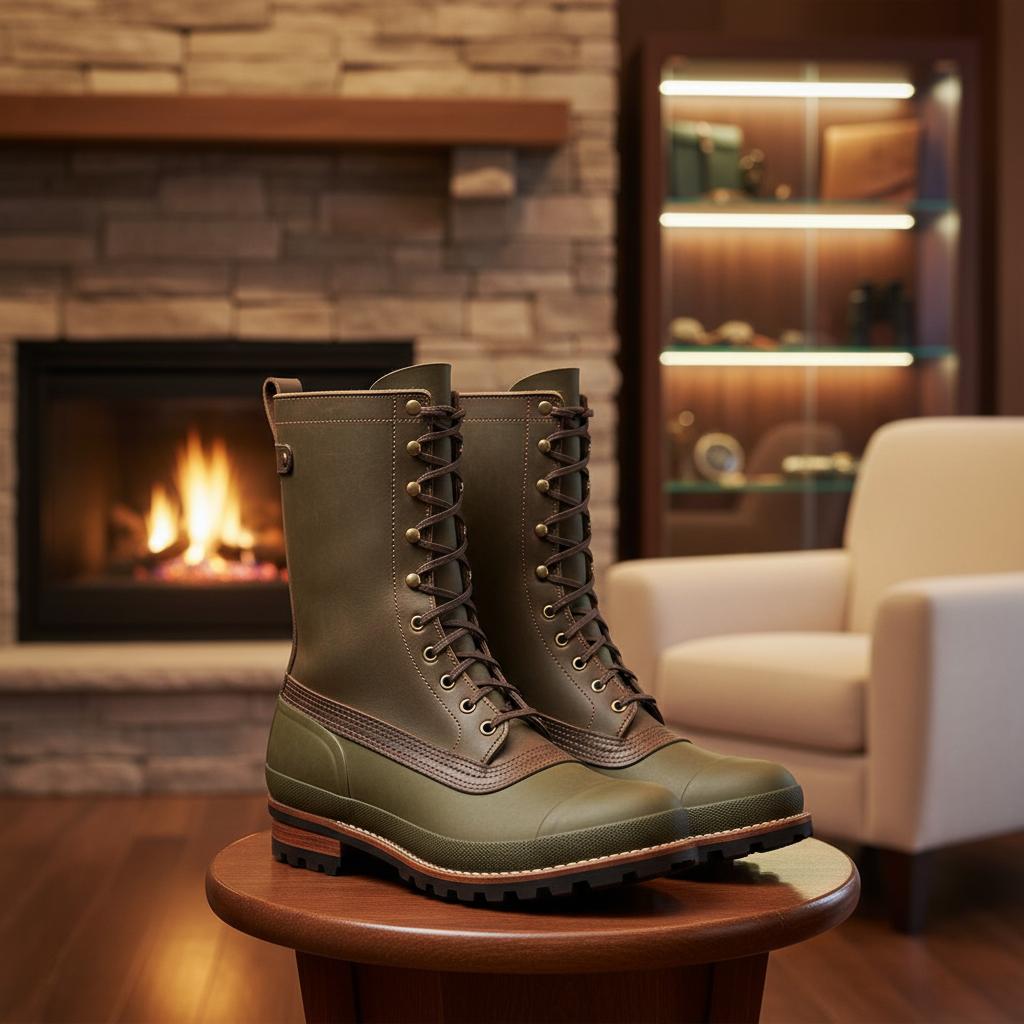
Selecting the right footwear is the most critical decision for any outdoor enthusiast, as the terrain can shift from damp forests to jagged mountain peaks in a matter of miles. High-performance hiking and hunting boots are engineered to provide the necessary stability, traction, and weather protection required to navigate these unpredictable environments safely. Whether you are pursuing game in the wilderness or trekking through a national park, the synergy between material science and ergonomic design determines your endurance and overall experience.
Across the globe, the demand for specialized outdoor footwear has surged, reflecting a growing intersection between professional land management and recreational exploration. Modern industry standards now prioritize a balance between heavyweight durability and lightweight agility, ensuring that users can cover vast distances without compromising foot health. The evolution of these boots has moved beyond simple leather construction to incorporate advanced membranes and composite soles that respond to the specific needs of diverse climates.
Understanding the technical nuances of these boots allows users to optimize their gear for maximum efficiency. From the breathability of the lining to the depth of the lug patterns on the outsole, every detail serves a purpose in preventing injuries and enhancing performance. This comprehensive guide explores the intricate world of hiking and hunting boots, providing the insight needed to choose gear that withstands the harshest conditions while supporting the natural movement of the human foot.
The Global Significance of Performance Footwear
The global market for specialized outdoor gear has seen exponential growth, driven by a shift toward eco-tourism and professional wilderness management. According to international trade data and ISO standards for protective equipment, the requirement for footwear that can handle extreme thermal fluctuations and moisture is no longer a niche demand but a safety standard. For professionals in forestry, conservation, and hunting, the right pair of hiking and hunting boots acts as a primary piece of safety equipment, reducing the incidence of ankle sprains and hypothermia in remote areas.
The challenge lies in the diverse topography of the Earth; a boot designed for the rocky Highlands of Scotland will fail in the marshy terrains of the Southeast Asian rainforests. This geographic variance has pushed manufacturers to develop modular and adaptable designs. By integrating high-traction rubber and waterproof membranes, the industry is addressing the critical problem of foot fatigue and moisture-induced blisters, which are the leading causes of mission failure in long-term outdoor operations.
Defining the Core of Hiking and Hunting Boots
At its most basic level, hiking and hunting boots are specialized footwear designed to provide superior support, protection, and traction compared to standard athletic shoes. Unlike fashion footwear, these boots are engineered with a focus on the "biometrics of movement" in uneven terrain. They typically feature a higher shaft to protect the ankle from twists and to prevent debris—such as pebbles, mud, or snow—from entering the boot, which is essential for maintaining hygiene and comfort during multi-day excursions.
In the context of modern industry, these boots represent a fusion of textile engineering and orthopedic science. They are not merely "shoes" but are technical tools that allow humans to interact with harsh environments without sustaining injury. The connection to humanitarian needs is evident in search-and-rescue operations and disaster relief, where responders must traverse unstable rubble or flooded plains. In these scenarios, the reliability of the boot's grip and water resistance can be the difference between a successful rescue and a secondary accident.
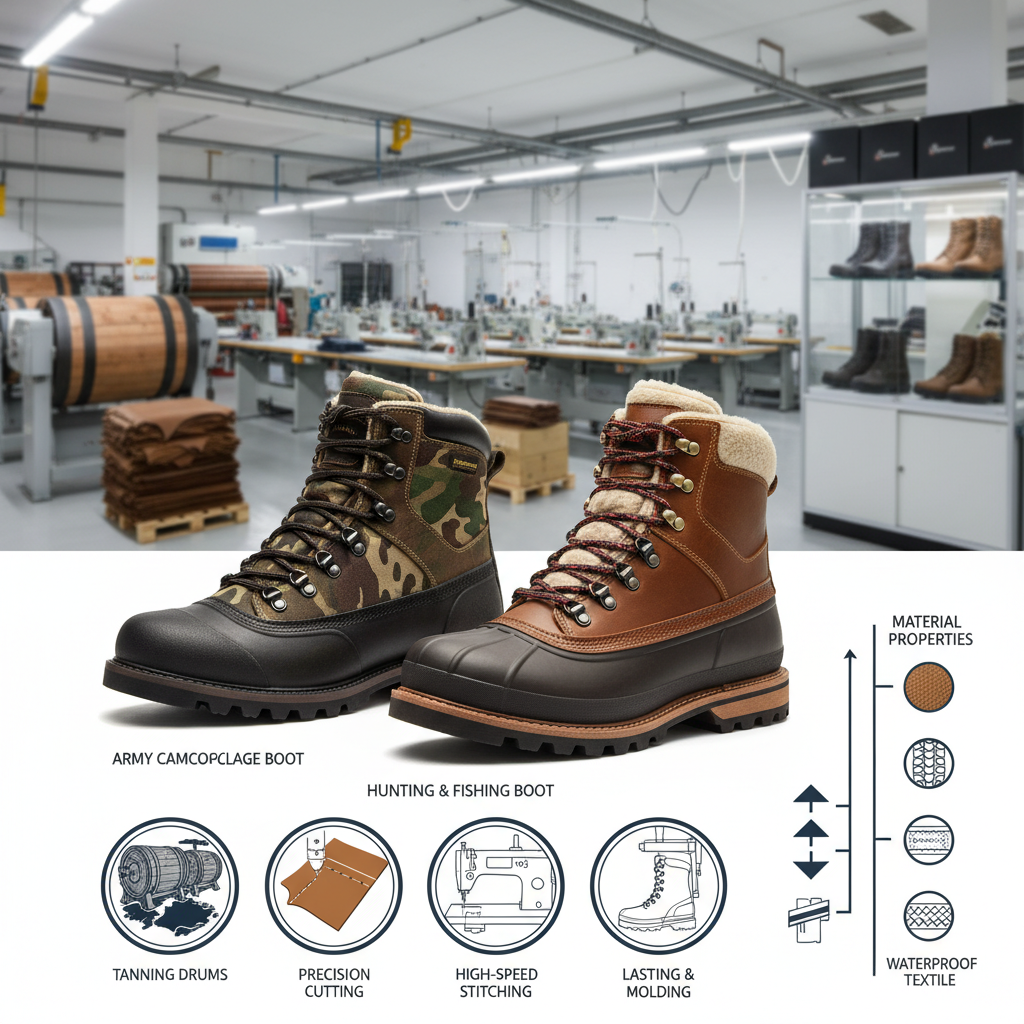
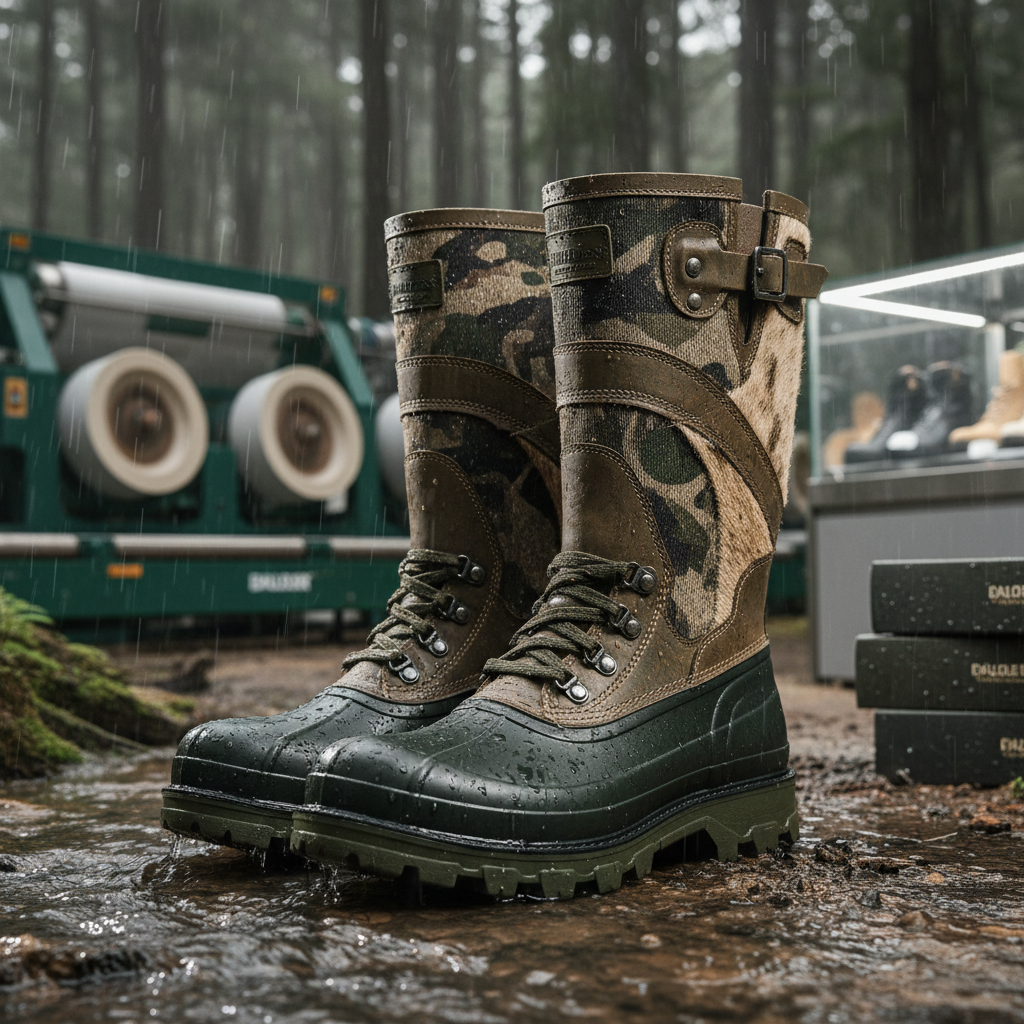
Furthermore, the distinction between "hiking" and "hunting" variants often comes down to the specific requirements of the activity. While hiking boots prioritize weight distribution for long-distance trekking, hunting boots often emphasize stealth (noise reduction), camouflage patterns, and extreme waterproofing for stationary waits in wet brush. Despite these differences, both categories share the fundamental goal of insulating the foot from the external environment while promoting internal breathability.
Essential Components for Maximum Durability
The structural integrity of hiking and hunting boots begins with the upper material. High-grade full-grain leather remains a gold standard for durability and natural water resistance, while synthetic nylons and meshes are utilized to reduce weight and increase airflow. The choice of material directly impacts how the boot breathes and how it resists abrasions from sharp rocks or dense thorns.
A critical component is the waterproof-breathable membrane, often a microporous layer that prevents liquid water from entering while allowing water vapor (sweat) to escape. Without this technology, hiking and hunting boots would either be completely impermeable and cause overheating or permeable and lead to soaked feet, both of which significantly increase the risk of blisters and fungal infections.
Finally, the outsole and midsole system provides the necessary cushioning and grip. Midsoles made of EVA or polyurethane absorb the shock of every step, protecting the joints over long distances. The outsole, typically crafted from high-friction rubber compounds with deep "lugs," ensures that the user maintains a firm hold on slippery mud or loose scree, providing the stability required for heavy-load carrying.
Performance Metrics Across Different Terrains
Evaluating the effectiveness of outdoor footwear requires looking at specific performance indicators such as torsional rigidity, traction coefficients, and thermal insulation. Different environments demand different priorities; for instance, a muddy swamp requires deep, widely spaced lugs to prevent "clogging," whereas a rocky climb requires a stiffer sole to prevent the foot from wrapping around sharp edges, which causes fatigue.
By analyzing these metrics, we can determine which design philosophy best suits specific outdoor activities. The following data illustrates how various construction methods for hiking and hunting boots perform across different key categories, highlighting the trade-offs between weight and extreme durability.
Comparative Performance of Boot Construction Methods
Real-World Applications and Global Use Cases
In practical application, hiking and hunting boots are indispensable in remote industrial zones, such as mining sites or oil rigs in the Arctic, where workers must navigate frozen tundra and slush. In these regions, the boots are often integrated with thermal liners to prevent frostbite, demonstrating how specialized footwear transcends recreation to become a critical piece of occupational safety equipment.
Similarly, in post-disaster relief operations—such as those managed by NGOs in flood-prone regions of Southeast Asia—the use of waterproof utility boots and waders is essential. These tools allow relief workers to enter contaminated waters safely, transporting food and medicine to isolated communities. The reliability of the footwear ensures that the logistics of aid are not halted by the environment, showcasing the humanitarian value of high-quality industrial boot manufacturing.
Long-Term Value and User Safety Benefits
Investing in professional-grade footwear provides tangible long-term benefits that far outweigh the initial cost. From a logical perspective, a high-quality pair of hiking and hunting boots lasts significantly longer than budget alternatives, reducing the frequency of replacement and lowering the total cost of ownership over several years. Furthermore, the reduction in foot injuries—such as blisters, ligament strains, and cold-weather injuries—minimizes medical expenses and downtime.
Beyond the financial aspect, there is an emotional and psychological value to reliable gear: confidence. When a hunter or hiker knows their footwear will not fail them in a storm or on a steep descent, they can focus entirely on their objective rather than their discomfort. This trust in equipment fosters a deeper connection with nature and allows for more ambitious exploration, knowing that safety is built into every step.
Sustainability also plays a role in long-term value. Boots designed for longevity and repairability contribute to a reduction in landfill waste. By choosing boots with resolable outsoles, users can maintain their favorite pair for a decade or more, aligning their outdoor passion with a commitment to environmental stewardship.
Future Innovations in Sustainable Footwear
The future of the footwear industry is leaning heavily toward "Green Chemistry" and digital transformation. We are seeing the emergence of bio-based polymers that mimic the strength of traditional plastics but are fully biodegradable. These materials are being integrated into the midsoles of hiking and hunting boots, reducing the carbon footprint of production without sacrificing the shock absorption required for rugged terrain.
Automation and 3D printing are also revolutionizing how boots are fitted. Future trends point toward custom-printed insoles and uppers based on a 3D scan of the user's foot, virtually eliminating the "break-in" period and reducing the risk of pressure points. This personalized approach ensures that the boot supports the unique arch and gait of every individual, maximizing ergonomic efficiency.
Moreover, smart technology is beginning to enter the field, with integrated sensors capable of monitoring foot temperature and pressure distribution in real-time. This data can alert a user to early signs of fatigue or cold-stress, allowing them to adjust their pace or gear before an injury occurs.
Analysis of Future Material Trends in Outdoor Footwear
| Material Type |
Environmental Impact |
Performance Score (1-10) |
Primary Application |
| Recycled Ocean Plastic |
Very Low |
7 |
Lightweight Hiking |
| Bio-Based Polyurethane |
Low |
8 |
Midsole Cushioning |
| Lab-Grown Leather |
Medium-Low |
9 |
Premium Hunting Boots |
| Graphene-Infused Rubber |
Medium |
10 |
Extreme Traction Outsoles |
| Mycelium (Mushroom) Fiber |
Extremely Low |
6 |
Eco-Casual Outdoors |
| Aerogel Insulation |
Medium |
10 |
Arctic Thermal Liners |
FAQS
For mixed terrain, look for a hybrid boot that combines the ankle support of a hiking boot with the waterproofing and camouflage of a hunting boot. Prioritize a Vibram or similar high-traction outsole and a Gore-Tex membrane to ensure you stay dry while maintaining the agility needed for various altitudes and soil types.
Yes, provided they use a high-quality microporous membrane. These materials are designed to let moisture vapor escape while blocking liquid water. However, for extremely hot, dry climates, you might consider a non-waterproof mesh version to maximize airflow and prevent overheating.
Test the torsional rigidity by trying to twist the boot. A boot suitable for heavy loads should resist twisting in the middle of the sole. Additionally, ensure the shaft extends well above the ankle bone and has a secure lacing system that locks your heel in place to prevent sliding.
With proper care—such as cleaning mud off after every trip and conditioning the leather—a high-quality pair of boots can last 5 to 10 years. If the boots are resolable, you can replace the outsole once it wears down, effectively extending the life of the upper materials indefinitely.
Absolutely. Avoid 100% cotton socks, as they absorb moisture and cause friction, leading to blisters. Instead, use merino wool or synthetic moisture-wicking socks. These materials keep your feet dry and provide an extra layer of cushioning between your foot and the boot's structure.
While possible, it is not recommended. Hunting boots are designed for soft or uneven terrain. Wearing them on concrete for long periods can wear down the lugs prematurely and may be uncomfortable due to the excessive stiffness of the sole, which is not designed for flat, hard surfaces.
Conclusion
In summary, hiking and hunting boots are far more than simple footwear; they are a critical intersection of safety, durability, and ergonomic design. By focusing on core components like waterproof membranes, high-traction outsoles, and supportive ankle shafts, users can significantly reduce their risk of injury and enhance their performance in the wild. Whether for professional land management or personal adventure, the right boot provides the stability and confidence needed to conquer the world's most challenging landscapes.
Looking ahead, the integration of sustainable materials and personalized 3D fitting will further refine the relationship between the wearer and their gear. We encourage all outdoor enthusiasts to prioritize quality over price, investing in footwear that offers long-term value and environmental responsibility. For those ready to upgrade their outdoor experience with professional-grade gear, visit our website: www.landwalk-outdoor.com