Selecting the right shoes for hunting is more than a matter of comfort; it is a critical decision that impacts a hunter's safety, stealth, and overall success in the field. Whether navigating dense underbrush, crossing marshlands, or trekking through alpine terrain, the footwear serves as the primary interface between the adventurer and the unpredictable natural environment.
Across the globe, the demand for specialized hunting footwear has evolved from simple leather boots to high-tech engineering marvels. Modern requirements demand a delicate balance of waterproofing, breathability, and traction, ensuring that hunters can remain stationary for hours in freezing temperatures or move rapidly through unstable ground without risking injury.
Understanding the nuances of material science—from vulcanized rubber and GORE-TEX membranes to reinforced toe caps—allows outdoorsmen to optimize their gear for specific biomes. By investing in professional-grade shoes for hunting, users gain the confidence to push deeper into the wilderness, knowing their feet are protected against moisture, abrasion, and temperature extremes.
Global Industry Context of Hunting Footwear
The global outdoor gear market has seen a significant surge, with the specialized sector for shoes for hunting expanding alongside a growing interest in sustainable harvesting and wilderness tourism. Industry data suggests that the integration of advanced polymers and sustainable rubber has reduced the weight of hunting boots by nearly 20% over the last decade, allowing for greater agility in remote areas.
However, a recurring challenge remains: the conflict between absolute waterproofing and thermal regulation. Many traditional boots fail to provide sufficient moisture vapor transmission, leading to blisters and foot fatigue during multi-day expeditions. This gap in the market has driven manufacturers toward hybrid materials that combine the ruggedness of Army Camouflage Boots with the flexibility of modern athletic footwear.
Defining Professional Shoes for Hunting
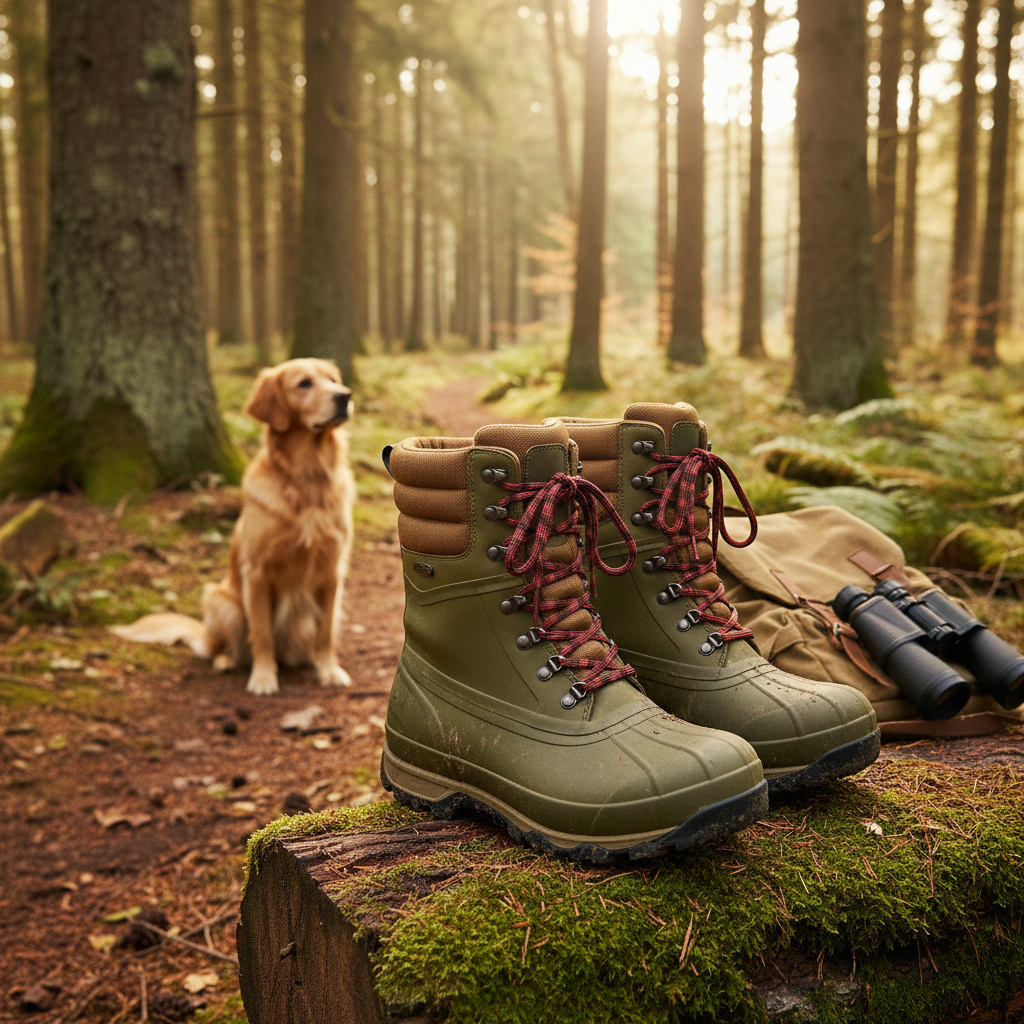
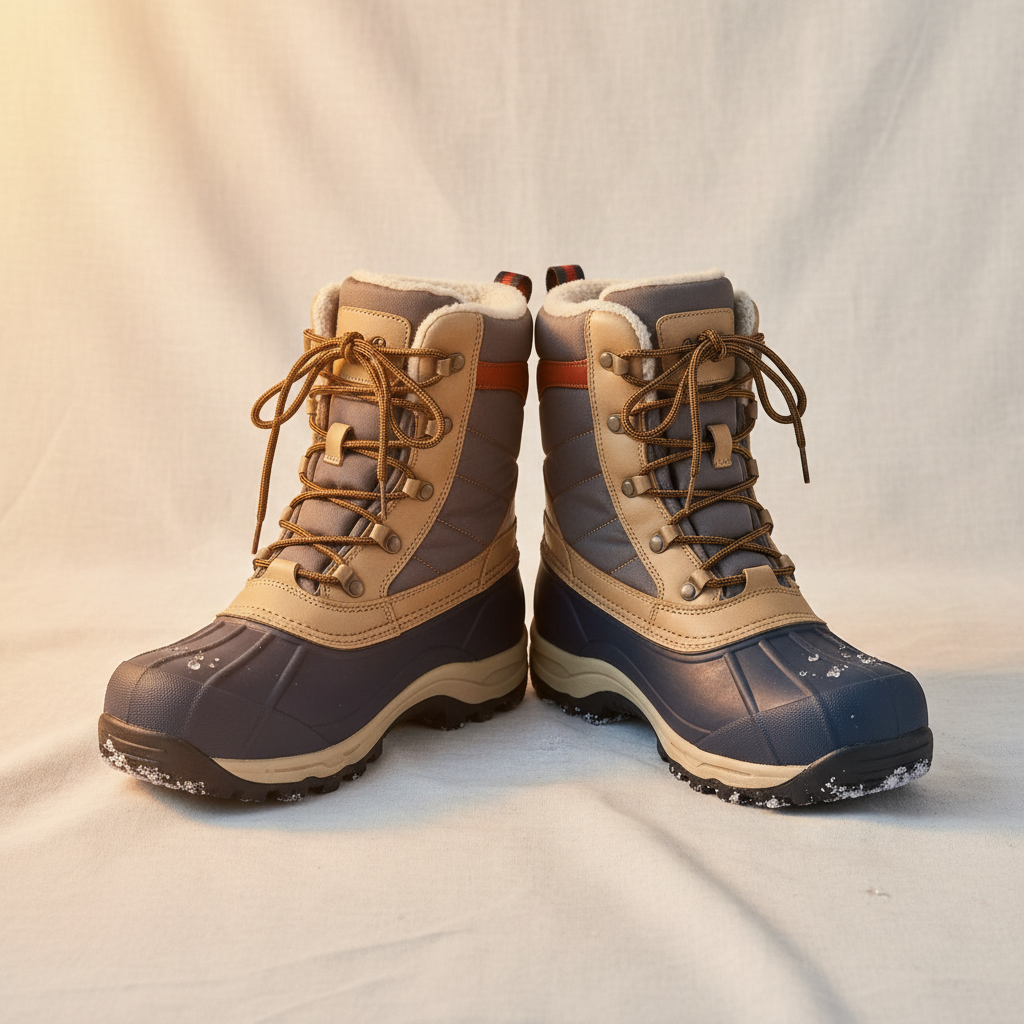
In simple terms, shoes for hunting are specialized pieces of equipment engineered to protect the feet from harsh environmental elements while providing the stealth and stability required for stalking game. Unlike standard hiking boots, hunting-specific footwear often incorporates camouflage patterns, scent-blocking materials, and deeper tread patterns to handle mud, slush, and rocky inclines.
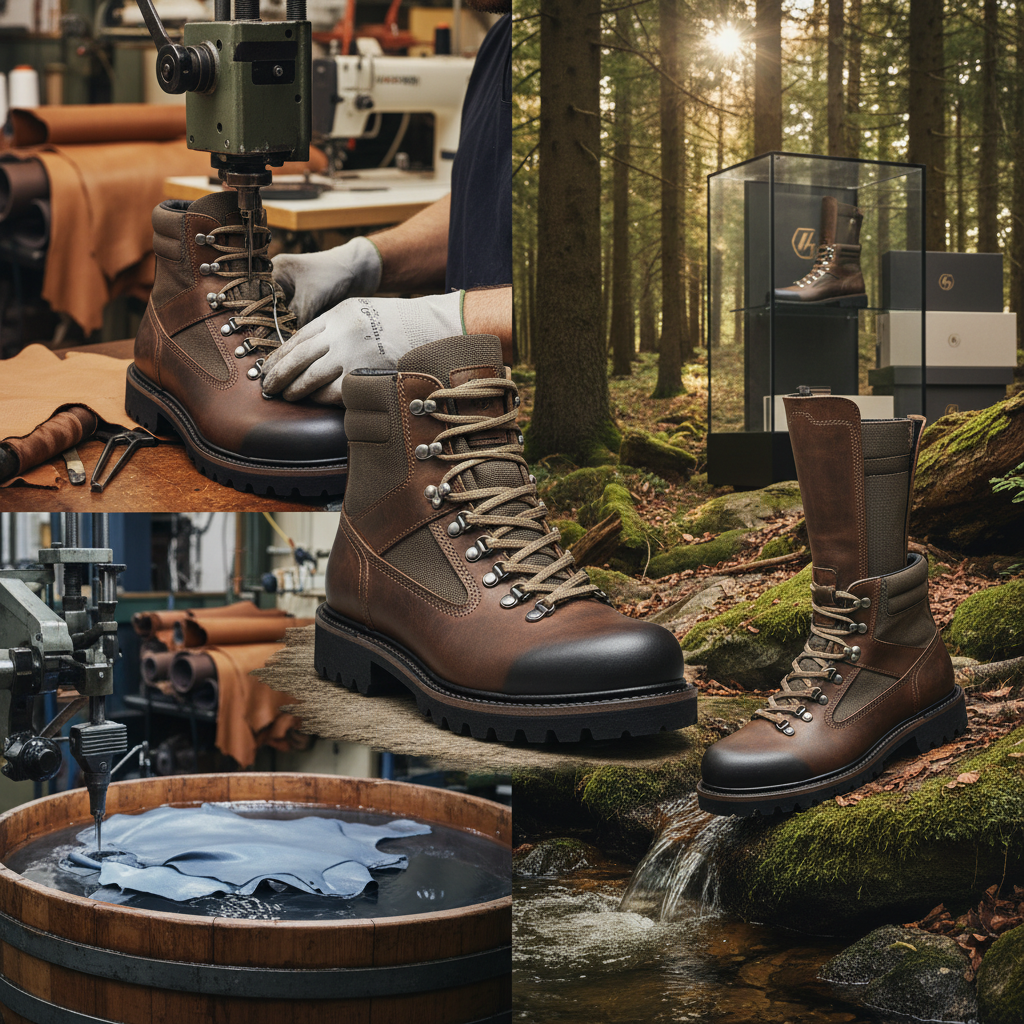
From an industrial perspective, these products are the result of rigorous textile engineering. They integrate various layers, including a durable outer shell (often rubber or treated leather), a waterproof middle membrane, and a shock-absorbing midsole. This architecture is designed to meet ISO standards for durability and safety, ensuring the user can withstand extreme pressure and moisture.
Modern hunting footwear also addresses humanitarian and occupational needs. For those working in forest management or wildlife conservation, these boots provide the necessary safety from punctures and waterborne pathogens, bridging the gap between recreational sporting gear and essential safety equipment.
Core Technical Components for Field Performance
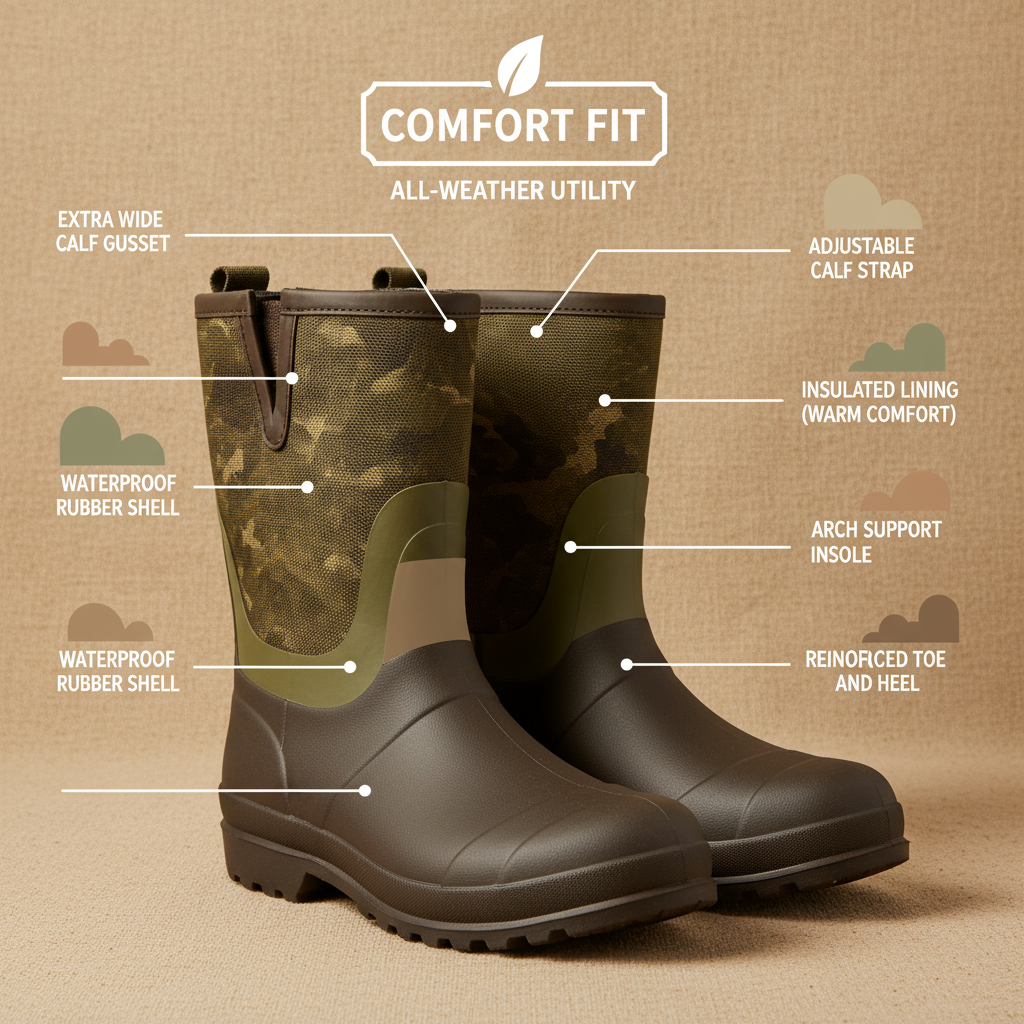
Durability is the cornerstone of effective shoes for hunting. High-grade vulcanized rubber and reinforced synthetic fabrics are used to prevent tears from thorns and jagged rocks. The construction often involves double-stitching and heat-sealed seams to ensure that no water penetrates the interior, regardless of the depth of the puddle.
Traction and stability are equally vital. Professional hunting boots utilize multi-directional lug patterns—deep grooves that bite into soft soil and grip slippery surfaces. This prevents slips that could lead to injury or alert prey to the hunter's presence, making the sole architecture a critical engineering component of the footwear.
Thermal regulation and moisture management ensure long-term comfort. By employing breathable linings and moisture-wicking insoles, shoes for hunting prevent the buildup of sweat, which is the primary cause of cold feet in winter. This thermodynamic balance is achieved through the use of advanced insulating foams and air-pocket technology.
Performance Metrics Across Different Terrains
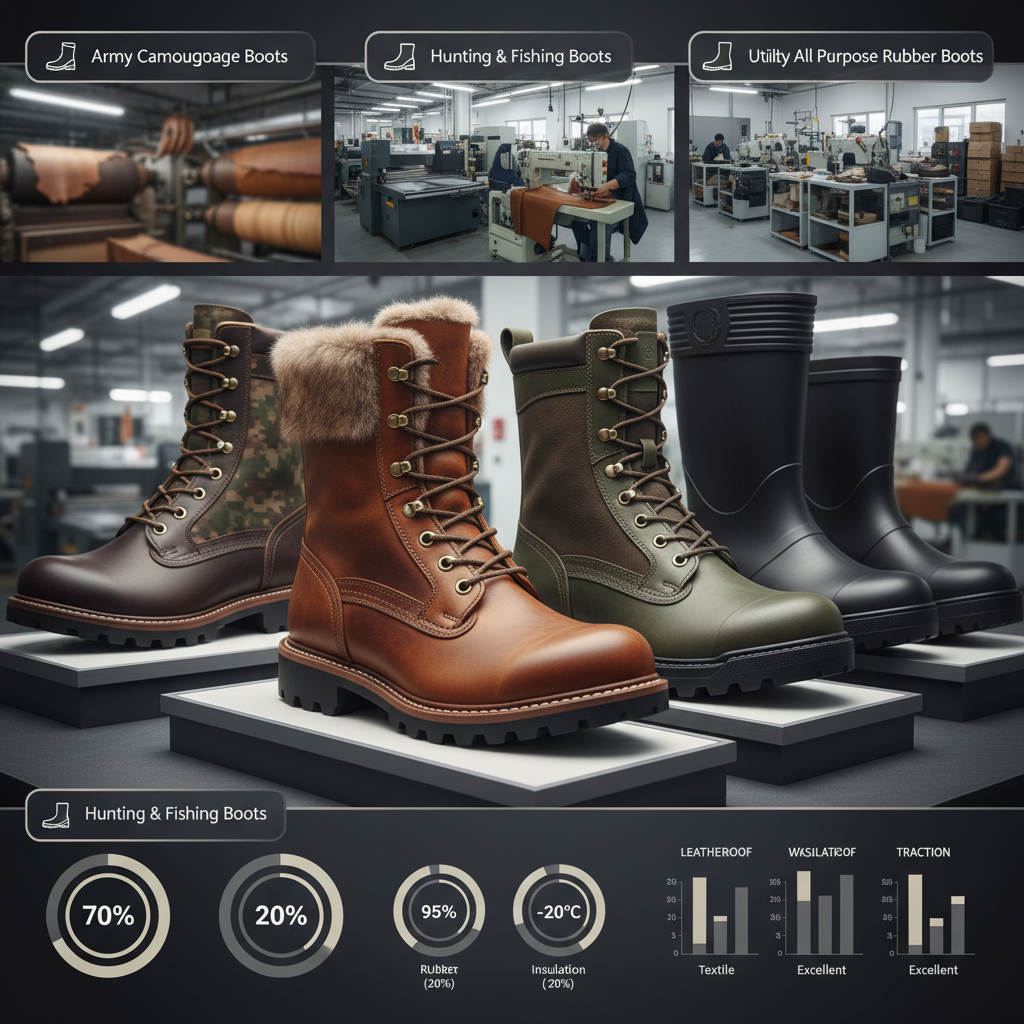
Evaluating the effectiveness of shoes for hunting requires a multi-dimensional approach. Different environments—such as wetlands, mountains, or forests—demand different attributes. For instance, a boot designed for a swamp must prioritize absolute waterproofness and height (like Safety Wellies), while a mountain boot focuses on ankle support and grip.
The following data illustrates the performance ratings of various hunting footwear types across key metrics, demonstrating how specific designs cater to different environmental challenges.
Comparative Performance of Hunting Footwear Types
Global Applications and Regional Use Cases
The application of shoes for hunting varies significantly by geography. In North America and Northern Europe, where cold and wet conditions prevail, insulated rubber boots and heavy-duty waders are essential for waterfowl hunting and winter excursions. These regions prioritize heat retention and complete water exclusion to prevent frostbite.
Conversely, in the tropical rainforests of Southeast Asia or the savannas of Africa, the focus shifts toward breathability and puncture resistance. Lightweight, camouflage-patterned boots are preferred to prevent overheating while protecting the wearer from insects and sharp vegetation. In these contexts, the "Utility All Purpose" design becomes the gold standard for versatility.
Long-Term Value and Safety Advantages
Investing in high-quality shoes for hunting offers tangible long-term economic and physical benefits. Low-cost alternatives often degrade rapidly when exposed to UV rays or saltwater, requiring frequent replacement. In contrast, professional-grade rubber and treated leather boots maintain their structural integrity for years, reducing the cost-per-wear.
Beyond cost, the safety implications are paramount. Proper ankle support reduces the risk of sprains on uneven terrain, while slip-resistant soles prevent dangerous falls in muddy environments. For the serious outdoorsman, this reliability translates into peace of mind, knowing that their gear will not fail them when they are miles away from the nearest road.
Furthermore, there is an emotional component to high-performance gear: the confidence it instills. When a hunter isn't distracted by wet socks or aching arches, they can focus entirely on their technique and the environment, leading to a more rewarding and mindful experience in nature.
Future Innovations in Hunting Footwear Technology
The future of shoes for hunting is being shaped by the digital transformation of materials. We are seeing the emergence of "smart fabrics" that can change their thermal properties based on the ambient temperature, as well as the use of 3D-printed midsoles tailored to the specific biometric profile of the user's foot for ultimate ergonomic support.
Sustainability is also driving innovation. The industry is moving away from petroleum-based rubbers toward bio-based elastomers and recycled ocean plastics. These eco-friendly materials are proving to be just as durable as their predecessors, allowing hunters to protect the environments they cherish while pursuing their passion.
Automation in manufacturing is further refining the precision of waterproofing. Laser-welded seams are replacing traditional adhesives, creating a bond that is virtually impossible to breach. This evolution ensures that the next generation of hunting boots will be lighter, stronger, and more environmentally responsible.
Analysis of Material Performance and Environmental Suitability
| Material Type |
Waterproofing Level |
Breathability Score |
Ideal Terrain |
| Vulcanized Rubber |
Absolute (10/10) |
Low (3/10) |
Marshlands/Swamps |
| GORE-TEX Leather |
High (8/10) |
Medium (7/10) |
Mountainous Forests |
| Neoprene Hybrid |
High (9/10) |
Medium (5/10) |
Wetlands/Cold Water |
| Synthetic Mesh |
Low (4/10) |
High (9/10) |
Arid Plains/Summer |
| Treated Suede |
Medium (6/10) |
Medium (6/10) |
Mixed Brush/Woodlands |
| Polymer Composite |
High (7/10) |
Medium (6/10) |
Industrial/Agricultural |
FAQS
Hunting boots are specifically engineered for stealth and environmental extremes. They often feature camouflage patterns to blend into the surroundings, scent-blocking technologies to avoid alerting game, and more aggressive waterproofing for marshy terrains. While hiking boots focus on long-distance walking on trails, shoes for hunting are designed for off-trail navigation and prolonged periods of stillness in wet or cold conditions.
It depends on the terrain. Rubber boots (like Safety Wellies or Waders) are superior for wetlands, swamps, and heavy rain because they offer 100% waterproofing. Leather boots, however, provide better ankle support, breathability, and durability for rocky, mountainous terrain. For the best experience, hunters often carry both or choose a hybrid neoprene-rubber boot that balances warmth and water resistance.
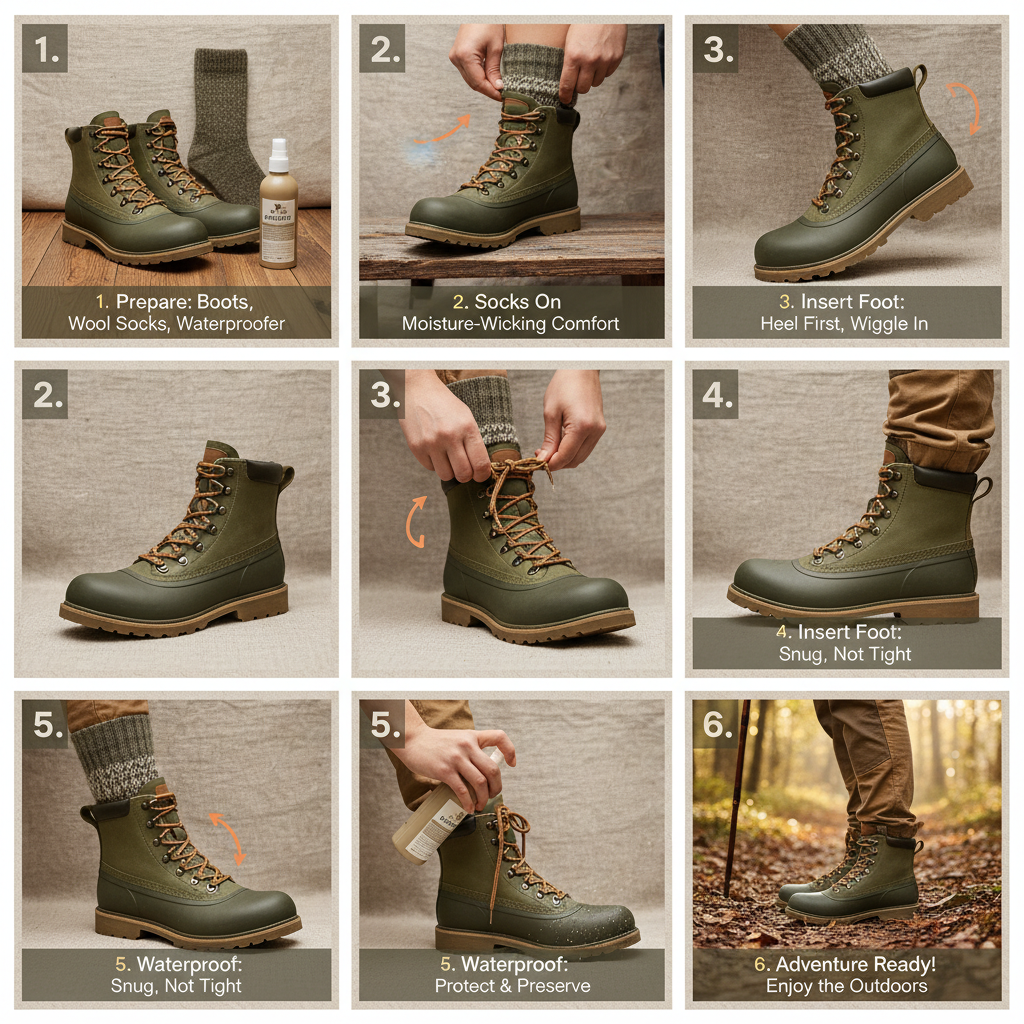
Proper maintenance is key. For leather shoes for hunting, regularly apply waterproofing wax or sprays to maintain the barrier. For rubber boots, avoid storing them in direct sunlight, as UV rays can cause the material to crack (dry rot). Always clean mud and salt off your boots after each trip to prevent the material from degrading prematurely.
Prioritize insulation and moisture management. Look for boots with Thinsulate or wool linings that retain heat without adding excessive bulk. Ensure the boot has a thick sole to create a thermal barrier between your foot and the frozen ground. A waterproof membrane is essential to keep snow melt from seeping in, which would otherwise lead to rapid heat loss.
Yes, Army Camouflage Boots are often excellent for hunting because they are built for ruggedness and tactical stealth. However, ensure they meet your specific environmental needs. For example, if you are hunting in a swamp, you may need to supplement tactical boots with waterproof sprays or switch to specialized rubber waders to ensure your feet stay completely dry.
Always leave about a thumb's width of space in the toe box. Hunting often involves steep descents, and if the boots are too tight, your toes will hit the front, leading to bruising. Additionally, consider the thickness of the socks you intend to wear; heavy wool socks require a slightly larger size to avoid restricting blood flow, which is crucial for maintaining warmth in cold climates.
Conclusion
Selecting the optimal shoes for hunting is a fundamental aspect of outdoor preparation that blends material science with practical field experience. From the absolute waterproofing of rubber waders to the rugged support of camouflage tactical boots, the right footwear ensures that environmental challenges—such as moisture, extreme temperatures, and unstable terrain—do not become obstacles to a successful hunt. By prioritizing durability, traction, and thermal regulation, hunters can protect their physical health and enhance their performance in the wild.
As we look toward the future, the integration of sustainable bio-materials and biometric customization will continue to redefine the boundaries of outdoor gear. We encourage all outdoorsmen to evaluate their specific terrain needs and invest in footwear that offers both immediate protection and long-term value. For a comprehensive selection of professional-grade hunting and utility footwear, visit our website: www.landwalk-outdoor.com.