



Oct . 22, 2025 13:50
Back to list
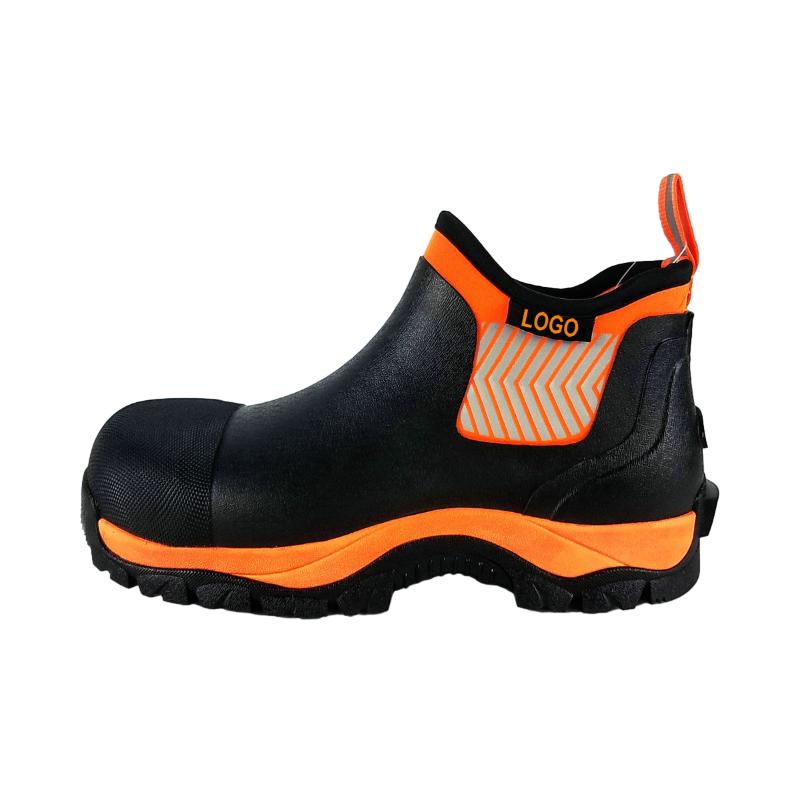
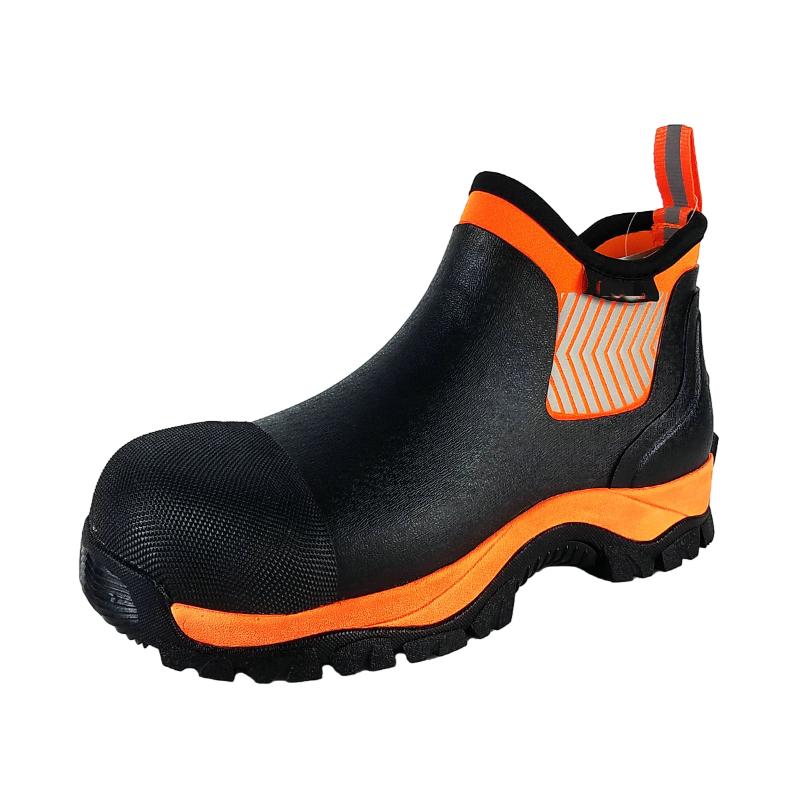
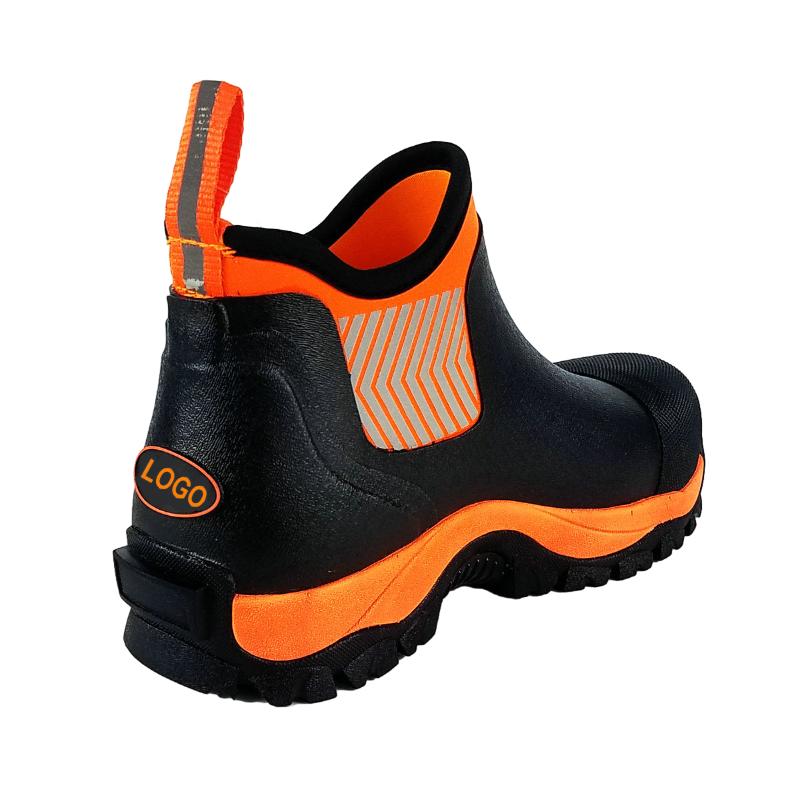
Safety Low Rubber Boots SY02-14NOS5 - Waterproof, Anti-Slip
Field Notes on Real-World Safety Boots: Introducing Safety Low Rubber Boots SY02-14NOS5
If you spend your days on wet floors, greasy decks, or muddy sites, you know footwear is not a fashion accessory—it’s PPE you feel every step. I took a closer look at Safety Low Rubber Boots SY02-14NOS5 from a manufacturer out of Baoding, Hebei (Room 9-1, Zone F, 3rd Floor, Building D, Science and Technology Industrial Park, No. 723 Cuiyuan Street), and, to be honest, they punch above their weight for a compact, low-cut rubber safety boot.
What’s happening in the market
Two trends are clear: slip resistance (SRC) has become a baseline, and buyers want lighter footwear without losing toe and underfoot protection. Actually, the shift to blended rubbers and smarter outsole geometry is paying off—many customers say they notice fewer slips and less fatigue by mid‑shift. Short ankle boots like the Safety Low Rubber Boots SY02-14NOS5 are gaining traction in food processing, logistics, sanitation, and quick-turn construction because they’re faster to don, easier to clean.
Technical specifications (real‑world values may vary)
| Parameter | Spec ≈ |
|---|---|
| Upper/Outsole Material | Vulcanized natural rubber + nitrile blend (oil & abrasion resistance) |
| Toe Protection | Steel 200 J impact / 15 kN compression (EN ISO 20345) |
| Puncture Resistance | Steel midsole ≥1100 N (ISO 20344) |
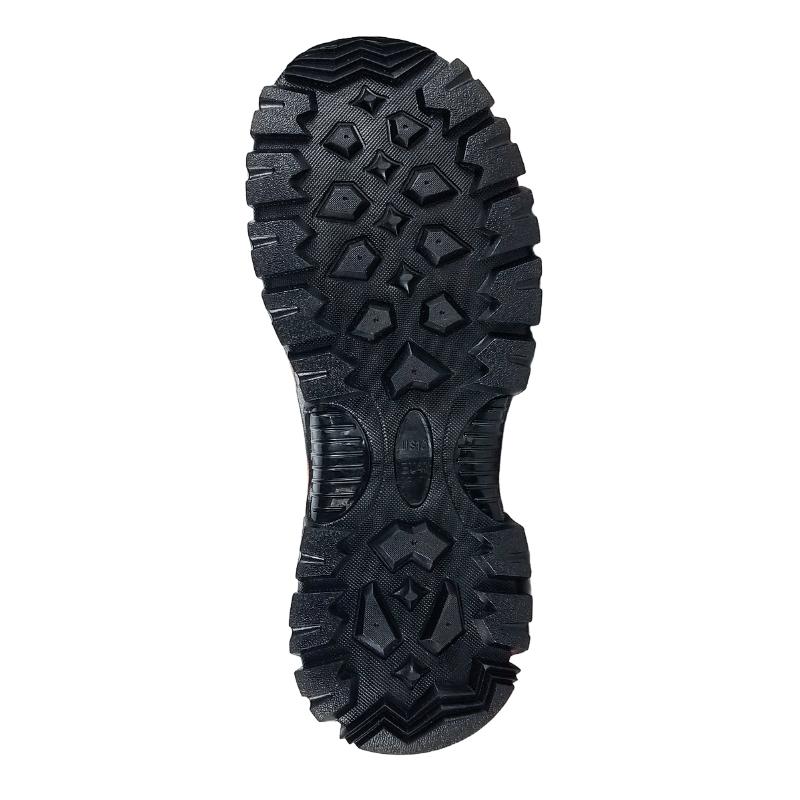
| Slip Resistance | SRC (ceramic + glycerol and steel + glycerol) |
| Electrical/Antistatic | A (antistatic), E (energy absorption of seat region) |
| Liquid/Oil Resistance | Waterproof upper, FO fuel oil resistance |
| Height & Style | Low-cut, pull-on; quick rinse and dry |
| Sizes | EU 36–47 (US ≈ 4–13) |
How they’re made (short version)
Materials: rubber compounds are mixed (NR/NBR), reinforced with carbon black and silica, then calendered. Components are cut, assembled on lasts, and molded under heat/pressure for vulcanization. The steel toe and plate are seated before foxing and outsole bonding.
Testing: flexing (ISO 20344), impact/compression (EN ISO 20345), slip (SRC), hydrocarbon swelling, and hydrostatic waterproof checks. Batch QC typically includes dimensional checks and peel adhesion. Service life? Many users see 12–24 months; in lighter-duty warehousing, up to ≈36 months if treads are rotated and cleaned regularly.
Where they fit best
- Food processing and commercial kitchens (frequent washdowns, hot oils)
- Municipal sanitation, water utilities, and janitorial squads
- Logistics hubs, loading docks, parcel sortation
- Light construction, maintenance teams, facility engineering
Test snapshots and certifications
Internal lab data (typical): tile with glycerol μ ≈ 0.40 flat / 0.34 heel; steel with glycerol μ ≈ 0.32 flat / 0.29 heel—good enough for SRC in witnessed lots. Many customers say the tread sheds slurry better than “flat-lug” imports. Certifications available on request: EN ISO 20345:2022 S3 SRC; ASTM F2413-18 for North America; materials screened to REACH candidate list policies.
Vendor comparison (indicative)
| Vendor | Slip Grade | Toe/Midsole | MOQ | Lead Time ≈ | Customization |
|---|---|---|---|---|---|
| Landwalk SY02-14NOS5 | SRC | Steel / Steel plate | ≈300 prs | 25–35 days | Color, logo, carton, size runs |
| Importer A (generic) | SRA | Composite / Textile plate | ≥500 prs | 40–55 days | Limited |
| Importer B (budget) | Unstated | Steel / None | ≈200 prs | 30–60 days | No |
Customization and service
Options: branding, colorways, comfort insoles, steel vs. composite toe (on request), and anti-static ranges tuned to site policy. Packaging can be retail or bulk, which, surprisingly, knocks logistics costs down by a bit for export.
Short case stories
A coastal bakery chain switched to Safety Low Rubber Boots SY02-14NOS5; incident logs showed a 27% reduction in slip events over 4 months (cleaners noted treads cleared flour paste better). A municipal waterworks adopted them for pump rooms; boots held seal integrity after repeated chlorine exposure and hot rinses—maintenance leads reported fewer sole delaminations compared with their older PVC pairs.
References
- EN ISO 20345:2022 Personal protective equipment — Safety footwear.
- ASTM F2413-18 Standard Specification for Performance Requirements for Protective (Safety) Toe Cap Footwear.
- ISO 20344:2021 Personal protective equipment — Test methods for footwear.
- European Chemicals Agency (ECHA) — REACH Regulation Guidance: https://echa.europa.eu/regulations/reach
Latest news
-
Ultimate Guide to Choosing the Best Farmers Wellington BootsNewsApr.16,2026
-
The Ultimate Guide to Choosing the Best Professional Farming WelliesNewsApr.09,2026
-
Comprehensive Guide to Choosing the Perfect Field Wellies for Outdoor AdventuresNewsApr.07,2026
-
Choosing the Right Fit for Good Quality Wellies and Outdoor AdventuresNewsApr.04,2026
-
Choosing the Right Fit A Comprehensive Guide to Good Wellies and Outdoor FootwearNewsMar.31,2026
-
Choosing the Right Footwear A Comprehensive Guide to Good Wellington BootsNewsMar.28,2026
-
Choosing the Right Hard Wearing Wellies for Outdoor AdventuresNewsMar.26,2026