



Oct . 19, 2025 12:00
Back to list
Waterproof Rubber Ankle Boots - Lightweight, Non-Slip
Field Notes on Waterproof Short Rubber Boots SY03-2N
If you spend any time in wet yards, rainy streets, or salty docks, you quickly learn the difference between fashion and function. That’s why I keep a pair of waterproof rubber ankle boots by the door. The SY03-2N from Landwalk is the kind of boot people quietly recommend—no fuss, just dry feet. Actually, they’ve been making a bit of noise among buyers in garden retail and last‑mile logistics lately.
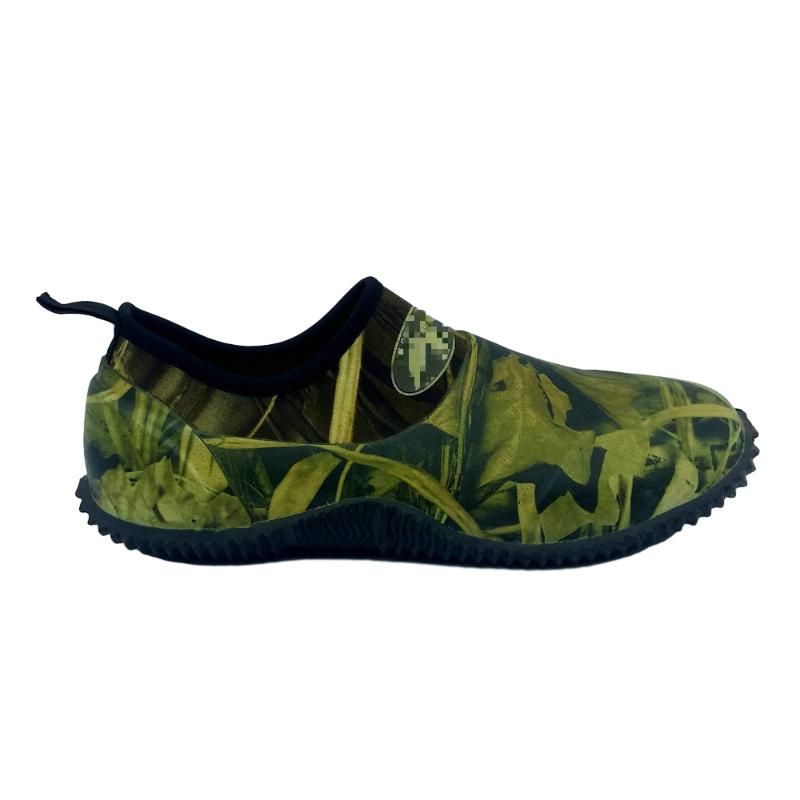
What’s trending (and why it matters)
Short profiles are in. City commuters want ankle-height protection that slides under jeans, and maintenance teams prefer quicker don/doff versus tall wellies. Another shift: brands asking for REACH-compliant compounds and better slip ratings on wet tile. It seems that “waterproof” isn’t enough; durability and lab-tested slip data are now part of the purchase brief.
Materials, methods, and test pedigree
- Upper: vulcanized natural rubber compound with elastic side gores (Chelsea style).
- Lining: polyester or neoprene (optional, around 2–3 mm).
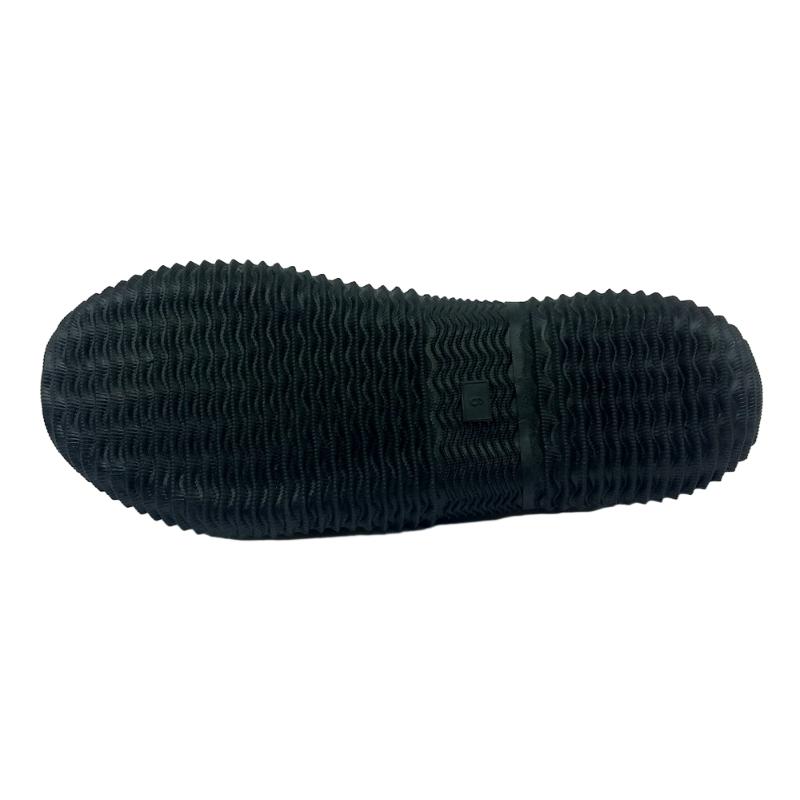
- Outsole: abrasion-resistant rubber; siped pattern for drainage.
- Bonding: high-temp vulcanization, foxing tape reinforcement at the rand.
- Quality checks: ISO 20344 dynamic water penetration, SATRA TM77 flexing, ASTM D1149 ozone, abrasion DIN 53516.
Real-world translation: fewer cracks, fewer leaks. In fact, many customers say the ankle height makes them “daily wearable,” not just storm gear.
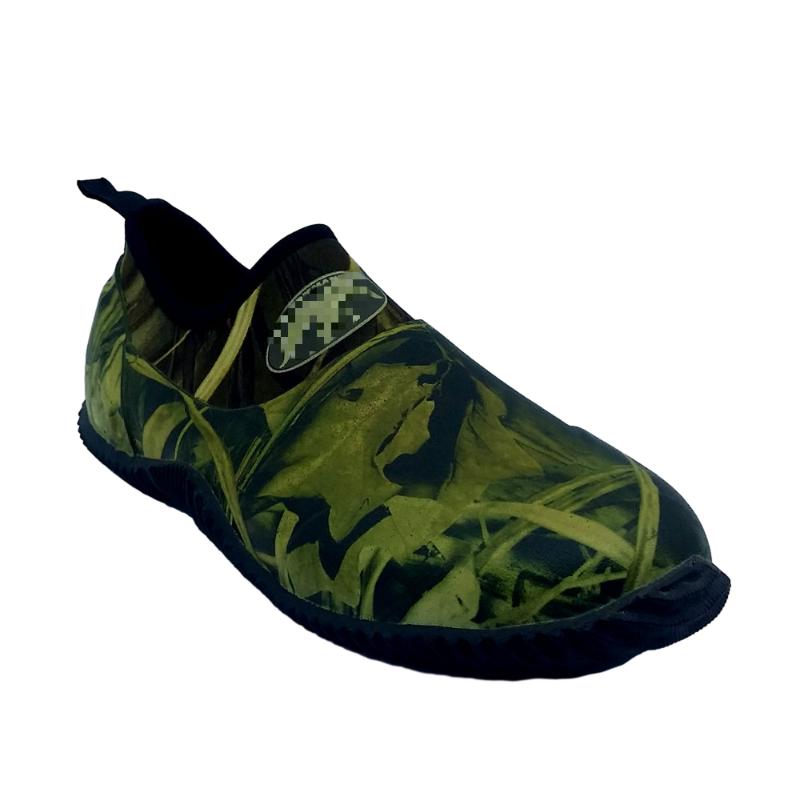
Key specs for Waterproof Short Rubber boots SY03-2N
| Height | ≈ 140–160 mm (ankle) |
| Compound | Natural rubber blend, Shore A ≈ 55±3 |
| Water test | No leakage after 30,000 flex cycles (ISO 20344 5.15) |
| Slip resistance | Up to SRC-type performance; CoF wet tile ≈ 0.35, steel ≈ 0.20 (lab; real-world use may vary) |
| Abrasion | DIN 53516 ≤ 150 mm³ |
| Ozone resistance | No cracking, 50 pphm, 24 h, 40°C (ASTM D1149) |
| Sizes | EU 36–46 (other runs by request) |
| Service life | ≈ 3–5 seasons under typical urban/garden duty |
Where they shine
Urban commuting in sideways rain; garden centers and landscaping; marinas and fish markets; festival grounds; light industrial washdown areas. I guess you could also call them the “dog-walk at dawn” boots. Once broken in, waterproof rubber ankle boots feel like a habit.
Vendor snapshot and comparison
Manufacturer: Landwalk Outdoor, Origin: Room 9-1, Zone F, 3rd Floor, Building D, Science and Technology Industrial Park, No. 723 Cuiyuan Street, Baoding City, Hebei Province. Factory typically operates under ISO 9001; materials can be supplied with REACH/PAHs and RoHS declarations on request.
| Vendor | Lead Time | Customization | Testing/Docs | MOQ |
|---|---|---|---|---|
| Landwalk (SY03-2N) | ≈ 30–45 days | Colorways, lining options, private label, carton art | ISO 20344, SATRA, REACH | ≈ 600–1200 pairs |
| BulkImport Co. | 45–60 days | Limited colors | Basic RoHS only | ≥ 1500 pairs |
| Boutique Maker | 60–75 days | Wide palette, custom outsole | ISO + SATRA optional | ≈ 300 pairs |
Process flow and QC
Compounding → calendaring/sheeting → last assembly with gores → vulcanization → trimming/foxing → water tank test (visual + pressure) → flex cycles → slip testing → final inspection and packing. However, the big differentiator is consistent curing; uneven vulcanization is the classic culprit for early cracking.
Customization and packaging
Brand prints, heel pull tabs, neoprene thermal lining for cold climates, and recycled content rubber on request. Retail box or mailer-ready eco-pack is available. For uniforms, PMS-matched colors are common.
Two quick case notes
Logistics fleet, Northern Europe: Switched to waterproof rubber ankle boots for drivers—reported fewer slips on wet tile ramps and faster changeovers at lockers. Replacement cycle: about 12–18 months.
Garden retailer, U.S. Midwest: Private-label color run; sell-through spiked during spring storms. Customers mentioned “surprisingly comfortable elastic side panels.”
Certifications and standards to ask for
- ISO 20344 test report (water penetration, abrasion, slip)
- SATRA TM77 flexing water resistance
- REACH Annex XVII (PAHs) and RoHS declarations
- ASTM D1149 ozone and DIN abrasion data
References:
- ISO 20344: Personal protective equipment — Test methods for footwear. https://www.iso.org
- SATRA TM77: Resistance to water penetration — flex method. https://www.satra.com
- ASTM D1149: Rubber deterioration—Cracking in ozone. https://www.astm.org
Latest news
-
Ultimate Guide to Choosing the Best Farmers Wellington BootsNewsApr.16,2026
-
The Ultimate Guide to Choosing the Best Professional Farming WelliesNewsApr.09,2026
-
Comprehensive Guide to Choosing the Perfect Field Wellies for Outdoor AdventuresNewsApr.07,2026
-
Choosing the Right Fit for Good Quality Wellies and Outdoor AdventuresNewsApr.04,2026
-
Choosing the Right Fit A Comprehensive Guide to Good Wellies and Outdoor FootwearNewsMar.31,2026
-
Choosing the Right Footwear A Comprehensive Guide to Good Wellington BootsNewsMar.28,2026
-
Choosing the Right Hard Wearing Wellies for Outdoor AdventuresNewsMar.26,2026