



Apr . 16, 2026 01:55
Back to list
Ultimate Guide to Choosing the Best Farmers Wellington Boots
The Ultimate Guide to Choosing the Best Farmers Wellington Boots
For anyone working in agriculture or spending long hours in the Great Outdoors, footwear isn't just about fashion—it's about survival and comfort. High-quality farmers wellington boots are essential tools that protect your feet from moisture, mud, and hazardous terrain. Whether you are managing livestock, tending to crops, or navigating a rainy backyard, the right pair of wellies prevents fatigue and protects against the elements. In this comprehensive guide, we will explore the critical features, material differences, and maintenance tips to help you find the perfect pair for your specific needs.
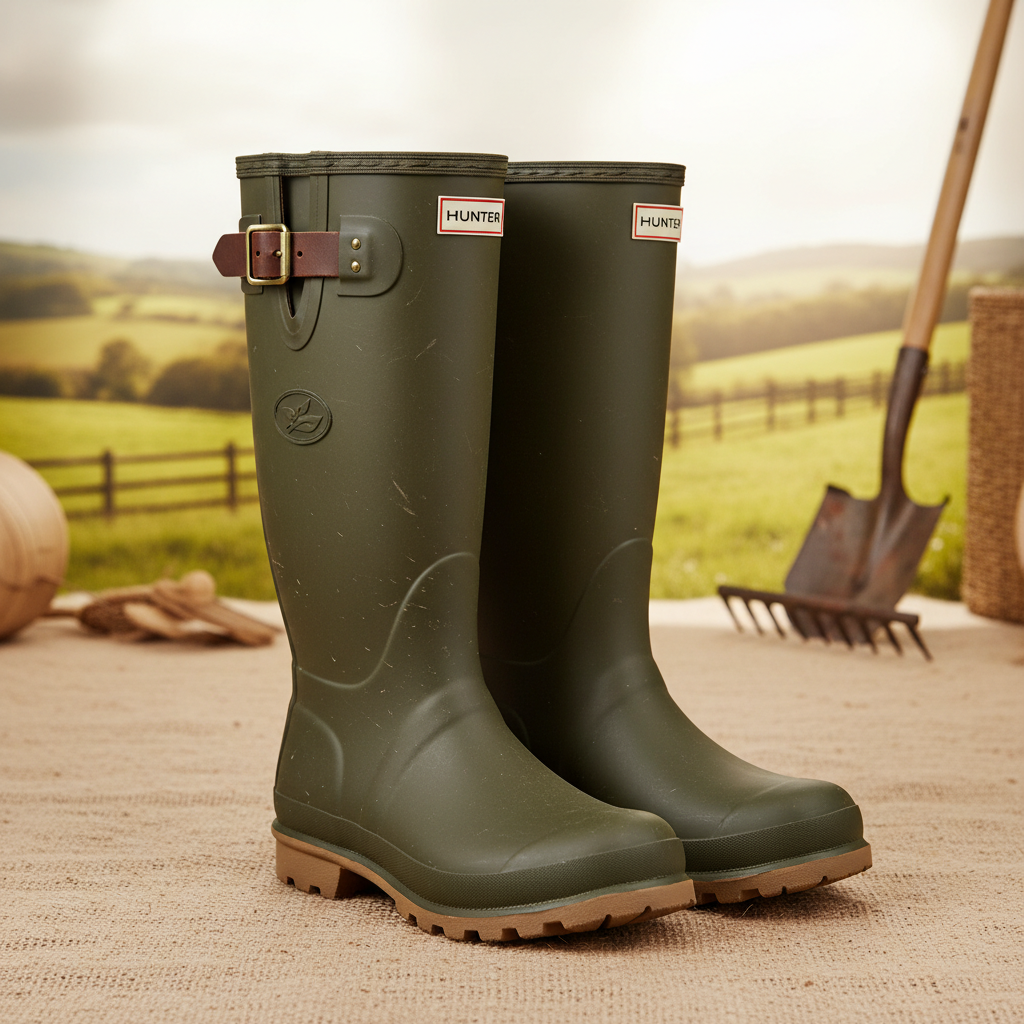
Essential Features of Professional Farmers Wellington Boots
Not all rubber boots are created equal. Professional-grade farmers wellington boots are engineered to withstand extreme conditions. Key features include reinforced shanks for arch support during long walks, deep-lugged outsoles for maximum traction on slippery mud, and waterproof linings that keep feet dry in deep puddles. Furthermore, a wide calf fit is often preferred by farmers to allow for thick wool socks during winter months. The combination of flexibility and rigidity ensures that the boot moves with your foot while protecting it from sharp objects on the ground.
Pro Tip: Look for boots with an integrated "kick-off" spur on the heel, which makes removing muddy boots much easier without using your hands.
Material Comparison: Natural Rubber vs. PVC
When shopping for farmers wellington boots, the choice of material is the most significant factor affecting longevity and comfort. Natural rubber is prized for its elasticity and ability to remain flexible in freezing temperatures, whereas PVC is often more affordable and resistant to certain chemicals. However, PVC can be stiffer, potentially leading to blisters during extended wear. For the serious agricultural worker, the breathability and organic feel of vulcanized rubber usually outweigh the lower cost of synthetic alternatives.
Matching Farmers Wellington Boots to Your Terrain
Different farming tasks require different boot specifications. If you are working in deep, sticky clay, you need a boot with a self-cleaning tread that ejects mud as you walk. For those working in livestock pens, a boot with a steel toe cap is highly recommended to prevent crush injuries. Meanwhile, those working in wet grasslands might prefer a lightweight, breathable version of farmers wellington boots to reduce leg fatigue. Matching the sole pattern to your environment is the secret to maintaining balance and safety on the farm.
Technical Specifications of High-Performance Boots
To understand why investment-grade farmers wellington boots cost more than generic rain boots, one must look at the technical specs. High-performance boots often feature neoprene linings for thermal insulation and orthopedic insoles that provide shock absorption for the heel. The thickness of the rubber is carefully calibrated to provide a barrier against punctures while remaining light enough for all-day use. Below are the typical specifications you should look for in a professional agricultural boot:
Maintenance Tips to Extend the Life of Your Boots
Even the toughest farmers wellington boots can degrade if not cared for properly. The primary enemy of rubber is UV radiation and extreme dryness, which can lead to "blooming" (a white powdery residue) or cracking. To prevent this, always rinse off mud and chemicals after use. Store your boots in a cool, dry place away from direct sunlight. For rubber boots, applying a silicone-based rubber conditioner once a season keeps the material supple and prevents the dreaded cracks that lead to leaks. Proper care can double the lifespan of your investment.
Why Comfort Matters in Agricultural Footwear
Many people overlook the ergonomic aspect of boots, but for a farmer, foot health is occupational health. Poorly fitting boots can lead to plantar fasciitis, blisters, and chronic lower back pain. High-end farmers wellington boots prioritize an anatomical fit, providing a wider toe box to allow natural toe splay. When combined with high-quality moisture-wicking socks, these boots reduce friction and keep the skin healthy. By focusing on comfort, you reduce the risk of fatigue, allowing you to remain productive and focused on your farm management tasks throughout the day.
Conclusion: Step Into Quality with Landwalk Outdoor
Investing in premium farmers wellington boots is a commitment to your own health and efficiency. By choosing the right materials, ensuring technical specifications meet your terrain requirements, and following a strict maintenance routine, you ensure that your feet remain protected no matter how harsh the environment. Don't settle for basic rain gear when professional-grade protection is available. Explore the range at Landwalk Outdoor and experience the difference that quality craftsmanship makes in the field.
Frequently Asked Questions (FAQs)
How do I know if my farmers wellington boots are the right size?
The ideal fit for agricultural boots should provide enough room for a thick pair of socks without feeling tight. Your toes should not touch the front of the boot, and there should be a slight gap around the ankle to allow for easy entry and exit. If you are between sizes, it is generally recommended to size up, as you can always add an insole for a snugger fit, but you cannot expand a boot that is too small. Proper sizing prevents blisters and ensures that the waterproof seal of the boot isn't stressed by an oversized foot.
Can I wear wellington boots every day?
Yes, provided they are professional-grade farmers wellington boots designed for daily heavy use. However, the key to daily wear is moisture management. Because rubber is non-breathable, sweat can accumulate. We recommend rotating between two pairs of boots or using high-quality absorbent insoles that can be removed and dried overnight. This prevents the interior from becoming damp and reduces the risk of fungal infections or odors, ensuring your feet stay healthy throughout the working week.
What is the best way to clean muddy wellies?
The most effective way to clean your boots is to use a stiff-bristled brush to remove loose mud while the boots are still slightly damp. Avoid using high-pressure power washers at point-blank range, as this can sometimes force water into the seams or damage the rubber surface. Use a mild soap and water solution for stubborn stains. Once cleaned, wipe them down with a damp cloth and let them air dry naturally. Avoid placing them directly next to a radiator or heater, as excessive heat can cause the rubber to dry out and crack prematurely.
Are steel toe wellingtons necessary for all farmers?
While not necessary for every task, steel toe caps are highly recommended for those working with large animals, heavy machinery, or moving heavy equipment. A single misplaced hoof or a dropped tool can cause serious injury. If your daily routine involves high-risk environments, the added weight of a steel toe is a small price to pay for the peace of mind and safety it provides. For light gardening or walking, standard rubber boots are sufficient, but for professional farm work, safety-toed options are the industry gold standard.
Next:
This is the last article
Latest news
-
The Ultimate Guide to Choosing the Best Professional Farming WelliesNewsApr.09,2026
-
Comprehensive Guide to Choosing the Perfect Field Wellies for Outdoor AdventuresNewsApr.07,2026
-
Choosing the Right Fit for Good Quality Wellies and Outdoor AdventuresNewsApr.04,2026
-
Choosing the Right Fit A Comprehensive Guide to Good Wellies and Outdoor FootwearNewsMar.31,2026
-
Choosing the Right Footwear A Comprehensive Guide to Good Wellington BootsNewsMar.28,2026
-
Choosing the Right Hard Wearing Wellies for Outdoor AdventuresNewsMar.26,2026
-
Stay Warm and Dry with Innovative Heated Wellies for Outdoor AdventuresNewsMar.24,2026