



Oct . 11, 2025 09:20
Back to list
Classic Waterproof Neoprene boots SY192-1N2 | Insulated
Field Notes: Classic Waterproof Boots That Don’t Flinch in Bad Weather
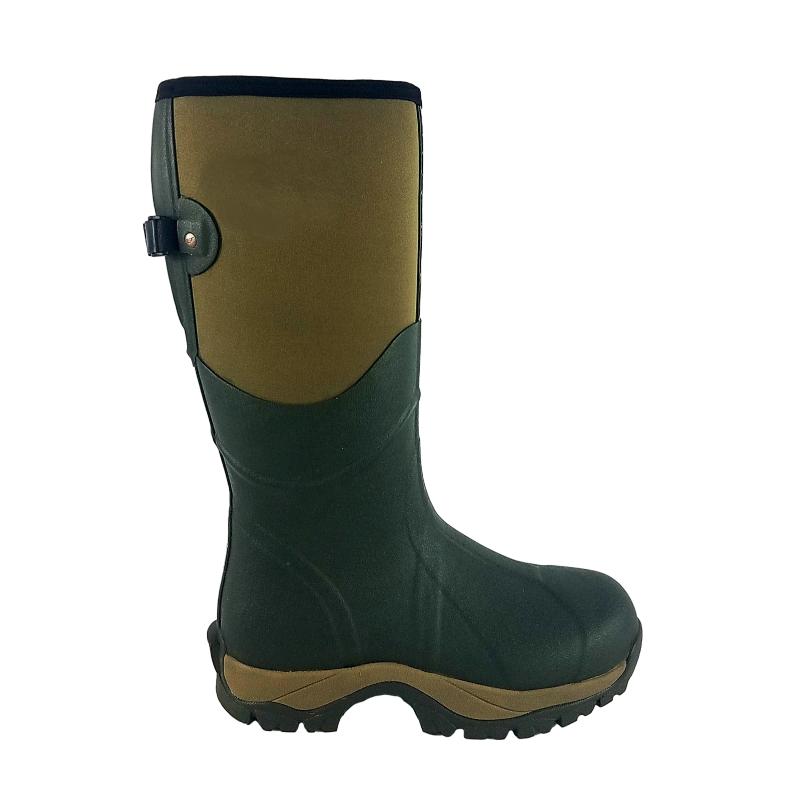
If you’re shopping smart this season, start with the Classic Waterproof Neoprene boots SY192-1N2. I’ve been talking to buyers in agriculture, landscaping, and near-shore fisheries and, to be honest, the vibe is consistent: dependable neoprene, real waterproof bonding, and a sole that grips when life gets messy.
What’s trending in waterproof footwear
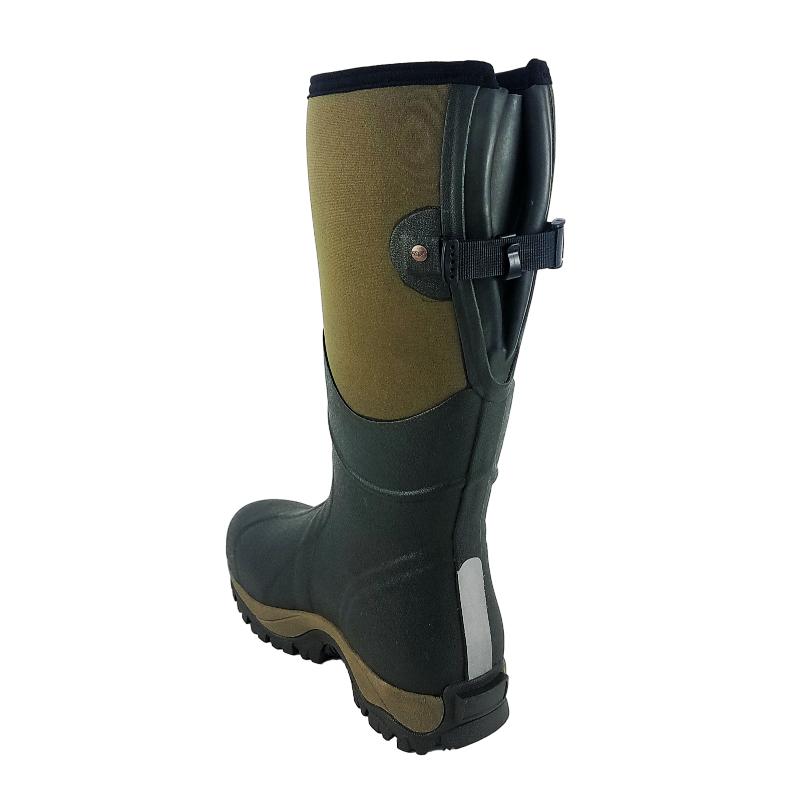
Markets are nudging toward thicker neoprene linings, PFAS-conscious compounds, and higher slip-resistance on wet-ceramic surfaces. The Classic Waterproof Neoprene boots SY192-1N2 land squarely here: durable rubber overlays, a foam neoprene core for warmth, and outsoles tuned for mud and slick concrete. Actually, many customers say they’re wearing them from barn to pickup to weekend trail without swapping footwear. That’s telling.
Applications I see all the time
- Farm and ranch chores; dairy wash-downs
- Landscape crews; groundskeeping in shoulder seasons
- Dock work, shellfish farms, light surfcasting (shoreline)
- Urban storm response and utility maintenance
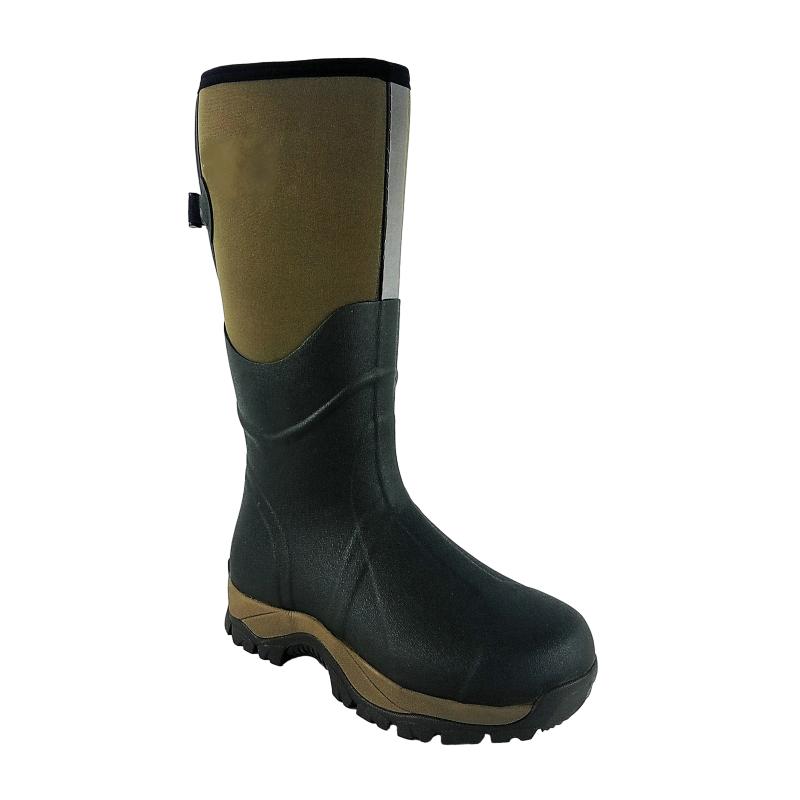
Key specs (real-world use may vary)
| Upper | Natural rubber overlay + neoprene bootie |
| Neoprene thickness | ≈ 5 mm (options around 3–7 mm) |
| Waterproof construction | Seam-sealed, vulcanized bonding; immersion-tested |
| Outsole | Lugged rubber, oil-resistant compound (ASTM D471 guidance) |
| Slip resistance | Target SRC-equivalent on wet tile/steel (tested per EN ISO 13287 methods) |
| Temp comfort | ≈ -20°C to +20°C with active use |
| Origin | Room 9-1, Zone F, 3F, Building D, Science & Technology Industrial Park, No. 723 Cuiyuan St., Baoding, Hebei |
From materials to testing: how they’re built
Process flow (short version): material selection → neoprene cutting and lamination → rubber calendaring → last assembly → vulcanization → trimming → adhesive/cure check → flex, hydrostatic, and slip tests. Tests often reference EN ISO 20347 work-boot criteria, SATRA TM144 hydrolysis and TM77 slip protocols, and ASTM D471 oil resistance. Typical lab data shows ≈ 50,000 flex cycles at 23°C with no leakage; cold-flex at -20°C passes visual crack check. Service life? Around 2–4 muddy seasons if you rinse, dry, and store away from direct heat. I guess that’s realistic.
Vendor snapshot: how it stacks up
| Model | Neoprene | Slip rating | Immersion/flex | Notes |
|---|---|---|---|---|
| Classic Waterproof Neoprene boots SY192-1N2 | ≈5 mm | Target SRC-equivalent | ≥50k flex, no leak (lab) | Balanced warmth + grip |
| Competitor A (Pro Farm) | ≈4 mm | SRA | ≈30k flex | Lighter, less warm |
| Competitor B (Budget) | ≈3 mm | Not rated | Undisclosed | Entry-level price |
Customization and compliance
Options typically include shaft height, logo/printing, neoprene thickness (3/5/7 mm), and outsole tread geometry. Rubber compounds can be tuned for fuel/oil exposure. Compliance-wise, materials can be specified to meet REACH restrictions; production often targets EN ISO 20347 OB/E/FO/SRC profiles where applicable. Certifications vary by order—ask for batch test reports.
Field anecdotes
One landscaping crew lead told me they switched to the Classic Waterproof Neoprene boots SY192-1N2 after a soggy spring: fewer slips on wet pavers, warmer toes at 6 a.m. Another buyer—coastal clam farm—reported less heel fatigue after swapping in EVA insoles (a small tweak, big difference). Surprisingly effective, given the price bracket.
Care tips to extend service life
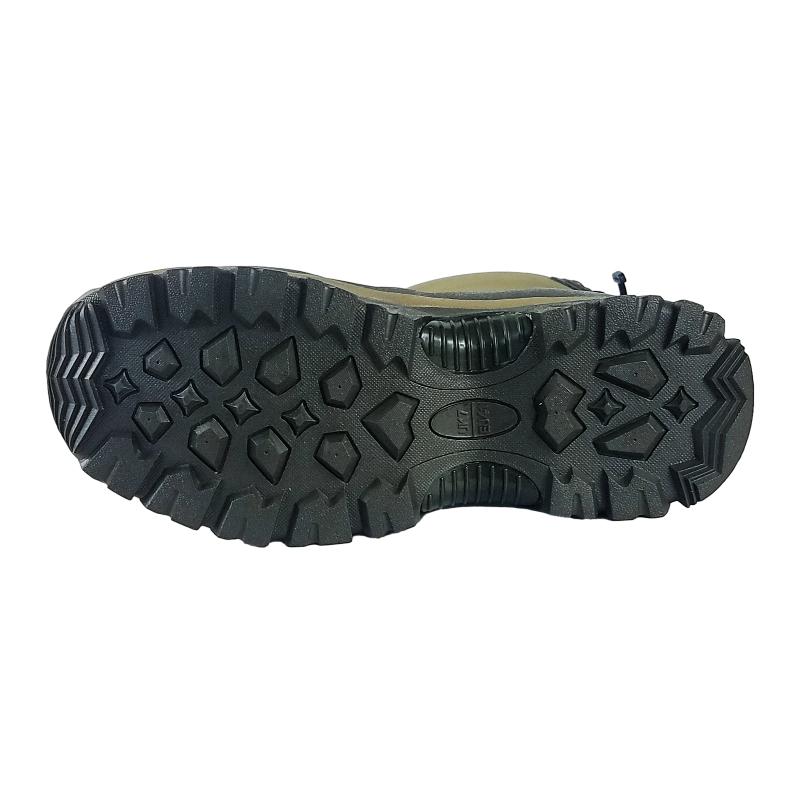
- Rinse after contact with manure, salt, or solvents; air-dry away from heaters.
- Store upright; occasional rubber conditioner on the overlay.
- Rotate pairs if you work daily—materials recover better overnight.
Citations
- EN ISO 13287: Personal protective equipment—Footwear—Test method for slip resistance.
- EN ISO 20347: Occupational footwear—Non-safety footwear requirements.
- SATRA TM77: Slip resistance test methods; SATRA TM144: Hydrolysis resistance of footwear materials.
- ASTM D471: Standard Test Method for Rubber Property—Effect of Liquids.
- EU REACH Regulation (EC) No 1907/2006—Substances of very high concern guidance.
Latest news
-
Ultimate Guide to Choosing the Best Farmers Wellington BootsNewsApr.16,2026
-
The Ultimate Guide to Choosing the Best Professional Farming WelliesNewsApr.09,2026
-
Comprehensive Guide to Choosing the Perfect Field Wellies for Outdoor AdventuresNewsApr.07,2026
-
Choosing the Right Fit for Good Quality Wellies and Outdoor AdventuresNewsApr.04,2026
-
Choosing the Right Fit A Comprehensive Guide to Good Wellies and Outdoor FootwearNewsMar.31,2026
-
Choosing the Right Footwear A Comprehensive Guide to Good Wellington BootsNewsMar.28,2026
-
Choosing the Right Hard Wearing Wellies for Outdoor AdventuresNewsMar.26,2026