



Oct . 12, 2025 10:50
Back to list
Kids Low height Rubber Rain boots SYD157-7 Waterproof
Field Notes on Kids’ Rain Gear: A Closer Look at Kids Low height Rubber Rain boots SYD157-7
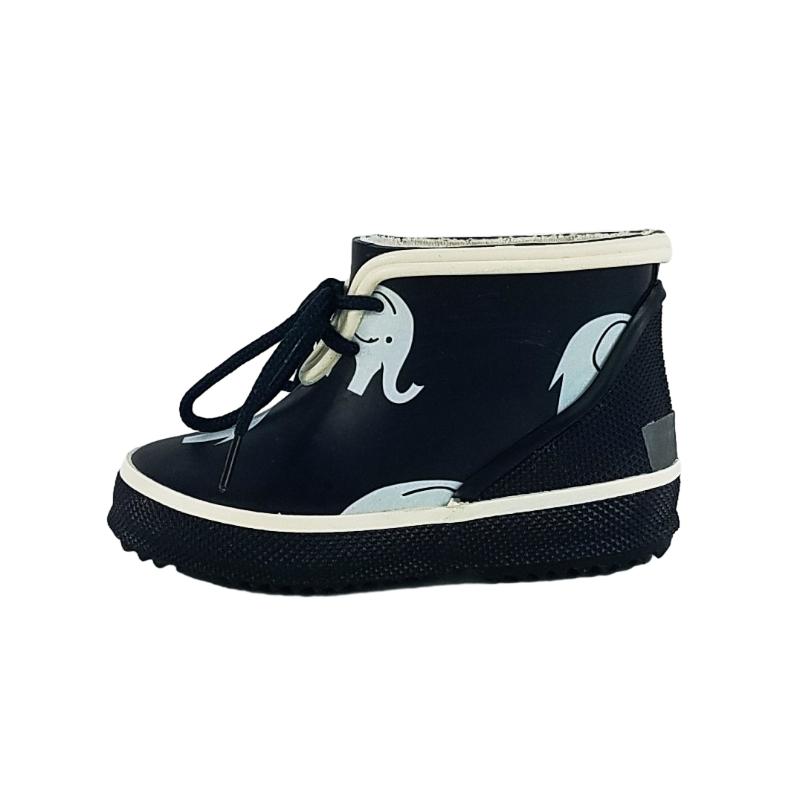
I’ve been around enough school gates and soggy sideline games to know: good kids’ boots are underrated. The Kids Low height Rubber Rain boots SYD157-7 caught my eye because they balance real-world durability with kid-proof comfort. Low height means easy on/off (no wrestling in the hallway), and the compound rubber feels reassuringly tough yet pliable. Made in Baoding, Hebei—Room 9-1, Zone F, 3rd Floor, Building D, Science and Technology Industrial Park, No. 723 Cuiyuan Street, to be precise—it’s a factory address I’ve seen on more than a few quality outdoor products.
What’s trending in kids’ rain boots
Two shifts, frankly: lighter compounds and better slip resistance. Parents want boots that don’t flop around; retailers want fewer returns. It seems that low-cut silhouettes like the Kids Low height Rubber Rain boots SYD157-7 are trending because they’re versatile—school commute, garden play, quick errands. Also, the eco conversation is real: PVC-free and REACH-ready claims are becoming baseline expectations.
Key specifications (lab and field)
| Upper | Natural rubber blend (PVC-free), fabric lining |
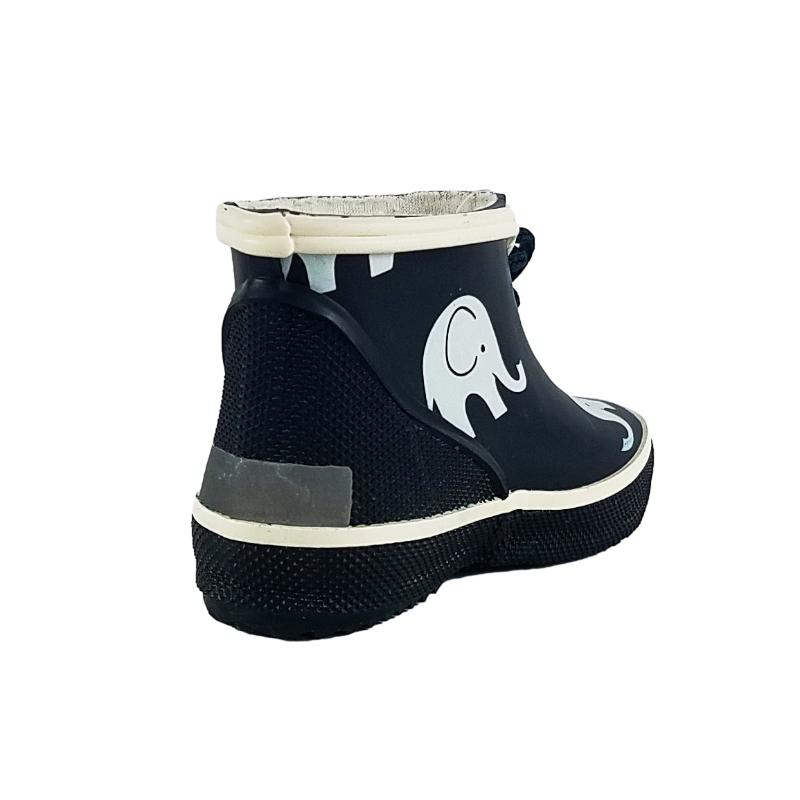
| Outsole | High-traction rubber lug; slip test ISO 13287: ≥ 0.32 SRA (≈ lab value; real-world use may vary) |
| Tensile strength | ASTM D412: ≈ 12–15 MPa typical for this compound |
| Hardness | ASTM D2240 (Shore A): ≈ 55–60 |
| Height / Weight | Low-cut ankle; around 260–320 g per boot (size-dependent) |
| Compliance | REACH SVHC screening; CPSIA lead/phthalates guidance; EN 71 parts where applicable |
| Service life | ≈ 2–3 seasons with typical school/play use; storage out of direct sun extends life |
How they’re made (short version)
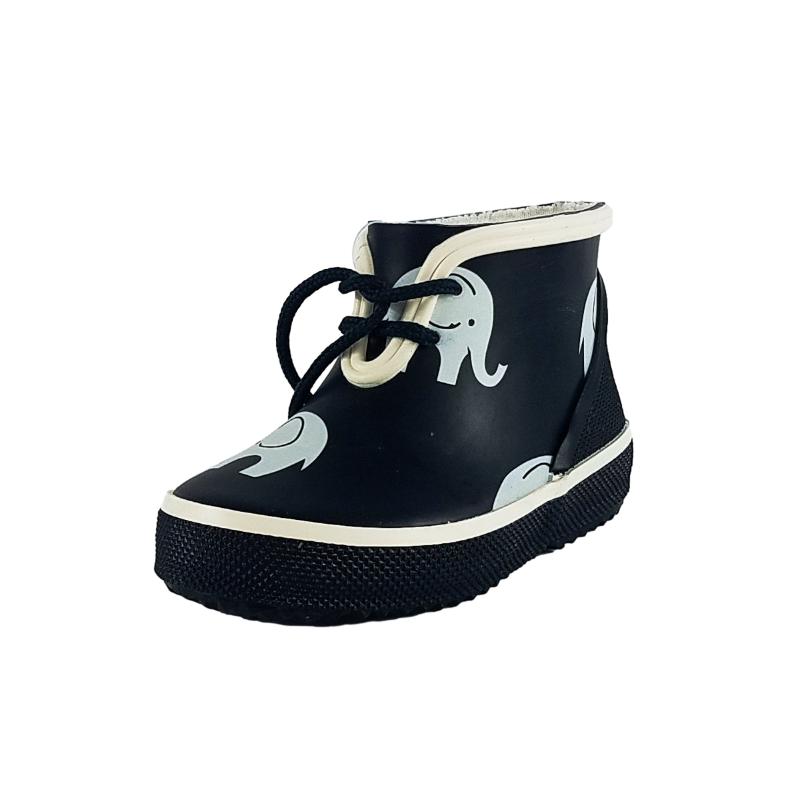
- Materials: natural rubber compound, polyester/cotton lining, removable EVA insole.
- Methods: calendaring sheets → hand/last assembly → vulcanization (curing) → trimming → outsole bonding → finishing.
- Testing: EN ISO 20344 wear tests; ISO 13287 slip; flex at ≈ 30,000 cycles; colorfastness; REACH/CPSIA screening.
- Industries: retail footwear, outdoor education, amusement/theme parks, school procurement.
Where they shine
School commutes, puddle play, garden chores, camp days, muddy sidelines. Many customers say the low shaft keeps kids mobile, and—surprisingly—the grips hold up on wet tiles better than expected. My own note: the heel cup feels stable for a kids’ boot; fewer ankle wobbles.
Vendor comparison (quick glance)
| Vendor | Material | Certs/Testing | MOQ | Customization | Lead Time |
|---|---|---|---|---|---|
| Landwalk (SYD157-7) | Natural rubber blend | REACH, CPSIA, ISO 13287, ISO 20344 | ≈ 600–1,200 pairs | Colors, logo, carton, insole | 30–45 days |
| Generic Importer A | PVC or mixed | Basic REACH claims | Low | Limited | 20–35 days |
| Boutique EU Maker B | Premium natural rubber | Broad EU compliance | Small batches | High | 45–60 days |
Customization and packaging
For Kids Low height Rubber Rain boots SYD157-7: Pantone-matched colors, heat-transfer logos, pattern prints, branded cartons, swing tags, and size runs from toddlers to juniors. Retailers often request hangable display boxes; easy win.
Mini case study
A regional school supplier switched to Kids Low height Rubber Rain boots SYD157-7 for their fall kit. Return rate dipped below 1.5% over the season, mostly sizing. Teachers reported fewer slip incidents on wet corridors—anecdotal, yes, but consistent with ISO 13287 lab numbers.
Final verdict
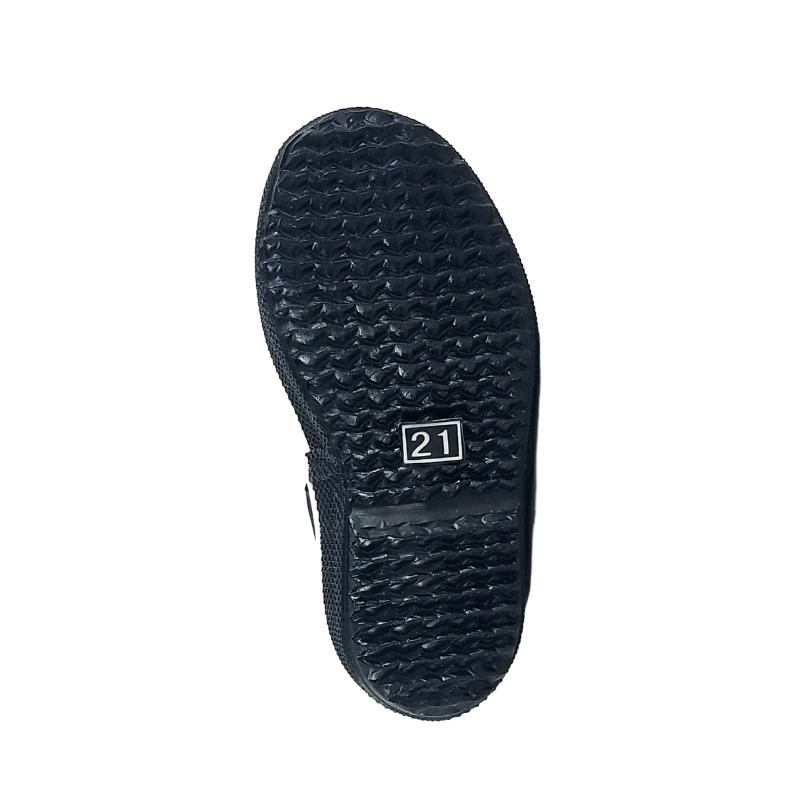
If you want a kid-friendly boot that’s tough, compliant, and not fussy, this one makes practical sense. To be honest, the low height is the feature parents end up loving most.
References:
- ISO 13287: Personal protective equipment — Footwear — Test methods for slip resistance.
- EN ISO 20344: Personal protective equipment — Test methods for footwear.
- ASTM D412: Standard Test Methods for Vulcanized Rubber and Thermoplastic Elastomers—Tension.
- ASTM D2240: Standard Test Method for Rubber Property—Durometer Hardness.
- EU REACH Regulation (EC) No 1907/2006 — SVHC guidance.
- CPSIA (15 U.S.C. §§ 2051–2089) — Lead and phthalate content for children’s products.
Latest news
-
Ultimate Guide to Choosing the Best Farmers Wellington BootsNewsApr.16,2026
-
The Ultimate Guide to Choosing the Best Professional Farming WelliesNewsApr.09,2026
-
Comprehensive Guide to Choosing the Perfect Field Wellies for Outdoor AdventuresNewsApr.07,2026
-
Choosing the Right Fit for Good Quality Wellies and Outdoor AdventuresNewsApr.04,2026
-
Choosing the Right Fit A Comprehensive Guide to Good Wellies and Outdoor FootwearNewsMar.31,2026
-
Choosing the Right Footwear A Comprehensive Guide to Good Wellington BootsNewsMar.28,2026
-
Choosing the Right Hard Wearing Wellies for Outdoor AdventuresNewsMar.26,2026